An electric tea kettle works by using a heating element powered by electricity to rapidly heat water inside a sealed chamber. Once the water reaches boiling point, an automatic shut-off mechanism turns off the power, ensuring safety and energy efficiency.
Key Takeaways
- Heating Element: The core component that converts electrical energy into heat to boil water quickly and efficiently.
- Thermostat Control: Monitors water temperature and triggers automatic shut-off when boiling is reached, preventing overheating.
- Sealed Design: Keeps water contained and steam directed safely, improving efficiency and reducing noise.
- Automatic Shut-Off: Enhances safety by cutting power once boiling occurs, reducing fire or burn risks.
- Energy Efficiency: Electric kettles use less energy than stovetop methods, boiling water faster with minimal waste.
- Material Matters: Kettles made from stainless steel, glass, or BPA-free plastic affect performance, durability, and taste.
- Maintenance Tips: Regular descaling and cleaning prolong lifespan and maintain optimal performance.
📑 Table of Contents
- How Does an Electric Tea Kettle Work? A Simple Explanation
- The Core Components of an Electric Tea Kettle
- The Science Behind the Boil: How Heat Transfers to Water
- Safety Features That Keep You Protected
- Types of Electric Tea Kettles and Their Features
- Maintenance and Care Tips for Longevity
- Conclusion: Why Understanding Your Kettle Matters
How Does an Electric Tea Kettle Work? A Simple Explanation
Imagine this: It’s early morning, and you’re craving a hot cup of tea. You fill your electric tea kettle, press a button, and within minutes, the water is boiling. No waiting, no watching the stove—just fast, reliable heat. But have you ever stopped to wonder how this everyday appliance actually works?
An electric tea kettle is one of the most convenient kitchen tools we use daily. Unlike traditional stovetop kettles that rely on gas or electric burners, electric kettles are self-contained units designed to heat water quickly and safely using electricity. They’re compact, efficient, and often come with smart features like temperature control and keep-warm functions. But beneath their sleek exteriors lies a clever combination of physics, engineering, and safety mechanisms that make them so effective.
In this article, we’ll dive deep into the inner workings of an electric tea kettle. You’ll learn about the key components, how energy is converted into heat, and why these devices are safer and more efficient than many alternatives. Whether you’re a tea enthusiast, a coffee lover, or just someone who appreciates good kitchen tech, understanding how your electric kettle works can help you use it better and maintain it longer.
The Core Components of an Electric Tea Kettle
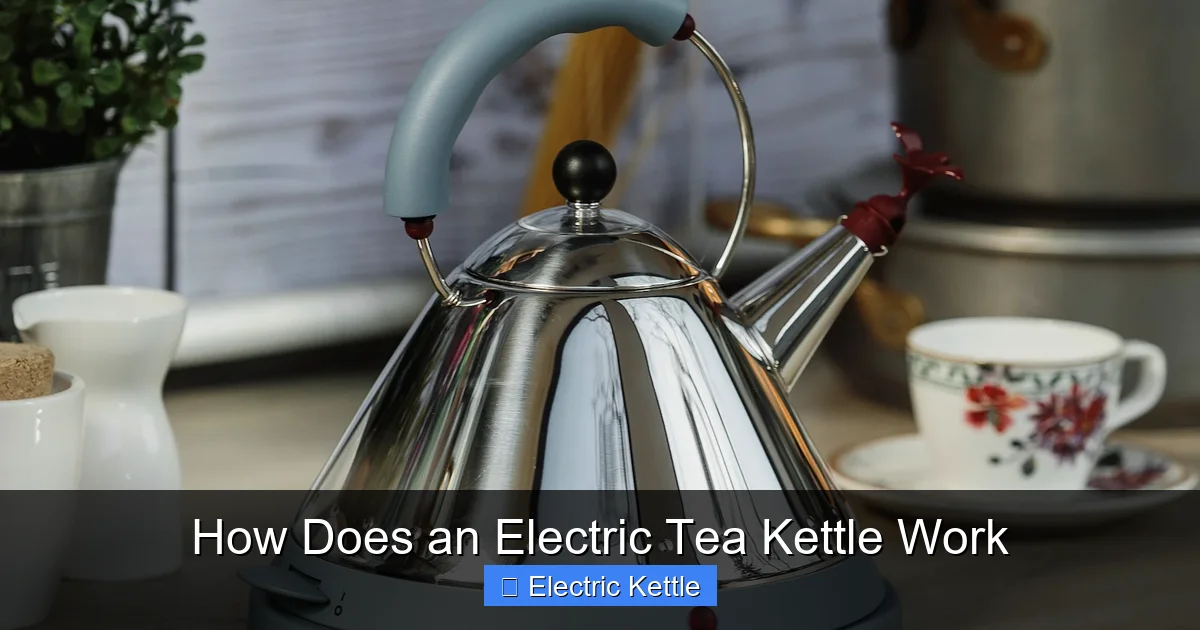
Visual guide about How Does an Electric Tea Kettle Work
Image source: 4.bp.blogspot.com
To understand how an electric tea kettle works, it helps to know what’s inside. Most electric kettles share a similar internal design, even if they look different on the outside. Let’s break down the main parts that make the magic happen.
The Heating Element
At the heart of every electric tea kettle is the heating element. This is usually a coiled metal wire or a flat disc located at the base of the kettle, either exposed or hidden beneath a sealed plate. When you plug in the kettle and turn it on, electricity flows through this element.
The heating element is made from a material with high electrical resistance—like nichrome, an alloy of nickel and chromium. Resistance causes the wire to heat up as electricity passes through it. Think of it like a light bulb filament: the more resistance, the hotter it gets. In the kettle, this heat is transferred directly to the water sitting above it.
Because the heating element is in direct contact with water (or very close to it), it can transfer heat quickly and efficiently. This is why electric kettles boil water faster than stovetop kettles, where heat must travel through the pot and then into the water.
The Thermostat and Temperature Sensor
You might think that once the heating element gets hot, it just keeps going until the kettle melts. But that’s not the case. Modern electric kettles are equipped with a thermostat—a small device that monitors the temperature of the water.
As the water heats up, the thermostat detects when it reaches the boiling point (usually around 212°F or 100°C at sea level). At that moment, it sends a signal to cut off the power to the heating element. This is what causes the kettle to “click off” automatically.
Some advanced kettles go a step further. They include digital temperature sensors that allow you to select specific temperatures—like 175°F for green tea or 200°F for French press coffee. These models use precise thermostats to stop heating at the exact temperature you choose, giving you more control over your brew.
The Power Base and Cord
Most electric kettles have a detachable base that connects to the power outlet. The kettle itself sits on this base, which contains the electrical contacts. When you place the kettle on the base, power flows through these contacts to the heating element.
This design makes the kettle easy to lift and pour without dealing with a dangling cord. It also reduces wear and tear on the wiring, since the cord stays stationary while the kettle moves.
The base usually includes a simple on/off switch or button. Some models have LED indicators that light up when the kettle is heating or has finished boiling. Higher-end models may include digital displays showing temperature, time, or settings.
The Water Chamber and Lid
The water chamber is the main body of the kettle where you pour in cold water. It’s typically made from stainless steel, glass, or BPA-free plastic. Each material has its pros and cons:
– Stainless steel is durable, rust-resistant, and retains heat well.
– Glass allows you to see the water level and boiling process, but can be fragile.
– Plastic is lightweight and affordable, but may absorb odors or degrade over time.
The lid seals the chamber and usually has a small opening or spout for pouring. Many lids are designed to open with a button or flip-top mechanism for easy filling. Some models include a mesh filter at the spout to catch loose tea leaves or limescale particles.
The Automatic Shut-Off Mechanism
One of the most important safety features in an electric tea kettle is the automatic shut-off. This system prevents the kettle from overheating or boiling dry, which could damage the unit or create a fire hazard.
When the thermostat detects that the water has reached boiling point, it triggers a switch that cuts off power to the heating element. In some kettles, this is done using a bimetallic strip—a thin piece of metal that bends when heated. When the strip bends enough, it physically disconnects the circuit.
Other models use electronic sensors and microprocessors to monitor temperature and shut off power digitally. These systems are more precise and can support features like variable temperature settings.
The Science Behind the Boil: How Heat Transfers to Water
Now that we know the parts, let’s talk about the science. How does electricity turn into boiling water? It all comes down to energy conversion and heat transfer.
From Electricity to Heat
When you press the “on” button, electricity flows from the outlet, through the base, and into the heating element. The element resists the flow of electricity, converting electrical energy into thermal energy—heat. This process is called Joule heating or resistive heating.
The amount of heat produced depends on the voltage, current, and resistance of the element. Most household kettles operate at 120 volts (in the U.S.) and draw between 1,200 and 1,500 watts of power. That’s a lot of energy in a short time—which is why kettles boil water so fast.
For example, a 1,500-watt kettle can boil 1 liter of water in about 3 to 4 minutes, depending on the starting temperature. That’s significantly faster than a stovetop kettle, which might take 6 to 8 minutes.
Heat Transfer to Water
Once the heating element gets hot, it transfers that heat to the water through conduction. Conduction is the process where heat moves from a hotter object (the element) to a cooler one (the water).
Because the element is at the bottom of the kettle, heat rises naturally through the water in a process called convection. Warm water becomes less dense and rises, while cooler water sinks to the bottom to be heated. This creates a circulating current that distributes heat evenly.
This efficient heat transfer is one reason electric kettles are so effective. There’s minimal energy loss compared to stovetop methods, where heat escapes into the air around the pot.
Why Electric Kettles Are More Efficient
Electric kettles are among the most energy-efficient ways to boil water. Studies show they use about 20–30% less energy than stovetop kettles. Here’s why:
– Direct heating: The element heats the water directly, not the pot.
– Insulated design: Many kettles have double walls or lids that reduce heat loss.
– Automatic shut-off: Prevents over-boiling and wasted energy.
– Faster boiling: Less time means less energy used overall.
For example, if you only need one cup of water, an electric kettle can heat just that amount quickly. On a stove, you might heat a full pot, wasting energy on water you don’t need.
Safety Features That Keep You Protected
Electric kettles are designed with safety in mind. While they use high heat and electricity, modern models include multiple safeguards to prevent accidents.
Automatic Shut-Off
As mentioned earlier, automatic shut-off is the most critical safety feature. It stops the heating process once the water boils, preventing the kettle from overheating or boiling dry. This reduces the risk of fire, burns, or damage to the appliance.
Some kettles also have a secondary shut-off that activates if the water level is too low. This protects the heating element from burning out.
Boil-Dry Protection
Boil-dry protection is a feature that detects when there’s no water in the kettle. If you accidentally turn it on without water, the sensor triggers a shutdown before the element gets dangerously hot.
This is especially important for kettles with exposed heating elements. Without protection, running dry could cause the element to overheat and fail—or worse, start a fire.
Cool-Touch Exterior
Many electric kettles have insulated outer shells that stay cool to the touch, even when the water inside is boiling. This prevents burns if you accidentally brush against the kettle.
Stainless steel models often have double walls with an air gap for insulation. Plastic and glass kettles may use heat-resistant materials or ergonomic handles that stay cool.
Stable Base and Non-Slip Feet
A stable base prevents the kettle from tipping over during use. Non-slip feet on the bottom keep it firmly in place on countertops, even when wet.
Some models also have a 360-degree swivel base, allowing you to lift and pour from any angle without twisting the cord.
Child-Safe Lids and Locks
Higher-end kettles may include child-safe features like locking lids or buttons that require a firm press to activate. These help prevent curious little hands from accidentally turning on the kettle.
Types of Electric Tea Kettles and Their Features
Not all electric kettles are the same. They come in different styles, materials, and with varying features. Choosing the right one depends on your needs and preferences.
Standard Electric Kettles
These are the most common type. They have a simple on/off switch, boil water to 212°F, and shut off automatically. They’re affordable, reliable, and great for everyday use.
Ideal for: People who just want hot water for tea, coffee, or instant noodles.
Variable Temperature Kettles
These kettles let you choose specific temperatures for different beverages. For example:
– 160°F for delicate white teas
– 175°F for green tea
– 195°F for oolong
– 212°F for black tea or French press coffee
They often have digital displays and preset buttons for each temperature. Some even have a “keep warm” function that maintains the temperature for up to an hour.
Ideal for: Tea connoisseurs or coffee lovers who want precision.
Gooseneck Kettles
Gooseneck kettles have a long, narrow spout that allows for precise pouring. This is essential for pour-over coffee methods like the Chemex or V60, where controlled water flow affects the brew.
Many gooseneck models are variable temperature kettles with slow-pour designs.
Ideal for: Coffee enthusiasts and baristas.
Glass Kettles
Glass kettles let you watch the water boil—a fun and functional feature. They’re often paired with LED lights that illuminate the chamber when heating.
However, glass can be fragile and may show water stains or limescale more easily.
Ideal for: Those who enjoy the visual appeal and want a modern look.
Stainless Steel Kettles
Stainless steel is durable, easy to clean, and resists rust and odors. It’s a popular choice for both standard and high-end models.
Some stainless steel kettles have a brushed finish to hide fingerprints.
Ideal for: People who want a long-lasting, low-maintenance kettle.
Plastic Kettles
Plastic kettles are lightweight and budget-friendly. However, they may retain odors or degrade over time, especially if exposed to high heat repeatedly.
Look for BPA-free models to avoid harmful chemicals leaching into your water.
Ideal for: Casual users or those on a tight budget.
Maintenance and Care Tips for Longevity
To keep your electric tea kettle working well for years, regular maintenance is key. Here’s how to care for it properly.
Descaling to Remove Limescale
If you live in an area with hard water, limescale—a chalky deposit of calcium and magnesium—can build up inside the kettle. This reduces efficiency and can affect the taste of your water.
To descale:
1. Fill the kettle with equal parts water and white vinegar.
2. Let it sit for 30 minutes to an hour.
3. Boil the solution, then let it cool.
4. Rinse thoroughly with clean water.
5. Boil fresh water once or twice to remove any vinegar taste.
You can also use commercial descaling solutions or citric acid for a stronger clean.
Cleaning the Exterior and Lid
Wipe the outside with a damp cloth and mild soap. Avoid submerging the base or electrical parts in water.
For the lid and spout, use a soft brush or toothbrush to remove residue. Some removable filters can be washed separately.
Avoiding Overfilling and Underfilling
Always check the minimum and maximum water levels marked inside the kettle. Overfilling can cause water to spill into the base, damaging electronics. Underfilling can trigger boil-dry protection or damage the heating element.
Storing Properly
When not in use, store the kettle in a dry place with the lid open to prevent odors. Keep the cord wrapped neatly to avoid tangling.
Replacing When Needed
Even the best kettles don’t last forever. Signs it’s time to replace yours include:
– Slow boiling
– Strange noises or smells
– Leaking water
– Failure to shut off automatically
Most kettles last 3–5 years with proper care.
Conclusion: Why Understanding Your Kettle Matters
An electric tea kettle is more than just a convenient appliance—it’s a marvel of everyday engineering. By converting electricity into heat with precision and safety, it delivers hot water faster and more efficiently than most alternatives. Understanding how it works helps you appreciate its design, use it correctly, and maintain it for years of reliable service.
From the heating element to the thermostat, every component plays a role in making your morning tea or coffee possible. Features like automatic shut-off, boil-dry protection, and variable temperature controls enhance both safety and performance. And with proper care—like regular descaling and cleaning—you can keep your kettle in top condition.
Whether you’re brewing a delicate green tea or preparing pour-over coffee, your electric kettle is a trusted companion. Now that you know how it works, you can make the most of its features and enjoy every cup with confidence.
So next time you press that button and hear the gentle hum of the heating element, remember: it’s not just boiling water. It’s science, safety, and convenience—all working together, one cup at a time.
Frequently Asked Questions
How does an electric tea kettle know when to turn off?
An electric tea kettle uses a thermostat or temperature sensor to detect when the water reaches boiling point. Once the water hits around 212°F (100°C), the thermostat triggers an automatic shut-off mechanism, cutting power to the heating element.
Is it safe to leave an electric kettle plugged in?
Yes, it’s generally safe to leave an electric kettle plugged in when not in use, as long as it’s not turned on. Most models have safety features like automatic shut-off and boil-dry protection that prevent overheating or fire risks.
Can you boil water in an electric kettle more than once?
Yes, you can safely boil water in an electric kettle multiple times. However, repeated boiling may concentrate impurities if the water evaporates significantly. For best taste, use fresh water each time.
Why is my electric kettle making a loud noise?
Loud noises during boiling can be caused by limescale buildup on the heating element, air bubbles in the water, or mineral deposits. Descaling the kettle regularly can reduce or eliminate this noise.
How long does it take for an electric kettle to boil water?
Most electric kettles boil 1 liter of water in 3 to 4 minutes, depending on the starting temperature and wattage. Higher-wattage models (1,500W+) tend to boil faster than lower-wattage ones.
Can you use an electric kettle for anything besides water?
It’s not recommended to use an electric kettle for liquids other than water, such as milk or soup. These can leave sticky residues, cause odors, or damage the heating element. Stick to water for safety and longevity.