An electric kettle works by using an internal heating element to convert electrical energy into heat, rapidly boiling water with efficiency and safety. Unlike stovetop kettles, it operates independently, often featuring automatic shut-off and temperature controls for convenience and energy savings.
Key Takeaways
- Heating Element Basics: The core component is a concealed or exposed metal coil that heats up when electricity passes through it, transferring heat directly to water.
- Thermostat Control: A built-in thermostat monitors water temperature and automatically turns off the kettle once boiling point is reached, preventing overheating.
- Energy Efficiency: Electric kettles use less energy than stovetops because they heat water directly and lose minimal heat to the surrounding environment.
- Safety Features: Modern kettles include boil-dry protection, auto shut-off, and cool-touch exteriors to reduce the risk of accidents.
- Speed and Convenience: Most electric kettles boil water in 3–5 minutes, making them ideal for quick tea, coffee, or instant meals.
- Maintenance Matters: Regular descaling and cleaning help maintain performance and extend the kettle’s lifespan, especially in hard water areas.
- Types of Electric Kettles: Options include corded, cordless, gooseneck, and smart kettles, each designed for specific uses and preferences.
📑 Table of Contents
- How Does an Electric Kettle Work? A Simple Explanation
- The Core Components of an Electric Kettle
- The Science Behind the Boiling Process
- Safety Features That Make Electric Kettles Reliable
- Types of Electric Kettles and Their Uses
- Energy Efficiency and Environmental Impact
- Maintenance and Care Tips
- Conclusion
How Does an Electric Kettle Work? A Simple Explanation
Imagine this: It’s early morning, and you’re craving a hot cup of tea. Instead of waiting for a pot to boil on the stove, you simply press a button, and within minutes, your water is ready. That’s the magic of the electric kettle—a small kitchen appliance that has revolutionized how we heat water. But have you ever stopped to wonder how it actually works?
At its core, an electric kettle is a marvel of simple engineering. It takes electrical energy and turns it directly into heat, which warms the water inside. Unlike traditional stovetop kettles that rely on an external flame or heating coil, electric kettles have their own built-in heating system. This makes them faster, safer, and more energy-efficient. Whether you’re making coffee, instant noodles, or sterilizing baby bottles, the electric kettle is a reliable workhorse in modern kitchens.
But how exactly does it transform cold water into boiling hot liquid so quickly? The process involves a few key components working together seamlessly: a heating element, a thermostat, and safety mechanisms. In the following sections, we’ll break down each part of the electric kettle, explain the science behind its operation, and explore why it’s become such an essential appliance in homes around the world.
The Core Components of an Electric Kettle
Visual guide about How Does Electric Kettle Work
Image source: i.pinimg.com
To understand how an electric kettle works, it helps to know what’s inside. While designs vary slightly between models, most electric kettles share the same fundamental parts. These components work in harmony to heat water efficiently and safely.
The Heating Element
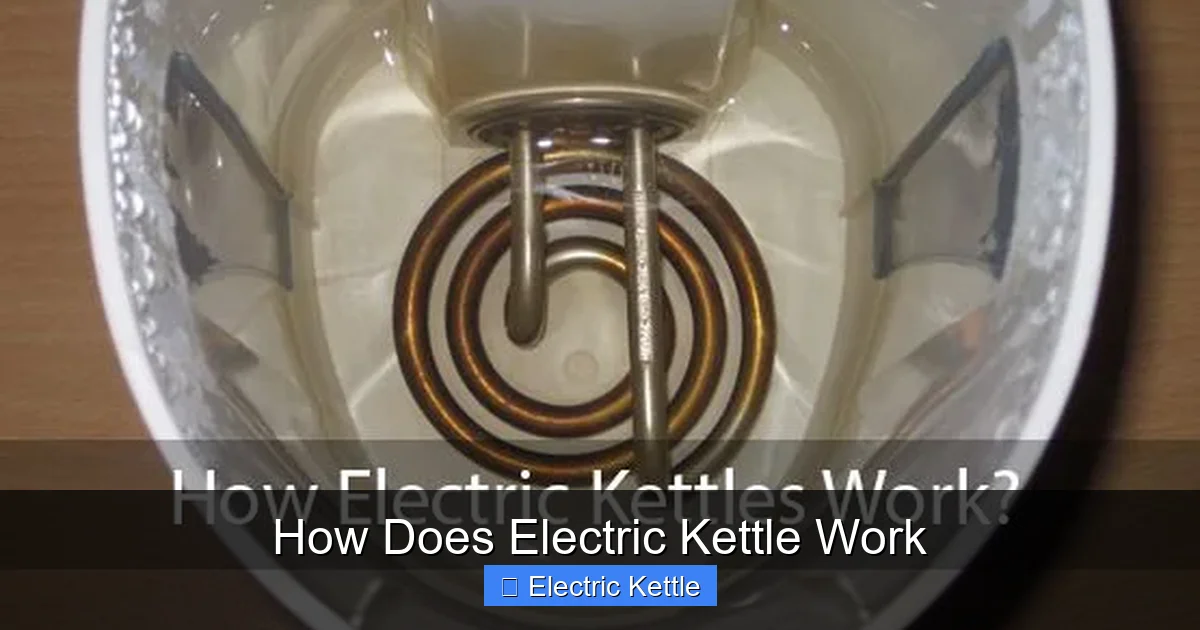
The heart of any electric kettle is the heating element. This is usually a coiled metal wire—often made of stainless steel or nichrome—that’s either exposed at the bottom of the kettle or enclosed in a sealed plate. When you plug in the kettle and turn it on, electricity flows through this coil. Because the metal resists the flow of electricity, it heats up rapidly—a process known as Joule heating.
The heat generated by the element is transferred directly to the water. In exposed-element kettles, the coil sits in direct contact with the water, allowing for fast heat transfer. In concealed-element models, the coil is hidden beneath a smooth, flat base, which makes cleaning easier and reduces the risk of mineral buildup on the element itself.
The Thermostat
Once the heating element starts working, the thermostat takes over. This small but crucial device monitors the temperature of the water. Most electric kettles are designed to shut off automatically when the water reaches 100°C (212°F)—the boiling point at sea level. The thermostat detects this temperature change and cuts off the power supply, stopping the heating process.
Some advanced kettles go a step further with variable temperature control. These models allow you to select specific temperatures—like 80°C for green tea or 90°C for French press coffee—giving you greater precision and protecting delicate beverages from scalding.
The Power Base and Cord
Electric kettles typically sit on a power base that connects to the electrical outlet. In cordless models, the base contains the electrical contacts, and the kettle itself detaches for easy pouring. This design improves safety and convenience, especially when filling or serving.
The power cord delivers electricity from the outlet to the base. Most kettles operate on standard household voltage (120V in the U.S., 230V in Europe), and their power ratings range from 1,000 to 3,000 watts. Higher wattage means faster boiling, but also higher energy consumption.
The Lid and Spout
The lid seals the kettle during heating, helping to retain heat and prevent steam from escaping too quickly. Many lids are designed with a button or flip-top mechanism for easy opening. The spout is where the hot water pours out, and it’s often shaped to control flow and reduce splashing.
Some kettles also feature a mesh filter at the spout opening. This catches limescale and other impurities, ensuring cleaner water and protecting your cup from debris.
Insulation and Exterior Materials
Modern electric kettles are built with safety and efficiency in mind. The exterior is usually made of heat-resistant plastic or stainless steel. Double-walled models offer extra insulation, keeping the outside cool to the touch while the inside boils.
This insulation not only prevents burns but also helps retain heat, so your water stays warm longer after boiling. It’s a small detail that makes a big difference in everyday use.
The Science Behind the Boiling Process
Now that we know the parts, let’s dive into the science. How does an electric kettle turn cold water into steam so quickly? It all comes down to energy conversion and heat transfer.
Electrical Energy to Thermal Energy
When you press the “on” button, electricity flows from the outlet, through the base, and into the heating element. As the current passes through the metal coil, the resistance in the wire causes it to heat up—this is known as resistive heating or Joule heating. The energy from the electricity is converted into thermal energy (heat), which is then transferred to the water.
This process is incredibly efficient. Unlike gas stoves, which lose a lot of heat to the air around the pot, electric kettles direct nearly all their energy into the water. That’s why they’re considered one of the most energy-efficient ways to boil water.
Heat Transfer and Convection
Once the heating element warms up, it begins transferring heat to the water molecules closest to it. These molecules gain energy and start moving faster. As they heat up, they rise, and cooler water from above sinks down to take their place. This creates a natural circulation pattern called convection.
Convection ensures that heat is distributed evenly throughout the kettle, so the entire volume of water heats up uniformly. Without this process, only the bottom layer would get hot, and boiling would take much longer.
Reaching the Boiling Point
Water boils when its vapor pressure equals the atmospheric pressure. At sea level, this happens at 100°C (212°F). As the water heats up, bubbles of steam begin to form at the bottom of the kettle—near the heating element. These bubbles rise to the surface, creating the familiar bubbling sound.
Once the water reaches boiling point, the thermostat detects the temperature and triggers the auto shut-off mechanism. This prevents the kettle from continuing to heat dry, which could damage the element or pose a fire risk.
The Role of Wattage
The speed at which your kettle boils water depends largely on its wattage. A 1,500-watt kettle will boil a liter of water faster than a 1,000-watt model. Higher wattage means more power is delivered to the heating element per second, resulting in faster heating.
For example, a typical 1.7-liter electric kettle with 1,500 watts might take about 4 minutes to boil. The same amount of water on a gas stove could take 6–8 minutes, depending on the flame intensity and pot efficiency.
Safety Features That Make Electric Kettles Reliable
One of the biggest advantages of electric kettles is their built-in safety systems. These features protect both the user and the appliance, making them much safer than older heating methods.
Auto Shut-Off
The most important safety feature is the automatic shut-off. Once the water reaches boiling point, the thermostat cuts off the power. This prevents overheating and reduces the risk of fire or damage to the kettle. Even if you walk away and forget about it, the kettle will turn itself off.
Some models also have a “keep warm” function that maintains the water at a safe temperature for a short period after boiling.
Boil-Dry Protection
What happens if you accidentally turn on the kettle without water? Boil-dry protection prevents disaster. This feature uses a thermal fuse or secondary thermostat to detect when the heating element is getting too hot without water to cool it. If the kettle runs dry, it automatically shuts off to prevent damage or fire.
This is especially important for older models or if the kettle is left unattended.
Cool-Touch Exterior
Many modern kettles are designed with insulated walls or double-layered exteriors. This keeps the outside surface cool, even when the water inside is boiling. You can safely pick up the kettle without burning your hands—a major advantage over stovetop kettles.
Non-Slip Base and Secure Lid
A stable base prevents the kettle from tipping over, especially when it’s full. Non-slip feet keep it firmly in place on countertops. The lid is usually designed to lock securely during operation, preventing accidental spills or steam burns.
Overheat Protection
In rare cases, the thermostat might fail. To guard against this, many kettles include a secondary thermal cutoff—a one-time fuse that melts if temperatures get dangerously high. This irreversible safety mechanism ensures the kettle won’t overheat even if the primary thermostat malfunctions.
Types of Electric Kettles and Their Uses
Not all electric kettles are created equal. Depending on your needs, you might prefer a basic model or one with advanced features. Here are the most common types and what they’re best for.
Corded vs. Cordless Kettles
Corded kettles have a fixed power cord attached to the body. They’re usually cheaper and simpler, but less convenient to pour from. Cordless kettles, on the other hand, detach from the base, making them easier to fill, pour, and store. Most modern kettles are cordless.
Stainless Steel vs. Plastic Kettles
Stainless steel kettles are durable, easy to clean, and don’t retain odors. They’re great for long-term use and often have a sleek, modern look. Plastic kettles are lighter and usually more affordable, but they can absorb smells over time and may not last as long.
Gooseneck Kettles
Gooseneck kettles have a long, narrow spout that allows for precise pouring. They’re ideal for pour-over coffee methods like Chemex or V60, where control over water flow is essential. These kettles often come with temperature control settings.
Smart Kettles
Smart kettles connect to your smartphone via Wi-Fi or Bluetooth. You can control them remotely, set timers, or choose specific temperatures for different beverages. Some even integrate with voice assistants like Alexa or Google Assistant.
Variable Temperature Kettles
These kettles let you select exact temperatures—perfect for tea lovers. Green tea brews best at 70–80°C, while black tea needs near-boiling water. With a variable temperature kettle, you can avoid over-steeping or scalding your leaves.
Travel Kettles
Compact and lightweight, travel kettles are designed for use in hotels, dorms, or RVs. They often have dual voltage settings (110V/220V) and foldable handles for easy packing.
Energy Efficiency and Environmental Impact
Electric kettles are not just convenient—they’re also environmentally friendly when used correctly.
Lower Energy Consumption
Compared to stovetops, electric kettles use less energy to boil the same amount of water. A study by the University of Cambridge found that electric kettles are up to 80% more efficient than gas stoves. This is because they transfer heat directly to the water with minimal loss.
Boil Only What You Need
One of the best ways to save energy is to boil only the amount of water you’ll use. Overfilling the kettle wastes electricity and increases boiling time. Most kettles have clear markings to help you measure the right amount.
Insulation and Heat Retention
Double-walled kettles keep water hot longer, so you don’t need to reboil it. This saves energy and time, especially if you’re making multiple cups of tea.
Eco-Friendly Materials
Many manufacturers now use recyclable materials and energy-efficient designs. Look for kettles with energy star ratings or eco-certifications to reduce your environmental footprint.
Maintenance and Care Tips
To keep your electric kettle working efficiently for years, regular maintenance is key.
Descaling Regularly
Hard water leaves behind mineral deposits (limescale) that can clog the heating element and reduce performance. Descaling once a month (or more often in hard water areas) helps maintain efficiency. Use a mixture of vinegar and water or a commercial descaling solution.
Cleaning the Exterior
Wipe down the outside with a damp cloth. Avoid submerging the base or electrical components in water. For stainless steel models, use a mild cleaner to maintain shine.
Checking the Filter
If your kettle has a spout filter, remove and clean it regularly. Rinse it under running water to remove trapped limescale or debris.
Avoiding Overfilling
Never fill the kettle above the maximum line. Overfilling can cause water to spill into the base, damaging the electrical components.
Storing Properly
When not in use, store the kettle in a dry place with the lid open to prevent odors and mildew.
Conclusion
The electric kettle is a perfect example of how simple technology can make daily life easier, safer, and more efficient. By converting electrical energy into heat through a heating element, and using a thermostat to control the process, it delivers boiling water faster than most other methods. With built-in safety features, energy-saving designs, and a variety of models to choose from, it’s no wonder this appliance has become a kitchen staple.
Whether you’re brewing tea, making coffee, or preparing instant meals, understanding how your electric kettle works helps you use it more effectively and maintain it properly. From the science of heat transfer to the importance of descaling, every detail contributes to a better experience.
So the next time you press that button and hear the gentle hum of the heating element, you’ll know exactly what’s happening inside. It’s not magic—it’s smart engineering at work, making your mornings a little brighter and your routines a lot smoother.
Frequently Asked Questions
How does an electric kettle know when to turn off?
An electric kettle uses a built-in thermostat to monitor the water temperature. When the water reaches boiling point (usually 100°C or 212°F), the thermostat detects the change and automatically cuts off the power, turning the kettle off.
Is it safe to leave an electric kettle unattended?
Yes, most modern electric kettles are designed with auto shut-off and boil-dry protection, making them safe to use unattended. However, it’s still best to stay nearby when possible, especially with older models.
Can I use an electric kettle to heat milk or other liquids?
It’s not recommended. Electric kettles are designed for water. Heating milk or sugary liquids can cause burning, clogging, or damage to the heating element. Use a saucepan instead for non-water liquids.
Why does my electric kettle take longer to boil than before?
This is often due to limescale buildup on the heating element. Hard water leaves mineral deposits that insulate the element, reducing efficiency. Regular descaling can restore performance.
Do electric kettles use a lot of electricity?
No, electric kettles are actually very energy-efficient. They use less energy than stovetops because they heat water directly with minimal heat loss. Boiling only the water you need further reduces consumption.
Can I repair my electric kettle if it stops working?
Some issues, like a faulty thermostat or power cord, may be repairable. However, due to safety concerns and the low cost of new kettles, it’s often safer and more practical to replace it rather than attempt repairs.