An electric kettle works by using an internal heating element to convert electrical energy into heat, rapidly boiling water with precision and safety. Unlike stovetop kettles, it features automatic shut-off, temperature control, and insulated designs for convenience and energy efficiency.
Key Takeaways
- Heating Element: The core component that heats water quickly using electricity, usually hidden beneath the kettle base.
- Automatic Shut-Off: Built-in thermostats detect when water reaches boiling point and turn off the kettle to prevent damage or accidents.
- Energy Efficiency: Electric kettles use less energy than stovetops because they heat water directly and lose minimal heat to the environment.
- Temperature Control: Advanced models allow you to select specific temperatures for different beverages like green tea or coffee.
- Safety Features: Include boil-dry protection, cool-touch exteriors, and secure lids to reduce burn risks and improve usability.
- Speed and Convenience: Boils water in 3–5 minutes, making it ideal for busy mornings, office use, or quick meal prep.
- Maintenance Tips: Regular descaling and cleaning extend the kettle’s life and ensure clean, great-tasting water.
📑 Table of Contents
- How Does the Electric Kettle Work: A Simple Guide to Everyday Magic
- The Core Components of an Electric Kettle
- The Science Behind the Boil: How Water Heats Up
- Safety Features That Protect You and Your Kettle
- Energy Efficiency and Environmental Impact
- Types of Electric Kettles and Their Features
- Maintenance and Care for Long-Lasting Performance
- Conclusion: Why the Electric Kettle Is a Kitchen Essential
How Does the Electric Kettle Work: A Simple Guide to Everyday Magic
Imagine this: It’s early morning, and you’re rushing to get ready. You flick a switch, pour water into a sleek appliance, press a button, and within minutes, you have piping hot water for your tea or instant oatmeal. No waiting for a pot to heat up on the stove. No watching the kettle like a hawk to prevent it from boiling dry. Just fast, reliable hot water—thanks to the humble electric kettle.
But have you ever stopped to wonder how this everyday miracle actually works? It’s not magic—though it might feel like it. It’s science, engineering, and smart design all working together. An electric kettle is one of the most efficient and user-friendly kitchen appliances out there. Whether you’re brewing coffee, making soup, or sterilizing baby bottles, understanding how your electric kettle functions can help you use it better, maintain it properly, and even choose the right model for your needs.
In this guide, we’ll break down the inner workings of an electric kettle in simple, relatable terms. You’ll learn about the heating process, safety mechanisms, energy use, and the technology that makes modern kettles so convenient. By the end, you’ll see your kettle not just as a tool, but as a clever piece of engineering that makes daily life a little easier.
The Core Components of an Electric Kettle
Visual guide about How Does the Electric Kettle Work
Image source: kimzhouse.com
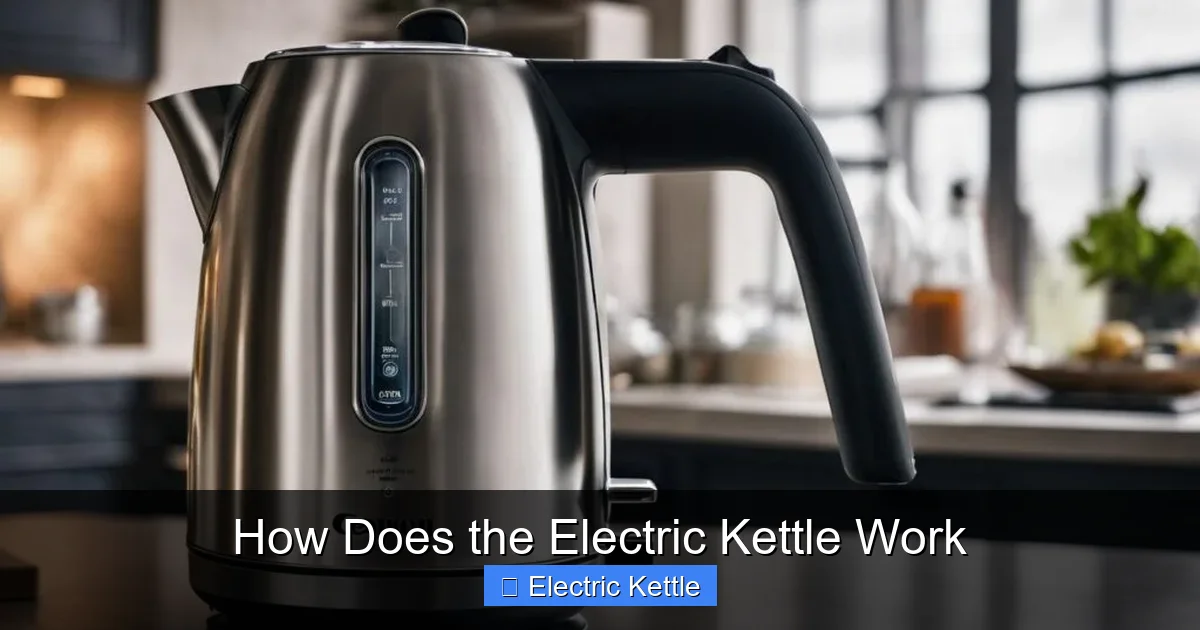
To understand how an electric kettle works, it helps to know what’s inside. While designs vary by brand and model, most electric kettles share the same essential parts. Let’s take a look at the key components that make the magic happen.
The Heating Element
At the heart of every electric kettle is the heating element. This is the part that actually heats the water. In most modern kettles, the heating element is a coiled wire made of a metal alloy—usually nichrome—that resists electricity and turns that resistance into heat.
There are two main types of heating elements:
– **Submerged (or exposed) elements:** These are visible at the bottom of the kettle and directly touch the water. They’re common in older or budget models.
– **Concealed elements:** These are sealed beneath a stainless steel or ceramic plate at the base. They’re safer, easier to clean, and more efficient.
When you plug in the kettle and turn it on, electricity flows through the heating element. Because the metal resists the current, it heats up—just like a light bulb filament glows when electricity passes through it. This heat is then transferred to the water, raising its temperature rapidly.
The Power Base and Cord
The kettle sits on a power base that connects to the electrical outlet. This base contains the electrical contacts that deliver power to the heating element when the kettle is placed on it. The cord is usually detachable for easy storage and cleaning.
Some high-end models use wireless bases with induction technology, but most rely on simple conductive contacts. The base also often includes a fuse or circuit breaker for added safety.
The Thermostat and Temperature Sensor
This is where the intelligence comes in. A thermostat monitors the water temperature and tells the kettle when to turn off. In basic models, it’s set to shut off at boiling point (100°C or 212°F). In advanced kettles, digital sensors allow you to choose exact temperatures—like 80°C for green tea or 90°C for French press coffee.
The thermostat works by detecting changes in steam or heat. When water boils, it produces steam, which triggers a bimetallic strip or electronic sensor to cut the power. This prevents overheating and saves energy.
The Lid, Spout, and Handle
These might seem like simple parts, but they’re designed with safety and usability in mind. The lid seals tightly to prevent steam burns and keep heat in. The spout is shaped for smooth pouring, often with a built-in filter to catch limescale or debris.
The handle is usually made of heat-resistant plastic or silicone, so it stays cool to the touch—even when the water inside is boiling. Some handles are ergonomically shaped for a comfortable grip, especially important when lifting a full kettle.
The Water Level Indicator
Most kettles have a transparent window or marked lines inside to show how much water is inside. This helps you avoid overfilling (which can cause spills) or underfilling (which can damage the heating element).
Some models even have minimum and maximum fill lines, so you always use the right amount of water for safe and efficient operation.
The Science Behind the Boil: How Water Heats Up
Now that we know the parts, let’s see how they work together to heat water. The process is surprisingly straightforward—but packed with smart engineering.
Step 1: Power On
When you press the “on” button, electricity flows from the outlet, through the base, and into the heating element. The element begins to heat up almost instantly.
Step 2: Heat Transfer
The hot element transfers thermal energy to the water through conduction. If the element is concealed, the metal plate at the base gets hot and warms the water from below. If it’s exposed, the coil directly heats the water.
Water molecules absorb this energy, causing them to move faster. As their kinetic energy increases, the temperature rises. This is the same principle behind boiling water on a stove—but electric kettles are more direct and efficient.
Step 3: Convection Currents
As the water at the bottom heats up, it becomes less dense and rises. Cooler water from the top sinks down to take its place. This creates natural convection currents, helping the entire volume of water heat evenly.
This circulation ensures that the water reaches a uniform temperature quickly—no hot spots or cold zones.
Step 4: Boiling and Steam Detection
When the water reaches 100°C (at sea level), it begins to boil. Bubbles form and rise, turning into steam. This steam rises and hits the thermostat or sensor located near the spout or lid.
The sensor detects the sudden increase in temperature or the presence of steam and sends a signal to cut off the power. The heating element stops, and the kettle turns off automatically.
Why It’s Faster Than a Stovetop
Electric kettles boil water faster than stovetops for several reasons:
– They transfer heat directly to the water with minimal loss.
– They’re designed to maximize contact between the heating element and water.
– They’re well-insulated, so less heat escapes into the air.
On average, an electric kettle can boil 1 liter of water in 3 to 5 minutes, while a stovetop may take 7 to 10 minutes—depending on the burner and pot.
Safety Features That Protect You and Your Kettle
Safety is a top priority in electric kettle design. These appliances are used daily in homes, offices, and dorm rooms—so manufacturers include multiple safeguards to prevent accidents.
Automatic Shut-Off
This is the most important safety feature. Once the water reaches boiling point, the kettle turns itself off. This prevents overheating, reduces fire risk, and saves energy.
Without this feature, a kettle could keep heating dry, potentially damaging the element or causing a fire. Modern kettles also have a “boil-dry” protection system that shuts off the power if there’s no water inside.
Cool-Touch Exterior
Even though the water inside is boiling, the outside of the kettle stays relatively cool. This is thanks to insulated walls and heat-resistant materials.
You can safely touch the handle or body without getting burned—a big plus if you have kids or pets around.
Secure Lid and Anti-Spill Design
The lid locks tightly to prevent hot water from splashing out during boiling. Some models have a push-button release or flip-top design for easy opening.
The spout is also designed to pour smoothly, reducing drips and spills. A built-in mesh filter catches limescale and debris, so your tea stays clean.
Overheat and Overcurrent Protection
Advanced kettles include circuit breakers or thermal fuses that cut power if the temperature gets too high or if there’s an electrical surge.
This protects both the appliance and your home’s wiring. It’s especially important in older homes or areas with unstable power.
Stable Base and Non-Slip Feet
The kettle sits securely on its base, with non-slip rubber feet to prevent it from sliding. This reduces the risk of tipping over and spilling hot water.
Energy Efficiency and Environmental Impact
One of the biggest advantages of electric kettles is their energy efficiency. They use electricity more effectively than stovetops, especially gas burners.
How Much Energy Do They Use?
Most electric kettles operate at 1500 to 3000 watts. A typical 1500-watt kettle uses about 0.15 kWh to boil 1 liter of water. That’s roughly 5–10 cents per use, depending on your electricity rate.
Compare that to a gas stove, which can waste up to 60% of its energy heating the air around the pot. Electric kettles direct nearly all their energy into the water.
Tips to Save Even More Energy
– **Only boil what you need.** Filling the kettle to the top when you only need one cup wastes energy.
– **Use the right temperature.** Boiling water to 100°C for green tea is unnecessary—use a temperature-controlled kettle to heat it to 80°C instead.
– **Descale regularly.** Limescale buildup insulates the heating element, making it work harder and use more energy.
– **Unplug when not in use.** Even when off, some kettles draw a small amount of standby power.
Environmental Benefits
Because electric kettles are efficient, they reduce overall energy consumption. If you’re using renewable electricity (like solar or wind), your carbon footprint drops even further.
Plus, many modern kettles are made from recyclable materials like stainless steel and BPA-free plastic, reducing waste.
Types of Electric Kettles and Their Features
Not all electric kettles are the same. Depending on your needs, you can choose from several types, each with unique features.
Standard Electric Kettles
These are the most common. They have a concealed heating element, auto shut-off, and a simple on/off switch. Great for basic boiling tasks like making tea or instant noodles.
Temperature-Controlled Kettles
Ideal for tea and coffee lovers. These let you select precise temperatures—perfect for delicate green teas or French press coffee. Some even have preset buttons for different beverages.
Gooseneck Kettles
Designed for pour-over coffee, these have a long, thin spout for precise pouring. Often used by baristas and coffee enthusiasts.
Glass Kettles
Made with heat-resistant glass, these let you watch the water boil. They’re stylish and easy to clean, but can be fragile.
Stainless Steel Kettles
Durable, rust-resistant, and great at retaining heat. Often used in commercial settings or for heavy daily use.
Smart Kettles
The high-tech option. These connect to Wi-Fi or apps, allowing you to control temperature, set timers, or even start boiling from your phone. Some can sync with smart home systems.
Maintenance and Care for Long-Lasting Performance
To keep your electric kettle working well for years, a little maintenance goes a long way.
Descaling: The Most Important Task
Limescale builds up over time, especially in hard water areas. It’s a white, chalky deposit that coats the heating element and reduces efficiency.
To descale:
1. Fill the kettle halfway with equal parts water and white vinegar.
2. Boil, then let it sit for 30–60 minutes.
3. Rinse thoroughly and boil fresh water once or twice to remove any vinegar taste.
Do this every 1–2 months, or as needed.
Cleaning the Exterior and Interior
Wipe the outside with a damp cloth. Avoid abrasive cleaners that can scratch the surface.
For the inside, use a soft brush or sponge with mild soap. Never submerge the kettle in water—only the removable parts (like the filter) should be washed separately.
Checking the Filter
The spout filter catches limescale and debris. Remove it regularly and rinse under running water. If it’s clogged, soaking it in vinegar can help.
Storing Properly
When not in use, store the kettle in a dry place with the lid open to prevent odors. Keep the cord wrapped neatly to avoid tangling.
Conclusion: Why the Electric Kettle Is a Kitchen Essential
The electric kettle is more than just a convenient appliance—it’s a marvel of everyday engineering. From the moment you press the button to the satisfying click of the auto shut-off, every part works in harmony to deliver hot water quickly, safely, and efficiently.
Understanding how it works helps you appreciate its design, use it wisely, and maintain it properly. Whether you’re brewing a morning cup of tea, preparing baby formula, or making instant soup, your electric kettle is there—reliable, fast, and smart.
So next time you hear that familiar boil, take a moment to appreciate the science behind it. It’s not just hot water—it’s innovation at your fingertips.
Frequently Asked Questions
How fast does an electric kettle boil water?
Most electric kettles boil 1 liter of water in 3 to 5 minutes, depending on the model and power. This is significantly faster than stovetop kettles, which can take 7 to 10 minutes.
Is it safe to leave an electric kettle unattended?
Yes, as long as it has automatic shut-off and boil-dry protection. These safety features turn the kettle off when water reaches boiling point or if it’s empty, reducing the risk of accidents.
Can I boil water in an electric kettle more than once?
Yes, you can reheat water multiple times. However, repeated boiling can concentrate minerals and affect taste. For best results, use fresh water each time.
Why does my electric kettle make a clicking noise?
The clicking sound is normal and comes from the thermostat or heating element adjusting as it heats. It’s part of the automatic shut-off mechanism and not a cause for concern.
How often should I descale my electric kettle?
Descale every 1–2 months if you live in a hard water area, or less often if your water is soft. Regular descaling improves performance and extends the kettle’s lifespan.
Can I use an electric kettle to heat milk or soup?
It’s not recommended. Milk can scorch and stick to the heating element, while soup may leave residue that’s hard to clean. Electric kettles are designed for water only.