Understanding how an electric kettle switch works reveals the clever engineering behind your morning cup of tea. From automatic shut-off to thermal sensors, this guide breaks down every component and function in simple terms.
Have you ever paused mid-pour, kettle in hand, and wondered, “How does this thing know when to turn off?” You’re not alone. The electric kettle switch is one of those everyday marvels we rarely think about—until it stops working. Whether you’re brewing tea, making instant coffee, or preparing oatmeal, that little switch plays a crucial role in delivering hot water safely and efficiently. It’s not just a button you press; it’s the brain behind the operation, coordinating power, heat, and safety in a compact, user-friendly package.
At first glance, an electric kettle seems simple: fill it with water, plug it in, press a button, and wait. But beneath that sleek exterior lies a carefully engineered system designed to heat water quickly while minimizing risk. The switch is central to this process. It doesn’t just turn the kettle on—it manages the entire heating cycle, from activation to automatic shut-off. And it does all this without requiring constant supervision. That’s the beauty of modern electric kettles: they combine convenience with intelligent design. In this article, we’ll dive deep into how the electric kettle switch works, exploring the components, mechanisms, and safety features that make your daily hot water routine possible.
Key Takeaways
- Automatic shut-off mechanism: Most electric kettles use a bimetallic strip or thermostat to cut power once water reaches boiling point, preventing dry boiling.
- Thermal fuse as a safety backup: A one-time-use thermal fuse acts as a fail-safe if the primary switch fails, protecting against overheating.
- Switch types vary by design: Electric kettles use either mechanical switches (lever or push-button) or electronic touch controls, each with distinct operation methods.
- Power flow control: The switch completes the electrical circuit, allowing current to flow through the heating element only when activated.
- Indicator lights signal status: LED lights often show when the kettle is on or heating, providing visual feedback to users.
- Regular maintenance extends switch life: Cleaning mineral deposits and avoiding forced shutdowns helps preserve switch functionality.
- Understanding your kettle’s switch improves safety: Knowing how it works helps identify faults early and prevents accidents.
📑 Table of Contents
What Is an Electric Kettle Switch?
The electric kettle switch is the control interface that allows users to start and stop the heating process. While it may appear as a simple button or lever, it’s actually part of a larger electrical and thermal system. Its primary job is to complete the circuit that powers the heating element, but it also works in tandem with sensors and safety devices to ensure safe operation.
Most electric kettles feature a switch located on the handle or base. When you press it, you’re not just flipping a mechanical toggle—you’re initiating a sequence of events. The switch sends a signal (either mechanically or electronically) that allows electricity to flow from the power source to the heating coil. Once the water reaches the desired temperature—usually around 100°C (212°F)—the switch disengages, cutting off power automatically. This prevents the kettle from boiling dry, which could damage the unit or pose a fire hazard.
There are two main types of switches used in electric kettles: mechanical and electronic. Mechanical switches are the most common and rely on physical movement—like a spring-loaded button—to open or close the circuit. These are durable, reliable, and easy to use. Electronic switches, often found in premium models, use touch sensors or capacitive controls. They offer a sleek, modern look and can include features like variable temperature settings or programmable timers.
Regardless of the type, the switch must meet strict safety standards. It needs to withstand repeated use, resist moisture, and operate reliably under high temperatures. That’s why manufacturers use materials like heat-resistant plastics, stainless steel contacts, and sealed components. The switch is also designed to “fail safe”—meaning if something goes wrong, it defaults to the off position to prevent accidents.
In short, the electric kettle switch is more than just an on/off button. It’s a critical component that ensures your kettle heats water efficiently, safely, and with minimal user input. Understanding how it works helps you appreciate the engineering behind this everyday appliance—and makes you a smarter consumer when it’s time to buy a new one.
How the Switch Controls Power Flow
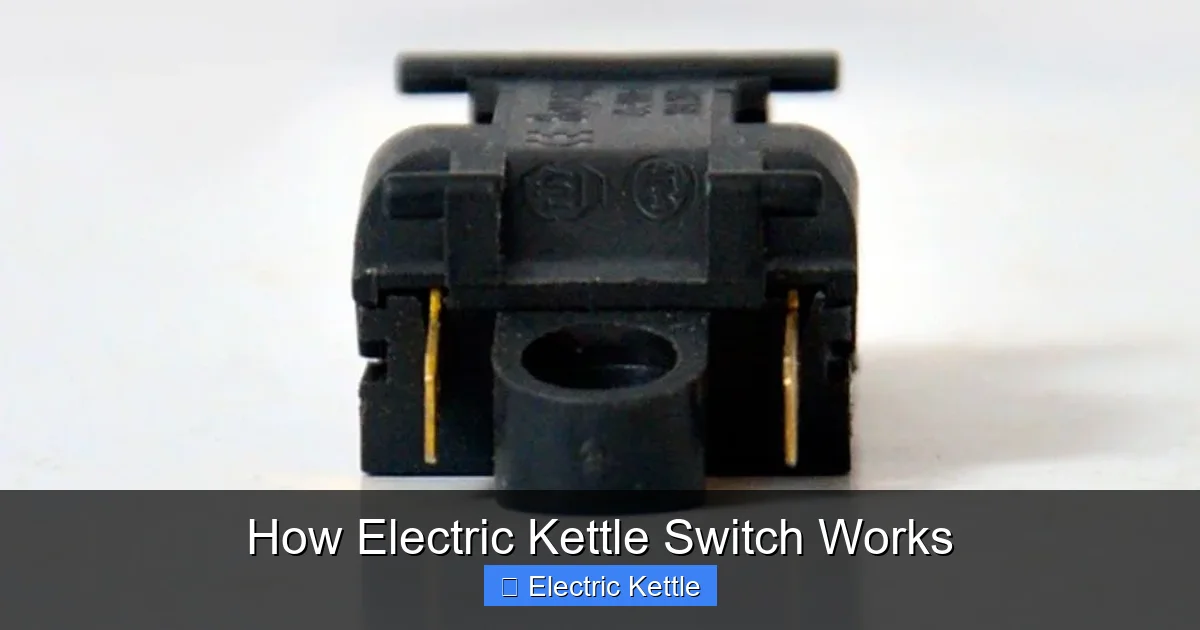
Visual guide about How Electric Kettle Switch Works
Image source: shop.testerelectricalservice.com
When you press the switch on your electric kettle, you’re doing more than just turning it on—you’re completing an electrical circuit. This simple action allows electricity to flow from the wall outlet, through the kettle’s cord, and into the heating element. The switch acts as the gatekeeper, controlling when and how power is delivered.
Inside the switch mechanism, there are typically two metal contacts. When the switch is off, these contacts are separated, breaking the circuit and stopping the flow of electricity. When you press the button, the contacts come together, closing the circuit and allowing current to pass. This current travels to the heating element—usually a coiled wire made of nickel-chromium alloy—which resists the flow of electricity and generates heat as a result.
The amount of power delivered depends on the kettle’s wattage, which typically ranges from 1,200 to 3,000 watts. Higher wattage means faster boiling, but it also requires a robust switch that can handle the electrical load. That’s why kettle switches are built with durable materials and precision engineering. They must carry high currents without overheating or welding the contacts shut—a dangerous condition that could lead to continuous heating.
Once the water begins to boil, steam is produced. This steam rises and comes into contact with a thermal sensor located near the top of the kettle. The sensor detects the temperature and signals the switch to open the circuit, stopping the flow of electricity. This is where the magic happens: the switch doesn’t just respond to your input—it responds to the environment inside the kettle.
Some advanced models use electronic switches with microprocessors. These can monitor temperature more precisely and even allow you to select specific heat settings for different beverages. For example, green tea might require water at 80°C, while coffee needs near-boiling water. The electronic switch adjusts the heating time accordingly, giving you more control over your brew.
It’s also worth noting that the switch works in harmony with other components. The power cord, internal wiring, and heating element all depend on the switch to function correctly. If the switch fails, the entire heating process stops—even if everything else is working. That’s why a malfunctioning switch is one of the most common reasons electric kettles stop working.
In essence, the switch is the conductor of the electrical orchestra inside your kettle. It directs power where it’s needed, stops it when it’s not, and ensures everything runs smoothly. Without it, your kettle would be little more than a fancy water container.
The Role of Thermal Sensors and Automatic Shut-Off
One of the most important features of an electric kettle is its ability to turn itself off automatically. This isn’t just convenient—it’s essential for safety. The mechanism behind this is the thermal sensor, often paired with a bimetallic strip or thermostat, which works closely with the switch to monitor temperature and cut power when needed.
The bimetallic strip is a thin piece of metal made by bonding two different metals together—usually steel and copper. These metals expand at different rates when heated. As the temperature rises, one side expands more than the other, causing the strip to bend. When the water reaches boiling point, the steam heats the strip, which bends enough to physically disconnect the switch contacts. This breaks the circuit and stops the heating element from drawing power.
This process happens in seconds. Once the switch opens, the kettle stops heating, and the water begins to cool. The bimetallic strip slowly returns to its original shape, but the switch remains open until you manually reset it. This ensures the kettle doesn’t restart on its own, which could be dangerous if the water has evaporated.
In some models, especially higher-end ones, a thermostat replaces the bimetallic strip. A thermostat is a more precise device that can be calibrated to specific temperatures. It uses a sealed chamber filled with gas or liquid that expands when heated, triggering a switch. This allows for more accurate temperature control and is often used in kettles with variable heat settings.
The automatic shut-off feature is a lifesaver. Imagine leaving the kitchen while your kettle is boiling. Without this function, the water could boil away, leaving the heating element exposed. This could cause overheating, damage the kettle, or even start a fire. The thermal sensor prevents this by detecting when the water has boiled and shutting off the power.
But what if the primary sensor fails? That’s where the thermal fuse comes in. This is a one-time-use safety device that acts as a backup. If the temperature rises above a certain threshold—say, 120°C—the fuse melts, permanently breaking the circuit. Unlike the bimetallic strip, the thermal fuse cannot be reset. Once it blows, the kettle must be repaired or replaced. While inconvenient, this ensures that even in the worst-case scenario, the kettle won’t overheat dangerously.
Understanding how these components work together gives you peace of mind. You can trust that your kettle will turn off when it should, even if you get distracted. It’s a small but powerful example of how engineering keeps everyday life safe and convenient.
Types of Electric Kettle Switches
Not all electric kettle switches are created equal. Depending on the model and brand, you’ll find different types of switches, each with its own advantages and quirks. The two main categories are mechanical switches and electronic switches, but within those, there are several variations.
Mechanical switches are the most common. They’re simple, reliable, and easy to use. You press a button or flip a lever, and the kettle turns on. These switches use physical movement to open or close the electrical circuit. They’re often spring-loaded, so the button pops back up when you release it. This gives you tactile feedback and makes it clear when the kettle is on.
One popular type of mechanical switch is the push-button switch. Found on many modern kettles, it’s usually located on the handle. When you press it, it stays down until the water boils, then pops back up automatically. This dual action—manual press to start, automatic release to stop—is both intuitive and safe. It ensures the kettle doesn’t stay on indefinitely.
Another mechanical option is the toggle switch, which flips up and down like a light switch. These are less common today but can still be found on older or budget models. They’re straightforward but don’t offer the same level of integration with automatic shut-off systems.
Electronic switches, on the other hand, are found in premium kettles. Instead of physical buttons, they use touch sensors or capacitive controls. You simply touch a spot on the handle or base, and the kettle responds. These switches often include LED indicators, digital displays, and programmable settings. For example, you might be able to select “green tea” mode, which heats water to 80°C and holds it there.
Electronic switches rely on microprocessors to manage the heating process. They can monitor temperature in real time, adjust power output, and even remember your preferences. Some models connect to smartphone apps, allowing you to start boiling water remotely. While these features are impressive, they also make the kettle more complex and potentially more prone to electronic failure.
There’s also a hybrid approach: some kettles use a mechanical switch for basic on/off control but include electronic components for temperature regulation. This combines the reliability of mechanical parts with the precision of digital technology.
When choosing a kettle, consider your needs. If you want simplicity and durability, a mechanical switch is a great choice. If you’re a tea connoisseur or love smart home gadgets, an electronic switch might be worth the investment. Either way, understanding the type of switch helps you make an informed decision.
Safety Features and Maintenance Tips
Safety is paramount when it comes to electric kettles, and the switch plays a key role in protecting users. But it’s not the only line of defense. Modern kettles include multiple safety features designed to prevent accidents, and proper maintenance ensures they continue to work as intended.
One of the most important safety features is the automatic shut-off, which we’ve already discussed. But there’s more. Many kettles also have boil-dry protection. This means if you accidentally turn on the kettle without water, the heating element won’t activate—or it will shut off immediately if it detects no water. This prevents damage and reduces fire risk.
Another feature is the thermal fuse, which acts as a last-resort safety net. If the primary switch and sensor fail, the fuse will blow when temperatures get too high, cutting power permanently. While this means the kettle is unusable afterward, it’s better than the alternative.
The switch itself is also designed with safety in mind. It’s usually sealed to prevent water ingress, which could cause short circuits. The materials used are heat-resistant and non-conductive, reducing the risk of electric shock. Some models even have child-safe locks or require a double press to activate, preventing accidental use.
To keep your kettle—and its switch—working safely, regular maintenance is essential. Mineral buildup from hard water can interfere with the switch and heating element. Over time, limescale can insulate the heating coil, making it less efficient and causing it to overheat. To prevent this, descale your kettle every few months using vinegar or a commercial descaling solution.
Also, avoid forcing the switch. If the button feels stuck, don’t press it harder. This could damage the internal mechanism. Instead, check for debris or mineral deposits and clean gently. If the switch is unresponsive, it may need professional repair or replacement.
Finally, always unplug the kettle when not in use. This reduces wear on the switch and eliminates the risk of electrical faults. And never immerse the base or switch in water—only the kettle itself should be washed.
By understanding and respecting these safety features, you can enjoy your electric kettle for years to come.
Conclusion
The electric kettle switch is a small but mighty component that makes your daily hot water routine possible. From controlling power flow to enabling automatic shut-off, it’s the heart of the kettle’s operation. Whether mechanical or electronic, this switch ensures your water heats quickly, safely, and efficiently.
Understanding how it works not only satisfies curiosity but also helps you use your kettle more effectively. You’ll know what to look for when buying a new one, how to maintain it, and when it might be time for a replacement. And most importantly, you’ll appreciate the thoughtful engineering that goes into something as simple as boiling water.
So next time you press that button, take a moment to appreciate the clever design behind it. Your morning tea—and your safety—depend on it.
Frequently Asked Questions
How does an electric kettle know when to turn off?
An electric kettle uses a thermal sensor, often a bimetallic strip or thermostat, to detect when water reaches boiling point. When steam heats the sensor, it triggers the switch to open the circuit, cutting power to the heating element.
Can an electric kettle work without water?
Most modern kettles have boil-dry protection that prevents the heating element from activating if there’s no water. If water evaporates during boiling, the automatic shut-off will stop the kettle to prevent damage.
Why won’t my electric kettle switch turn on?
Common causes include a tripped thermal fuse, mineral buildup, or a faulty switch. Check if the kettle is plugged in and try descaling. If the problem persists, the switch or internal wiring may need repair.
Is it safe to leave an electric kettle plugged in?
Yes, as long as it’s not turned on. However, unplugging it when not in use reduces wear on the switch and eliminates any risk of electrical faults.
How often should I clean my electric kettle switch?
Clean the exterior switch gently with a damp cloth regularly. For internal maintenance, descale the kettle every 1–3 months, depending on water hardness, to prevent buildup that could affect the switch.
Can I replace a broken electric kettle switch myself?
It’s possible but not recommended unless you have electrical repair experience. Kettles involve high voltage and water, so improper handling can be dangerous. Consult a professional or consider replacing the entire unit.