Wondering how long water stays hot in an electric kettle? Most kettles keep water hot for 15 to 30 minutes after boiling, depending on insulation, material, and room temperature. With the right kettle and a few smart habits, you can extend that warmth and enjoy hot drinks whenever you want.
Key Takeaways
- Typical heat retention time: Water in most standard electric kettles stays hot for 15 to 30 minutes after boiling.
- Insulation matters: Kettles with double-wall or vacuum insulation retain heat significantly longer than single-wall models.
- Material impacts performance: Stainless steel and glass kettles generally hold heat better than plastic ones.
- Room temperature and environment: Cooler rooms and drafts cause faster heat loss, reducing how long water stays hot.
- Lid sealing is crucial: A tight-fitting lid prevents steam escape and helps maintain water temperature.
- Reboiling vs. keeping hot: Reboiling water uses more energy than keeping it warm in an insulated kettle.
- Smart features help: Kettles with keep-warm functions can maintain heat for hours, ideal for frequent use.
📑 Table of Contents
- How Long Does Water Stay Hot in Electric Kettle?
- Factors That Affect How Long Water Stays Hot
- How Different Kettle Types Compare
- Tips to Keep Water Hot Longer
- Energy Efficiency and Environmental Impact
- Common Myths About Electric Kettle Heat Retention
- Conclusion: Making the Most of Your Electric Kettle
How Long Does Water Stay Hot in Electric Kettle?
If you’ve ever boiled water in an electric kettle only to come back 20 minutes later and find it lukewarm, you’re not alone. Many people assume that once water reaches boiling point, it will stay hot for a long time. But the truth is, electric kettles aren’t designed to be thermoses. They heat water quickly, but they don’t always keep it hot for long.
So, how long does water stay hot in an electric kettle? On average, water in a standard electric kettle stays hot—meaning above 140°F (60°C)—for about 15 to 30 minutes after boiling. This timeframe can vary based on several factors, including the kettle’s design, material, insulation, and even the room temperature. Some high-end models with advanced insulation or keep-warm features can maintain heat for much longer, sometimes up to several hours.
Understanding how long your kettle keeps water hot can help you plan your tea time, coffee breaks, or cooking routines more efficiently. Whether you’re a morning coffee enthusiast or someone who likes multiple cups of herbal tea throughout the day, knowing your kettle’s heat retention capabilities can make a big difference in convenience and energy use.
Factors That Affect How Long Water Stays Hot
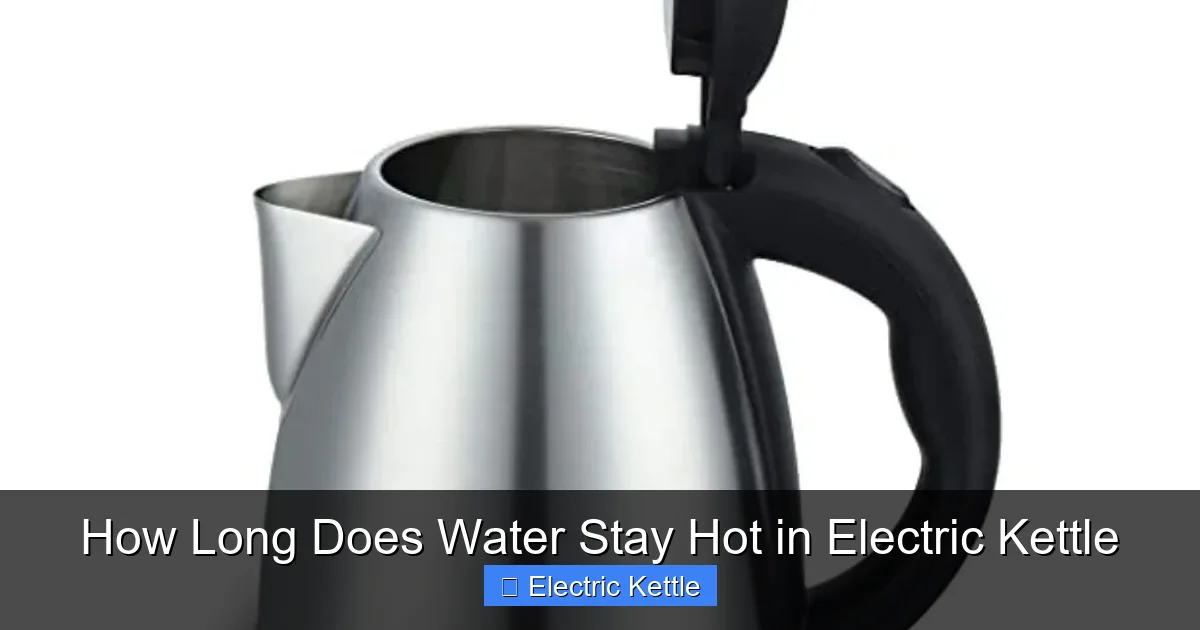
Visual guide about How Long Does Water Stay Hot in Electric Kettle
Image source: 5.imimg.com
Several key factors influence how long water remains hot in an electric kettle. While all kettles boil water quickly, their ability to retain that heat varies widely. Let’s break down the most important elements that determine how long your water stays hot.
1. Kettle Material
The material your electric kettle is made from plays a big role in heat retention. Different materials conduct and retain heat in different ways.
– Stainless steel: These kettles are excellent at holding heat. Stainless steel is a poor conductor of heat, which means it doesn’t lose warmth quickly. Many high-end models use double-walled stainless steel, which traps heat between two layers, significantly extending how long water stays hot.
– Glass: Glass kettles are stylish and allow you to see the water boiling, but they tend to lose heat faster than metal ones. However, some glass kettles come with insulated sleeves or lids that help slow down cooling.
– Plastic: Plastic kettles are lightweight and affordable, but they’re the worst at retaining heat. They conduct heat poorly and often have thin walls, leading to rapid cooling. Plus, plastic can absorb odors over time, which might affect the taste of your water.
For example, if you boil water in a stainless steel kettle and leave it uncovered, it might stay hot for 30 minutes. The same water in a plastic kettle might drop below 140°F in just 15 minutes.
2. Insulation and Design
Insulation is one of the biggest game-changers when it comes to heat retention. Kettles with double-wall or vacuum insulation are designed to minimize heat loss.
– Double-wall kettles: These have two layers of material with air or vacuum in between. This design acts like a thermos, slowing down heat transfer to the outside environment. Some premium models can keep water hot for over an hour.
– Single-wall kettles: Most basic electric kettles are single-wall, meaning they have only one layer. These lose heat quickly, especially if the lid isn’t sealed tightly.
For instance, a double-wall stainless steel kettle might keep water at 160°F (71°C) for 45 minutes, while a single-wall plastic kettle might drop to 120°F (49°C) in half that time.
3. Lid Seal and Closure
A tight-fitting lid is essential for keeping water hot. When the lid is loose or doesn’t seal properly, steam escapes, taking heat with it. This not only cools the water faster but also wastes energy.
Look for kettles with silicone gaskets or rubber seals around the lid. These create an airtight closure that traps heat and steam inside. Some kettles even have locking lids that prevent accidental opening.
For example, if you leave the lid slightly ajar, your water might cool down in 10 minutes. But with a properly sealed lid, it could stay hot for 30 minutes or more.
4. Room Temperature and Environment
The environment around your kettle also affects how long water stays hot. If you’re in a cold room, near a drafty window, or in an unheated kitchen, your kettle will lose heat faster.
– Cold rooms: In a chilly kitchen (below 60°F or 15°C), heat escapes more quickly from the kettle’s surface.
– Drafts and air movement: Fans, open windows, or air conditioning can accelerate cooling by increasing convective heat loss.
– Surface placement: Placing your kettle on a cold countertop or metal surface can draw heat away faster than placing it on a wooden or insulated mat.
To test this, try boiling water in your kettle on a warm, still day versus a cold, windy day. You’ll likely notice a difference in how long the water stays hot.
5. Water Volume
The amount of water you boil also impacts heat retention. Larger volumes of water take longer to cool because they have more thermal mass.
– Full kettle: A full kettle (say, 1.7 liters) will stay hot longer than a half-full one. The greater volume means more heat is stored, and the surface area-to-volume ratio is smaller, reducing heat loss.
– Small amounts: Boiling just one cup of water means less thermal mass and more surface exposure, so it cools faster.
For example, a full kettle might keep water hot for 30 minutes, while a quarter-full kettle might drop in temperature within 10–15 minutes.
How Different Kettle Types Compare
Not all electric kettles are created equal when it comes to keeping water hot. Let’s compare the most common types and see how they stack up.
Standard Electric Kettles
These are the most common kettles found in homes. They’re usually made of plastic, stainless steel, or glass and have basic heating elements.
– Heat retention: 15–25 minutes
– Best for: Occasional use, quick boiling
– Example: A typical 1.5L plastic kettle might keep water hot for about 18 minutes.
These kettles are great for speed but not for long-term heat retention. If you need hot water frequently, you might find yourself reboiling often.
Insulated or Double-Wall Kettles
These kettles are designed with heat retention in mind. They often feature vacuum insulation similar to a thermos.
– Heat retention: 45 minutes to 2 hours
– Best for: Frequent use, tea lovers, offices
– Example: A double-wall stainless steel kettle might keep water above 150°F (65°C) for over an hour.
These are ideal if you want hot water available without constant reboiling. They’re more expensive but save energy and time in the long run.
Kettles with Keep-Warm Function
Some advanced electric kettles come with a keep-warm feature. After boiling, they maintain the water at a set temperature (usually around 160–185°F or 71–85°C) for a set period.
– Heat retention: 1–4 hours (depending on model)
– Best for: Households with multiple drinkers, busy mornings
– Example: A kettle with a 2-hour keep-warm function can keep water hot for making tea, coffee, or instant oatmeal without reheating.
These kettles use a small amount of electricity to maintain temperature, but they’re much more efficient than reboiling water multiple times.
Travel or Portable Kettles
Small, portable kettles are designed for travel or small spaces. They’re usually made of plastic or thin stainless steel.
– Heat retention: 10–15 minutes
– Best for: Camping, dorm rooms, offices
– Example: A 0.5L travel kettle might keep water hot for just 12 minutes.
These are convenient but not built for long heat retention. Use them for quick drinks, not extended warmth.
Tips to Keep Water Hot Longer
If you want to maximize how long water stays hot in your electric kettle, here are some practical tips you can start using today.
1. Use a Lid That Seals Tightly
Always make sure the lid is fully closed and sealed. Even a small gap can let heat escape. If your kettle has a locking mechanism, use it. Some models even have indicators that show when the lid is properly sealed.
2. Choose the Right Kettle for Your Needs
If you frequently need hot water, invest in a double-wall or keep-warm kettle. While they cost more upfront, they save time and energy over time. Look for models with good insulation ratings and positive user reviews about heat retention.
3. Preheat the Kettle (Optional)
Some experts recommend preheating the kettle with a small amount of hot water before adding the full amount. This reduces the initial temperature drop when cold water is added. While this won’t drastically extend heat retention, it can help maintain a higher starting temperature.
4. Minimize Opening the Lid
Every time you open the lid, heat escapes. Try to avoid checking the water temperature repeatedly. If you’re waiting for it to cool slightly for tea, use a thermometer instead of opening the lid.
5. Place the Kettle on an Insulated Surface
Avoid placing your kettle directly on cold surfaces like marble or metal. Use a wooden trivet, silicone mat, or cork board to reduce conductive heat loss.
6. Use a Kettle Cover or Insulating Jacket
Some kettles come with removable insulating sleeves, or you can buy aftermarket ones. These wraps fit around the kettle and trap heat, similar to a thermos cover. They’re especially useful in cold environments.
7. Boil Only What You Need
While larger volumes stay hot longer, boiling excess water wastes energy. Try to boil only the amount you’ll use within a reasonable time. If you need more later, you can always reheat.
8. Turn Off the Kettle When Not in Use
Even kettles with keep-warm functions consume electricity. If you don’t need hot water for a while, turn it off to save energy. Most keep-warm kettles allow you to reactivate the function with a button press.
Energy Efficiency and Environmental Impact
Understanding how long water stays hot in an electric kettle isn’t just about convenience—it’s also about energy use and environmental impact.
Reboiling vs. Keeping Warm
Reboiling water multiple times uses more energy than keeping it warm in an insulated kettle. Each time you reheat, the kettle must draw full power to bring the water back to boiling point.
For example, if you boil water, let it cool, and reheat it three times a day, you’re using significantly more electricity than if you used a keep-warm kettle once.
Energy-Saving Tips
– Use a kettle with a keep-warm function instead of reboiling.
– Choose a model with automatic shut-off to prevent overheating.
– Boil only the water you need to reduce energy waste.
– Unplug the kettle when not in use to avoid standby power consumption.
According to energy experts, using an efficient electric kettle can reduce household energy use by up to 30% compared to stovetop boiling or frequent reboiling.
Environmental Benefits
Electric kettles are generally more energy-efficient than gas stoves or microwaves for heating water. When used wisely—by minimizing reboiling and choosing efficient models—they have a lower carbon footprint.
Additionally, longer heat retention means fewer boil cycles, which reduces wear and tear on the appliance and extends its lifespan.
Common Myths About Electric Kettle Heat Retention
There are several misconceptions about how electric kettles work and how long they keep water hot. Let’s clear up some of the most common myths.
Myth 1: All Kettles Keep Water Hot for Hours
Fact: Only kettles with advanced insulation or keep-warm functions can maintain heat for hours. Most standard kettles lose heat within 30 minutes.
Myth 2: Plastic Kettles Are Just as Good as Stainless Steel
Fact: Plastic kettles heat water quickly but lose it just as fast. Stainless steel, especially double-wall, is far superior for heat retention.
Myth 3: Leaving the Kettle Plugged In Keeps Water Hot
Fact: Unless the kettle has a keep-warm feature, it won’t reheat the water once it cools. Most kettles only heat when the boil cycle is active.
Myth 4: Boiling Water Multiple Times Is Harmful
Fact: Reboiling water is safe. It doesn’t make the water toxic or harmful, though it may concentrate minerals slightly. The real issue is energy waste, not health risks.
Myth 5: All Kettles Cool at the Same Rate
Fact: Cooling rates vary widely based on material, insulation, lid seal, and environment. A well-insulated kettle can stay hot twice as long as a basic model.
Conclusion: Making the Most of Your Electric Kettle
So, how long does water stay hot in an electric kettle? The answer depends on your kettle’s design, material, and how you use it. On average, expect 15 to 30 minutes of usable heat in a standard model, but with the right features and habits, you can extend that significantly.
If you’re someone who enjoys multiple hot drinks throughout the day, investing in a double-wall or keep-warm kettle is worth it. These models not only keep water hot longer but also save energy and reduce the need for constant reboiling.
Simple habits—like sealing the lid, using an insulated surface, and avoiding unnecessary openings—can also make a big difference. And choosing the right kettle for your lifestyle ensures you get the best performance and efficiency.
Ultimately, understanding your kettle’s heat retention capabilities helps you enjoy hot water when you need it, without wasting time or energy. Whether you’re brewing tea, making coffee, or preparing instant meals, a little knowledge goes a long way in making your daily routine smoother and more enjoyable.
Frequently Asked Questions
How long does water stay hot in an electric kettle after boiling?
Most standard electric kettles keep water hot for 15 to 30 minutes after boiling. This depends on the kettle’s material, insulation, and whether the lid is sealed.
Can I keep water hot in an electric kettle for hours?
Only kettles with a keep-warm function or vacuum insulation can maintain heat for hours. Standard kettles are not designed for long-term heat retention.
Does the material of the kettle affect how long water stays hot?
Yes. Stainless steel and double-wall kettles retain heat much better than plastic or single-wall models. Glass kettles fall somewhere in between.
Should I reboil water or use a keep-warm kettle?
Using a keep-warm kettle is more energy-efficient than reboiling water multiple times. It saves electricity and keeps water ready when you need it.
How can I make my kettle keep water hot longer?
Use a tight-fitting lid, place the kettle on an insulated surface, avoid opening it frequently, and consider using an insulating sleeve or jacket.
Is it safe to leave water in an electric kettle for a long time?
Yes, it’s safe, but water may develop a stale taste if left for too long. For best flavor, use water within a few hours and clean the kettle regularly.