Electric kettles are among the most energy-efficient appliances for boiling water, typically using between 1,200 and 3,000 watts per boil. While they consume a noticeable amount of electricity, their speed and precision often make them more efficient than stovetop kettles or microwaves.
Key Takeaways
- Typical power range: Most electric kettles use between 1,200 and 3,000 watts, with average models around 1,500–1,800 watts.
- Energy per boil: Boiling one liter of water uses roughly 0.1 to 0.15 kWh, costing just a few cents per use.
- Faster than alternatives: Electric kettles heat water faster than stovetop kettles or microwaves, reducing overall energy waste.
- Efficiency depends on usage: Overfilling, frequent reboiling, and using high-wattage models unnecessarily increase energy use.
- Standby power is minimal: Unlike some appliances, most electric kettles draw no power when not in use.
- Eco-friendly habits matter: Only boiling the water you need can cut energy use by up to 30%.
- Long-term savings: Switching from gas or microwave to an electric kettle can reduce household energy bills over time.
📑 Table of Contents
How Much Energy Does an Electric Kettle Use?
If you’ve ever stood in your kitchen waiting for water to boil, you’ve probably wondered: just how much energy is my electric kettle using? It’s a fair question—especially if you’re trying to lower your electricity bill or reduce your environmental footprint. The good news? Electric kettles are actually some of the most efficient ways to heat water, especially when compared to stovetop kettles, microwaves, or even gas burners.
But “efficient” doesn’t mean “free.” Every time you flip the switch, your kettle draws electricity—and that adds up over time. Understanding how much energy an electric kettle uses can help you make smarter choices about when and how you boil water. Whether you’re brewing your morning tea, preparing instant coffee, or cooking pasta, knowing the energy cost can help you save money and energy without sacrificing convenience.
In this guide, we’ll break down everything you need to know about electric kettle energy consumption. From wattage and boiling times to real-world costs and eco-friendly tips, we’ll cover it all in simple, practical terms. By the end, you’ll know exactly how much power your kettle uses—and how to use it more efficiently.
Understanding Electric Kettle Power Ratings
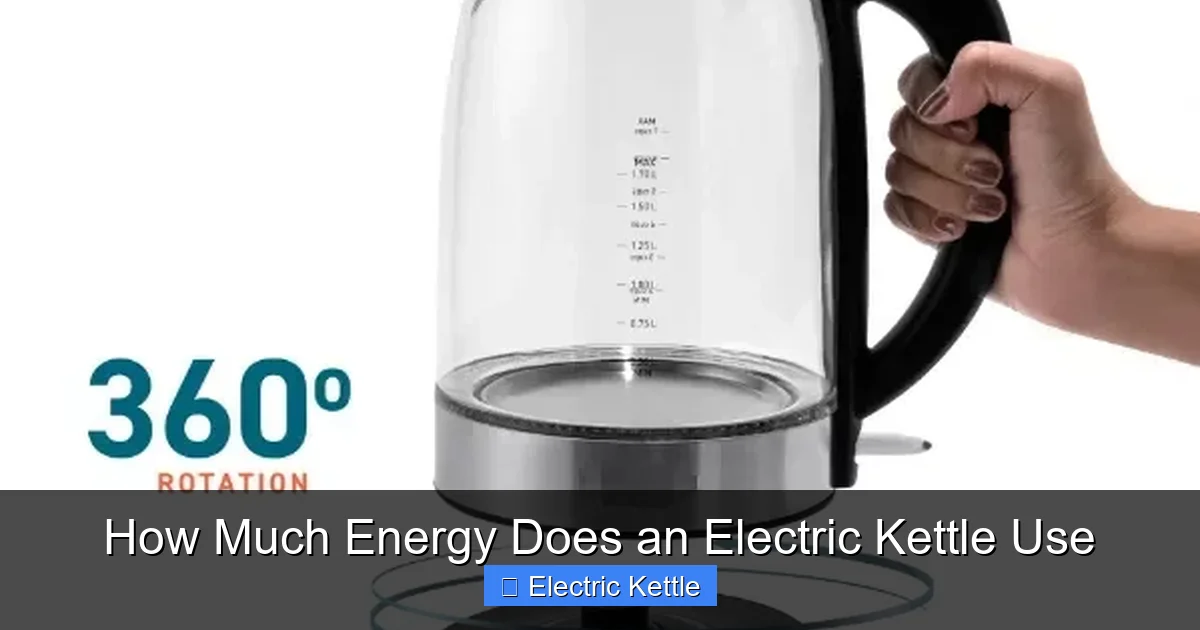
Visual guide about How Much Energy Does an Electric Kettle Use
Image source: irrorwxhiqijjr5q.ldycdn.com
When you look at an electric kettle, one of the first things you’ll notice is its wattage rating—usually printed on the base or in the product description. This number tells you how much electrical power the kettle can draw when it’s operating at full capacity. Most household electric kettles range from 1,200 to 3,000 watts, with the average model sitting comfortably between 1,500 and 1,800 watts.
But what does that mean in real terms? Let’s say you have a 1,500-watt kettle. That means it can consume up to 1,500 watts of electricity per hour when it’s running. However, kettles don’t run for a full hour—they usually boil water in just a few minutes. So, the actual energy used per boil is much lower than the wattage might suggest.
Why Wattage Matters
Higher wattage generally means faster boiling. A 3,000-watt kettle can bring a liter of water to a boil in under three minutes, while a 1,200-watt model might take closer to six. But faster doesn’t always mean better. If you’re only heating a cup of water, a high-wattage kettle might use more energy than necessary. On the other hand, if you’re boiling a full kettle for multiple cups, the speed can actually improve efficiency by reducing heat loss.
It’s also worth noting that not all kettles operate at peak wattage all the time. Some models have variable power settings or automatic shut-off features that help regulate energy use. These features can make a big difference in overall efficiency, especially if you’re someone who boils water frequently throughout the day.
Comparing Kettle Wattages
Let’s look at a few examples to put this into perspective:
– A 1,200-watt kettle boiling 1 liter of water might take about 6 minutes and use roughly 0.12 kWh of energy.
– A 1,800-watt kettle doing the same job could take 4 minutes and use about 0.12 kWh—similar energy, but faster.
– A 3,000-watt kettle might boil the same amount in just 2.5 minutes, using around 0.125 kWh.
As you can see, the energy used doesn’t increase dramatically with higher wattage—because the kettle finishes the job faster. In fact, the faster boiling time can sometimes offset the higher power draw, making high-wattage kettles surprisingly efficient for larger volumes.
Calculating Energy Use Per Boil
Now that we understand wattage, let’s talk about actual energy consumption. Energy use is measured in kilowatt-hours (kWh), which is what your electricity bill is based on. To calculate how much energy your kettle uses per boil, you can use this simple formula:
Energy (kWh) = (Wattage × Time in hours) ÷ 1,000
Let’s walk through an example. Say you have a 1,800-watt kettle and it takes 4 minutes (which is 4/60 = 0.067 hours) to boil 1 liter of water.
Plugging the numbers in:
(1,800 × 0.067) ÷ 1,000 = 0.12 kWh
So, each time you boil a full liter, you’re using about 0.12 kWh of electricity.
What Does That Cost?
The cost of electricity varies by location, but the U.S. national average is around $0.15 per kWh. Using our example:
0.12 kWh × $0.15 = $0.018 per boil
That’s less than 2 cents to boil a liter of water. Even if you boil water five times a day, that’s only about $0.09 per day—or around $33 per year. Not bad for the convenience of instant hot water!
Of course, if you’re only boiling a cup (about 0.25 liters), the energy use drops proportionally. In that case, you’re looking at roughly 0.03 kWh per boil, or less than half a cent.
Factors That Affect Energy Use
While the formula gives us a good estimate, real-world energy use can vary based on several factors:
– Starting water temperature: Cold tap water takes longer to boil than water that’s already been sitting in a warm room.
– Altitude: Water boils at lower temperatures at higher altitudes, which can slightly reduce boiling time—but also means water may not get as hot.
– Kettle insulation: Some kettles have better insulation, which helps retain heat and reduces the need for reboiling.
– Lid seal: A tight-fitting lid prevents steam escape and speeds up boiling.
– Mineral buildup: Limescale in hard water areas can insulate the heating element, making the kettle less efficient over time.
Regular cleaning and proper use can help maintain your kettle’s efficiency and keep energy use low.
Electric Kettle vs. Other Water-Heating Methods
One of the biggest misconceptions about electric kettles is that they’re energy hogs. But when you compare them to other common methods of heating water, they often come out on top in terms of efficiency.
Stovetop Kettles
Stovetop kettles are a classic choice, but they’re not always the most efficient. On a gas stove, only about 40% of the heat actually reaches the water—the rest is lost to the air. Electric stovetops are slightly better, at around 70% efficiency, but still lag behind electric kettles, which can be over 80% efficient.
Plus, stovetop kettles often take longer to boil water, especially if the burner isn’t well-matched to the kettle size. That extra time means more energy wasted.
Microwaves
Microwaves are convenient, but they’re not ideal for boiling water. They heat water unevenly, which can lead to superheating—a dangerous condition where water suddenly erupts when disturbed. They’re also less efficient for larger volumes. A microwave might use 1,000–1,500 watts, but because it takes longer to heat water evenly, the total energy used can be similar to or even higher than an electric kettle.
Electric Hot Water Dispensers
Some homes have instant hot water dispensers under the sink. These are convenient but often keep water hot 24/7, which means they’re constantly using energy to maintain temperature. Over time, this standby energy use can add up—making them less efficient than boiling only what you need in an electric kettle.
Real-World Comparison
Let’s compare boiling 1 liter of water using different methods:
– Electric kettle (1,800W): ~4 minutes, ~0.12 kWh
– Gas stovetop: ~6–8 minutes, ~0.15–0.20 kWh (due to heat loss)
– Electric stovetop: ~5–7 minutes, ~0.13–0.18 kWh
– Microwave (1,200W): ~5–6 minutes, ~0.10–0.12 kWh (but with safety risks and uneven heating)
As you can see, the electric kettle is often the fastest and most energy-efficient option—especially when you only need to boil a small amount of water.
Tips to Reduce Electric Kettle Energy Use
Even though electric kettles are already efficient, there are several simple habits you can adopt to reduce energy use even further. These small changes can add up to real savings over time—both on your electricity bill and your carbon footprint.
Only Boil What You Need
This is the single most effective way to save energy. Many people fill their kettles to the max, even when they only need one cup of water. But every extra milliliter requires more energy to heat. By boiling only the water you’ll actually use, you can cut energy consumption by 20–30%.
Some kettles have clear markings for cup measurements, making it easy to pour just the right amount. If yours doesn’t, consider using a measuring cup to fill it accurately.
Avoid Reboiling Water
It’s tempting to reboil water if it’s gone cold, but this wastes energy. Once water has boiled, it retains heat for a while—especially if the kettle is well-insulated. Instead of reboiling, consider pouring leftover hot water into a thermos for later use.
Also, avoid boiling water multiple times for the same task. If you’re making tea, boil once and pour as needed.
Descale Regularly
In areas with hard water, mineral deposits (limescale) can build up on the heating element. This acts as an insulator, forcing the kettle to work harder and use more energy. Regular descaling—using vinegar or a commercial descaler—can restore efficiency and extend the life of your kettle.
Use the Right Kettle for Your Needs
If you live alone or only make one or two cups at a time, a smaller, lower-wattage kettle (1,200–1,500W) may be more efficient. Larger families or frequent users might benefit from a higher-wattage model that can boil more water quickly.
Also, look for kettles with features like variable temperature settings, which let you heat water to the ideal temperature for different beverages—saving energy by avoiding unnecessary boiling.
Unplug When Not in Use
While most electric kettles don’t use standby power, some newer models with digital displays or keep-warm functions may draw a small amount of electricity even when off. To be safe, unplug your kettle when you’re not using it—especially if you’re going on vacation.
Environmental Impact and Sustainability
Energy use isn’t just about cost—it’s also about environmental impact. Every kilowatt-hour of electricity generates carbon emissions, depending on how your local grid produces power. In areas that rely heavily on coal or natural gas, the carbon footprint of boiling water can be significant over time.
But here’s the good news: because electric kettles are so efficient, their environmental impact is relatively low compared to other methods. And as more regions shift to renewable energy sources like wind and solar, the carbon cost of using an electric kettle will continue to drop.
Choosing an Eco-Friendly Kettle
If sustainability is a priority, look for kettles made from recycled materials or brands that prioritize energy efficiency and low environmental impact. Some models are designed to use less water and energy, and come with certifications like ENERGY STAR (though these are more common in the U.S. for larger appliances).
Also, consider the lifespan of your kettle. A well-made kettle that lasts 5–10 years will have a lower environmental impact than a cheap one that breaks after a year and ends up in a landfill.
Small Changes, Big Impact
Even small changes in behavior can make a difference. If every household in the U.S. boiled only the water they needed, it could save millions of kilowatt-hours annually—enough to power thousands of homes for a year.
So, while boiling a single cup of water might seem trivial, the cumulative effect of millions of people making smarter choices adds up.
Conclusion: Smart Boiling for a Greener Future
So, how much energy does an electric kettle use? The answer is: not as much as you might think—especially when used wisely. With typical energy use ranging from 0.1 to 0.15 kWh per liter, electric kettles are among the most efficient ways to heat water in the home. They’re faster, safer, and often more energy-efficient than stovetop kettles, microwaves, or gas burners.
But efficiency isn’t just about the appliance—it’s about how you use it. By boiling only what you need, avoiding reboiling, and maintaining your kettle properly, you can maximize efficiency and minimize waste. These small habits not only save energy and money but also contribute to a more sustainable future.
Whether you’re a tea lover, a coffee enthusiast, or just someone who likes hot water for cooking, your electric kettle is a powerful tool—when used correctly. So the next time you reach for that switch, remember: a little awareness goes a long way. Boil smart, save energy, and enjoy your hot drinks guilt-free.
Frequently Asked Questions
How much electricity does an electric kettle use per boil?
An average electric kettle uses about 0.1 to 0.15 kWh of electricity to boil one liter of water. This depends on the kettle’s wattage, boiling time, and starting water temperature.
Is it cheaper to boil water in an electric kettle or on the stove?
Yes, electric kettles are generally cheaper and more energy-efficient than stovetop kettles, especially gas stoves. They heat water faster and lose less heat to the environment.
Does leaving an electric kettle plugged in use electricity?
Most basic electric kettles use no electricity when not in use. However, models with digital displays or keep-warm functions may draw a small amount of standby power.
Can I reduce energy use by boiling less water?
Absolutely. Boiling only the water you need can reduce energy use by up to 30%. Use measuring marks or a cup to avoid overfilling.
How often should I descale my electric kettle?
It depends on your water hardness, but descaling every 1–3 months is recommended in hard water areas to maintain efficiency and prevent limescale buildup.
Are high-wattage kettles more energy-efficient?
Not necessarily. While high-wattage kettles boil faster, they use more power. For small amounts of water, a lower-wattage kettle may be more efficient. For larger volumes, high-wattage models can be better due to shorter boiling times.