Wondering how much is an electric kettle? Prices range from under $20 for basic models to over $100 for smart, high-end versions. Your budget, features, and brand choice all impact the final cost—so let’s find the perfect fit for your kitchen.
If you’ve ever stood in the kitchen, staring at your stovetop kettle wondering why it takes so long to boil, you’re not alone. More people are switching to electric kettles—not just for speed, but for convenience, precision, and style. But before you hit “buy,” you’re probably asking the big question: how much is an electric kettle?
The short answer? It depends. Electric kettles come in a wide range of prices, from super affordable basics to high-tech smart appliances that look like they belong in a café. The price you pay depends on what you need: Do you just want hot water for instant coffee? Or are you a tea enthusiast who needs exact temperatures for green, white, or oolong teas? Maybe you’re upgrading your kitchen with a sleek, modern appliance that matches your espresso machine.
In this guide, we’ll walk you through everything you need to know about electric kettle pricing. We’ll break down the cost ranges, explain what features you get at each level, and help you decide how much to spend based on your lifestyle. Whether you’re on a tight budget or ready to invest in a premium model, we’ve got you covered.
Key Takeaways
- Entry-level electric kettles cost $15–$30: Ideal for simple boiling with minimal features like automatic shut-off and basic cordless design.
- Mid-range models ($30–$60): Offer better build quality, variable temperature settings, and faster heating—great for tea lovers and families.
- Premium electric kettles ($60–$120+): Include smart controls, precision temperature, keep-warm functions, and sleek designs for serious home baristas.
- Brand matters: Popular brands like Breville, Cuisinart, and Hamilton Beach offer reliable performance but may cost more than generic alternatives.
- Capacity affects price: Larger kettles (1.7L+) often cost more than compact 1L models, especially if they include advanced features.
- Energy efficiency saves money long-term: Look for kettles with insulated walls or eco-modes to reduce electricity use over time.
- Sales and deals help: Black Friday, Prime Day, and back-to-school seasons often bring discounts on top-rated electric kettle models.
📑 Table of Contents
Why Choose an Electric Kettle?
Before we dive into prices, let’s talk about why electric kettles are worth the investment in the first place. Unlike stovetop kettles, electric models heat water faster, often in under 5 minutes. They’re also safer—most turn off automatically when the water reaches boiling point, reducing the risk of burns or dry boiling. Plus, many modern kettles come with features like temperature control, keep-warm modes, and quiet operation.
Electric kettles are perfect for busy mornings, tea rituals, or even making instant soups and oatmeal. They’re especially useful in offices, dorm rooms, or small apartments where stovetop cooking isn’t practical. And with so many stylish designs available, they can even double as a kitchen decor piece.
Speed and Efficiency
One of the biggest advantages of electric kettles is speed. Most models can boil a full liter of water in 3 to 5 minutes—much faster than waiting for a stovetop kettle to whistle. This is thanks to powerful heating elements, typically ranging from 1200 to 1800 watts. Higher wattage means faster boiling, so if you’re always in a rush, look for a kettle with at least 1500 watts.
Safety Features
Safety is a major selling point. Electric kettles usually come with automatic shut-off, boil-dry protection, and cool-touch exteriors. These features prevent accidents and extend the life of the appliance. Some even have child-safe lids or locking mechanisms, making them ideal for families.
Convenience and Versatility
Many electric kettles are cordless, meaning you can lift the kettle off its base to pour—no more fumbling with cords near hot stoves. Some models also have removable filters to catch limescale, and others offer multiple temperature settings for different beverages. This versatility makes them a favorite among coffee and tea lovers.
How Much Is an Electric Kettle? Price Breakdown
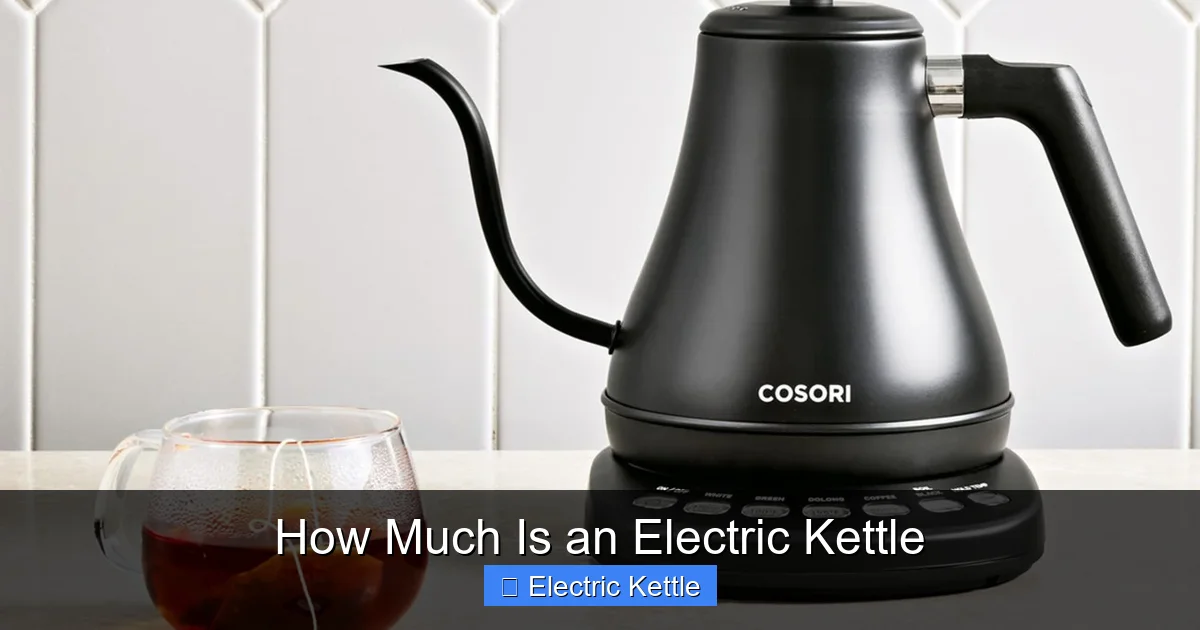
Visual guide about How Much Is an Electric Kettle
Image source: allrecipes.com
Now, let’s get to the heart of the matter: how much is an electric kettle? Prices vary widely based on features, brand, capacity, and build quality. Here’s a detailed breakdown of what you can expect to pay in 2024.
Budget-Friendly Options: $15–$30
If you’re looking for a no-frills electric kettle that gets the job done, you can find solid options under $30. These kettles are perfect for students, travelers, or anyone who just needs hot water quickly.
In this price range, you’ll typically get:
– Basic plastic or stainless steel construction
– Automatic shut-off and boil-dry protection
– Cordless design with 360-degree swivel base
– Capacity of 1 to 1.5 liters
– Simple on/off switch with indicator light
For example, the Hamilton Beach 40880 is a popular budget pick at around $20. It’s lightweight, heats water fast, and has a removable mesh filter. While it doesn’t have temperature control, it’s reliable for everyday use.
Another great option is the Mueller Ultra Kettle, priced around $25. It features a stainless steel interior, fast boiling, and a sleek design. It’s a step up from the most basic models but still affordable.
Keep in mind: cheaper kettles may not last as long or perform as well in hard water areas. Plastic models can also retain odors over time. But for occasional use or tight budgets, they’re a smart choice.
Mid-Range Models: $30–$60
Stepping up to the $30–$60 range opens the door to better materials, more features, and improved durability. This is where most home users find the best value.
In this category, you’ll often find:
– Stainless steel or glass bodies (less plastic)
– Variable temperature settings (great for tea)
– Faster heating with higher wattage (1500–1800W)
– Keep-warm function (holds temperature for 30–60 minutes)
– Quiet operation and improved insulation
A standout in this range is the Cuisinart CPK-17 PerfecTemp. Priced around $50, it offers six preset temperature settings for different teas, a keep-warm feature, and a blue LED light that turns on when heating. It’s a favorite among tea enthusiasts.
Another excellent choice is the OXO Brew Classic Electric Kettle, available for about $55. It has a simple dial for temperature control, a gooseneck spout for precise pouring (great for pour-over coffee), and a sturdy stainless steel build.
These kettles are built to last and offer a noticeable upgrade in performance and user experience. If you drink tea or coffee daily, the extra cost is well worth it.
Premium and Smart Kettles: $60–$120+
If you’re ready to invest in a top-tier electric kettle, the $60–$120+ range delivers luxury, precision, and smart technology. These models are designed for serious home brewers, coffee connoisseurs, and anyone who values performance and design.
Features you’ll find in premium kettles include:
– Precision temperature control (±1°F accuracy)
– Smart connectivity (Wi-Fi or app control)
– Multiple presets for coffee, tea, French press, and more
– Advanced insulation for energy efficiency
– Sleek designs with LED displays and touch controls
– Larger capacities (up to 1.7L or more)
The Breville BKE830XL Smart Kettle is a top contender in this category, priced around $100. It has six temperature settings, a keep-warm function, and a built-in timer. The LCD screen shows the current temperature, and the kettle even remembers your last setting.
For tech lovers, the Fellow Stagg EKG Electric Pour-Over Kettle ($130) is a game-changer. It offers exact temperature control, a built-in timer, and a sleek gooseneck spout perfect for pour-over coffee. It’s a favorite in specialty coffee shops and among home baristas.
Another premium option is the Smeg KLF04, which costs around $120. Known for its retro design and high-quality build, it’s as much a statement piece as a functional appliance. It comes in multiple colors and has a 1.7L capacity with automatic shut-off.
These kettles aren’t just about boiling water—they’re about enhancing your daily ritual. If you’re passionate about coffee or tea, the investment pays off in flavor and consistency.
What Affects the Price of an Electric Kettle?
Now that you know the price ranges, let’s explore what drives the cost. Understanding these factors will help you make a smarter purchase and avoid overspending on features you don’t need.
Build Quality and Materials
The materials used in an electric kettle significantly impact its price. Plastic kettles are the cheapest but may retain odors and degrade over time. Stainless steel is more durable and doesn’t affect taste, but it’s pricier. Glass kettles offer a modern look and let you see the water boil, but they’re fragile and often more expensive.
Premium models may use borosilicate glass or food-grade stainless steel with anti-corrosion coatings. These materials improve longevity and performance, justifying the higher cost.
Capacity and Size
Larger kettles (1.5L to 1.7L) generally cost more than smaller ones (1L or less). If you’re making tea for a family or brewing multiple cups of coffee, a bigger capacity is convenient. But if you’re solo or have limited counter space, a compact model might be better—and cheaper.
Keep in mind: larger kettles use more energy and take up more space. Choose a size that matches your household needs.
Heating Speed and Wattage
Higher wattage means faster boiling. Budget kettles often have 1200–1500W, while premium models can reach 1800W or more. If speed is important, look for a high-wattage kettle—but be aware that it may increase your electricity bill slightly.
Temperature Control and Presets
One of the biggest differentiators in price is temperature control. Basic kettles boil water to 212°F (100°C) and that’s it. Mid-range and premium models offer variable settings—perfect for green tea (175°F), white tea (185°F), or French press coffee (200°F).
The more presets and precision a kettle offers, the higher the price. If you’re a tea lover, this feature is worth the extra cost.
Smart Features and Connectivity
Smart kettles with Wi-Fi, app control, or voice assistant compatibility (like Alexa or Google Assistant) are at the top of the price range. These features let you start boiling water from your phone or set schedules, but they’re not essential for most users.
Unless you’re deeply into smart home tech, these extras may not be worth the premium.
Brand Reputation and Warranty
Well-known brands like Breville, Cuisinart, and Fellow often charge more due to their reputation for quality and customer service. They also typically offer longer warranties (1–3 years), which adds value.
Generic or off-brand kettles may be cheaper upfront but could fail sooner or lack support. Consider the long-term cost of replacement when comparing prices.
How to Choose the Right Electric Kettle for Your Budget
With so many options, how do you pick the right electric kettle without overspending? Here’s a simple guide based on your needs and budget.
For Students or Small Spaces
If you’re in a dorm or studio apartment, go for a compact, budget-friendly kettle under $25. Look for basic safety features and a 1L capacity. The Mueller Ultra or Hamilton Beach models are great choices.
For Tea and Coffee Lovers
If you enjoy different types of tea or pour-over coffee, invest in a mid-range kettle with temperature control ($40–$60). The Cuisinart CPK-17 or OXO Brew Classic will enhance your brewing experience.
For Families or Frequent Entertainers
A larger kettle (1.5L+) with fast heating and keep-warm function is ideal. Mid-range models like the OXO Brew or premium options like the Breville Smart Kettle work well.
For Design Enthusiasts
If you want a kettle that looks as good as it performs, consider a premium model with a sleek design. The Smeg KLF04 or Fellow Stagg EKG are stylish and functional.
For Tech-Savvy Users
If you love smart home gadgets, a Wi-Fi-enabled kettle like the Breville Smart Kettle or a model with app control might be worth the splurge.
Tips to Save Money on an Electric Kettle
You don’t have to pay top dollar to get a great electric kettle. Here are some smart ways to save:
Shop During Sales
Major sales events like Black Friday, Cyber Monday, Amazon Prime Day, and back-to-school season often feature discounts on small appliances. Sign up for newsletters from retailers like Amazon, Target, or Best Buy to get alerts.
Check Refurbished or Open-Box Deals
Many retailers sell refurbished or open-box kettles at 20–40% off. These items are tested and often come with warranties, making them a safe and affordable option.
Compare Prices Across Retailers
Prices can vary between stores. Use price comparison tools or check multiple websites (Amazon, Walmart, Bed Bath & Beyond) before buying.
Look for Bundles
Some brands offer bundles with tea sets, coffee filters, or cleaning kits. These can add value and save you money in the long run.
Read Reviews Before Buying
Don’t just go by price—read customer reviews to avoid cheap kettles that break quickly. Look for models with high ratings and long-term reliability.
Maintenance and Longevity: Getting the Most Value
To make your electric kettle last and protect your investment, proper care is essential.
Descale Regularly
Mineral buildup from hard water can damage the heating element and affect taste. Descale your kettle every 1–3 months using vinegar or a commercial descaling solution.
Clean the Exterior
Wipe down the outside with a damp cloth. Avoid submerging the base in water—only the kettle itself should be rinsed.
Avoid Overfilling
Never fill above the max line. Overfilling can cause leaks, damage the base, or trigger safety shut-offs.
Store Properly
Keep your kettle in a dry place when not in use. If you’re traveling, make sure it’s completely dry to prevent mold.
With proper care, a good electric kettle can last 3–5 years or more—making even a $100 model a worthwhile investment.
Conclusion
So, how much is an electric kettle? The answer ranges from under $20 to over $100, depending on your needs, preferences, and budget. Budget models are great for basic use, mid-range kettles offer the best balance of features and value, and premium models deliver precision and style for serious enthusiasts.
When choosing, consider what matters most: speed, temperature control, capacity, or design. Don’t overspend on features you won’t use, but don’t skimp on safety and durability. And remember—sales, refurbished deals, and smart shopping can help you get a high-quality kettle without breaking the bank.
Whether you’re brewing your morning coffee, steeping a perfect cup of tea, or just need hot water fast, the right electric kettle can make all the difference. Now that you know the price ranges and what to look for, you’re ready to find the perfect one for your kitchen.
Frequently Asked Questions
How much is an electric kettle on average?
The average price of an electric kettle ranges from $30 to $60. This mid-range offers a good balance of features, build quality, and performance for most households.
Can I find a good electric kettle under $20?
Yes, you can find reliable electric kettles under $20, such as the Hamilton Beach 40880. While they lack advanced features, they’re great for basic boiling and everyday use.
Are expensive electric kettles worth it?
Expensive kettles are worth it if you value precision, durability, and smart features. For tea lovers, coffee enthusiasts, or design-conscious buyers, the investment can enhance your daily routine.
What’s the most important feature in an electric kettle?
Automatic shut-off and boil-dry protection are the most important safety features. Temperature control is key for tea and coffee lovers, while capacity matters for families.
Do electric kettles use a lot of electricity?
Electric kettles are generally energy-efficient, using about the same as a microwave. Look for models with insulation or eco-modes to reduce energy use over time.
How long do electric kettles last?
With proper care, most electric kettles last 3 to 5 years. Higher-quality models from reputable brands may last even longer with regular descaling and maintenance.