Boiling eggs in an electric kettle is a fast, convenient method, but timing is everything. Depending on your desired doneness—soft, medium, or hard—cooking time ranges from 6 to 12 minutes. With the right technique, you can achieve perfectly boiled eggs every time without a stove.
Key Takeaways
- Soft-boiled eggs take 6–8 minutes: Ideal for runny yolks, perfect for dipping toast or ramen.
- Medium-boiled eggs need 9–10 minutes: Slightly firmer yolks with a creamy center, great for salads or snacks.
- Hard-boiled eggs require 11–12 minutes: Fully set yolks, best for meal prep or deviled eggs.
- Use room-temperature eggs: Reduces cracking and ensures even cooking.
- Don’t overfill the kettle: Leave space for water to circulate and prevent boiling over.
- Cool eggs immediately after cooking: Stop the cooking process and make peeling easier.
- Not all kettles are suitable: Check your model’s safety guidelines before boiling eggs.
📑 Table of Contents
- Can You Really Boil Eggs in an Electric Kettle?
- Why Use an Electric Kettle to Boil Eggs?
- How Much Time to Boil Egg in Electric Kettle: The Ultimate Guide
- Step-by-Step: How to Boil Eggs in an Electric Kettle
- Tips for Perfect Eggs Every Time
- Safety Considerations and Common Mistakes
- Alternative Methods and When to Avoid This Technique
- Conclusion: A Quick, Reliable Method for Perfect Eggs
Can You Really Boil Eggs in an Electric Kettle?
You’ve probably used your electric kettle a hundred times to make tea, coffee, or instant noodles. But have you ever thought about boiling eggs in it? It might sound unconventional, but yes—boiling eggs in an electric kettle is not only possible, it’s also surprisingly effective. In fact, many people around the world use this method as a quick, energy-efficient alternative to stovetop boiling.
Electric kettles heat water rapidly and maintain a consistent temperature, which makes them ideal for cooking small batches of eggs. Whether you’re in a dorm room, office, or just want to save time in the kitchen, this method can be a game-changer. The key is knowing how much time to boil egg in electric kettle to get the perfect texture—whether you like your yolks runny, creamy, or fully set.
But before you drop an egg into your kettle, there are a few important things to consider. Not all electric kettles are designed for this purpose, and improper use can lead to cracked eggs, messy cleanups, or even damage to your appliance. That’s why understanding the right technique, timing, and safety tips is essential.
Why Use an Electric Kettle to Boil Eggs?
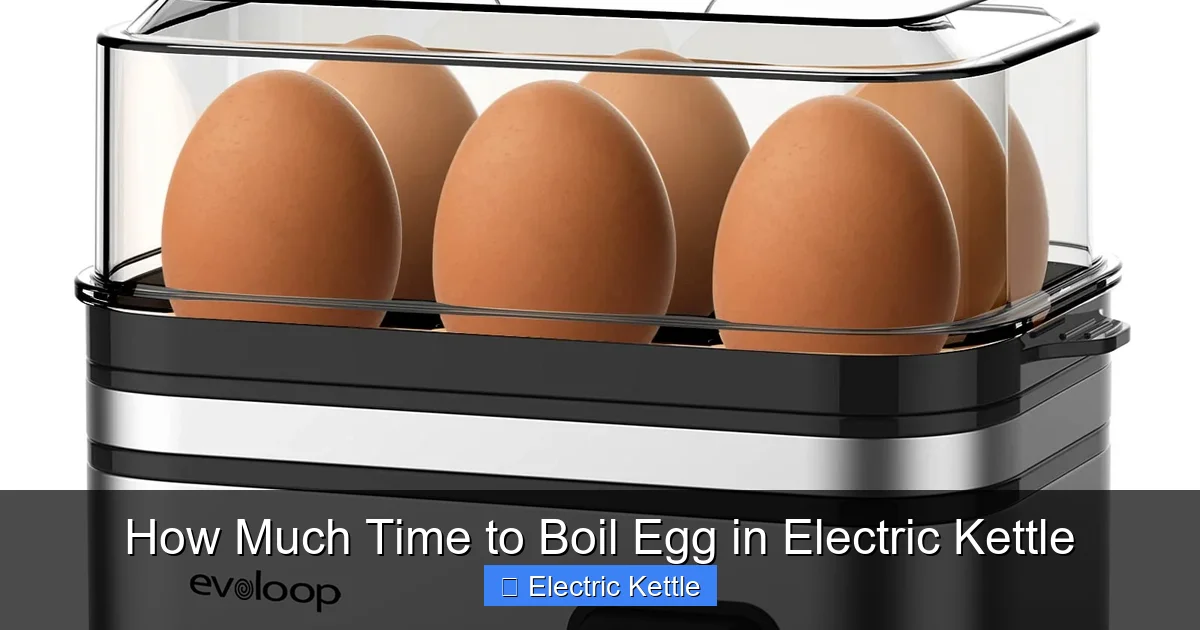
Visual guide about How Much Time to Boil Egg in Electric Kettle
Image source: m.media-amazon.com
So, why bother boiling eggs in an electric kettle when you have a stove? The answer lies in convenience, speed, and efficiency. Electric kettles are built to heat water quickly—often in under five minutes—and they do so using less energy than a stovetop burner. This makes them a smart choice for anyone looking to save time and electricity.
One of the biggest advantages is consistency. Electric kettles are designed to shut off automatically once the water reaches boiling point (usually around 212°F or 100°C). This means you don’t have to worry about monitoring the heat or risking overcooking your eggs. Plus, since the water is fully submerged, the eggs cook evenly from all sides.
Another benefit is space. If you’re living in a small apartment, dorm, or traveling, you might not have access to a full kitchen. An electric kettle is compact, portable, and often available in hotels or shared spaces. With just a kettle and a few eggs, you can prepare a protein-rich snack or meal in minutes.
Let’s not forget about cleanup. Boiling eggs on the stove can leave behind residue, especially if the eggs crack. In an electric kettle, the eggs are contained, and any minor mess is easier to manage—just rinse the interior with water (once cooled, of course).
Energy Efficiency and Speed
Electric kettles are among the most energy-efficient kitchen appliances. They transfer heat directly to the water with minimal loss, unlike stovetops that lose heat to the surrounding air. Studies show that electric kettles use up to 50% less energy than gas or electric stoves for the same task.
When it comes to speed, most kettles boil a liter of water in 3–5 minutes. That means your eggs can start cooking almost immediately after you press the button. Compare that to waiting for a pot to heat up on the stove, and the difference is clear.
Perfect for Small Batches
If you only need one or two eggs, using a full pot on the stove feels like overkill. An electric kettle allows you to boil just the right amount of water for your needs. This not only saves energy but also reduces cooking time.
For example, if you’re making a quick breakfast with one soft-boiled egg and a cup of tea, you can do both in the same kettle—first boil the water for your tea, then reuse it (once cooled slightly) to cook your egg. Just be sure to clean the kettle between uses if you’re switching from tea to eggs.
How Much Time to Boil Egg in Electric Kettle: The Ultimate Guide
Now, let’s get to the heart of the matter: how much time to boil egg in electric kettle? The answer depends on how you like your eggs. Just like stovetop boiling, the cooking time varies based on whether you want soft, medium, or hard-boiled eggs.
The general rule is that eggs cook faster in an electric kettle because the water reaches a rolling boil quickly and stays at a consistent temperature. However, timing can vary slightly depending on your kettle’s wattage, the number of eggs, and the starting temperature of the eggs.
Here’s a simple breakdown:
– Soft-boiled eggs: 6–8 minutes (runny yolk, set white)
– Medium-boiled eggs: 9–10 minutes (creamy yolk, firm white)
– Hard-boiled eggs: 11–12 minutes (fully set yolk and white)
These times assume you’re using large eggs at room temperature and filling the kettle with enough water to fully submerge them. Let’s dive deeper into each type.
Soft-Boiled Eggs (6–8 Minutes)
Soft-boiled eggs are a favorite for breakfast lovers. The whites are fully cooked, but the yolks remain liquid and rich—perfect for dipping toast soldiers or adding to ramen. To achieve this in an electric kettle, start by placing 1–4 eggs (depending on your kettle size) into the kettle. Fill it with cold water so the eggs are completely covered—about 1–2 inches above the top egg.
Turn on the kettle and let it boil. Once the water reaches a full boil and the kettle automatically shuts off, start your timer. For a runny yolk, aim for 6 minutes. If you prefer a slightly thicker yolk but still soft, go for 7–8 minutes.
Pro tip: Use a timer on your phone or kitchen clock. It’s easy to lose track, especially if you’re multitasking.
Medium-Boiled Eggs (9–10 Minutes)
Medium-boiled eggs strike a balance between soft and hard. The yolks are creamy and slightly thickened, making them great for salads, egg sandwiches, or eating with a spoon. This texture is often preferred by those who find soft yolks too runny but hard yolks too dry.
To cook medium-boiled eggs, follow the same steps: submerge room-temperature eggs in water, boil, then time for 9–10 minutes after the kettle shuts off. At 9 minutes, the yolk will be mostly creamy with a hint of firmness. At 10 minutes, it will be more solid but still moist.
This is also the ideal range for people who meal prep. Medium-boiled eggs store well in the fridge and reheat nicely in salads or grain bowls.
Hard-Boiled Eggs (11–12 Minutes)
Hard-boiled eggs are fully cooked throughout, with firm yolks that are great for deviled eggs, egg salad, or snacking. They take the longest to cook—11 to 12 minutes after the water boils.
After the kettle shuts off, leave the eggs in the hot water for the full 11–12 minutes. Don’t remove them early, or the yolks may remain undercooked in the center.
One common mistake is overcooking hard-boiled eggs, which can lead to a greenish-gray ring around the yolk. This is caused by a reaction between sulfur in the egg and iron in the yolk when overcooked. To avoid this, stick to 12 minutes max and cool the eggs immediately after cooking.
Step-by-Step: How to Boil Eggs in an Electric Kettle
Now that you know the timing, let’s walk through the process step by step. With the right technique, boiling eggs in an electric kettle is simple, safe, and effective.
Step 1: Choose the Right Kettle
Not all electric kettles are suitable for boiling eggs. Avoid models with non-stick interiors, as the eggs can stick and be difficult to clean. Glass, stainless steel, or ceramic kettles work best. Also, make sure your kettle has an automatic shut-off feature—this is crucial for safety and timing.
If your kettle has a mesh filter or built-in infuser, remove it before adding eggs. You don’t want eggs getting stuck or blocking the flow of water.
Step 2: Use Room-Temperature Eggs
Cold eggs straight from the fridge are more likely to crack when placed in hot water. To prevent this, let your eggs sit at room temperature for 10–15 minutes before cooking. Alternatively, you can place them in a bowl of warm (not hot) water for 5 minutes.
This small step makes a big difference in achieving intact, easy-to-peel eggs.
Step 3: Add Eggs and Water
Gently place the eggs into the kettle. Don’t drop them—use a spoon or your hands to lower them in. Fill the kettle with cold water until the eggs are fully submerged by about 1–2 inches. Don’t overfill; leave at least an inch of space at the top to prevent boiling over.
If you’re boiling multiple eggs, make sure they’re not packed too tightly. They need room to move slightly as the water boils.
Step 4: Boil the Water
Close the lid and turn on the kettle. Most kettles will automatically shut off once the water reaches boiling point. This usually takes 3–5 minutes, depending on the kettle’s wattage and water volume.
Once the kettle shuts off, immediately start your timer. This is when the actual cooking begins.
Step 5: Time the Eggs
Refer to the timing guide above based on your desired doneness:
– Soft: 6–8 minutes
– Medium: 9–10 minutes
– Hard: 11–12 minutes
Keep the lid closed during this time to retain heat. Don’t open the kettle to check—this lets heat escape and can affect cooking time.
Step 6: Cool the Eggs Immediately
As soon as the timer goes off, use a spoon or tongs to remove the eggs and place them in a bowl of ice water. This stops the cooking process and helps prevent that unappetizing green ring around the yolk.
Let them cool for at least 5–10 minutes. The cold shock also makes peeling easier by creating a small gap between the egg white and shell.
Step 7: Peel and Enjoy
Once cooled, gently tap the eggs on a hard surface to crack the shell, then roll them to loosen it. Peel under running water for best results.
Your perfectly boiled eggs are now ready to eat, store, or use in recipes.
Tips for Perfect Eggs Every Time
Even with the right timing, a few extra tips can make your egg-boiling experience even better. Here are some proven strategies to ensure success.
Use Older Eggs for Easier Peeling
Fresh eggs are harder to peel because the pH level is lower, causing the membrane to stick tightly to the shell. Eggs that are 7–10 days old peel more easily. If you only have fresh eggs, add a teaspoon of baking soda or vinegar to the water—this can help loosen the shell.
Don’t Overcrowd the Kettle
Boiling too many eggs at once can lower the water temperature and lead to uneven cooking. Stick to 1–4 eggs per batch, depending on your kettle size. If you need more, cook in batches.
Clean Your Kettle After Use
Egg residue can build up over time and affect the taste of your tea or coffee. After boiling eggs, rinse the interior thoroughly with water. For stubborn residue, soak the kettle in warm, soapy water for 10–15 minutes, then scrub gently with a soft brush or sponge.
Avoid using abrasive cleaners or steel wool, as they can scratch the interior.
Experiment with Timing
Every kettle is a little different. Factors like altitude, water hardness, and egg size can affect cooking time. Start with the recommended times, then adjust based on your results. Keep a small notebook or use your phone to track what works best for your setup.
For example, if your soft-boiled eggs are too runny at 6 minutes, try 7 next time. Small adjustments can make a big difference.
Store Properly
Hard and medium-boiled eggs can be stored in the refrigerator for up to one week. Keep them in their shells to prevent odor absorption. For longer storage, peel and place in an airtight container with a damp paper towel.
Soft-boiled eggs are best eaten fresh, as the runny yolk doesn’t hold up well in the fridge.
Safety Considerations and Common Mistakes
While boiling eggs in an electric kettle is generally safe, there are some risks to be aware of. Ignoring safety guidelines can lead to cracked eggs, appliance damage, or even injury.
Avoid Using Non-Stick or Coated Kettles
Non-stick coatings can degrade when exposed to high heat and abrasive cleaning. If eggs stick to the surface, scrubbing them out can damage the coating, potentially releasing harmful chemicals into your water. Stick to stainless steel, glass, or ceramic models.
Don’t Boil Eggs in a Kettle with Mineral Buildup
Limescale or mineral deposits can affect water quality and heating efficiency. If your kettle has buildup, descale it regularly using vinegar or a commercial descaling solution. This ensures clean, safe water for cooking.
Never Leave the Kettle Unattended
Although most kettles have auto shut-off, it’s still wise to stay nearby while boiling eggs. If an egg cracks, it can cause sputtering or boiling over, which might damage the kettle or create a mess.
Don’t Use the Kettle for Other Purposes Immediately After
If you’ve just boiled eggs, don’t use the same water to make tea or coffee without cleaning the kettle first. Egg residue can leave a faint taste or odor. Rinse thoroughly or run a cycle with clean water before switching uses.
Watch for Cracks
Inspect your eggs before cooking. Even a small crack can cause the egg to explode in the kettle, leading to a messy cleanup. If you notice a crack, it’s better to use the egg for scrambling or baking instead.
Alternative Methods and When to Avoid This Technique
While boiling eggs in an electric kettle is convenient, it’s not always the best option. Here are some situations where you might want to stick to the stovetop.
When Cooking Large Quantities
If you need to boil a dozen eggs for a party or meal prep, an electric kettle isn’t practical. You’d have to cook in multiple batches, which takes longer than using a large pot on the stove.
If Your Kettle Lacks Auto Shut-Off
Older or low-quality kettles may not have automatic shut-off. Without this feature, you risk overheating the water or damaging the kettle. Always check your model’s specifications before attempting to boil eggs.
For Recipes Requiring Precise Temperature Control
Some recipes, like sous vide eggs, require exact temperatures. Electric kettles boil water to 212°F (100°C) and then shut off—they don’t maintain lower temperatures. For delicate preparations, a stovetop or dedicated egg cooker may be better.
If You’re Concerned About Taste or Odor
Even with cleaning, some people notice a slight egg smell in their kettle afterward. If you’re sensitive to odors or use your kettle frequently for beverages, you might prefer to keep egg boiling separate.
Conclusion: A Quick, Reliable Method for Perfect Eggs
Boiling eggs in an electric kettle is a smart, efficient way to enjoy perfectly cooked eggs without the hassle of a stove. By understanding how much time to boil egg in electric kettle—6 to 12 minutes depending on doneness—you can achieve soft, medium, or hard-boiled results with ease.
This method shines in situations where speed, convenience, and energy efficiency matter. Whether you’re a student, traveler, or just looking to simplify your morning routine, the electric kettle can be a versatile tool in your kitchen arsenal.
Just remember to use the right kettle, follow safety guidelines, and adjust timing based on your preferences. With a little practice, you’ll be boiling eggs like a pro—no stove required.
So next time you’re craving a boiled egg, don’t reach for the pot. Grab your electric kettle, set your timer, and enjoy a quick, delicious snack in minutes.
Frequently Asked Questions
Can you boil eggs in any electric kettle?
Not all electric kettles are suitable for boiling eggs. Avoid models with non-stick coatings or built-in infusers. Stainless steel, glass, or ceramic kettles with auto shut-off are best.
Do eggs crack when boiled in an electric kettle?
Eggs may crack if they’re too cold or dropped in too quickly. Use room-temperature eggs and lower them gently into the water to reduce cracking.
How do you clean an electric kettle after boiling eggs?
Rinse the interior thoroughly with water. For residue, soak in warm, soapy water and scrub gently with a soft brush. Avoid abrasive cleaners.
Can you reuse the water after boiling eggs?
It’s not recommended. Egg residue can affect the taste of tea or coffee. Always clean the kettle before using it for beverages.
Is it safe to boil eggs in an electric kettle?
Yes, as long as your kettle is in good condition, has auto shut-off, and you follow proper safety steps. Avoid overcrowding and monitor for cracks.
How long do boiled eggs last in the fridge?
Hard and medium-boiled eggs last up to one week in the refrigerator when stored in their shells. Soft-boiled eggs are best eaten fresh.