Cleaning your electric kettle with vinegar is simple, affordable, and eco-friendly—but using the right amount matters. Too little won’t remove limescale; too much can damage parts or leave a strong odor. This guide breaks down the perfect vinegar-to-water ratio, step-by-step instructions, and expert tips to keep your kettle sparkling clean and functioning like new.
Key Takeaways
- Understanding how much vinegar to clean electric kettle: Provides essential knowledge
📑 Table of Contents
- Why Vinegar Is the Best Cleaner for Your Electric Kettle
- Understanding Limescale and Why It Builds Up
- How Much Vinegar to Use: The Right Ratio Explained
- Step-by-Step Guide to Cleaning Your Electric Kettle with Vinegar
- Tips for Safe and Effective Kettle Cleaning
- Alternative Cleaning Methods (And When to Use Them)
- Maintaining a Clean Kettle: Prevention Is Key
- Common Mistakes to Avoid
- Conclusion: Keep Your Kettle Sparkling with the Right Vinegar Routine
Why Vinegar Is the Best Cleaner for Your Electric Kettle
If you’ve ever noticed a chalky white film inside your electric kettle or tasted a weird metallic hint in your morning tea, you’re not alone. That’s limescale—mineral deposits from hard water that build up over time. And while it might seem harmless, ignoring it can actually affect your kettle’s performance, heating efficiency, and even the taste of your drinks.
The good news? You don’t need expensive descaling solutions or harsh chemicals to fix it. White distilled vinegar is a natural, affordable, and incredibly effective cleaner that tackles limescale head-on. It’s acidic enough to break down mineral buildup but gentle enough not to damage most kettle materials when used correctly. Plus, it’s eco-friendly, non-toxic, and probably already sitting in your pantry.
But here’s the catch: using too much vinegar can leave a strong smell, corrode internal parts, or even void your warranty. On the flip side, too little won’t do the job. So, how much vinegar should you actually use? The answer isn’t one-size-fits-all—it depends on your kettle’s size, how dirty it is, and how often you clean it. In this guide, we’ll walk you through the exact measurements, step-by-step methods, and pro tips to clean your electric kettle safely and effectively with vinegar.
Understanding Limescale and Why It Builds Up
Before we dive into cleaning, let’s talk about what limescale actually is. When you heat water in your kettle, minerals like calcium and magnesium—common in hard water—precipitate out of the solution and stick to the heating element and interior surfaces. Over time, this forms a hard, crusty layer that looks unsightly and acts like insulation, making your kettle work harder and use more energy.
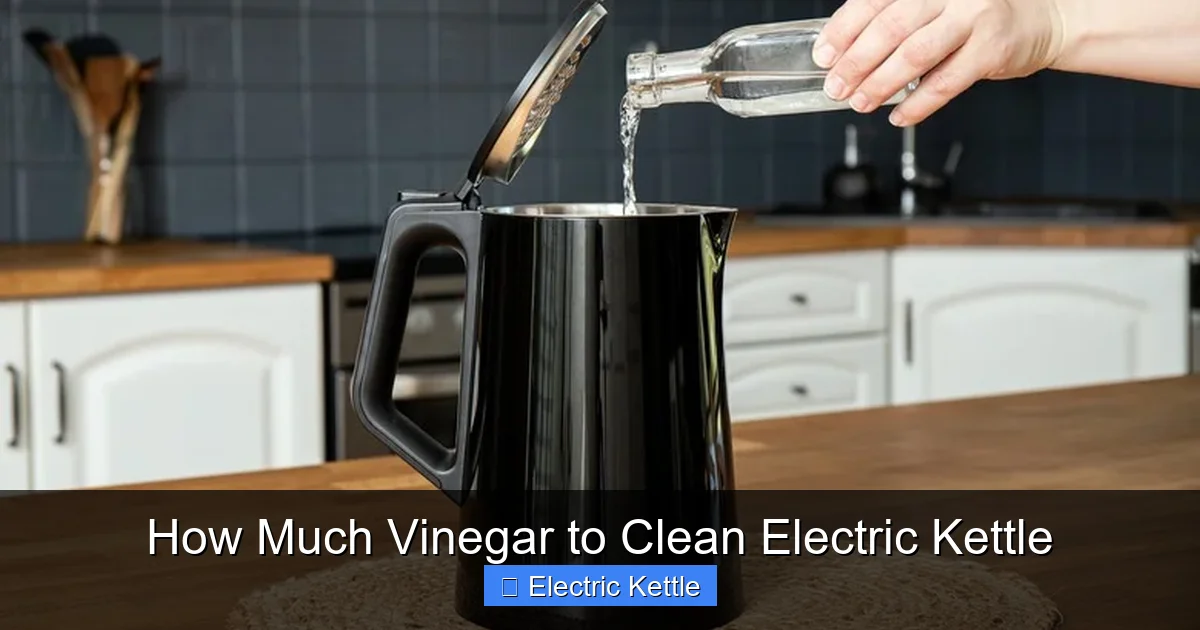
Visual guide about How Much Vinegar to Clean Electric Kettle
Image source: foodie.com
Signs Your Kettle Needs Cleaning
- White or grayish deposits on the heating coil or interior walls
- Slower boiling times
- Unusual noises (like popping or crackling) during heating
- A metallic or bitter taste in your coffee, tea, or hot water
- Reduced water capacity due to scale buildup
If you notice any of these, it’s time for a deep clean. The frequency depends on your water hardness. If you live in an area with hard water (common in places like the Midwest U.S., parts of the UK, or Australia), you might need to clean your kettle every 2–4 weeks. In softer water areas, once a month is usually enough.
Why Vinegar Works So Well
Vinegar contains acetic acid—typically around 5% in household white vinegar. This acid reacts with calcium carbonate (the main component of limescale) and breaks it down into water, carbon dioxide, and soluble salts. The reaction is gentle but effective, making vinegar ideal for regular maintenance without damaging your appliance.
Unlike commercial descalers, which can contain strong chemicals and strong odors, vinegar is safe, biodegradable, and won’t leave harmful residues. Just remember: always use white distilled vinegar, not apple cider or flavored varieties, which can leave sticky residues or odors.
How Much Vinegar to Use: The Right Ratio Explained
Now for the million-dollar question: How much vinegar should you use to clean your electric kettle? The short answer is a 1:1 ratio of white vinegar to water. But let’s break that down so you can apply it to your specific kettle.
Standard 1.5–1.7 Liter Kettles (Most Common Size)
For a typical electric kettle that holds 1.5 to 1.7 liters (about 50–60 ounces), mix equal parts white vinegar and water. That means:
- 750 ml (about 3 cups) white vinegar
- 750 ml (about 3 cups) water
This mixture fills the kettle about halfway, which is perfect—it covers the heating element and interior surfaces without overflowing when it starts to bubble.
Smaller Kettles (Under 1 Liter)
If you have a compact travel kettle or a mini model (around 0.5 to 0.8 liters), adjust the amounts proportionally:
- 250 ml (1 cup) white vinegar
- 250 ml (1 cup) water
Again, aim to fill the kettle halfway. The key is ensuring the solution reaches all scaled areas, especially the heating coil.
Larger Kettles (Over 2 Liters)
For bigger kettles used in offices or large households, you might need up to 1 liter of vinegar and 1 liter of water. But be cautious—don’t overfill. Most kettles have a “max” line; stay below that to prevent spills when the solution starts to fizz.
When to Use More or Less Vinegar
While the 1:1 ratio works for routine cleaning, you might need to adjust based on the severity of buildup:
- Mild scaling: 1:1 ratio, soak for 30 minutes
- Moderate scaling: 1:1 ratio, soak for 1 hour
- Heavy scaling: Use a 2:1 vinegar-to-water ratio (e.g., 2 parts vinegar, 1 part water), soak for 1–2 hours, then scrub gently
Never use undiluted vinegar unless absolutely necessary—and even then, limit it to once every few months. Pure vinegar is too harsh and can degrade rubber seals, plastic components, or the heating element over time.
Step-by-Step Guide to Cleaning Your Electric Kettle with Vinegar
Now that you know how much vinegar to use, let’s walk through the cleaning process. It’s simple, takes under an hour, and requires just a few household items.
What You’ll Need
- White distilled vinegar
- Water
- A soft sponge or non-abrasive brush (like a bottle brush)
- A clean cloth or paper towels
- Optional: Baking soda (for extra shine or odor removal)
Step 1: Unplug and Cool Down
Always start with a cool, unplugged kettle. Never clean a hot or recently used appliance—this prevents burns and protects the heating element.
Step 2: Mix the Vinegar Solution
Pour the correct amount of vinegar and water into the kettle based on your model. For most, that’s equal parts. Swirl it gently to mix.
Step 3: Let It Soak
Allow the solution to sit for 30 minutes to 1 hour. You’ll see bubbles forming as the vinegar reacts with the limescale. For heavy buildup, you can leave it longer—up to 2 hours—but don’t exceed that unless necessary.
Step 4: Scrub Gently (If Needed)
After soaking, use a soft sponge or brush to gently scrub the interior, especially around the heating element and spout. Avoid metal scouring pads—they can scratch stainless steel or damage non-stick coatings.
Step 5: Rinse Thoroughly
Pour out the vinegar solution and rinse the kettle 3–4 times with clean water. Fill it up, swish it around, and dump it out each time. This removes any lingering vinegar taste or smell.
Step 6: Boil Fresh Water
Fill the kettle with fresh water, boil it, then pour it out. This final step ensures any residual vinegar is completely gone and your next cup of tea tastes pure.
Optional: Neutralize Odors with Baking Soda
If you’re sensitive to vinegar smell, add a teaspoon of baking soda to the final rinse water. It neutralizes acidity and leaves a fresher scent.
Tips for Safe and Effective Kettle Cleaning
Cleaning with vinegar is safe—but only if you follow a few best practices. Here’s how to get the best results without damaging your kettle.
Never Submerge the Base
Electric kettles have electrical components in the base. Never immerse it in water or vinegar. Only clean the interior chamber. If the exterior is dirty, wipe it with a damp cloth.
Check Your Kettle’s Material
Most modern kettles are made of stainless steel, glass, or BPA-free plastic—all safe for vinegar cleaning. However, if your kettle has a special coating (like ceramic or enamel), check the manufacturer’s guidelines. Some coatings can be sensitive to acid.
Avoid Over-Cleaning
Cleaning too frequently with vinegar can wear down seals and gaskets. Stick to once a month unless you have very hard water. Overuse may shorten your kettle’s lifespan.
Use Filtered Water for Daily Use
To reduce future buildup, consider using filtered or distilled water in your kettle. It won’t eliminate the need for cleaning entirely, but it can cut down on scale significantly.
Store Properly
After cleaning, leave the kettle open to air dry completely before storing. This prevents mold or mildew, especially in humid environments.
Alternative Cleaning Methods (And When to Use Them)
While vinegar is the gold standard, there are other options—especially if you’re out of vinegar or prefer a different approach.
Lemon Juice
Fresh lemon juice is another natural acid that works well. Use the juice of 1–2 lemons mixed with water in a 1:1 ratio. It smells fresher than vinegar and leaves a light citrus scent. However, it’s slightly less effective on heavy scale.
Commercial Descalers
Products like Durgol or De’Longhi Descaling Solution are formulated specifically for kettles and coffee makers. They’re convenient and often faster-acting, but they cost more and may contain synthetic chemicals. Use them sparingly and always rinse thoroughly.
Baking Soda Paste
For light cleaning or polishing, make a paste of baking soda and water. Apply it with a soft cloth to remove stains or odors. It’s not strong enough for limescale but great for maintenance between deep cleans.
When to Skip Vinegar
Avoid vinegar if your kettle is brand new and still under warranty—some manufacturers don’t recommend it. Also, if your kettle has a built-in filter, check if it’s removable and cleanable. Some filters can’t handle acid and may degrade.
Maintaining a Clean Kettle: Prevention Is Key
Cleaning is important, but preventing buildup in the first place saves time and effort. Here’s how to keep your kettle scale-free longer.
Clean Regularly
Set a reminder on your phone to clean your kettle every 2–4 weeks. Consistency prevents heavy buildup and makes each cleaning easier.
Empty After Use
Don’t let water sit in the kettle overnight. Residual water evaporates and leaves behind minerals. Empty it after each use, especially if you’re not using it daily.
Use a Water Filter
A simple pitcher filter or under-sink system can reduce mineral content in your water. It’s a small investment that pays off in appliance longevity.
Wipe the Exterior
Spills and splashes can leave stains on stainless steel or plastic. Wipe the outside with a damp cloth after each use to keep it looking new.
Inspect the Heating Element
Every few months, check the heating coil for visible scale. If you see white crust, it’s time for a vinegar soak—don’t wait for performance issues.
Common Mistakes to Avoid
Even simple tasks can go wrong if you’re not careful. Here are the top mistakes people make when cleaning their kettles with vinegar.
Using the Wrong Type of Vinegar
Only use white distilled vinegar. Apple cider, balsamic, or cleaning vinegar (which is stronger) can leave residues, odors, or damage surfaces.
Not Rinsing Enough
Skipping the rinse step is the #1 reason people complain about vinegar taste in their drinks. Rinse at least 3 times and boil fresh water afterward.
Soaking Too Long
While vinegar is safe, leaving it in for hours or overnight can weaken rubber seals or plastic parts. Stick to 1–2 hours max.
Ignoring the Spout and Lid
Limescale builds up in hidden areas too. Use a toothbrush or cotton swab dipped in vinegar to clean the spout, lid hinges, and inside the lid.
Cleaning a Hot Kettle
Hot surfaces can react unpredictably with vinegar, and you risk burns. Always wait until the kettle is completely cool.
Conclusion: Keep Your Kettle Sparkling with the Right Vinegar Routine
Cleaning your electric kettle with vinegar is one of the easiest, cheapest, and most effective ways to maintain your appliance. By using the right amount—typically a 1:1 ratio of white vinegar to water—you can dissolve limescale, improve performance, and enjoy better-tasting beverages without harsh chemicals or expensive products.
Remember: consistency is key. Clean your kettle every few weeks, rinse thoroughly, and avoid common mistakes like using undiluted vinegar or skipping the final boil. With these simple steps, your kettle will stay in top condition for years, heating efficiently and delivering pure, great-tasting water every time.
So next time you spot that chalky buildup, don’t reach for a pricey cleaner. Grab that bottle of vinegar, mix it with water, and give your kettle the natural deep clean it deserves. Your taste buds—and your electricity bill—will thank you.
Frequently Asked Questions
Can I use apple cider vinegar to clean my electric kettle?
No, it’s not recommended. Apple cider vinegar is less acidic and can leave a sticky residue or strong smell. Always use white distilled vinegar for the best results.
How often should I clean my electric kettle with vinegar?
Clean every 2–4 weeks if you have hard water, or once a month if your water is soft. Regular cleaning prevents heavy buildup and maintains performance.
Will vinegar damage my stainless steel kettle?
No, when used properly. The 1:1 vinegar-to-water ratio is safe for stainless steel. Avoid undiluted vinegar and prolonged soaking to prevent potential corrosion.
Can I clean the base of my electric kettle with vinegar?
No. The base contains electrical components. Only clean the interior chamber. Wipe the exterior base with a damp cloth if needed.
Why does my kettle still smell like vinegar after cleaning?
You likely didn’t rinse enough. Rinse 3–4 times and boil fresh water once to eliminate any lingering odor or taste.
Is it safe to drink water from a kettle cleaned with vinegar?
Yes, as long as you rinse thoroughly and boil fresh water afterward. The acetic acid breaks down and evaporates, leaving no harmful residues.