Keeping your electric kettle clean isn’t just about looks—it’s essential for health, performance, and longevity. Regular cleaning prevents limescale buildup, improves water taste, and ensures your kettle heats efficiently. Find out exactly how often to clean your electric kettle and why it matters.
Key Takeaways
- Clean your electric kettle every 1–2 weeks if you use it daily, especially in hard water areas.
- Limescale buildup reduces heating efficiency and can shorten your kettle’s lifespan if ignored.
- Use natural cleaners like vinegar or lemon for safe, effective descaling without harsh chemicals.
- Rinse thoroughly after cleaning to avoid leaving behind residue that affects water taste.
- Wipe the exterior weekly to prevent dust, fingerprints, and grime from accumulating.
- Check the manufacturer’s instructions for model-specific cleaning recommendations.
- A clean kettle means better-tasting tea, coffee, and meals—don’t let mineral deposits ruin your brew.
📑 Table of Contents
- Why Cleaning Your Electric Kettle Matters
- How Often Should You Clean Your Electric Kettle?
- The Science Behind Limescale and Why It’s a Problem
- Step-by-Step Guide to Cleaning Your Electric Kettle
- Preventing Buildup: Tips for Long-Term Kettle Care
- Common Mistakes to Avoid When Cleaning Your Kettle
- When to Replace Your Electric Kettle
- Conclusion: Make Cleaning Part of Your Routine
Why Cleaning Your Electric Kettle Matters
You probably use your electric kettle every day—maybe even multiple times a day. Whether it’s for your morning coffee, afternoon tea, or instant oatmeal, that little appliance works hard. But here’s the thing: even though it’s heating water, it’s not sterilizing itself. Over time, minerals, residue, and bacteria can build up inside, affecting everything from taste to performance.
Think of your kettle like a coffee maker or a water bottle. If you never cleaned those, you’d notice a funky smell or odd taste after a while. The same goes for your kettle. Ignoring regular cleaning doesn’t just lead to bad-tasting water—it can also reduce the kettle’s efficiency, increase energy use, and even pose health risks if mold or bacteria grow in hidden spots. That’s why knowing how often clean electric kettle is more than just a chore—it’s a smart habit that pays off in better performance and peace of mind.
How Often Should You Clean Your Electric Kettle?
The short answer? If you use your electric kettle daily, clean it every 1 to 2 weeks. But the real answer depends on a few key factors: how often you use it, your water hardness, and whether you’ve noticed any signs of buildup.
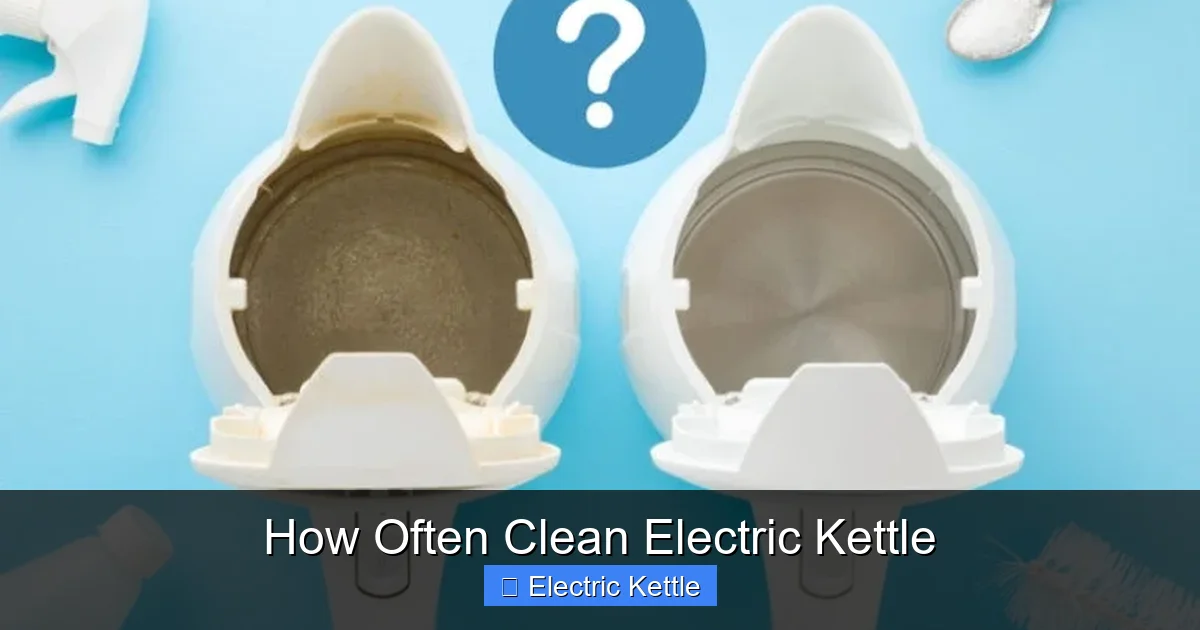
Visual guide about How Often Clean Electric Kettle
Image source: inthewash.co.uk
Daily Users in Hard Water Areas
If you live in an area with hard water—water that’s high in calcium and magnesium—you’ll likely see limescale forming faster. In these cases, cleaning every week is ideal. Hard water leaves behind white, chalky deposits that cling to the heating element and interior walls. These deposits act like insulation, forcing the kettle to work harder and use more energy to heat the same amount of water. Over time, this can lead to overheating, reduced lifespan, and even failure of the heating coil.
Occasional Users or Soft Water Regions
If you only use your kettle a few times a week or live in an area with soft water, you can stretch cleaning to every 2–4 weeks. Still, don’t wait too long. Even in soft water, oils from your hands, dust, and airborne particles can settle inside the kettle. Plus, standing water—especially if the kettle isn’t dried properly—can encourage bacterial growth.
Signs It’s Time to Clean
Don’t wait for your schedule—watch for these red flags:
- White or gray crusty buildup inside the kettle
- Water tastes metallic, chalky, or “off”
- Heating takes longer than usual
- You notice bubbles or foam when boiling
- The kettle makes unusual noises during heating
If you spot any of these, it’s time for a deep clean—no matter how recently you last cleaned it.
The Science Behind Limescale and Why It’s a Problem
Limescale isn’t just unsightly—it’s a real performance killer. When hard water is heated, the minerals (mainly calcium carbonate) precipitate out of the solution and stick to hot surfaces. In your kettle, that means the heating element, the interior walls, and even the spout.
How Limescale Affects Performance
Limescale acts as a thermal insulator. The heating element has to work harder to transfer heat through the mineral layer to the water. This means:
- Longer boiling times
- Higher electricity usage
- Increased wear and tear on the heating coil
- Potential overheating and safety risks
Studies have shown that even a 1mm layer of limescale can reduce heating efficiency by up to 15%. Over time, this adds up—both in energy costs and repair risks.
Health and Taste Concerns
While limescale itself isn’t toxic, it can harbor bacteria if left uncleaned. The rough, porous surface of mineral deposits provides a perfect environment for microbes to grow, especially if water sits in the kettle between uses. Additionally, as the scale breaks down during heating, tiny particles can end up in your water, affecting the taste of your tea, coffee, or baby formula.
For people with sensitive palates or those making beverages where water quality matters—like pour-over coffee or herbal teas—this can be a dealbreaker. A clean kettle ensures pure, fresh-tasting water every time.
Step-by-Step Guide to Cleaning Your Electric Kettle
Cleaning your electric kettle is easier than you think—and you probably already have the tools at home. Here’s a simple, effective method using natural ingredients.
What You’ll Need
- White vinegar or lemon juice
- Water
- A soft sponge or cloth
- A toothbrush (for tight spots)
- A clean towel
Method 1: Vinegar Descaling (Best for Heavy Buildup)
This is the gold standard for removing limescale.
- Fill the kettle halfway with equal parts white vinegar and water. For example, 1 cup vinegar + 1 cup water.
- Plug in the kettle and bring the solution to a boil. Let it boil for 1–2 minutes, then turn it off.
- Let the solution sit for 20–30 minutes. For heavy scale, leave it overnight.
- Pour out the vinegar solution and scrub the interior gently with a soft sponge or toothbrush. Focus on the heating element and spout.
- Rinse the kettle thoroughly 3–4 times with clean water. Fill it with fresh water, boil it once, and pour it out to remove any lingering vinegar taste.
Method 2: Lemon Juice Clean (Great for Light Buildup and Fresh Scent)
Lemon juice is a natural acid that dissolves mineral deposits and leaves a fresh scent.
- Cut a lemon in half and squeeze the juice into the kettle. Add the squeezed halves for extra cleaning power.
- Add water to cover the lemon pieces—about halfway full.
- Boil the mixture, then let it sit for 30 minutes to 1 hour.
- Pour out the liquid and scrub gently. Rinse thoroughly and boil fresh water once to eliminate any lemon residue.
Cleaning the Exterior and Handle
Don’t forget the outside! Wipe the exterior weekly with a damp cloth and mild soap. Avoid submerging the base or electrical parts in water. For stainless steel kettles, use a microfiber cloth to prevent scratches and maintain shine. If there’s stubborn grime, a paste of baking soda and water can help—just rinse well.
Pro Tips for Best Results
- Never use steel wool or abrasive scrubbers—they can scratch the interior and damage non-stick coatings.
- Always unplug the kettle before cleaning.
- If your kettle has a removable limescale filter (common in newer models), take it out and clean it separately with vinegar or soapy water.
- For kettles with glass or plastic bodies, avoid extreme temperature changes—don’t pour cold water into a hot kettle right after boiling.
Preventing Buildup: Tips for Long-Term Kettle Care
Cleaning is important, but prevention is even better. With a few smart habits, you can reduce how often you need to deep clean your kettle.
Use Filtered Water
If you have hard water, consider using a water filter. Pitcher filters, faucet attachments, or under-sink systems can significantly reduce mineral content. This not only helps your kettle last longer but also improves the taste of your drinks.
Empty and Dry After Each Use
Don’t let water sit in the kettle overnight. After boiling, pour out any leftover water and leave the lid open to air-dry. This prevents stagnant water and reduces the chance of bacterial growth.
Descale Regularly, Even If You Don’t See Scale
Just because you don’t see limescale doesn’t mean it’s not there. Microscopic deposits can still affect performance. Make descaling part of your monthly routine—like changing your toothbrush or cleaning your coffee maker.
Choose the Right Kettle for Your Water Type
If you live in a hard water area, consider investing in a kettle with a built-in water filter or one made from materials resistant to scale buildup, like high-quality stainless steel. Some premium models even have self-cleaning functions or removable heating elements for easy maintenance.
Monitor Usage Patterns
Keep a mental note of how often you use your kettle. If you’re brewing tea multiple times a day, bump up your cleaning frequency. If you only use it on weekends, you can scale back—but don’t skip it entirely.
Common Mistakes to Avoid When Cleaning Your Kettle
Even with the best intentions, it’s easy to make mistakes that can damage your kettle or reduce its effectiveness.
Using Harsh Chemicals
Avoid commercial descalers with strong acids or bleach unless recommended by the manufacturer. These can corrode internal components, leave toxic residues, or void your warranty. Stick to natural options like vinegar or lemon.
Submerging the Base
Never immerse the electrical base in water. Wipe it with a damp cloth only. Water damage to the base is one of the most common reasons kettles fail prematurely.
Skipping the Final Rinse
After descaling, always rinse thoroughly and boil fresh water at least once. Vinegar or lemon residue can affect the taste of your next cup of tea—no one wants a vinegary espresso!
Ignoring the Spout and Filter
Minerals love to collect in the spout and around the filter. Use a toothbrush to clean these tight spaces. A clogged spout can lead to splashing or uneven pouring.
Cleaning Too Aggressively
Scrubbing too hard can scratch the interior, especially on kettles with non-stick coatings. Gentle pressure and patience are key. If scale is stubborn, soak longer instead of scrubbing harder.
When to Replace Your Electric Kettle
No matter how well you clean it, every kettle has a lifespan. Most quality electric kettles last 3–5 years with proper care. But if you notice any of the following, it might be time for an upgrade:
- Persistent limescale that won’t come off, even after multiple cleanings
- Leaking from the base or spout
- Electrical issues, like failure to heat or automatic shut-off not working
- Rusting inside the kettle (a sign of corrosion)
- Unusual smells or tastes that don’t go away after cleaning
Replacing an old kettle isn’t just about convenience—it’s about safety. Faulty heating elements or electrical components can pose fire or shock risks.
Conclusion: Make Cleaning Part of Your Routine
So, how often clean electric kettle? The answer is simple: regularly. For most people, that means every 1–2 weeks. It’s a small effort that pays big dividends in better-tasting water, faster boiling, and a longer-lasting appliance.
Think of it like brushing your teeth—you wouldn’t skip it for months, so don’t skip cleaning your kettle. With just a little vinegar or lemon and 20 minutes of your time, you can keep your kettle in top shape. Your morning coffee will taste better, your energy bills will stay lower, and you’ll avoid the frustration of a broken appliance.
Make it a habit. Set a reminder on your phone. Pair it with another weekly task, like cleaning your coffee maker or changing your sheets. Before you know it, cleaning your electric kettle will feel as natural as using it. And every time you pour a fresh, hot cup, you’ll know it’s coming from a clean, well-cared-for machine.
Frequently Asked Questions
How often should I clean my electric kettle if I use it every day?
If you use your electric kettle daily, especially with hard water, clean it every 1 to 2 weeks. This prevents limescale buildup and ensures efficient heating and great-tasting water.
Can I use baking soda to clean my electric kettle?
Yes, baking soda is safe for light cleaning. Make a paste with water, gently scrub the interior, and rinse thoroughly. However, it’s less effective than vinegar or lemon for removing heavy limescale.
Is it safe to drink water from a kettle with limescale?
While limescale isn’t toxic, it can affect taste and harbor bacteria. It also reduces heating efficiency. Regular cleaning is recommended for both performance and hygiene.
Can I clean my electric kettle with dish soap?
It’s not recommended. Dish soap can leave residues that affect water taste and may not be safe to ingest in small amounts. Stick to vinegar, lemon, or manufacturer-approved cleaners.
How do I clean a kettle with a glass body?
Use the same vinegar or lemon method, but avoid sudden temperature changes. Don’t pour cold water into a hot glass kettle. Clean gently with a soft sponge to prevent scratching.
My kettle smells weird—how do I fix it?
A strange smell often comes from bacteria or old mineral deposits. Clean it with vinegar or lemon, rinse thoroughly, and let it air dry with the lid open. Boil fresh water once to flush out any remaining odor.