[FEATURED_IMAGE_PLACEGOER]
Kitchen knives are the unsung heroes of every culinary journey—whether you’re dicing onions for a weeknight pasta, filleting a salmon, or carving a holiday roast. Yet, despite their central role in food preparation, many home cooks treat their knives with casual neglect, unaware that a dull blade is not only inefficient but also dangerous. A sharp knife requires less force, cuts more precisely, and reduces the risk of slipping and injury. In contrast, a dull knife demands excessive pressure, increasing the likelihood of accidents and turning simple tasks into frustrating chores.
This guide is designed for anyone who values efficiency, safety, and precision in the kitchen—from weekend home chefs to seasoned cooking enthusiasts. Whether you’ve just invested in a high-quality Japanese gyuto or are still using the basic set that came with your first apartment, understanding how often to sharpen your kitchen knives is essential for maintaining peak performance. Over the next several thousand words, we’ll explore the science behind blade wear, the signs that indicate it’s time to sharpen, the tools and techniques available, and how your cooking habits influence maintenance frequency. You’ll learn how to extend the life of your knives, avoid common pitfalls, and make informed decisions about sharpening schedules and equipment.
The market for knife sharpening tools has evolved dramatically in recent years. Gone are the days when honing rods and whetstones were the only options. Today, you can choose from electric sharpeners, pull-through systems, guided-angle stones, and even smartphone-connected devices that analyze blade wear. With so many choices—and conflicting advice online—it’s easy to feel overwhelmed. This guide cuts through the noise, offering a comprehensive, expert-backed approach to knife sharpening frequency based on real-world usage, material science, and professional kitchen practices. By the end, you’ll have a clear, personalized strategy for keeping your knives razor-sharp year-round.
What to Look for When Buying Buying Guide
1. Blade Steel Type and Hardness (HRC)
The type of steel your knife is made from—and its hardness measured on the Rockwell C scale (HRC)—is the single most important factor in determining how often it needs sharpening. High-carbon stainless steels like VG-10, AUS-10, or Shirogami (white paper steel) are common in quality kitchen knives and typically range from 58 to 62 HRC. Knives in the 58–60 HRC range are durable and resistant to chipping but may dull faster than harder blades. Those at 60–62 HRC hold an edge longer but are more brittle and prone to micro-chipping if mishandled.
Softer steels (below 56 HRC), often found in budget or stamped knives, are easier to sharpen but lose their edge quickly—sometimes after just a few uses. Conversely, ultra-hard Japanese blades (62+ HRC) can retain sharpness for weeks or even months with light use but require more skill and the right tools to sharpen properly. When evaluating a knife’s sharpening needs, always check the manufacturer’s specifications for steel type and HRC. A knife made from CPM-S35VN steel at 60 HRC, for example, will behave very differently from a German-made X50CrMoV15 blade at 56 HRC, even if they look similar.
2. Frequency and Type of Use
How often you use your knife—and what you use it for—directly impacts sharpening frequency. A chef who chops vegetables, meats, and herbs daily will need to sharpen their knives far more often than someone who cooks once or twice a week. But it’s not just about volume; the nature of the task matters too. Cutting through bones, frozen foods, or hard root vegetables like carrots and squash accelerates edge degradation. Similarly, using a knife as a screwdriver, can opener, or pry tool—common but ill-advised habits—will quickly ruin even the sharpest edge.
Consider this: a home cook who primarily slices soft ingredients like tomatoes, herbs, and bread may only need to sharpen their chef’s knife every 3–6 months. In contrast, a professional line cook handling 50+ pounds of produce daily might sharpen the same knife every 1–2 weeks. Even within a single household, different knives wear at different rates. A paring knife used for delicate peeling may stay sharp for months, while a bread knife with its serrated edge can go years without sharpening—though it will eventually lose effectiveness.
3. Cutting Surface Material
The surface you cut on plays a surprisingly large role in how quickly your knife dulls. Glass, ceramic, and stone cutting boards are the worst offenders—they’re harder than most knife steels and will rapidly abrade the edge. Even some “knife-friendly” plastic boards, if worn or scratched, can accelerate wear. The ideal surfaces are wooden or bamboo boards, which are slightly softer than steel and allow the blade to sink in without excessive resistance. High-density polyethylene (HDPE) boards are also excellent, offering durability and edge protection.
A study by the University of Michigan found that knives used on glass boards lost sharpness up to 300% faster than those used on wood. If you’re using a hard surface, consider switching to a wooden or bamboo board—even a small change can double or triple the time between sharpenings. Additionally, avoid cutting directly on countertops, plates, or metal sinks, as these surfaces can chip or roll the edge.
4. Maintenance Routine and Honing Habits
Sharpening and honing are not the same—and both are essential. Honing realigns the microscopic edge of the blade (a process called “burr realignment”) without removing material, while sharpening grinds away steel to create a new edge. Most people confuse the two, leading to unnecessary sharpening or neglected maintenance.
A proper maintenance routine includes daily or weekly honing with a steel rod (also called a honing steel). This should be done before or after heavy use to keep the edge straight and functional. A well-honed knife can perform nearly as well as a freshly sharpened one. However, honing doesn’t replace sharpening—it only delays it. If you neglect honing, the edge will deform faster, requiring more frequent sharpening and greater material removal, which shortens the knife’s lifespan.
5. Sharpening Method and Skill Level
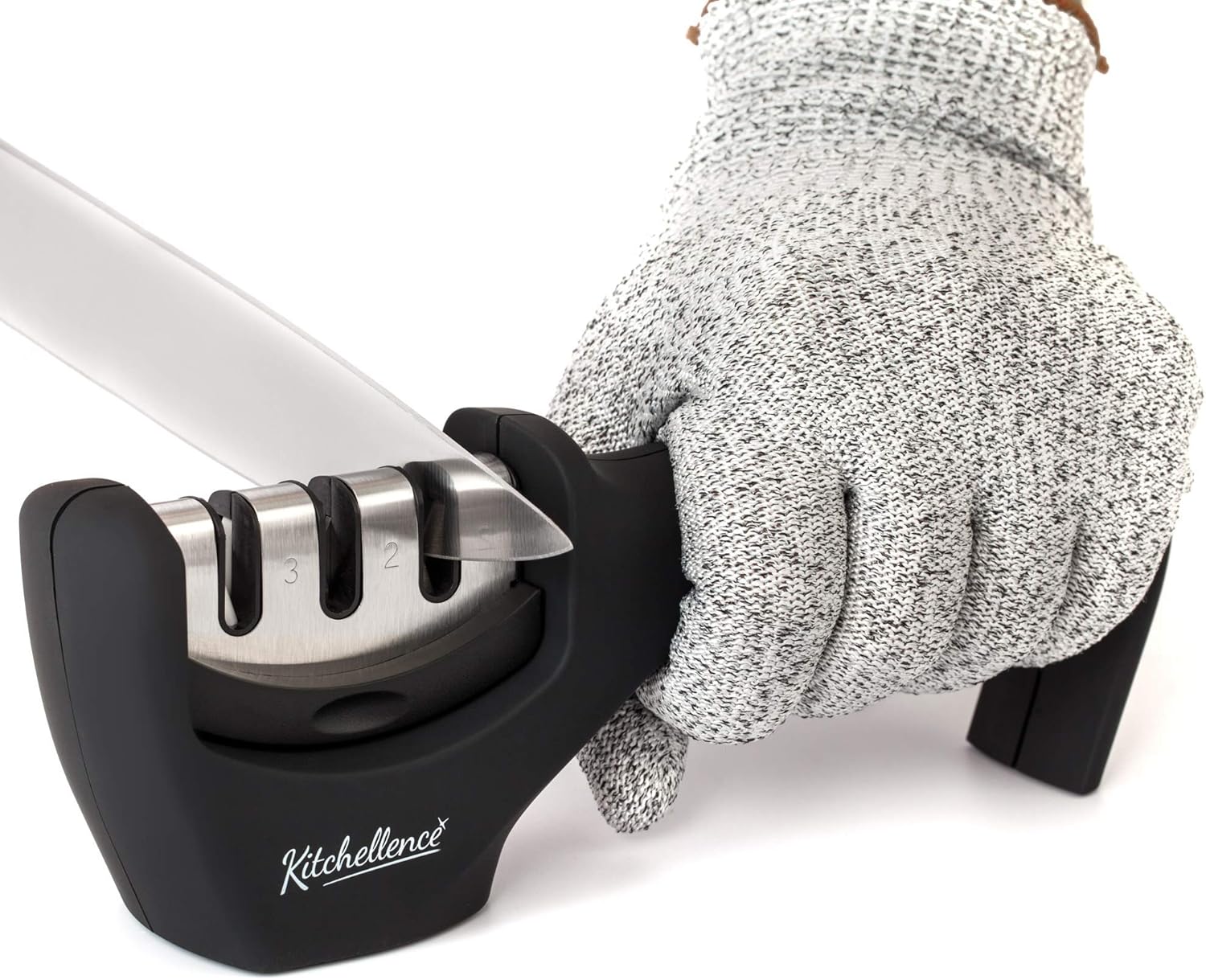
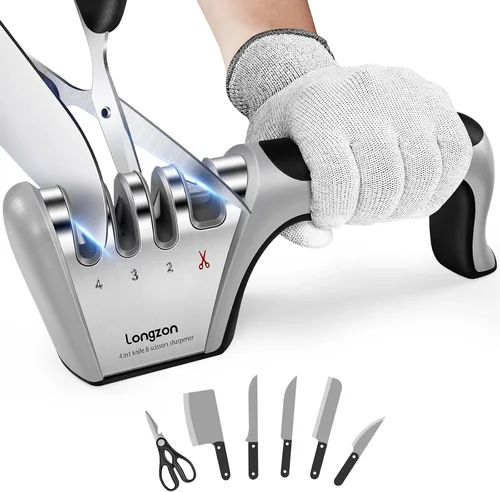
The tools and techniques you use to sharpen your knives affect both the frequency of sharpening and the quality of the edge. Beginners often rely on pull-through electric sharpeners, which are convenient but can remove too much material, leading to faster wear over time. These devices typically use preset angles and abrasive wheels, which may not match your knife’s optimal geometry.
Whetstones (also called water stones or sharpening stones) offer the most control and precision. They allow you to set custom angles, use different grits (coarse for repair, fine for polishing), and achieve a razor-sharp edge. However, they require practice and patience. Guided sharpening systems, like the Work Sharp Precision Adjust or the Lansky system, combine the ease of electric sharpeners with the precision of stones by holding the knife at a fixed angle.
Your skill level matters. A novice using a whetstone may take 20 minutes to sharpen a knife and still end up with an uneven edge. An experienced sharpener can do it in 5 minutes with superior results. If you’re not confident in your sharpening ability, consider professional sharpening services every 6–12 months, supplemented by regular honing at home.
6. Knife Age and Condition
Older knives or those with existing damage—such as chips, rolls, or deep scratches—require more frequent sharpening. A rolled edge (where the tip bends slightly) can often be fixed with honing, but a chipped edge needs grinding to remove the damaged section. Each time you sharpen a damaged knife, you lose more material, which shortens its usable life.
Additionally, knives that have been improperly stored—such as tossed in a drawer with other utensils—are more likely to develop nicks and dull spots. Over time, these micro-damages accumulate, making the knife harder to sharpen and reducing its overall performance. Inspect your knives regularly for signs of wear. If you notice chips or excessive rolling, it’s time for a full sharpening, even if the knife still feels “sharp” to the touch.
7. Environmental Factors
Humidity, temperature, and exposure to acidic foods can affect blade integrity and, indirectly, sharpening frequency. High humidity can lead to rust or corrosion, especially on carbon steel knives, which may require more frequent maintenance. Acidic ingredients like citrus, tomatoes, and vinegar can etch the edge over time, creating micro-pitting that dulls the blade.
While these factors don’t directly determine sharpening intervals, they influence how well your knife holds an edge. For example, a carbon steel knife used frequently with acidic ingredients may need sharpening every 4–6 weeks, whereas the same knife used only for dry goods could go 3–4 months. Storing knives in a dry, ventilated area—preferably in a knife block, magnetic strip, or sheath—helps preserve the edge and reduce maintenance needs.
8. Personal Preference and Cutting Feel
Finally, sharpening frequency is partly subjective. Some cooks prefer an aggressively sharp edge that slices through paper with ease, while others are satisfied with a functional edge that gets the job done. Your personal tolerance for dullness will influence how often you sharpen.
A good test is the “paper test”: try slicing a sheet of printer paper. If the knife cuts cleanly without tearing, it’s sharp. If it snags or requires pressure, it’s time to sharpen. Another method is the “tomato test”—a truly sharp knife should glide through a ripe tomato’s skin with minimal pressure. If you’re hesitating or sawing, your edge has degraded.
Different Types of Buying Guide

Common Buying Mistakes to Avoid
❌ Mistake: Sharpening Too Frequently
Why it’s bad: Over-sharpening removes unnecessary material, shortening the knife’s lifespan. Each sharpening session grinds away steel, and excessive sharpening can lead to a thinner, weaker blade over time. This is especially true with electric sharpeners, which can remove metal rapidly.
What to do instead: Focus on regular honing instead. Use a honing steel 2–3 times per week to maintain the edge. Only sharpen when the knife fails the paper or tomato test. Most home cooks only need to sharpen their chef’s knife every 2–6 months.
❌ Mistake: Using the Wrong Angle
Why it’s bad: Sharpening at an incorrect angle—too steep or too shallow—results in a weak or ineffective edge. Japanese knives typically require 15–17 degrees, while Western knives are best at 20 degrees. Deviating significantly reduces cutting performance and accelerates wear.
What to do instead: Research your knife’s recommended angle and use a guided system or angle marker. Many whetstones come with angle guides, or you can use a digital angle finder for precision.
❌ Mistake: Neglecting Honing
Why it’s bad: Skipping honing leads to a deformed edge that dulls faster. Without regular realignment, the blade develops a “rolled” edge that requires more aggressive sharpening to fix.
What to do instead: Make honing a habit. Use a steel rod before or after heavy use. Even 30 seconds of honing can make a noticeable difference in performance.
❌ Mistake: Using Dull or Worn Sharpening Tools
Why it’s bad: A flat or clogged whetstone won’t sharpen effectively. Similarly, a damaged electric sharpener can create uneven edges or overheat the blade.
What to do instead: Flatten your whetstones regularly with a lapping plate. Replace electric sharpener wheels as recommended. Inspect tools before each use.
❌ Mistake: Sharpening on the Wrong Surface
Why it’s bad: Using a slippery or unstable surface increases the risk of injury. It also makes it harder to maintain a consistent angle.
What to do instead: Place a damp towel under your whetstone or use a non-slip base. Work on a stable, well-lit countertop.
❌ Mistake: Ignoring Knife-Specific Needs
Why it’s bad: Treating all knives the same leads to poor results. A paring knife needs a finer edge than a cleaver, and a serrated knife requires specialized tools.
What to do instead: Tailor your sharpening approach to each knife. Use finer grits for precision blades and coarser grits for heavy-duty tools. Consider professional sharpening for serrated or specialty knives.
❌ Mistake: Storing Knives Improperly
Why it’s bad: Knives stored in drawers can chip or dull from contact with other utensils. Exposure to moisture can cause rust.
What to do instead: Use a knife block, magnetic strip, or individual sheaths. Keep knives dry and away from humidity.
Budget Guidelines: How Much Should You Spend?
Entry-Level ($10–$40): This range includes basic pull-through sharpeners and inexpensive honing steels. They’re suitable for occasional use and budget-conscious buyers but often lack precision and durability. Expect to replace them every 1–2 years.
Mid-Range ($50–$120): The sweet spot for most home cooks. This tier includes quality whetstones (like King or Shapton), decent electric sharpeners (e.g., Chef’sChoice), and guided systems. These tools offer good performance, longevity, and ease of use.
Premium ($130–$250): For enthusiasts and serious home chefs. High-end whetstones (Naniwa, Suehiro), professional electric sharpeners, and precision-guided systems fall here. They deliver superior edges and last for years with proper care.
Luxury ($250+): Top-tier sharpening systems, custom-made stones, and professional-grade equipment. These are for collectors, chefs, or those who demand perfection. While not necessary for most, they offer unparalleled control and results.
Expert Tips for Getting the Best Deal
- Buy during off-seasons: Look for sales in late winter or early spring, when kitchen gadget demand dips.
- Check manufacturer refurbished programs: Many brands sell certified pre-owned sharpeners at 30–50% off.
- Bundle purchases: Some retailers offer discounts when you buy a knife and sharpener together.
- Read return policies: Ensure you can test the sharpener and return it if it doesn’t meet expectations.
- Invest in quality stones: A $100 whetstone set will outlast five $20 pull-through sharpeners.
- Learn before you buy: Watch tutorials or take a sharpening class to understand your needs.
- Consider professional services: For high-end knives, occasional professional sharpening may be more cost-effective than buying expensive tools.

Frequently Asked Questions
Q: How often should I sharpen my chef’s knife?
A: For most home cooks, every 3–6 months is sufficient. Heavy users may need to sharpen every 1–2 months. Always rely on performance tests, not a fixed schedule.
Q: Can I sharpen a knife too much?
A: Yes. Over-sharpening removes excess material, thinning the blade and reducing its lifespan. Sharpen only when necessary.
Q: Do electric sharpeners damage knives?
A: They can if used improperly. Cheap models may overheat the blade or remove too much steel. Choose a reputable brand and follow instructions.
Q: How do I know if my knife needs sharpening?
A: Use the paper or tomato test. If the knife struggles to cut cleanly, it’s time to sharpen.
Q: Can I sharpen serrated knives at home?
A: It’s difficult and not recommended for beginners. Use a tapered sharpening rod or seek professional help.
Q: Should I soak my whetstones?
A: Only if they’re oil stones or require soaking (check manufacturer instructions). Most water stones need 5–10 minutes in water before use.
Q: Is honing the same as sharpening?
A: No. Honing realigns the edge; sharpening removes metal to create a new edge. Both are essential.
Q: How long does a sharpened knife stay sharp?
A: It depends on use, steel, and maintenance. With regular honing, a sharp edge can last weeks to months.
Q: Can I use a honing steel on a ceramic knife?
A: No. Ceramic knives require diamond stones or professional sharpening. Honing steels can damage them.
Q: What’s the best angle for sharpening a Japanese knife?
A: Typically 15–17 degrees per side. Some single-bevel knives (like yanagiba) may require 12–15 degrees.
Our Final Recommendations
- Best for Budget-Conscious Buyers: Smith’s PP1 Pocket Pal Pull-Through Sharpener ($15) – Affordable, portable, and effective for basic maintenance.
- Best Overall Value: King 1000/6000 Grit Combination Whetstone ($45) – Offers excellent sharpening and polishing at a reasonable price.
- Best Premium Option: Work Sharp Precision Adjust Sharpener ($130) – Combines guided angles with multiple abrasives for professional results.
- Best for Beginners: Chef’sChoice Trizor XV EdgeSelect ($100) – Electric sharpener with preset angles, ideal for learning.
- Best for Advanced Users: Naniwa Super Stone 500/3000 Grit Set ($120) – High-performance stones for precision sharpening and edge refinement.
Conclusion: Making the Right Choice
Keeping your kitchen knives sharp isn’t just about performance—it’s about safety, efficiency, and respect for your tools. The frequency of sharpening depends on a combination of factors: the steel, your usage habits, the cutting surface, and your maintenance routine. While there’s no one-size-fits-all answer, the guidelines in this guide will help you develop a personalized sharpening schedule that keeps your knives in peak condition.
Remember, a sharp knife is a safe knife. Invest in quality sharpening tools, practice proper technique, and listen to your knives. When they start to struggle, don’t wait—sharpen them. With the right approach, your knives will serve you well for decades, turning every meal prep into a joy rather than a chore.
Take the time to assess your current setup, choose the right tools for your needs, and commit to regular maintenance. Your future self—and your taste buds—will thank you.