Descaling your electric kettle regularly is essential for performance, taste, and longevity. The frequency depends on water hardness, usage, and model—but most kettles need descaling every 1–3 months. Neglecting it can lead to limescale buildup, slower heating, and off-flavors in your tea or coffee.
Key Takeaways
- Descaling frequency varies by water hardness: If you live in a hard water area, descale every 4–6 weeks; in soft water areas, every 2–3 months may suffice.
- Daily users should descale more often: Frequent boiling accelerates mineral buildup, so weekly or bi-weekly checks are wise.
- Signs you need to descale include: White or chalky deposits, slower heating, odd tastes, or reduced water flow.
- Use natural cleaners like vinegar or citric acid: These are safe, effective, and eco-friendly alternatives to harsh chemicals.
- Follow your kettle’s manual: Some models have built-in indicators or specific descaling instructions—don’t ignore them.
- Prevention is better than cure: Using filtered water can reduce scaling and extend time between cleanings.
- Regular descaling improves efficiency and taste: A clean kettle heats faster, uses less energy, and keeps your beverages tasting fresh.
📑 Table of Contents
Why Descaling Your Electric Kettle Matters
You probably use your electric kettle every day—maybe multiple times. Whether it’s for morning coffee, afternoon tea, or instant noodles, this small appliance works hard. But over time, something invisible starts to build up inside: limescale. It’s made of minerals like calcium and magnesium that are naturally present in water, especially hard water. When you boil water repeatedly, these minerals don’t evaporate—they settle on the heating element, the interior walls, and even the spout.
This buildup might not seem like a big deal at first. But left unchecked, limescale can cause real problems. It insulates the heating element, making your kettle work harder and take longer to boil. That means higher energy bills and more wear on the appliance. Worse, it can affect the taste of your drinks. Ever notice a weird metallic or chalky flavor in your tea? That could be scale leaching into your water. And if the spout gets clogged, you might end up with sputtering or uneven pouring. Descaling isn’t just about cleanliness—it’s about performance, safety, and enjoyment.
How Often Should You Descale Your Electric Kettle?
The million-dollar question: how often to descale electric kettle? The short answer? It depends. There’s no one-size-fits-all schedule because several factors influence how quickly limescale builds up. The most important is your water hardness. If you live in an area with hard water—common in places like the Midwest U.S., parts of the UK, or Australia—you’ll need to descale more frequently. Soft water areas, like some coastal regions, may allow longer intervals.
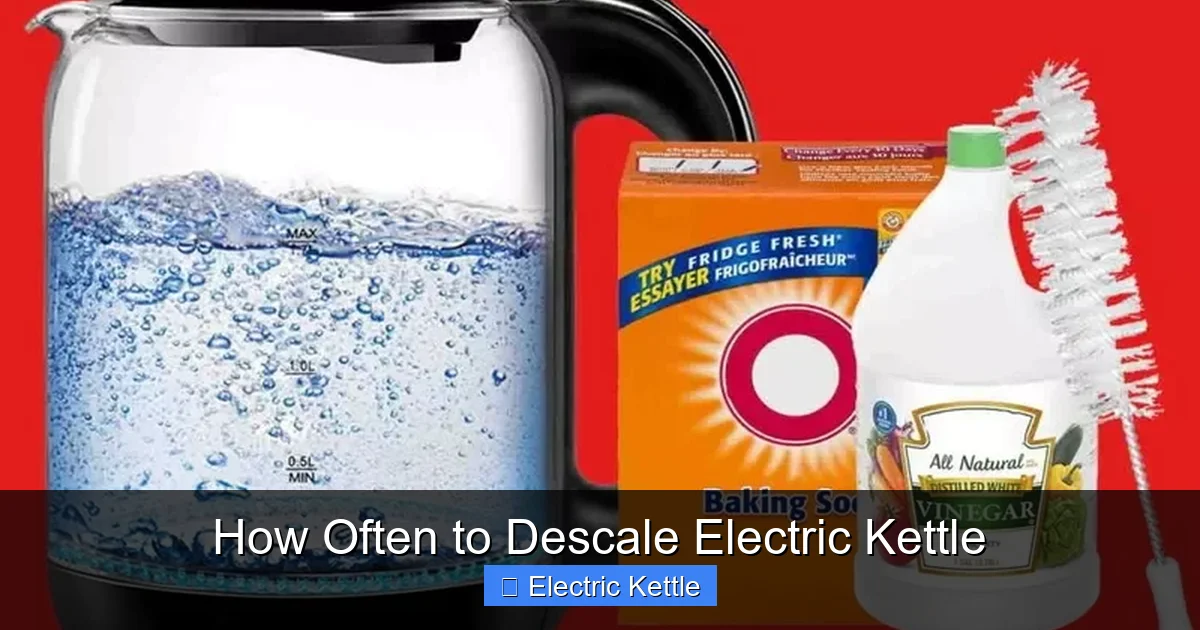
Visual guide about How Often to Descale Electric Kettle
Image source: irrorwxhiqijjr5q.ldycdn.com
Usage frequency also plays a big role. If you boil water multiple times a day, your kettle is working overtime. That means more mineral deposits accumulating faster. A household of four making tea, coffee, and instant meals daily will need to descale more often than someone who uses their kettle once a week. As a general rule, most manufacturers recommend descaling every 1 to 3 months. But don’t just rely on the calendar—watch for signs.
Signs It’s Time to Descale
Your kettle will often give you clues that it’s time for a deep clean. One of the most obvious is visible limescale—white, chalky, or grayish deposits on the inside walls, around the heating element, or near the spout. You might also notice a film or cloudiness in the water, especially after boiling. Another red flag is slower heating. If your kettle used to boil in under two minutes and now takes three or four, scale could be insulating the heating coil.
Taste changes are another telltale sign. If your tea or coffee starts tasting off—metallic, bitter, or just “not right”—it could be due to mineral buildup. Even if you can’t see scale, it might be dissolving into the water. Reduced water flow is another symptom. If water sprays out unevenly or the spout seems partially blocked, mineral deposits may be narrowing the opening. And don’t ignore strange noises—gurgling, popping, or rattling during boiling can indicate trapped steam or scale interfering with heat transfer.
Factors That Affect Descaling Frequency
Let’s break down the key factors that determine how often you should descale your electric kettle. First and foremost is water hardness. You can usually find out your local water hardness from your municipal water provider or by using a home test kit. Hard water (over 120 mg/L of calcium carbonate) means more frequent descaling—every 4 to 6 weeks for daily users. Moderate water (60–120 mg/L) might allow 6–8 weeks, while soft water (under 60 mg/L) could go 2–3 months between cleanings.
Usage frequency is equally important. A family that boils water 5–10 times a day will need to descale much more often than a single person using it once or twice. Think of it like brushing your teeth—the more you eat, the more often you need to clean. Similarly, the more you boil, the more minerals accumulate. Kettle design also matters. Models with exposed heating elements (like coil-style kettles) tend to collect scale faster than those with hidden or flat elements. Some newer kettles have anti-scale coatings or filters, which can extend time between cleanings.
Finally, consider your water source. If you use tap water straight from the faucet, you’re getting whatever minerals are in your local supply. But if you use filtered or distilled water, you’ll significantly reduce scaling. A simple water filter pitcher or under-sink system can make a big difference. Even switching to bottled spring water (which is often softer than tap) can help. Prevention is always easier than cleaning.
Best Methods to Descale Your Electric Kettle
Now that you know how often to descale electric kettle, let’s talk about how to do it. The good news? It’s simple, inexpensive, and doesn’t require special tools. The most popular and effective method uses household vinegar. White distilled vinegar is ideal because it’s acidic enough to dissolve limescale but safe for food contact. Here’s how to do it: fill your kettle halfway with equal parts water and vinegar. For example, if your kettle holds 1.7 liters, use about 425 ml of water and 425 ml of vinegar. Let it sit for at least 30 minutes—or overnight for heavy buildup.
After soaking, boil the vinegar solution. Let it boil for 5–10 minutes, then turn off the kettle and let it cool. Pour out the liquid and rinse the kettle thoroughly with clean water—several times, if needed. You might notice a strong vinegar smell at first, but it will fade after a few rinses. For extra freshness, boil a few cycles of plain water and discard it before using the kettle for drinks. If you’re not a fan of vinegar smell, you can add a slice of lemon or a teaspoon of baking soda to neutralize it.
Using Citric Acid for Descaling
If vinegar isn’t your thing, citric acid is a great alternative. It’s a natural compound found in citrus fruits and is widely used in food and cleaning products. It’s odorless, non-toxic, and highly effective at breaking down limescale. You can find citric acid powder at grocery stores, pharmacies, or online. To use it, mix 1–2 tablespoons of citric acid with enough water to fill your kettle about halfway. Stir until dissolved, then let it sit for 30 minutes to an hour.
After soaking, boil the solution for 5–10 minutes. Turn off the kettle, let it cool, and pour out the liquid. Rinse thoroughly with clean water, repeating 2–3 times to ensure no residue remains. Citric acid is especially good for kettles with stainless steel interiors, as it’s gentle and won’t leave odors. Some people prefer it over vinegar because it doesn’t have a strong smell and feels “cleaner” to use. Plus, it’s biodegradable and eco-friendly.
Commercial Descaling Solutions
For those who want a ready-made solution, commercial descaling products are available. Brands like Durgol, Viakal, and Finish make descaling liquids specifically for kettles, coffee makers, and other appliances. These are formulated to be safe and effective, often with added rinsing agents to minimize odor. Follow the instructions on the label—usually, you dilute the solution, run it through a boil cycle, and rinse thoroughly.
While convenient, commercial products can be more expensive than vinegar or citric acid. They may also contain chemicals that require extra rinsing. If you have sensitivities or prefer natural options, stick with household ingredients. But if you’re dealing with severe scaling or want a no-fuss solution, a commercial descaler can be a good choice. Just make sure it’s labeled safe for electric kettles and food contact.
DIY Tips for Tough Buildup
Sometimes, limescale is stubborn—especially if you’ve gone too long without descaling. In these cases, you might need a stronger approach. Try doubling the vinegar or citric acid concentration. For example, use 1 part vinegar to 1 part water, or 3 tablespoons of citric acid per liter of water. Let it soak longer—up to 2 hours or overnight. You can also gently scrub the inside with a soft sponge or brush (avoid abrasive pads that could scratch).
For the heating element, if it’s accessible, use a cotton swab dipped in vinegar to clean around it. Be careful not to damage any components. If your kettle has a removable filter or mesh screen in the spout, take it out and soak it separately. Some people even use a mixture of baking soda and water to create a paste for scrubbing—though this is more for surface stains than deep descaling. Always rinse thoroughly after any treatment.
Preventing Limescale Buildup
Descaling is important, but prevention is even better. The less scale that forms, the less often you’ll need to clean. One of the easiest ways to reduce buildup is by using filtered water. A simple water filter pitcher can remove many of the minerals that cause scaling. If you’re serious about it, consider an under-sink filtration system or a whole-house water softener—though that’s a bigger investment.
Another tip: don’t let water sit in the kettle for long periods. After boiling, pour out any unused water. Stagnant water allows minerals to settle and bond to surfaces. If you’re making multiple cups, boil only what you need. This reduces the number of boil cycles and minimizes mineral deposition. Also, avoid boiling water that’s already been boiled—reboiling concentrates minerals and speeds up scaling.
Regular maintenance helps too. Wipe down the exterior and spout after use to prevent mineral splashes from drying and hardening. Check the interior weekly for early signs of scale. If you spot a thin white film, don’t wait—descale right away. Catching it early makes the job easier and protects your kettle. And if your kettle has a built-in filter, clean or replace it as recommended.
Special Considerations for Different Kettle Types
Not all electric kettles are created equal, and some require special care when descaling. Glass kettles, for example, are beautiful but can show scale more visibly. They’re also more fragile, so avoid abrasive scrubbing. Use vinegar or citric acid gently, and rinse well to prevent cloudiness. Stainless steel kettles are durable and resist staining, but scale can still build up inside. They respond well to most descaling methods, but avoid harsh chemicals that could damage the finish.
Ceramic kettles are less common but offer a classic look. They’re porous, so they can absorb odors and stains if not cleaned properly. Use mild descaling solutions and avoid soaking for too long. Plastic kettles are lightweight and affordable, but they can retain smells and may degrade over time with strong acids. Use diluted vinegar or citric acid, and rinse thoroughly. Always check your kettle’s manual—some materials or coatings may have specific cleaning guidelines.
Kettles with built-in filters or anti-scale technology may need less frequent descaling, but don’t skip it entirely. Filters catch some minerals, but they don’t stop all buildup. Clean or replace filters regularly, and still descale the main chamber as needed. Smart kettles with digital displays or temperature controls should be descaled carefully—avoid getting liquid into electronic components. Unplug the kettle and wipe the exterior with a damp cloth after descaling.
Common Mistakes to Avoid
Even with the best intentions, it’s easy to make mistakes when descaling. One common error is using too much vinegar or acid. While it’s tempting to “double down” on cleaning power, excessive acid can damage seals, gaskets, or coatings over time. Stick to recommended ratios—usually 1:1 vinegar to water or 1–2 tablespoons of citric acid per liter.
Another mistake is not rinsing thoroughly. Residual vinegar or citric acid can affect the taste of your drinks, even after boiling. Rinse at least 2–3 times with clean water, and consider boiling a cycle of fresh water to flush out any lingering traces. Also, don’t descale too often. Over-cleaning with strong acids can wear down materials. Follow the recommended frequency based on your usage and water hardness.
Ignoring the manual is another pitfall. Some kettles have specific descaling instructions or warnings. For example, certain models may advise against using vinegar due to odor retention. Others may have removable parts that need separate cleaning. Always check the manufacturer’s guidelines. And never use bleach, ammonia, or abrasive cleaners—they can be toxic or damage the kettle.
Conclusion: Keep Your Kettle Clean and Efficient
Knowing how often to descale electric kettle is key to keeping it running smoothly and your drinks tasting great. While the ideal frequency depends on water hardness, usage, and kettle type, most users should aim for every 1–3 months. Watch for signs like visible scale, slower heating, or off-flavors, and act quickly when you spot them. Natural cleaners like vinegar and citric acid are safe, effective, and affordable.
Regular descaling isn’t just about maintenance—it’s about enjoying better-tasting tea and coffee, saving energy, and extending the life of your appliance. A little effort goes a long way. By making descaling part of your routine, you’ll ensure your kettle stays clean, efficient, and reliable for years to come. So next time you boil water, take a moment to check inside. Your future self—and your taste buds—will thank you.
Frequently Asked Questions
How often should I descale my electric kettle if I use it daily?
If you use your electric kettle daily, especially in a hard water area, descale every 4 to 6 weeks. Daily boiling accelerates mineral buildup, so regular cleaning prevents performance issues and taste changes.
Can I use lemon juice instead of vinegar to descale?
Yes, lemon juice works well for descaling because it contains citric acid. Use the juice of 1–2 lemons mixed with water, soak for 30 minutes, then boil and rinse. It’s natural and leaves a fresh scent.
Is it safe to drink water after descaling with vinegar?
Yes, as long as you rinse the kettle thoroughly. Boil and discard 2–3 cycles of clean water after descaling to remove any vinegar taste. Once rinsed, it’s completely safe for drinking.
What happens if I never descale my electric kettle?
Neglecting descaling leads to limescale buildup, which slows heating, increases energy use, affects taste, and can damage the heating element. Over time, your kettle may stop working efficiently or fail entirely.
Can I descale a kettle with a built-in filter?
Yes, but clean the filter separately. Remove it and soak in vinegar or citric acid solution, then rinse. Descale the main chamber as usual, but avoid submerging electronic parts if it’s a smart kettle.
Does using filtered water reduce the need for descaling?
Absolutely. Filtered water removes many minerals that cause scaling, especially calcium and magnesium. This can extend the time between descaling sessions, especially in hard water areas.