Boiling an egg in an electric kettle is a fast, convenient, and surprisingly effective method—especially when you’re in a dorm, office, or short on kitchen tools. With the right technique, you can achieve perfectly cooked eggs without a stove, making it ideal for travelers, students, and busy professionals.
Key Takeaways
- Electric kettles can safely boil eggs: Most modern kettles are designed to handle eggs without damage, as long as you follow proper steps.
- Timing determines doneness: Soft-boiled eggs take 6–7 minutes, medium at 8–9 minutes, and hard-boiled at 10–12 minutes after boiling starts.
- Use room-temperature eggs: Cold eggs from the fridge may crack when exposed to sudden heat in the kettle.
- Don’t overfill the kettle: Leave space for the eggs and water to prevent boiling over or pressure buildup.
- Cool eggs immediately after cooking: Plunge them into cold water to stop cooking and make peeling easier.
- Clean your kettle afterward: Egg residue can leave odors or stains, so rinse thoroughly after use.
- Not all kettles are equal: Check your kettle’s capacity and material—glass and stainless steel work best for egg boiling.
📑 Table of Contents
- Can You Really Boil an Egg in an Electric Kettle?
- Why Boil Eggs in an Electric Kettle?
- Choosing the Right Electric Kettle for Boiling Eggs
- Step-by-Step Guide: How to Boil an Egg in an Electric Kettle
- Tips for Perfect Results Every Time
- Safety Considerations and Common Mistakes
- Creative Ways to Use Boiled Eggs
- Conclusion
Can You Really Boil an Egg in an Electric Kettle?
You might be wondering—can you actually boil an egg in an electric kettle? The short answer is yes! While electric kettles are primarily designed for heating water, many people have discovered that they can also be used to cook eggs quickly and efficiently. This method is especially popular among college students, travelers, office workers, and anyone without access to a full kitchen.
The idea isn’t as unusual as it sounds. Electric kettles heat water rapidly and maintain a consistent boiling temperature, which is exactly what you need to cook eggs properly. As long as you follow a few simple guidelines, boiling eggs in an electric kettle is not only possible but also safe and effective. It’s a clever hack that saves time, energy, and cleanup.
But before you drop an egg into your kettle, it’s important to understand the basics. Not all kettles are created equal, and some methods work better than others. In this guide, we’ll walk you through everything you need to know—from choosing the right kettle to mastering the perfect boil. Whether you’re craving a soft-boiled egg for toast or a hard-boiled one for a salad, this method can deliver consistent results with minimal effort.
Why Boil Eggs in an Electric Kettle?
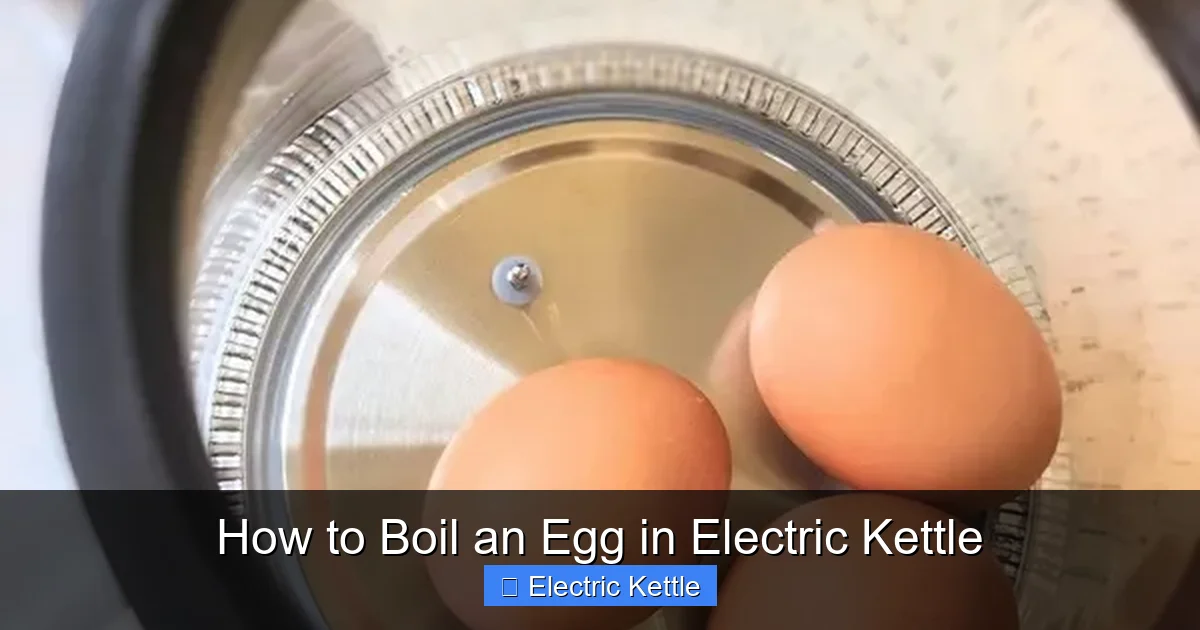
Visual guide about How to Boil an Egg in Electric Kettle
Image source: irrorwxhiqijjr5q.ldycdn.com
So why would anyone want to boil eggs in an electric kettle when stovetops and pots are readily available? The truth is, this method offers several practical advantages that make it worth considering—especially in certain situations.
First and foremost, it’s incredibly convenient. If you’re in a dorm room, hotel, or office break room, you might not have access to a stove or oven. An electric kettle, however, is a common appliance in many of these spaces. It’s compact, easy to use, and heats up in just a few minutes. Boiling eggs this way eliminates the need for pots, pans, and extra cleanup.
Another benefit is speed. Electric kettles are designed to boil water faster than most stovetops. This means your eggs will start cooking sooner, and you’ll have your meal ready in record time. Plus, since the kettle automatically shuts off when the water reaches boiling point, there’s less risk of overcooking or boiling over.
Energy efficiency is another plus. Electric kettles use less energy than stovetops, especially for small tasks like boiling a couple of eggs. This makes them an eco-friendly option for quick meals. And let’s not forget the simplicity—no need to monitor a pot on the stove or worry about timing. Just add water, add eggs, and let the kettle do the work.
Perfect for Small Spaces
One of the biggest advantages of using an electric kettle to boil eggs is its suitability for small living spaces. College dorms, tiny apartments, and RVs often lack full kitchens, but they usually have a microwave or electric kettle. In these environments, the kettle becomes a multi-functional tool—great for tea, coffee, instant noodles, and yes, eggs.
Students, in particular, love this hack. Instead of relying on expensive meal plans or fast food, they can prepare a nutritious, protein-rich snack in minutes. A boiled egg is filling, healthy, and pairs well with toast, crackers, or a simple salad. It’s also a great way to add protein to a vegetarian or plant-based diet.
Ideal for Travelers
Travelers can also benefit from this method. Many hotels provide electric kettles in rooms for coffee and tea. Instead of ordering room service or eating out for every meal, guests can boil eggs for a quick breakfast or snack. It’s a budget-friendly way to stay nourished, especially on long trips or during layovers.
Even campers and backpackers are getting in on the action. Portable electric kettles are lightweight and battery-powered, making them perfect for outdoor adventures. With a reliable power source, you can enjoy a hot, protein-packed egg even in the middle of the wilderness.
Choosing the Right Electric Kettle for Boiling Eggs
Not all electric kettles are suitable for boiling eggs. While many can handle the task, some designs and materials work better than others. Before you start, it’s important to assess your kettle to ensure it’s up to the job.
First, consider the material. Stainless steel and glass kettles are the best choices for boiling eggs. They’re durable, easy to clean, and less likely to retain odors or stains from egg residue. Avoid plastic kettles if possible, as they can absorb smells and may not withstand prolonged exposure to high heat with eggs inside.
Next, check the capacity. Most standard kettles hold between 1 to 1.7 liters of water. For boiling eggs, you’ll want enough room to submerge them completely without the water level rising too close to the spout. Overfilling can cause boiling water to spill out, which is both messy and potentially dangerous.
Look for a kettle with a wide opening. This makes it easier to place eggs in and take them out without cracking them. Some kettles have narrow necks or small lids, which can make the process tricky. A wide mouth also allows for better airflow and reduces the risk of pressure buildup.
Automatic vs. Manual Kettles
Most modern electric kettles are automatic, meaning they shut off when the water reaches boiling point. This is ideal for boiling eggs because it prevents overheating and reduces the risk of boiling over. However, if your kettle doesn’t have an automatic shut-off, you’ll need to monitor it closely and turn it off manually once the water boils.
Manual kettles require more attention, but they can still be used safely. Just be sure to stay nearby and watch for signs that the water is boiling. Once it starts bubbling vigorously, you can turn off the kettle and let the eggs continue cooking in the hot water.
Kettle Shape and Design
The shape of your kettle also matters. Kettles with a flat bottom and wide base tend to distribute heat more evenly, which helps cook eggs consistently. Avoid kettles with narrow or curved interiors, as they may cause eggs to bump against the sides or get stuck.
Some kettles come with built-in filters or mesh screens near the spout. While these are great for keeping limescale out of your tea, they can interfere with placing eggs inside. If your kettle has a filter, make sure it’s removable or positioned in a way that doesn’t block the eggs.
Step-by-Step Guide: How to Boil an Egg in an Electric Kettle
Now that you’ve chosen the right kettle, it’s time to get cooking. Follow these simple steps to boil eggs perfectly every time—whether you prefer them soft, medium, or hard.
Step 1: Prepare Your Eggs
Start by taking your eggs out of the refrigerator and letting them sit at room temperature for about 10–15 minutes. Cold eggs are more likely to crack when exposed to sudden heat, so this step is crucial for preventing messes.
While the eggs are warming up, fill your kettle with enough water to fully submerge them. A good rule of thumb is to add about 1–1.5 liters of water, depending on the size of your kettle and the number of eggs. Leave at least an inch of space between the water level and the top of the kettle to prevent boiling over.
Step 2: Place the Eggs in the Kettle
Carefully lower the eggs into the kettle using a spoon or your hands. Be gentle to avoid cracking the shells. If you’re boiling more than one egg, make sure they’re not stacked on top of each other—this can cause uneven cooking or breakage.
Once the eggs are in, close the lid securely. Most kettles have a locking mechanism or a tight seal to prevent steam from escaping. This helps maintain the boiling temperature and ensures even cooking.
Step 3: Boil the Water
Turn on the kettle and let it heat the water to a full boil. Most kettles take between 3 to 5 minutes to reach boiling point, depending on the model and water volume. You’ll know it’s ready when you hear vigorous bubbling and see steam escaping from the spout.
Once the water is boiling, the kettle will usually shut off automatically. If yours doesn’t, turn it off manually at this point. Do not let the kettle continue boiling with eggs inside for too long, as this can cause overcooking or pressure buildup.
Step 4: Let the Eggs Cook
After the kettle shuts off, leave the eggs in the hot water for the desired cooking time. The residual heat will continue cooking them even after the boiling stops. Here’s a quick guide:
– Soft-boiled eggs: 6–7 minutes (runny yolk, set white)
– Medium-boiled eggs: 8–9 minutes (slightly firm yolk, fully set white)
– Hard-boiled eggs: 10–12 minutes (fully firm yolk and white)
Use a timer to keep track. Opening the kettle too often can release heat and affect cooking time, so try to leave it closed.
Step 5: Cool and Peel
Once the eggs are done, carefully remove them from the kettle using a spoon or tongs. Immediately place them in a bowl of ice water or run them under cold tap water for at least 5 minutes. This stops the cooking process and makes peeling easier.
After cooling, gently tap the eggs on a hard surface to crack the shell, then roll them to loosen it. Peel under running water for best results.
Tips for Perfect Results Every Time
Even with the right method, a few extra tips can help you achieve flawless boiled eggs in your electric kettle. These small adjustments make a big difference in texture, ease of peeling, and overall success.
Use Older Eggs for Easier Peeling
Fresh eggs tend to stick to the shell, making them harder to peel. If possible, use eggs that are at least 7–10 days old. The air pocket inside older eggs expands, creating a gap between the shell and the white, which makes peeling smoother.
If you only have fresh eggs, add a teaspoon of vinegar or baking soda to the water. This can help loosen the membrane and reduce sticking.
Don’t Overcrowd the Kettle
Boiling too many eggs at once can lower the water temperature and lead to uneven cooking. Stick to 2–4 eggs per batch, depending on your kettle size. If you need more, cook them in multiple rounds.
Monitor Water Levels
Always ensure the eggs are fully submerged. If the water level drops too low during boiling, the eggs may not cook evenly or could crack from direct heat. Top up with hot water if needed, but avoid adding cold water, as it can shock the eggs.
Clean Your Kettle After Use
Egg residue can leave behind a sulfur smell or yellowish stains. After boiling, rinse the kettle thoroughly with warm water and a soft sponge. For stubborn stains, use a mixture of vinegar and water, then boil and discard the solution.
Regular cleaning not only keeps your kettle fresh but also prevents buildup that could affect future use.
Safety Considerations and Common Mistakes
While boiling eggs in an electric kettle is generally safe, there are a few risks and mistakes to avoid. Being aware of these can help you use your kettle responsibly and prevent accidents.
Avoid Overfilling
One of the most common mistakes is filling the kettle too full. When water boils, it expands and can spill out through the spout, especially if eggs are blocking the flow. This can damage the kettle’s electrical components or cause burns.
Always leave at least 1–2 inches of space between the water level and the top of the kettle. This buffer zone allows for safe boiling without overflow.
Don’t Use Damaged Eggs
Cracked or compromised eggs should never be boiled in a kettle. The shell can break further during cooking, allowing egg white to leak into the water. This not only creates a mess but can also clog the kettle or create unpleasant odors.
Inspect each egg before use. If the shell is cracked, even slightly, it’s better to use it for scrambling or baking instead.
Be Cautious with Steam
Electric kettles produce a lot of steam when boiling. Always open the lid away from your face to avoid burns. Use oven mitts or a towel if the kettle is hot to the touch.
Never leave the kettle unattended while it’s heating, especially if it doesn’t have an automatic shut-off. A forgotten kettle can boil dry, which may damage the heating element or pose a fire risk.
Check Your Kettle’s Warranty
Some manufacturers may void the warranty if you use the kettle for purposes other than heating water. While boiling eggs is unlikely to cause damage, it’s worth checking the user manual or contacting customer support if you’re concerned.
Most modern kettles are built to handle occasional non-standard use, but it’s always better to be safe than sorry.
Creative Ways to Use Boiled Eggs
Once you’ve mastered the art of boiling eggs in your electric kettle, the possibilities are endless. Boiled eggs are incredibly versatile and can be used in a variety of dishes, from breakfast to dinner.
Classic Breakfast Pairings
Serve soft-boiled eggs with toast soldiers—thin strips of buttered toast perfect for dipping. Or slice hard-boiled eggs and add them to avocado toast, bagels, or English muffins. A sprinkle of salt, pepper, and paprika adds extra flavor.
Salads and Sandwiches
Chopped hard-boiled eggs make a delicious addition to green salads, potato salad, or pasta salad. They’re also a key ingredient in egg salad sandwiches. Mix with mayo, mustard, and herbs for a creamy, satisfying filling.
Snacks and Appetizers
Halved hard-boiled eggs topped with a dollop of sriracha mayo or a sprinkle of everything bagel seasoning make a great snack. You can also stuff them with tuna or chicken salad for a protein-packed bite.
Meal Prep and On-the-Go Meals
Boiled eggs are a meal prep staple. Cook a batch at the start of the week and store them in the fridge for quick, healthy snacks. They’re perfect for packing in lunchboxes or taking to work.
Conclusion
Boiling an egg in an electric kettle is a simple, clever, and surprisingly effective cooking hack. It’s perfect for anyone looking to save time, space, or energy—whether you’re a student in a dorm, a traveler in a hotel, or just someone who wants a quick protein fix.
With the right kettle, proper technique, and a little practice, you can achieve perfectly cooked eggs every time. From soft and runny to firm and creamy, this method delivers consistent results without the need for a stove or extra pots.
Just remember to use room-temperature eggs, avoid overfilling, and clean your kettle afterward. And don’t forget to experiment with different cooking times to find your ideal doneness.
So the next time you’re craving a boiled egg, don’t reach for the stove—grab your electric kettle instead. It’s faster, easier, and just as delicious.
Frequently Asked Questions
Can you boil eggs in any electric kettle?
Most electric kettles can boil eggs safely, but it’s best to use stainless steel or glass models. Avoid plastic kettles, as they may retain odors or degrade over time with repeated use.
Will boiling eggs damage my electric kettle?
No, boiling eggs won’t damage your kettle if done correctly. Just avoid overfilling, use room-temperature eggs, and clean the kettle thoroughly afterward to prevent residue buildup.
How long does it take to boil an egg in an electric kettle?
After the water reaches a boil, soft-boiled eggs take 6–7 minutes, medium 8–9 minutes, and hard-boiled 10–12 minutes. Timing starts once the kettle shuts off.
Can I boil more than one egg at a time?
Yes, you can boil 2–4 eggs at once, depending on your kettle size. Just make sure they’re fully submerged and not overcrowded to ensure even cooking.
Why do my eggs crack when boiled in the kettle?
Cracking usually happens because the eggs are too cold or were dropped in too quickly. Let eggs come to room temperature first and lower them gently into the water.
Do I need to add anything to the water?
No, plain water is fine. However, adding a teaspoon of vinegar can help prevent leaking if an egg cracks, and a pinch of salt may make peeling easier.