Boiling eggs with an electric kettle is a fast, convenient, and energy-efficient method that delivers consistent results every time. Whether you’re making breakfast, meal prepping, or adding protein to salads, this technique saves time and effort—no stove required.
Key Takeaways
- Electric kettles boil water faster than stovetops: Most kettles reach boiling point in 3–5 minutes, making egg boiling quicker and more efficient.
- Perfect for small batches: Ideal for 1–6 eggs, depending on kettle size and model.
- Adjust timing for desired doneness: Soft-boiled (6–7 minutes), medium (8–9 minutes), hard-boiled (10–12 minutes) after water boils.
- Use a heat-resistant container or egg holder: Prevents cracking and ensures even cooking.
- Cool eggs immediately after boiling: Plunge into ice water to stop cooking and ease peeling.
- Not all kettles are suitable: Check your kettle’s capacity, material, and safety features before use.
- Clean your kettle regularly: Mineral buildup can affect taste and performance over time.
📑 Table of Contents
Why Boil Eggs in an Electric Kettle?
If you’ve ever stood over a pot of simmering water, waiting for eggs to cook while your coffee cools and your toast burns, you’ll appreciate the simplicity of using an electric kettle. Boiling eggs with an electric kettle isn’t just a kitchen hack—it’s a smart, time-saving method that’s gaining popularity among busy professionals, students, and anyone looking to streamline their morning routine.
Electric kettles are designed to heat water quickly and efficiently. Most models boil water in under five minutes, which means your eggs can start cooking almost immediately. Unlike stovetop boiling, where you have to monitor heat levels and worry about water evaporating or boiling over, an electric kettle automates the process. Once it reaches boiling point, it shuts off—so you can walk away and focus on other tasks.
But convenience isn’t the only benefit. Using an electric kettle can also be more energy-efficient. Since kettles heat only the water they contain, they use less electricity than heating a large pot on a gas or electric stove. This makes them a greener choice, especially if you’re only cooking a few eggs at a time.
Another advantage? Consistency. Electric kettles deliver precise, rapid boiling, which helps ensure your eggs cook evenly. No more guessing whether the water is at a rolling boil or just barely simmering. And because the process is so straightforward, it’s perfect for beginners who might be intimidated by traditional egg-boiling methods.
What You’ll Need to Get Started
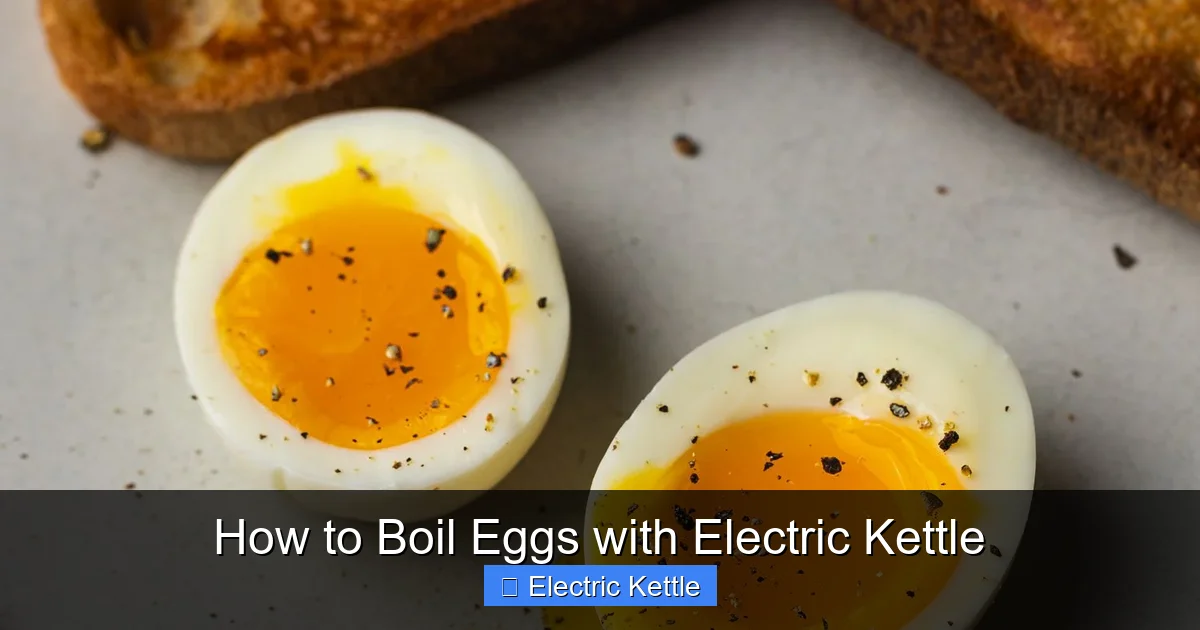
Visual guide about How to Boil Eggs with Electric Kettle
Image source: storables.com
Before you start boiling eggs in your electric kettle, it’s important to gather the right tools and understand your equipment. Not every electric kettle is created equal, and using the wrong setup can lead to cracked eggs, uneven cooking, or even damage to your appliance.
First, check your kettle’s capacity. Most standard electric kettles hold between 1 and 1.7 liters of water. For boiling eggs, you’ll want enough water to fully submerge them—typically about 500ml to 1 liter, depending on how many eggs you’re cooking. If your kettle is too small, you risk not having enough water to cover the eggs, which can lead to undercooked centers or cracked shells.
Next, consider the material of your kettle. Glass, stainless steel, and BPA-free plastic are common options. Glass and stainless steel kettles are generally safer for boiling eggs because they’re less likely to retain odors or react with food. Plastic kettles, while lightweight, may absorb flavors over time and aren’t always recommended for direct food contact.
You’ll also need a heat-resistant container or egg holder. Most electric kettles aren’t designed to hold eggs directly, especially if they have narrow openings or heating elements at the base. Placing eggs straight into the kettle can cause them to crack against the heating coil or sides, leading to messy cleanup and potential safety hazards.
A simple solution is to use a small heat-safe bowl, silicone egg steamer, or even a metal egg holder designed for microwaves or steamers. These tools keep the eggs suspended in the water without touching the kettle’s interior. Alternatively, some people use a clean, food-grade silicone bag or a dedicated egg-boiling insert if their kettle model supports it.
Don’t forget about cooling supplies. Once your eggs are done, you’ll need a bowl of ice water to stop the cooking process and make peeling easier. Have that ready before you start boiling.
Finally, make sure your kettle is clean. Residual mineral deposits or old coffee stains can affect the taste of your eggs. Run a vinegar cleaning cycle if needed, and always rinse thoroughly before use.
Step-by-Step Guide to Boiling Eggs in an Electric Kettle
Now that you’re prepared, let’s walk through the process of boiling eggs with an electric kettle. This method is simple, but following each step carefully will help you achieve perfect results every time.
Step 1: Prepare Your Eggs and Kettle
Start by selecting fresh, room-temperature eggs. Cold eggs straight from the fridge are more likely to crack when exposed to sudden heat. If you only have cold eggs, let them sit in warm water for 5–10 minutes before boiling.
Next, fill your electric kettle with enough water to fully submerge the eggs—usually about 500ml to 1 liter, depending on the number of eggs. Don’t overfill; leave at least an inch of space to prevent boiling over.
Place your heat-resistant container or egg holder inside the kettle. If using a bowl, make sure it’s stable and won’t tip over when the water boils. Gently place the eggs into the container, ensuring they’re not stacked too tightly.
Step 2: Boil the Water
Close the kettle lid and turn it on. Most electric kettles will automatically shut off once the water reaches boiling point (around 100°C or 212°F). This usually takes 3 to 5 minutes, depending on your kettle’s wattage and the amount of water.
While the water heats, keep an eye on the kettle. If you’re using a clear glass model, you’ll be able to see the eggs and monitor the process. Avoid opening the lid frequently, as this can slow down heating.
Step 3: Start Timing After Boiling
Once the kettle shuts off, the water is at a full boil. This is when you start your egg timer. Do not start timing when you first turn on the kettle—only when the water has reached boiling point.
The cooking time depends on how you like your eggs:
– Soft-boiled: 6–7 minutes (runny yolk, set white)
– Medium-boiled: 8–9 minutes (slightly jammy yolk)
– Hard-boiled: 10–12 minutes (fully set yolk)
Use a timer on your phone or kitchen clock to stay accurate. Overcooking can lead to greenish-gray yolks and rubbery textures, while undercooking may leave the whites too soft.
Step 4: Cool the Eggs Immediately
As soon as the timer goes off, carefully remove the eggs from the hot water. Use tongs or a slotted spoon to transfer them to a bowl of ice water. Let them sit for at least 5–10 minutes.
This step, called “shocking,” stops the cooking process and helps separate the egg white from the shell, making peeling much easier. It also prevents the yolk from developing that unappetizing green ring.
Step 5: Peel and Enjoy
After cooling, gently tap the eggs on a hard surface to crack the shell, then roll them lightly to loosen it. Start peeling from the wider end, where there’s usually an air pocket, and peel under running water if needed to help remove stubborn bits.
Your eggs are now ready to eat! Serve them as-is, slice them for salads, or mash them for egg salad.
Tips for Perfect Eggs Every Time
Even with the right method, small adjustments can make a big difference in the quality of your boiled eggs. Here are some expert tips to help you achieve consistent, delicious results.
Use Older Eggs for Easier Peeling
It may sound counterintuitive, but slightly older eggs (about 7–10 days old) peel more easily than very fresh ones. Fresh eggs have a lower pH, which makes the membrane stick tightly to the shell. As eggs age, the air pocket inside grows, creating a natural separation that helps during peeling.
If you only have fresh eggs, add a teaspoon of baking soda or vinegar to the water. Baking soda raises the pH, while vinegar helps dissolve the shell slightly—both can make peeling easier.
Don’t Overcrowd the Kettle
Even if your kettle can hold more, avoid boiling too many eggs at once. Overcrowding can lead to uneven cooking, as some eggs may not be fully submerged or may bump against each other and crack.
As a general rule, stick to 4–6 eggs per batch in a standard 1.5-liter kettle. If you’re using a smaller model, limit it to 2–3 eggs.
Adjust for Altitude
If you live at a high altitude, water boils at a lower temperature, which can affect cooking time. At elevations above 3,000 feet, you may need to add 1–2 minutes to your boiling time to ensure the eggs are fully cooked.
For example, if you’re at 5,000 feet and aiming for hard-boiled eggs, try 12–14 minutes instead of 10–12.
Experiment with Timing
Everyone’s preference for egg doneness is different. The best way to find your ideal timing is through trial and error. Start with the recommended times, then adjust based on your taste.
Keep a small notebook or use your phone to track results. Note the number of eggs, water volume, kettle model, and cooking time. Over time, you’ll develop a reliable routine.
Clean Your Kettle After Use
Boiling eggs can leave behind residue, especially if any shells crack. After each use, empty the kettle and rinse it thoroughly. Wipe the interior with a soft cloth and mild soap if needed.
For mineral buildup, run a cleaning cycle with equal parts water and white vinegar. Let it sit for 30 minutes, then boil and discard the solution. Rinse well before your next use.
Safety Considerations and Common Mistakes
While boiling eggs in an electric kettle is generally safe, there are a few precautions to keep in mind to avoid accidents or damage to your appliance.
Avoid Direct Contact with Heating Elements
Never place eggs directly on the heating coil or base of the kettle. Most electric kettles have exposed heating elements that can cause eggs to crack, stick, or even burn. Always use a heat-resistant container or egg holder to keep eggs suspended in the water.
If your kettle has a concealed heating element (common in higher-end models), you may have more flexibility, but it’s still safer to use a container.
Don’t Overfill the Kettle
Adding too much water increases the risk of boiling over, which can damage the kettle’s electrical components or create a slipping hazard. Follow the manufacturer’s fill line and leave room for expansion.
Use Only Food-Safe Materials
Ensure any container or tool you use inside the kettle is food-grade and heat-resistant. Avoid plastic containers that aren’t labeled as microwave or oven-safe, as they can melt or release harmful chemicals.
Never Leave the Kettle Unattended
Although most kettles auto-shutoff, it’s still wise to stay nearby while boiling eggs. If something goes wrong—like a cracked egg clogging the spout or a malfunction—you’ll be able to respond quickly.
Common Mistakes to Avoid
– Starting the timer too early: Only begin timing after the water has boiled.
– Using cold eggs: Let them warm up slightly to reduce cracking.
– Skipping the ice bath: This leads to overcooked eggs and difficult peeling.
– Ignoring kettle capacity: Overloading can cause uneven cooking or spills.
By following these safety tips and avoiding common pitfalls, you’ll enjoy safe, hassle-free egg boiling every time.
Best Electric Kettles for Boiling Eggs
Not all electric kettles are equally suited for boiling eggs. Some features make certain models better choices for this task.
Look for a Wide Opening
A kettle with a wide mouth makes it easier to insert and remove eggs, especially if you’re using a bowl or egg holder. Models with flip-top lids or large openings are ideal.
Choose Glass or Stainless Steel
These materials are non-reactive, easy to clean, and safe for food contact. Glass kettles also let you monitor the eggs during cooking.
Check for Auto Shut-Off and Boil-Dry Protection
These safety features prevent the kettle from overheating if it runs dry—important if you accidentally forget to add water.
Recommended Models
– **Cuisinart CPK-17 PerfecTemp**: 1.7L capacity, stainless steel, variable temperature settings.
– **Breville BKE820XL IQ**: Glass body, wide opening, precise temperature control.
– **Hamilton Beach 40880**: Affordable, 1.7L, auto shut-off, easy to clean.
These kettles offer the right balance of capacity, safety, and usability for egg boiling.
Creative Ways to Use Your Boiled Eggs
Once you’ve mastered boiling eggs in your electric kettle, the culinary possibilities are endless. Here are some delicious ways to use your perfectly cooked eggs.
Classic Egg Salad
Mash hard-boiled eggs with mayonnaise, mustard, chopped celery, and a pinch of salt and pepper. Serve on toast, in a wrap, or over greens.
Deviled Eggs
Slice hard-boiled eggs in half, remove the yolks, and mix with mayo, vinegar, and paprika. Pipe back into the whites and garnish with herbs.
Eggs Benedict
Top an English muffin with Canadian bacon, a poached or soft-boiled egg, and hollandaise sauce for a decadent brunch.
Protein-Packed Salads
Add sliced boiled eggs to Caesar, Cobb, or grain salads for a boost of protein and creaminess.
On-the-Go Snacks
Keep peeled hard-boiled eggs in the fridge for a quick, healthy snack. Sprinkle with salt, pepper, or everything bagel seasoning.
Conclusion
Boiling eggs with an electric kettle is a simple, efficient, and reliable method that fits perfectly into modern, fast-paced lifestyles. Whether you’re a student in a dorm, a busy parent, or someone who just wants to save time in the kitchen, this technique delivers consistent results with minimal effort.
From faster boiling times to energy savings and easy cleanup, the benefits are clear. With the right setup—clean kettle, heat-resistant container, and proper timing—you can enjoy perfect soft, medium, or hard-boiled eggs every time.
Remember to prioritize safety, avoid common mistakes, and experiment to find your ideal doneness. And once you’ve got the hang of it, don’t stop at plain boiled eggs—get creative with salads, sandwiches, and snacks.
So next time you’re craving a protein-rich meal or snack, skip the stove and reach for your electric kettle. It’s not just for tea anymore.
Frequently Asked Questions
Can I boil eggs directly in an electric kettle?
No, it’s not recommended to place eggs directly into most electric kettles, especially those with exposed heating elements. Use a heat-resistant container or egg holder to prevent cracking and damage.
How long does it take to boil eggs in an electric kettle?
After the water reaches boiling point, soft-boiled eggs take 6–7 minutes, medium 8–9 minutes, and hard-boiled 10–12 minutes. The kettle itself takes 3–5 minutes to boil the water.
Will boiling eggs damage my electric kettle?
As long as you use a container and avoid direct contact with heating elements, boiling eggs won’t damage your kettle. Just clean it regularly to prevent residue buildup.
Can I boil more than six eggs at once?
It depends on your kettle’s capacity. Most standard kettles can safely handle 4–6 eggs. Overloading may lead to uneven cooking or spills.
Do I need to add anything to the water?
Adding a teaspoon of vinegar or baking soda can help with peeling, especially if using very fresh eggs. Otherwise, plain water works fine.
What if my eggs crack during boiling?
Cracking usually happens due to sudden temperature changes or overcrowding. Use room-temperature eggs, avoid overcrowding, and handle them gently to reduce cracking.