Boiling potatoes in an electric kettle is a fast, convenient method ideal for small spaces or emergencies. With the right technique and safety precautions, you can cook tender, ready-to-mash or roast potatoes without a stove—just water, a kettle, and a few simple steps.
Have you ever found yourself craving creamy mashed potatoes but realized your stove is broken—or worse, you’re stuck in a dorm room with only a mini-fridge and an electric kettle? Or maybe you’re traveling light and don’t want to lug around a full cookware set? You’re not alone. More people than ever are discovering creative ways to use everyday appliances for unexpected tasks, and one of the most surprisingly effective hacks is boiling potatoes in an electric kettle.
Yes, you read that right—your trusty electric kettle, usually reserved for morning tea or instant noodles, can double as a mini potato cooker. It might sound unconventional, but with the right approach, it’s totally doable, safe, and even efficient. This method shines in situations where traditional cooking isn’t an option: college dorms, hotel rooms, office kitchens, RVs, or emergency power outages (if you have a backup power source). Plus, it’s faster than waiting for a pot of water to boil on the stove—electric kettles heat water rapidly, often in under five minutes.
But before you toss a whole russet into your kettle, there are important guidelines to follow. Not all kettles are created equal, and potatoes aren’t exactly delicate herbs—they need proper handling to cook evenly and safely. In this guide, we’ll walk you through everything you need to know: from choosing the right potatoes and preparing them correctly, to mastering the boiling process, cleaning up afterward, and even troubleshooting common issues. Whether you’re a student on a budget, a frequent traveler, or just someone who loves kitchen hacks, this method could become your new go-to for quick, no-fuss potatoes.
Key Takeaways
- Choose the right potato size: Small or cut potatoes cook evenly and fit better in most kettles.
- Use only food-safe kettles: Avoid models with non-removable heating elements or plastic interiors that may leach chemicals.
- Monitor water levels carefully: Too little water risks burning; too much can cause overflow when boiling.
- Never leave unattended: Electric kettles aren’t designed for prolonged cooking—stay nearby to prevent accidents.
- Clean thoroughly after use: Residual starch and starchy water can build up and affect future brews or cause odors.
- Ideal for small batches: Best for 2–4 servings—larger quantities require multiple rounds or traditional methods.
- Great for travel or dorm life: A clever hack when kitchen access is limited but you crave home-cooked comfort food.
📑 Table of Contents
- Why Boil Potatoes in an Electric Kettle?
- Choosing the Right Electric Kettle
- Selecting and Preparing Your Potatoes
- Step-by-Step Guide to Boiling Potatoes in an Electric Kettle
- Safety Tips and Common Mistakes to Avoid
- Cleaning and Maintenance After Use
- Creative Uses for Kettle-Boiled Potatoes
- When Not to Use This Method
- Final Thoughts
Why Boil Potatoes in an Electric Kettle?
At first glance, using an electric kettle to boil potatoes might seem like a stretch—after all, kettles are built for water, not root vegetables. But when you think about it, the core function of a kettle—rapidly heating liquid to boiling point—is exactly what you need to cook potatoes. The real advantage lies in speed, convenience, and space-saving.
Traditional stovetop boiling requires a pot, a burner, and usually 15–20 minutes of active cooking time (plus preheating the water). An electric kettle, on the other hand, can bring water to a rolling boil in 3–5 minutes. That means your potatoes start cooking almost immediately once submerged. For anyone living in compact spaces—like college dormitories, studio apartments, or hotel rooms—this eliminates the need for bulky cookware or access to a full kitchen.
Another benefit? Energy efficiency. Electric kettles are among the most energy-efficient appliances for heating water, often using less electricity than a stovetop burner. Since you’re only heating the amount of water needed to cover your potatoes (not a large pot), you’re also reducing waste. This makes the method not just practical, but eco-friendly too.
Let’s not forget versatility. Once your potatoes are boiled, you can mash them, slice them for salads, dice them for hash browns, or even roast them further if you have access to an oven or toaster oven. The boiled base gives you a head start on countless dishes—all without ever turning on a stove.
Of course, this method isn’t meant to replace traditional cooking for large families or elaborate meals. But for 1–2 people needing a quick side dish or ingredient, it’s a game-changer. Imagine coming home late from work, craving potato soup, and having boiled potatoes ready in under 10 minutes. Or packing a healthy lunch with homemade potato salad—no camp stove required.
Choosing the Right Electric Kettle
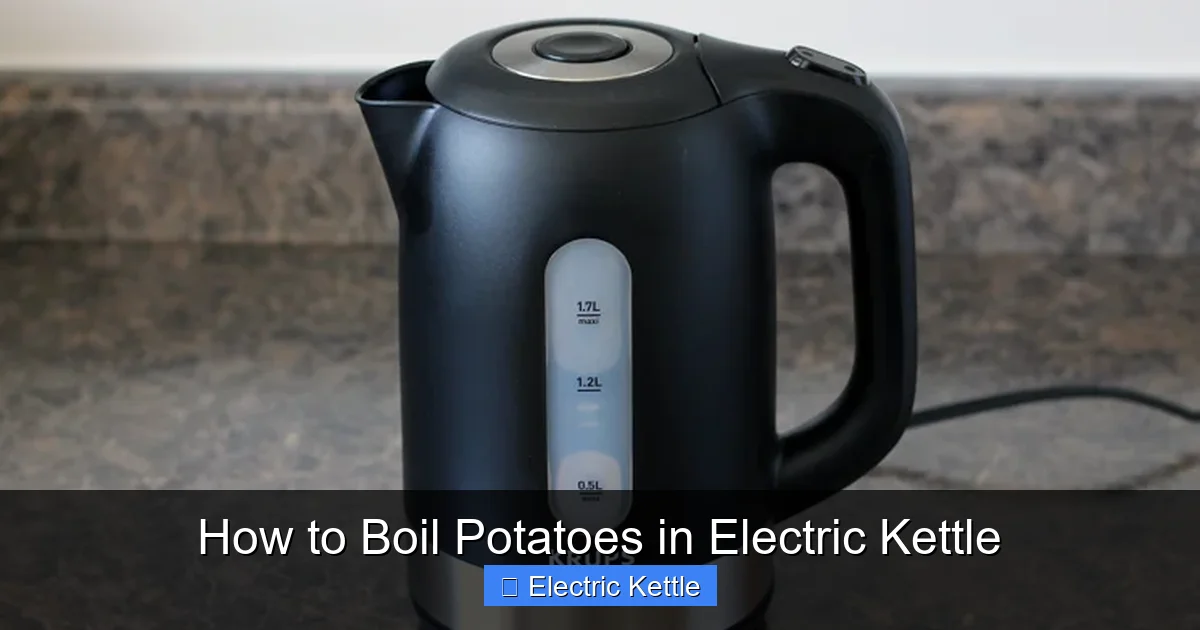
Visual guide about How to Boil Potatoes in Electric Kettle
Image source: assets.onegoodthingbyjillee.com
Not every electric kettle is suitable for boiling potatoes. While the idea is simple, safety and functionality depend heavily on your kettle’s design. Before you attempt this hack, take a close look at your appliance.
Material Matters: Stainless Steel vs. Plastic
The interior material of your kettle is crucial. Stainless steel kettles are the best choice for boiling potatoes. They’re durable, non-reactive, and easy to clean. More importantly, they don’t contain BPA or other harmful chemicals that could leach into starchy water—especially when heated repeatedly.
Avoid kettles with plastic interiors or heating elements coated in plastic. Even if labeled “BPA-free,” prolonged exposure to hot, starchy water can degrade certain plastics over time, potentially releasing micro-particles or odors. If your kettle has a visible plastic component near the heating coil (common in older or budget models), it’s best to skip this method altogether.
Glass kettles are another option, but they’re less common and can be fragile. If you own one, ensure the heating element is fully enclosed and not exposed—otherwise, potatoes could bump against it and cause damage or uneven cooking.
Heating Element Accessibility
Some kettles have exposed heating coils at the bottom. These are risky for boiling potatoes because chunks of potato can get lodged around the coil, leading to hot spots, burning, or even electrical issues. Look for kettles with a concealed or flat heating element—these are safer and easier to clean.
If your kettle has a removable filter or mesh screen at the spout, check that it’s sturdy enough to handle occasional starch buildup. You don’t want it clogging mid-boil.
Capacity and Shape
Most standard electric kettles hold between 1 and 1.7 liters. For boiling potatoes, aim for a kettle with at least 1 liter of capacity—this gives enough room for water and potatoes without overflowing. However, larger isn’t always better. A narrow, tall kettle may not allow potatoes to move freely, leading to uneven cooking. A wider base helps distribute heat more evenly.
Also consider the opening size. You’ll need to drop potatoes in and retrieve them easily. A wide mouth (at least 3–4 inches) makes the process much smoother.
Automatic Shut-Off Feature
This is non-negotiable. Always use a kettle with an automatic shut-off function. Once the water reaches boiling point, the kettle should turn off on its own. This prevents dry boiling (which can damage the kettle) and reduces fire risk. Never override this feature or use a kettle that doesn’t have it.
Selecting and Preparing Your Potatoes
Not all potatoes are created equal—and neither are all potato preparations. To get the best results from your kettle-boiling adventure, start with the right spuds and prep them properly.
Best Potato Varieties
For boiling, waxy or all-purpose potatoes work best. These include:
– **Red potatoes**: Thin skin, creamy texture, hold their shape well.
– **Yukon Gold**: Buttery flavor, great for mashing or salads.
– **New potatoes**: Small and tender, perfect for whole boiling.
Avoid starchy varieties like russets for this method unless you’re planning to mash them immediately. Their high starch content can make the water excessively cloudy and increase the risk of foaming or overflow.
Size and Cutting Tips
Whole large potatoes won’t fit in most kettles—and even if they do, they’ll cook unevenly. Instead, cut your potatoes into uniform pieces. Aim for 1.5 to 2-inch cubes. This size ensures even cooking and fits comfortably in the kettle.
If using small new potatoes, you can leave them whole—just make sure they’re clean and free of dirt. Scrub them well under running water; you won’t be peeling them afterward (unless you plan to, of course).
Pro tip: Soak cut potatoes in cold water for 10–15 minutes before boiling. This removes excess surface starch, reducing foaming and helping them cook more evenly.
Peeling: To Peel or Not to Peel?
This is a matter of preference. Leaving the skin on adds fiber and nutrients, and it’s easier—no peeling required. However, if you’re making mashed potatoes or a smooth salad, you may want to peel them first. Just remember: peeled potatoes absorb more water, so adjust your water level slightly to avoid overflow.
If you do peel, use a vegetable peeler and work over a bowl to catch scraps. Then rinse the peeled pieces to remove any residual starch.
Step-by-Step Guide to Boiling Potatoes in an Electric Kettle
Now that you’ve chosen your kettle and prepped your potatoes, it’s time to cook. Follow these steps carefully for safe, successful results.
Step 1: Add Water
Fill your kettle with enough cold, filtered water to fully submerge the potatoes—but don’t overfill. Leave at least 1 inch of space below the maximum fill line to prevent boiling water from spilling out. A good rule of thumb: add 1 cup of water per medium potato (or equivalent volume).
For example, if you’re boiling four 2-inch potato cubes, use about 4–5 cups (1–1.2 liters) of water, depending on your kettle’s shape.
Step 2: Add Potatoes
Carefully drop the potato pieces into the water. Avoid splashing—hot water can cause burns even before boiling starts. If your kettle has a narrow opening, use a spoon or tongs to lower them in gently.
Make sure all pieces are fully submerged. If some float, press them down lightly with a spoon. Floating potatoes may cook unevenly or stick to the sides.
Step 3: Start Boiling
Place the kettle on its base and plug it in. Turn it on and let it heat. Most kettles will automatically shut off once boiling is reached—this usually takes 3–6 minutes, depending on water volume and kettle wattage.
Do not cover the kettle with a lid unless it has a vented, heat-resistant cover designed for this purpose. Covering can trap steam and increase pressure, leading to sudden boiling over.
Step 4: Monitor Closely
Even with auto shut-off, stay nearby. Starchy water can foam up quickly, especially with waxy potatoes. If you see foam rising toward the spout, unplug the kettle immediately to prevent overflow.
If your kettle doesn’t shut off automatically (which it should!), set a timer for 8–10 minutes. Potatoes are done when a fork slides in easily with little resistance.
Step 5: Drain and Cool
Once boiled, unplug the kettle and let it sit for 1–2 minutes to cool slightly. Then, carefully pour off the hot water into a heat-safe bowl or sink—use oven mitts if needed. You can save the starchy water for thickening soups or stews (it’s full of nutrients!).
Use tongs or a slotted spoon to remove the potatoes. Place them in a bowl of ice water if you want to stop the cooking process immediately (great for salads). Otherwise, let them cool for a few minutes before mashing, slicing, or seasoning.
Step 6: Season and Serve
Your potatoes are now ready to eat! Toss them with butter, salt, and pepper for a simple side. Mash them with milk and garlic for a creamy dish. Or chop them up for a hearty potato salad with mayo, mustard, and herbs.
Safety Tips and Common Mistakes to Avoid
While boiling potatoes in an electric kettle is generally safe when done correctly, there are pitfalls to watch out for. A little caution goes a long way.
Never Leave the Kettle Unattended
Electric kettles are designed for short bursts of heating—not prolonged cooking. Always stay in the room while it’s on. If you must step away, unplug it first.
Avoid Overloading
Packing too many potatoes into the kettle restricts water circulation and increases the risk of uneven cooking or overflow. Stick to small batches—no more than 1–1.5 pounds of potatoes per cycle.
Don’t Reuse Starchy Water Repeatedly
After boiling, the water is full of dissolved starch. If you reuse it for another batch without cleaning the kettle, residue can build up on the heating element, reducing efficiency and potentially causing odors or burns. Always rinse the kettle thoroughly between uses.
Beware of Steam Burns
When pouring out hot water or removing potatoes, steam can escape rapidly. Use tongs, not your hands, and tilt the kettle away from you when draining.
Don’t Use Damaged Kettles
Cracks, frayed cords, or malfunctioning auto shut-off features are red flags. Using a damaged kettle—even for water—can be dangerous. Inspect your appliance regularly.
Cleaning and Maintenance After Use
Proper cleanup ensures your kettle stays in good condition and doesn’t develop off-flavors or odors.
Rinse Immediately
After draining the potatoes, rinse the kettle with warm water as soon as it’s cool enough to handle. Starchy residue can harden and become difficult to remove.
Scrub Gently
Use a soft sponge or brush to clean the interior. Avoid abrasive scrubbers that can scratch stainless steel. For stubborn starch buildup, soak the kettle in warm, soapy water for 10–15 minutes, then wipe clean.
Descale Regularly
Boiling potatoes doesn’t cause limescale, but if you live in a hard water area, mineral deposits may accumulate over time. Use a vinegar-water solution (1:1 ratio) to descale monthly: fill the kettle, boil, let sit for 30 minutes, then rinse thoroughly.
Dry Completely
Before storing, make sure the kettle is completely dry—both inside and out. Moisture can lead to mold or corrosion, especially around the base.
Creative Uses for Kettle-Boiled Potatoes
Once you’ve mastered the basics, the possibilities expand. Here are a few delicious ways to use your kettle-cooked potatoes:
– **Potato Salad**: Cube cooled potatoes, mix with mayo, mustard, chopped celery, onion, and herbs. Chill and serve.
– **Mashed Potatoes**: Mash with butter, warm milk, salt, and a pinch of garlic powder. Smooth and comforting.
– **Hash Browns**: Dice boiled potatoes, sauté in a pan with oil until crispy. Perfect for breakfast.
– **Potato Soup Base**: Blend boiled potatoes with broth, cream, and seasonings for a quick soup.
– **Roasted Potatoes**: Toss boiled cubes with olive oil, rosemary, and salt, then bake at 400°F (200°C) for 20 minutes until golden.
These dishes require minimal extra equipment—ideal for small-space living.
When Not to Use This Method
While handy, boiling potatoes in an electric kettle isn’t always the best choice. Avoid it when:
– You’re cooking for more than 2–3 people (multiple batches are inefficient).
– You need perfectly uniform texture (stovetop control is better).
– Your kettle is old, damaged, or made of questionable materials.
– You’re in a shared space where odors or steam might bother others.
For everyday cooking at home with full kitchen access, traditional methods remain superior. But as a backup or space-saving solution? It’s hard to beat.
Final Thoughts
Boiling potatoes in an electric kettle might seem like a quirky hack, but it’s a legitimate, practical technique for modern living. It saves time, space, and energy—and opens up new possibilities for quick, homemade meals in unconventional settings. With the right kettle, proper preparation, and a focus on safety, you can enjoy tender, flavorful potatoes anytime, anywhere.
So the next time you’re craving comfort food but lack a stove, don’t despair. Grab your kettle, chop a few potatoes, and let the magic happen. Your taste buds—and your schedule—will thank you.
Frequently Asked Questions
Can I boil potatoes in any electric kettle?
Not all kettles are suitable. Avoid models with plastic interiors, exposed heating elements, or no auto shut-off. Stainless steel kettles with concealed heating coils are safest.
How long does it take to boil potatoes in an electric kettle?
Typically 8–12 minutes total, including heating time. Small cubes cook faster than large pieces. Always test with a fork for doneness.
Will boiling potatoes damage my kettle?
No, if done correctly. Just avoid overloading, monitor for foaming, and clean thoroughly afterward to prevent starch buildup.
Can I leave the skins on the potatoes?
Yes! Skins add nutrients and fiber. Just scrub them well before boiling. Remove after if you prefer peeled potatoes.
Is it safe to reuse the starchy water?
You can save it for thickening soups or stews, but don’t reuse it in the kettle without cleaning first—it can cause residue buildup.
What if my potatoes aren’t cooking evenly?
Cut them into uniform sizes and ensure they’re fully submerged. Stir gently once or twice during boiling if possible (use tongs carefully).