Boiling water in an electric kettle is fast, safe, and energy-efficient—when done correctly. This guide walks you through every step, from choosing the right kettle to troubleshooting common issues, so you can enjoy hot water for tea, coffee, or cooking with confidence.
Key Takeaways
- Always use clean, cold water: Starting with fresh, cold tap water ensures faster boiling and prevents mineral buildup inside your kettle.
- Don’t overfill the kettle: Fill only up to the maximum fill line to avoid spills, splatters, or damage to the heating element.
- Place the kettle on a flat, stable surface: A level countertop prevents tipping and ensures even heating.
- Never operate an empty kettle: Running it dry can damage the heating coil and pose a fire risk.
- Clean your kettle regularly: Descale monthly to maintain performance and extend the appliance’s lifespan.
- Unplug after use: For safety and energy savings, always disconnect the kettle once boiling is complete.
- Use the right kettle for your needs: Choose based on capacity, material, and features like temperature control or keep-warm functions.
📑 Table of Contents
- Why Electric Kettles Are a Kitchen Essential
- Choosing the Right Electric Kettle for Your Needs
- Step-by-Step Guide: How to Boil Water in an Electric Kettle
- Safety Tips for Using an Electric Kettle
- Cleaning and Maintaining Your Electric Kettle
- Troubleshooting Common Electric Kettle Problems
- Energy Efficiency and Environmental Benefits
- Conclusion: Master the Art of Boiling Water
Why Electric Kettles Are a Kitchen Essential
If you’ve ever waited impatiently for a pot of water to boil on the stove, you know how slow and inefficient it can feel. Enter the electric kettle—a sleek, modern appliance that heats water faster than almost any other method. Whether you’re brewing your morning coffee, steeping herbal tea, or preparing instant noodles, knowing how to boil water in an electric kettle properly can save you time, energy, and frustration.
Electric kettles aren’t just convenient; they’re also safer and more energy-efficient than stovetop options. Most models boil water in under five minutes, using less electricity than a stovetop burner. Plus, they automatically shut off once the water reaches boiling point, reducing the risk of overheating or boiling dry. With so many designs available—from basic plastic models to high-end stainless steel kettles with digital displays—there’s an electric kettle for every kitchen and lifestyle.
But even the simplest appliances require a little know-how. Using your electric kettle incorrectly can lead to poor performance, safety hazards, or even damage to the unit. That’s why understanding the right way to boil water in an electric kettle is essential. This guide will walk you through every step—from setup to cleanup—so you can get the most out of your appliance while keeping your kitchen safe and your drinks tasting great.
Choosing the Right Electric Kettle for Your Needs
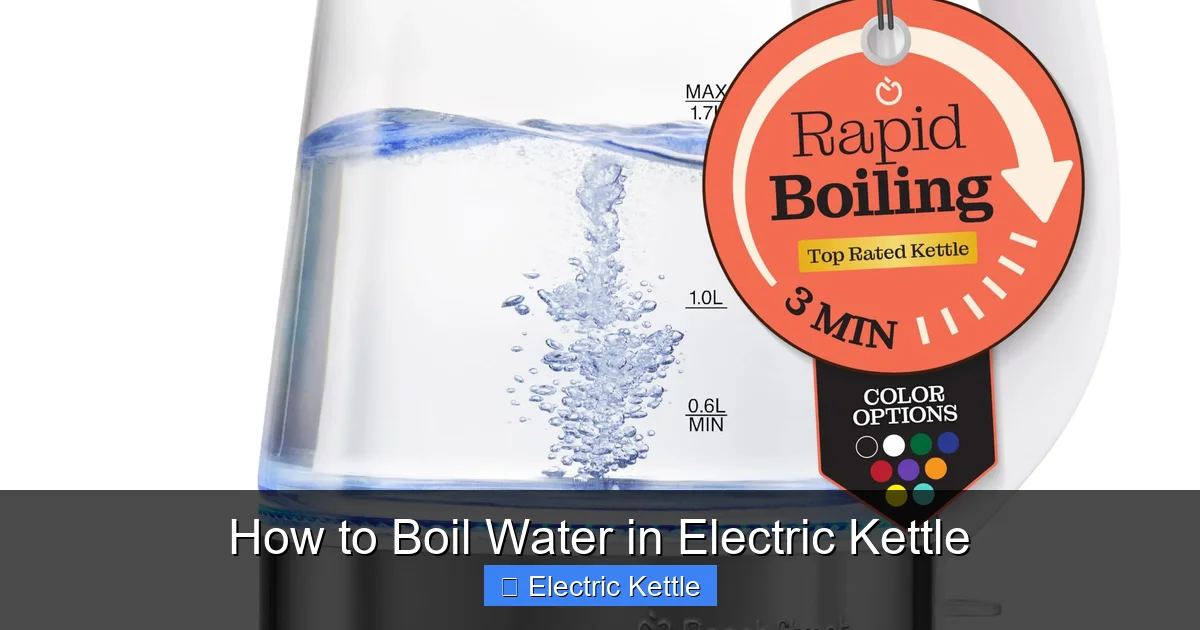
Visual guide about How to Boil Water in Electric Kettle
Image source: images-na.ssl-images-amazon.com
Before you even think about boiling water, it’s important to choose an electric kettle that fits your lifestyle. Not all kettles are created equal, and picking the wrong one can lead to disappointment. Here’s what to consider when shopping for your next electric kettle.
Capacity: How Much Water Do You Need?
Electric kettles come in various sizes, typically ranging from 0.5 liters to 1.7 liters. A smaller kettle (0.5–1 liter) is ideal for individuals or small households who only need water for one or two cups at a time. Larger models (1.5–1.7 liters) are better for families or frequent entertainers who often boil water for multiple people.
For example, if you’re a solo coffee drinker who makes one cup each morning, a 1-liter kettle is perfect. But if you’re hosting a tea party or cooking pasta for four, you’ll want a 1.7-liter model to avoid multiple boiling cycles. Overfilling a small kettle can cause spills, while underusing a large one wastes energy.
Material Matters: Glass, Plastic, or Stainless Steel?
The material of your kettle affects not only its durability but also the taste of your water. Here’s a quick breakdown:
– Stainless steel: Durable, rust-resistant, and retains heat well. It’s also easy to clean and doesn’t retain odors. However, you can’t see the water level, so look for models with clear markings or a window.
– Glass: Offers a modern, elegant look and lets you watch the water boil—great for tea enthusiasts who enjoy the visual process. But glass is fragile and can break if dropped or exposed to sudden temperature changes.
– Plastic: Lightweight and affordable, but some cheaper models may leach chemicals into the water when heated. Always choose BPA-free plastic kettles and avoid boiling water in them repeatedly over long periods.
For most users, stainless steel offers the best balance of durability, safety, and performance.
Special Features to Consider
Modern electric kettles come with a range of features that can enhance your experience:
– Variable temperature control: Ideal for tea lovers. Different teas (like green, white, or oolong) require specific temperatures to avoid bitterness. A kettle with adjustable settings lets you brew perfectly every time.
– Keep-warm function: Keeps water at a steady temperature for up to 30 minutes after boiling—great if you’re making multiple cups.
– Rapid boil technology: Some kettles heat water in under three minutes, perfect for busy mornings.
– Quiet operation: Look for models with noise-reduction features if you’re sensitive to loud boiling sounds.
– 360-degree swivel base: Allows you to lift and replace the kettle from any angle, making it easier to pour.
While these features are nice to have, don’t let them overshadow basic safety and build quality. A kettle with too many gimmicks but poor insulation or flimsy construction won’t last long.
Step-by-Step Guide: How to Boil Water in an Electric Kettle
Now that you’ve chosen the right kettle, it’s time to learn how to use it properly. Boiling water in an electric kettle is simple, but following the correct steps ensures safety, efficiency, and great-tasting results.
Step 1: Prepare Your Kettle
Start by inspecting your kettle. Make sure it’s clean and free of any debris or mineral buildup. If it’s a new kettle, rinse it out with water a few times before first use to remove any manufacturing residues.
Place the kettle on a flat, heat-resistant surface—never on a wooden table or near flammable materials. Ensure the power cord is untangled and not draped over the edge of the counter, where it could be pulled down.
Step 2: Add Water
Open the lid and pour in cold, fresh tap water. Always use cold water—never hot or warm from the tap. Hot water can contain more dissolved minerals and may cause scaling inside the kettle. Cold water also heats more evenly and boils faster.
Fill the kettle to the desired level, but never exceed the “Max” fill line. Overfilling can cause water to spill out when it boils, potentially damaging the base or creating a slipping hazard. Similarly, don’t fill it below the “Min” line—running the kettle with too little water can damage the heating element.
For most single servings, 250–500 ml (about 1–2 cups) is sufficient. If you’re unsure, check the markings inside the kettle or refer to the user manual.
Step 3: Close the Lid and Plug In
Securely close the lid to prevent steam from escaping and to ensure the kettle operates efficiently. Plug the kettle into a grounded electrical outlet. Avoid using extension cords, as they can overheat under high power loads.
Make sure your hands are dry before touching the plug or the kettle. Water and electricity don’t mix—safety first!
Step 4: Turn On the Kettle
Press the power button or flip the switch to start boiling. Most electric kettles have a simple on/off mechanism, while others may have temperature settings. If your kettle has variable temperature controls, select the appropriate setting based on what you’re making:
– 100°C (212°F): For black tea, coffee, or instant noodles.
– 80–85°C (176–185°F): For green or white tea.
– 70°C (158°F): For delicate herbal infusions.
Once activated, the kettle will begin heating. You’ll hear a gentle hum or bubbling sound as the water warms up. This is normal.
Step 5: Wait for Automatic Shut-Off
Most electric kettles are designed with automatic shut-off technology. Once the water reaches the boiling point (or your selected temperature), the kettle will click off and the power light will turn off. This usually takes 3–5 minutes, depending on the amount of water and the kettle’s wattage.
Do not open the lid while the kettle is boiling. Steam can escape rapidly and cause burns. Wait until the kettle has completely shut off and the bubbling has stopped before lifting the lid.
Step 6: Pour and Enjoy
Carefully lift the kettle by the handle—never by the lid or base. Pour the hot water into your cup, teapot, or cooking pot. If your kettle has a gooseneck spout, it’s designed for precision pouring, ideal for pour-over coffee or tea.
After use, unplug the kettle and allow it to cool before cleaning or storing.
Safety Tips for Using an Electric Kettle
While electric kettles are generally safe, misuse can lead to accidents. Follow these safety guidelines to protect yourself and your appliance.
Never Operate an Empty Kettle
Running your kettle without water can cause the heating element to overheat, potentially damaging the unit or starting a fire. Always check that there’s water inside before turning it on. If you accidentally turn it on empty, unplug it immediately and let it cool.
Keep the Base Dry
The electrical base should always remain dry. Wipe up any spills immediately, and never submerge the base in water. Only the kettle itself (if detachable) should be washed—never the power base.
Avoid Overfilling
As mentioned earlier, overfilling can cause boiling water to splash out, leading to burns or electrical hazards. Stick to the fill lines and pour slowly to avoid splashing.
Use on a Stable Surface
Place your kettle on a level, non-flammable countertop. Avoid placing it near the edge where it could be knocked over. If you have children or pets, consider using a kettle with a lockable lid or placing it out of reach.
Unplug When Not in Use
Even when turned off, leaving the kettle plugged in can pose a risk if a fault occurs. Get in the habit of unplugging it after each use. This also saves a small amount of standby energy.
Regular Maintenance Prevents Problems
A well-maintained kettle is a safe kettle. Clean it regularly and descale it monthly to prevent mineral buildup, which can affect performance and even create a fire hazard over time.
Cleaning and Maintaining Your Electric Kettle
Proper maintenance keeps your kettle working efficiently and ensures your water tastes fresh. Neglecting cleaning can lead to limescale buildup, unpleasant odors, and reduced heating performance.
Daily Cleaning
After each use, wipe the exterior with a damp cloth. If your kettle has a removable filter (usually near the spout), rinse it under running water to remove any tea leaves or debris.
Never use abrasive cleaners or steel wool on the interior, as they can scratch the surface and harbor bacteria.
Descaling: The Key to Longevity
Hard water areas are especially prone to limescale—a chalky white deposit that builds up inside the kettle. To descale:
1. Fill the kettle halfway with equal parts water and white vinegar.
2. Let it sit for 30–60 minutes.
3. Boil the solution, then let it cool.
4. Pour out the vinegar mix and rinse thoroughly with clean water.
5. Boil fresh water 1–2 times to remove any vinegar taste.
For heavy buildup, you may need to repeat the process. Alternatively, use a commercial descaling solution designed for kettles.
Deep Cleaning the Exterior
For stainless steel kettles, use a mild cleaner or a paste of baking soda and water to remove fingerprints and smudges. Glass kettles can be cleaned with a vinegar-soaked cloth. Avoid harsh chemicals that could damage the finish.
Check the Power Cord and Base
Periodically inspect the power cord for fraying or damage. If you notice any issues, stop using the kettle and have it repaired or replaced. Also, ensure the base is clean and free of dust or moisture.
Troubleshooting Common Electric Kettle Problems
Even the best kettles can run into issues. Here’s how to solve the most common problems.
Kettle Won’t Turn On
First, check if it’s plugged in and the outlet is working. Try plugging another device into the same outlet to test. If the outlet works, inspect the kettle’s power switch or base connection. Some models have a safety lock that prevents operation if the lid isn’t closed properly.
Water Takes Too Long to Boil
This could be due to mineral buildup on the heating element. Descale the kettle as described above. Also, ensure you’re not overfilling it—larger volumes take longer to heat.
Kettle Turns Off Too Soon
If the kettle shuts off before the water boils, it may be due to a faulty thermostat or sensor. This requires professional repair or replacement.
Strange Taste or Smell
This is often caused by old water, mineral deposits, or residue from cleaning products. Rinse the kettle thoroughly and boil fresh water a few times. If the problem persists, descale or replace the filter.
Leaking Water
Check the lid seal and spout for cracks or loose parts. If the kettle is old or damaged, it may be time for a new one. Never attempt to repair a leaking kettle yourself—water and electricity are a dangerous combination.
Energy Efficiency and Environmental Benefits
Boiling water in an electric kettle isn’t just convenient—it’s also better for the environment. Electric kettles are more energy-efficient than stovetops because they heat water directly and lose less heat to the surrounding air.
According to the U.S. Department of Energy, electric kettles use about 25% less energy than gas stoves and 50% less than electric stovetops to boil the same amount of water. This means lower utility bills and a smaller carbon footprint.
To maximize efficiency:
– Only boil the amount of water you need.
– Use cold water—it heats faster and more evenly.
– Keep your kettle clean and descaled to maintain optimal performance.
By making small changes in how you use your kettle, you can save energy and reduce waste without sacrificing convenience.
Conclusion: Master the Art of Boiling Water
Learning how to boil water in an electric kettle is more than just a kitchen skill—it’s a small act that can improve your daily routine, save energy, and enhance the flavor of your favorite beverages. From choosing the right model to following safety practices and maintaining your appliance, every step matters.
Remember: always use cold water, don’t overfill, keep the base dry, and clean your kettle regularly. With these habits, your electric kettle will serve you well for years to come.
Whether you’re a tea connoisseur, a coffee lover, or just someone who enjoys a quick cup of hot cocoa, mastering your electric kettle makes life a little easier—and a lot more enjoyable. So go ahead, fill it up, press the button, and savor the perfect boil.
Frequently Asked Questions
Can I boil water in an electric kettle more than once?
Yes, you can boil water multiple times, but it’s best to use fresh water each time for the best taste. Repeatedly reboiling the same water can concentrate minerals and affect flavor.
Is it safe to leave water in the kettle after boiling?
It’s not recommended. Stagnant water can promote bacterial growth and mineral buildup. Always empty and rinse the kettle after use, especially if you won’t be using it for a while.
Can I use my electric kettle to heat milk or soup?
No. Electric kettles are designed for water only. Heating milk, soup, or other liquids can damage the heating element, cause burning, and void the warranty.
Why does my kettle make a loud noise when boiling?
Loud noises can be caused by mineral buildup or air bubbles in the heating element. Descale the kettle and ensure it’s filled properly. If the noise persists, the thermostat may be faulty.
How often should I descale my electric kettle?
It depends on your water hardness. In hard water areas, descale monthly. In soft water areas, every 2–3 months is usually sufficient. Look for signs like slow boiling or white deposits.
Can I use filtered water in my electric kettle?
Yes, and it’s actually recommended. Filtered water reduces mineral content, which helps prevent scaling and improves the taste of your drinks.