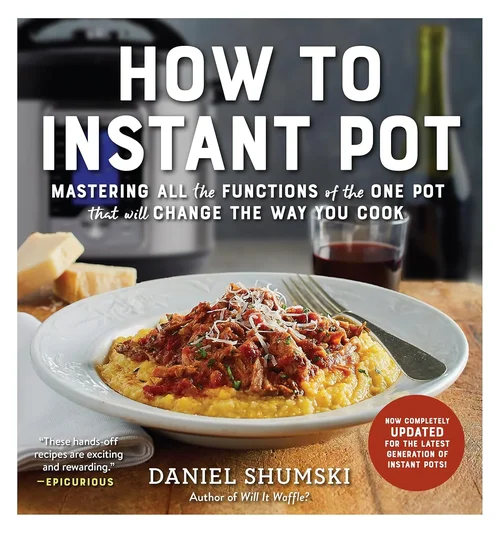
Choosing the right Instant Pot can feel overwhelming—especially with so many models, sizes, and features flooding the market in 2026. Whether you’re a busy parent trying to get dinner on the table faster, a college student cooking in a dorm room, or a seasoned home chef looking to streamline meal prep, selecting the perfect size is critical. The wrong choice could mean wasted counter space, undercooked meals, or constantly running out of room for family-sized portions. That’s why this guide exists: to cut through the noise and help you make a smart, informed decision based on your real-life needs.
In this comprehensive buying guide, you’ll learn everything you need to know about selecting the ideal Instant Pot size. We’ll walk you through key decision factors like household size, cooking habits, storage space, and budget—plus dive deep into performance specs, build quality, and smart features that matter most. You’ll also discover common pitfalls to avoid, expert shopping tips, and tailored recommendations for every lifestyle. By the end, you won’t just know which Instant Pot to buy—you’ll understand why it’s the right fit for you.
The Instant Pot market has evolved significantly since its debut. What started as a simple 7-in-1 electric pressure cooker has exploded into a full ecosystem of multi-cookers ranging from 3-quart mini models to massive 10-quart workhorses. Brands like Instant Brands (the original maker), Ninja, and Breville now compete fiercely, offering advanced functions like air frying, sous vide, yogurt making, and even Wi-Fi connectivity. With prices ranging from under $50 to over $300, there’s an option for nearly every budget—but not every model suits every kitchen. This guide cuts through the marketing hype to focus on what truly matters: finding the right size and configuration for your unique situation.

What to Look for When Buying Instant Pots
1. Household Size & Meal Frequency
The single most important factor in choosing an Instant Pot size is how many people you regularly cook for. A solo diner or couple might thrive with a 3- or 6-quart model, while families of four or more will likely need at least an 8-quart capacity. Consider not just current household size but also future needs—will you host holiday dinners? Have kids who eat double portions? Do you batch-cook for the week?
For reference:
– 1–2 people: 3-quart (ideal for singles, couples, or small apartments)
– 3–4 people: 6-quart (the most popular size—versatile for everyday meals)
– 5+ people or frequent entertainers: 8-quart or larger (great for big roasts, soups, or meal prepping)
Also think about how often you cook. If you use your Instant Pot daily for multiple dishes, a larger size offers flexibility. But if it’s only for occasional use, a compact model saves space and energy.
2. Countertop & Storage Space
Instant Pots aren’t tiny—even the smallest 3-quart model takes up noticeable counter real estate. Before buying, measure your available space. Do you have open countertop near an outlet? Or do you need to store it in a cabinet when not in use?
Larger models (8–10 quarts) can weigh 15–20 pounds and may not fit comfortably under standard upper cabinets. If storage is tight, consider a 6-quart model—it strikes the best balance between capacity and footprint. Some users even opt for two smaller units (e.g., a 3-quart for sides and a 6-quart for mains) to maximize flexibility without sacrificing space.
Don’t forget about lid storage! Many newer models include lid holders or nesting designs, but older versions require extra care to avoid losing the sealing ring or steam release valve.
3. Cooking Functions & Versatility
All Instant Pots offer core functions like pressure cooking, slow cooking, and sautéing—but higher-end models add specialized modes that can influence your size choice. For example, if you plan to use the yogurt function regularly, ensure your pot has a dedicated “Yogurt” button and maintains precise low temperatures. Air fryer combo models (like the Instant Pot Duo Crisp) require additional vertical space for the air fryer lid, which may affect how much food fits inside.
Consider your cooking style:
– Basic cooks: Stick with classic 6-quart models (e.g., Instant Pot Duo).
– Meal preppers: Look for larger sizes with strong slow-cook and rice functions.
– Health-focused users: Models with steam racks and precise temp control (like the Instant Pot Pro) are ideal.
– Tech enthusiasts: Wi-Fi-enabled models (e.g., Instant Pot Smart WiFi) allow remote monitoring—but note they’re typically available only in 6- and 8-quart sizes.
4. Build Quality & Durality
Not all Instant Pots are created equal—even within the same brand. Pay attention to materials: stainless steel inner pots are non-reactive, easy to clean, and don’t retain odors (unlike nonstick coatings, which can degrade over time). The outer housing should feel sturdy, not flimsy plastic.
Check the quality of the sealing ring (the silicone gasket that creates pressure). High-quality rings last longer and prevent leaks. Also inspect the steam release valve and float valve—these are common failure points. Models with metal valves (instead of plastic) tend to be more durable.
Look for certifications like UL or ETL listing, which indicate safety testing. Avoid ultra-cheap knockoffs sold on third-party marketplaces—they often lack proper safety mechanisms and can be fire hazards.
5. Ease of Use & Cleaning
A complicated interface defeats the purpose of a “set-it-and-forget-it” appliance. Most modern Instant Pots feature intuitive button layouts, but some include digital displays with preset programs (e.g., “Soup,” “Meat/Stew,” “Rice”). If you’re tech-averse, stick with simpler models.
Cleaning matters too. Removable inner pots are a must—they should be dishwasher-safe. Nonstick coatings are easier to clean but may wear off; stainless steel requires a bit more scrubbing but lasts decades. Avoid models where the heating element is exposed or hard to reach, as food residue can build up and affect performance.
6. Safety Features
Pressure cookers inherently carry risks if not designed properly. Modern Instant Pots include multiple safety systems: lid-lock mechanisms, pressure sensors, overheat protection, and automatic pressure release. Ensure your chosen model has at least three independent safety features.
Look for:
– Lid won’t open until pressure is fully released
– Automatic steam release if pressure gets too high
– Overheat shut-off
– Anti-block shields to prevent food from clogging vents
These features are non-negotiable—especially if children or elderly users will operate the device.
7. Brand Reputation & Ecosystem
Instant Brands remains the market leader, but competitors like Ninja (with its Foodi line) and Breville (with the Joule Oven + Pressure Cooker) offer compelling alternatives. Stick with reputable brands that offer consistent firmware updates, accessible customer service, and wide availability of replacement parts (like sealing rings, inner pots, and steam racks).
Also consider ecosystem compatibility. If you already own other smart kitchen devices (e.g., Alexa-enabled appliances), a Wi-Fi-connected Instant Pot might integrate seamlessly into your routine.
8. Warranty & Customer Support
A good warranty signals confidence in product quality. Most Instant Pots come with a 1-year limited warranty, but some premium models offer 2–3 years. Check what’s covered: Does it include the heating element? The electronic control panel? Accidental damage?
Read recent customer reviews about support responsiveness. Some users report long wait times or difficulty getting replacements—especially for older models. Buying directly from the manufacturer or authorized retailers (like Amazon, Target, or Costco) often ensures better service.
Different Types of Instant Pots

Common Buying Mistakes to Avoid
❌ Mistake: Choosing Based Solely on Price
Why it’s bad: The cheapest Instant Pot may lack essential safety features, use low-quality materials, or have poor customer support. You could end up replacing it within a year—costing more long-term.
What to do instead: Set a realistic budget based on your needs (see our budget breakdown below). A $90 6-quart model often outperforms a $60 8-quart knockoff in durability and performance.
❌ Mistake: Ignoring Your Actual Cooking Volume
Why it’s bad: Buying an 8-quart pot for one person means most of the space goes unused, leading to inefficient heating and longer cook times. Conversely, a 3-quart pot can’t handle a whole chicken—forcing you to cut it up or cook in batches.
What to do instead: Track your typical meal sizes for a week. Note how many cups of liquid or food you usually prepare. Match that to the pot’s usable capacity (remember: never fill beyond 2/3 for liquids).
❌ Mistake: Overlooking Replacement Part Availability
Why it’s bad: Sealing rings wear out every 6–12 months. If your model uses proprietary parts that are hard to find, you’ll be stuck with a broken appliance.
What to do instead: Choose popular models from major brands. Instant Pot Duo and Ninja Foodi parts are widely sold on Amazon, Walmart, and the manufacturer’s site.
❌ Mistake: Assuming All “Multi-Cookers” Are Equal
Why it’s bad: Some budget brands advertise “10-in-1” functions but deliver weak pressure cooking or unreliable temperature control. Not all slow cook modes maintain safe temps for yogurt or sous vide.
What to do instead: Read detailed reviews focusing on core performance—not just feature lists. Look for consistency in pressure buildup and heat distribution.
❌ Mistake: Skipping the Return Window
Why it’s bad: If the pot doesn’t fit your kitchen or cooking style, you’re stuck with it. Some retailers have short return windows (as little as 14 days).
What to do instead: Buy from retailers with generous return policies (e.g., Amazon: 30 days, Costco: 90 days). Test the pot immediately—try a simple recipe like rice or hard-boiled eggs.
❌ Mistake: Not Considering Future Needs
Why it’s bad: You buy a 3-quart pot for your studio apartment, then move in with a partner and suddenly need double the capacity.
What to do instead: Think 2–3 years ahead. If your lifestyle might change (new job, relationship, kids), lean toward a slightly larger size for flexibility.
❌ Mistake: Forgetting About Power Requirements
Why it’s bad: Most Instant Pots draw 1000–1500 watts. In small spaces like dorms or RVs, this can trip circuit breakers if other appliances are running.
What to do instead: Check your outlet’s amperage and avoid using high-wattage devices simultaneously. Compact models (3-quart) typically use less power.
Budget Guidelines: How Much Should You Spend?
Entry-Level ($50–$80): Perfect for students, singles, or backup cooking. Expect basic 3- or 6-quart models with limited functions (pressure, slow cook, sauté). Build quality is adequate but may lack advanced safety features. Great for simple meals like rice, beans, or steamed veggies. Avoid if you plan to cook large cuts of meat or entertain often.
Mid-Range ($80–$150): The sweet spot for most households. Includes popular 6-quart models like the Instant Pot Duo or Ninja Foodi (non-air fryer versions). You’ll get reliable performance, stainless steel pots, multiple presets, and solid warranties. Ideal for families of 3–4 who cook daily and want versatility without breaking the bank.
Premium ($150–$220): For enthusiasts and frequent entertainers. Features include air frying, sous vide, Wi-Fi connectivity, and enhanced displays. Models like the Instant Pot Duo Crisp or Pro offer professional-grade results. Worth the investment if you value crispy textures, remote monitoring, or cooking large batches efficiently.
Luxury ($220+): Top-tier options like the 10-quart Instant Pot Pro Crisp or commercial-style units. Designed for large families, meal preppers, or small catering operations. Expect premium materials, extended warranties, and cutting-edge tech. Only necessary if you regularly cook for 6+ people or run a food-based side hustle.
Expert Tips for Getting the Best Deal
– Shop during major sales events: Black Friday, Prime Day, and post-holiday clearance periods offer the deepest discounts—often 30–50% off retail. Sign up for price alerts on CamelCamelCamel (for Amazon) or Honey.
– Buy refurbished from authorized sellers: Instant Brands and Ninja sell certified refurbished models with full warranties at 20–40% off. These are thoroughly tested and often indistinguishable from new units.
– Check warehouse clubs: Costco and Sam’s Club frequently bundle Instant Pots with accessories (steam racks, extra lids) at no extra cost—great value for families.
– Read recent reviews (last 6 months): Older reviews may not reflect current firmware updates or manufacturing changes. Look for patterns in complaints (e.g., “lid doesn’t seal”) versus one-off issues.
– Test before committing: If buying in-store, ask to see the pot in person. Check weight, button feel, and lid mechanism. Online? Watch unboxing videos to assess build quality.
– Prioritize warranty over extras: A longer warranty often indicates better long-term reliability than flashy features you may never use.
– Consider total cost of ownership: Factor in replacement parts (sealing rings: $8–$12, inner pots: $30–$50). Cheaper models may cost more over time.
– Use retailer loyalty programs: Target Circle, Amazon Prime, and Walmart+ members often get exclusive discounts or free shipping on large appliances.
Frequently Asked Questions
Q: Can I cook a whole chicken in a 6-quart Instant Pot?
A: Yes—but only if it’s under 4 pounds. Larger birds won’t fit or may block the steam vent. For chickens over 4 lbs, use an 8-quart model or cut the bird into pieces.
Q: Is the 3-quart Instant Pot worth it?
A: Absolutely—for the right user. It’s ideal for singles, small apartments, or as a secondary pot for sides. Just don’t expect to cook full meals for more than two people.
Q: Do I really need an air fryer combo?
A: Only if you love crispy foods and hate using multiple appliances. The air fryer lid adds versatility but takes up extra storage space and costs more. If you already own an air fryer, skip the combo.
Q: How often should I replace the sealing ring?
A: Every 6–12 months, or sooner if it becomes brittle, discolored, or loses elasticity. Always keep a spare on hand—cooking halts without it.
Q: Can I use my Instant Pot on a camping trip?
A: Only with a compatible inverter generator (1000W+). Most RVs have adequate power, but check your outlet specs first. The 3-quart model is best for travel due to lower wattage.
Q: Why does my Instant Pot take so long to come to pressure?
A: This is normal—especially with large volumes of cold food or liquid. Thawing meat beforehand and using the quick-release method can shave off minutes.
Q: Are third-party inner pots safe?
A: Only if they’re certified by the manufacturer or meet FDA standards. Cheap knockoffs may warp or react with acidic foods. Stick with OEM parts when possible.
Q: What’s the difference between “High” and “Low” pressure?
A: High pressure (~10–12 psi) cooks faster and is standard for most recipes. Low pressure (~5–7 psi) is gentler—ideal for delicate foods like fish or quinoa. Not all models offer low-pressure settings.
Q: Can I leave my Instant Pot unattended?
A: Yes—modern models are designed for safe unattended operation. However, never leave it running overnight or in an unoccupied home for extended periods.
Q: Will a larger Instant Pot use more electricity?
A: Slightly—but the difference is minimal. An 8-quart model might use 100–200W more than a 3-quart, but cook times are often shorter due to better heat distribution.
Our Final Recommendations
Best for Budget-Conscious Buyers: Instant Pot Duo 6-Quart – At around $80, it delivers core functions, stainless steel construction, and legendary reliability. Perfect for families who want quality without premium pricing.
Best Overall Value: Ninja Foodi 6.5-Quart – Slightly larger than standard 6-quart models, with a titanium-infused nonstick pot that’s incredibly durable. Includes a crisping lid for air frying—all under $130.
Best Premium Option: Instant Pot Pro Crisp 8-Quart – Combines pressure cooking, air frying, sous vide, and Wi-Fi control in a robust 8-quart build. Ideal for serious home chefs who demand versatility and capacity.
Best for Beginners: Instant Pot Duo Mini 3-Quart – Simple interface, compact size, and forgiving operation make it perfect for first-time users or small spaces. Great for learning pressure cooking basics.
Best for Advanced Users: Instant Pot Smart WiFi 8-Quart – Full app control, voice command compatibility, and precise temperature monitoring. Best for tech lovers who want to optimize every cook.
Conclusion: Making the Right Choice
Selecting the right Instant Pot size isn’t just about quarts—it’s about aligning your appliance with your lifestyle, kitchen space, and cooking goals. By prioritizing household size, evaluating your storage constraints, and understanding the trade-offs between features and price, you’ll avoid buyer’s remorse and invest in a tool that truly enhances your culinary routine.
Remember: the best Instant Pot is the one you’ll use consistently. A perfectly sized, well-built model becomes more than a kitchen gadget—it becomes a trusted partner in nourishing your family, saving time, and exploring new recipes. Take your time, compare your options using the criteria in this guide, and don’t rush into a decision based on flashy ads or limited-time deals.
When you choose wisely, your Instant Pot won’t just cook your food—it will transform how you think about weeknight dinners, holiday feasts, and everything in between. So measure your space, assess your needs, and pick the size that fits your life. Your future self (and your taste buds) will thank you.