Cleaning a burnt electric kettle doesn’t have to be a nightmare. With the right methods and everyday items like vinegar, baking soda, or lemon, you can remove stubborn stains and restore your kettle’s shine. This guide walks you through safe, step-by-step solutions that protect your appliance and keep your water tasting fresh.
Key Takeaways
- Act quickly after burning: The sooner you clean a burnt electric kettle, the easier it is to remove residue and prevent permanent damage.
- Use natural cleaners: Vinegar, lemon juice, and baking soda are effective, non-toxic options that dissolve mineral deposits and charred buildup.
- Avoid abrasive tools: Never use steel wool or harsh scrubbers on the interior, as they can scratch surfaces and damage heating elements.
- Never submerge the base: Only clean the removable parts or interior; the electrical base must stay dry to prevent malfunction or shock.
- Regular maintenance prevents burning: Descaling monthly and avoiding dry boiling reduces the risk of future burns and extends kettle life.
- Test after cleaning: Run a cycle with clean water before using the kettle for drinking to ensure no cleaning residue remains.
- Know when to replace: If the kettle has deep cracks, persistent odors, or electrical issues, it’s safer to replace than repair.
📑 Table of Contents
- Why Burnt Electric Kettles Are a Common Problem
- What Causes a Burnt Electric Kettle?
- Essential Tools and Ingredients for Cleaning
- Step-by-Step Methods to Clean a Burnt Electric Kettle
- Safety Tips When Cleaning Your Electric Kettle
- How to Prevent Your Electric Kettle from Burning Again
- When to Replace Your Electric Kettle
- Conclusion
Why Burnt Electric Kettles Are a Common Problem
We’ve all been there—rushing out the door, distracted by a phone call, or simply forgetting the kettle was on. One moment you’re waiting for hot water for tea, and the next, you’re greeted by a smoky smell and a blackened bottom inside your electric kettle. Burnt electric kettles are more common than you might think, especially in busy households where multitasking is the norm.
Electric kettles are designed to heat water quickly and efficiently, but they rely on a heating element submerged in water to function safely. When the water level drops too low—or worse, the kettle is turned on empty—the heating element overheats. This causes the residue at the bottom to burn, leaving behind a sticky, black, or brown film. Over time, this buildup not only affects the appearance of your kettle but can also impact performance, cause unpleasant odors, and even alter the taste of your water.
The good news? Most burnt electric kettles can be restored to like-new condition with the right cleaning approach. The key is understanding what caused the burn in the first place and using gentle yet effective methods to remove the residue without damaging the appliance. Whether you’re dealing with light scorch marks or a full-on charred bottom, this guide will walk you through proven techniques to clean your kettle safely and thoroughly.
What Causes a Burnt Electric Kettle?
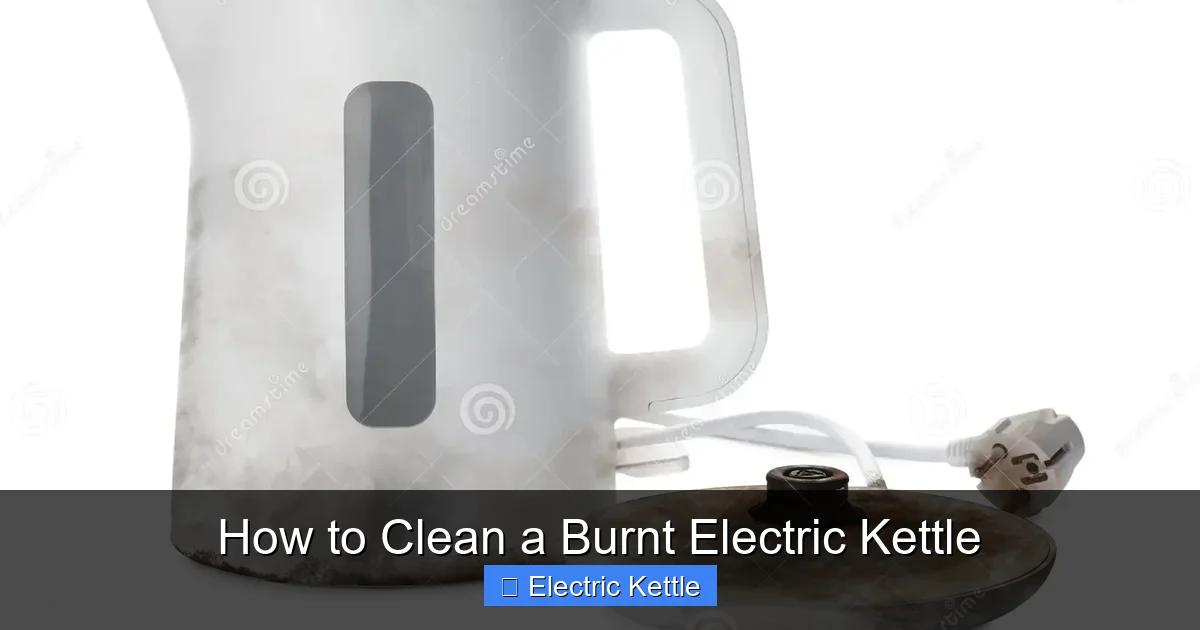
Visual guide about How to Clean a Burnt Electric Kettle
Image source: thumbs.dreamstime.com
Before diving into cleaning methods, it’s helpful to understand why electric kettles get burnt in the first place. Knowing the root cause can help you prevent future incidents and protect your appliance from long-term damage.
Dry Boiling
The most common cause of a burnt electric kettle is dry boiling—turning on the kettle when there’s little or no water inside. Most modern kettles have automatic shut-off features that activate when the water reaches boiling point, but they may not detect low water levels quickly enough. If the heating element runs without sufficient water, it overheats rapidly, scorching any mineral deposits or food particles stuck to the bottom.
Mineral Buildup (Limescale)
Hard water contains high levels of calcium and magnesium, which leave behind white, chalky deposits known as limescale. Over time, this buildup accumulates on the heating element and interior surfaces. When the kettle heats up, these minerals can trap heat and cause localized overheating, leading to burning. In areas with very hard water, this problem is especially common and can occur even when the kettle isn’t dry-boiled.
Food or Residue Contamination
Sometimes, small food particles—like tea leaves, coffee grounds, or even sugar—can fall into the kettle and settle at the bottom. When heated repeatedly, these organic materials carbonize and stick to the surface, creating dark, burnt patches. This is more likely in kettles used for purposes other than boiling water, such as making instant coffee or hot chocolate.
Old or Damaged Heating Elements
With regular use, the heating element inside an electric kettle can degrade. Cracks, corrosion, or uneven surfaces can cause hot spots that burn residue more easily. If your kettle has been in use for several years and you notice frequent burning, the heating element may be nearing the end of its lifespan.
Improper Cleaning Habits
Neglecting regular cleaning allows mineral deposits and residue to build up over time. The thicker the layer, the more likely it is to burn when heated. Additionally, using harsh chemicals or abrasive scrubbers can damage the interior coating, making it more prone to staining and burning.
Understanding these causes helps you take preventive measures. For example, always check the water level before turning on the kettle, descale monthly if you have hard water, and avoid using the kettle for anything other than water. Prevention is always easier than cleanup.
Essential Tools and Ingredients for Cleaning
You don’t need fancy cleaning products to restore your burnt electric kettle. Most of the tools and ingredients you need are already in your kitchen. The key is using natural, non-abrasive substances that break down burnt residue without harming the kettle’s interior.
Vinegar (White Distilled)
White vinegar is a powerhouse cleaner for electric kettles. Its acetic acid content dissolves mineral deposits, limescale, and light charring. It’s safe, inexpensive, and widely available. For best results, use undiluted white vinegar or a 1:1 mix with water.
Lemon Juice
Fresh lemon juice or bottled lemon juice works similarly to vinegar. The citric acid cuts through grease and mineral buildup while leaving a fresh scent. Lemon is especially effective for light burns and odors. You can use it alone or combine it with vinegar for extra power.
Baking Soda
Baking soda is a mild abrasive that helps scrub away stubborn stains without scratching surfaces. It’s ideal for tackling charred spots that vinegar or lemon can’t fully remove. Make a paste with water and apply it directly to the burnt area.
Water
Plain water is essential for diluting cleaning solutions and rinsing the kettle thoroughly. Always use clean, cool water to avoid introducing new minerals or contaminants.
Soft Cloth or Sponge
Use a non-abrasive cloth, sponge, or soft-bristled brush to gently scrub the interior. Avoid steel wool, scouring pads, or anything that could scratch the surface. Microfiber cloths work well for wiping and polishing.
Toothbrush (Optional)
For hard-to-reach spots around the heating element or spout, an old toothbrush can be very helpful. Its small bristles allow for precise cleaning without damaging delicate parts.
Measuring Cup
A measuring cup helps you accurately mix cleaning solutions, especially when using vinegar or lemon juice. This ensures you use the right concentration for effective cleaning.
Safety Gear (Optional)
While not always necessary, wearing gloves can protect your hands from acidic solutions, especially if you have sensitive skin. Safety goggles are overkill for most home cleaning, but if you’re dealing with heavy buildup, they’re a good precaution.
Having these items on hand makes the cleaning process quick and efficient. Most importantly, they’re safe for both you and your kettle, ensuring a thorough clean without risk of damage.
Step-by-Step Methods to Clean a Burnt Electric Kettle
Now that you know the causes and have the right tools, it’s time to get cleaning. Below are several proven methods, ranging from simple to more intensive, depending on the severity of the burn.
Method 1: Vinegar Soak (Best for Light to Moderate Burns)
This is the most popular and effective method for cleaning burnt electric kettles. Vinegar’s acidity breaks down mineral deposits and loosens charred residue.
Steps:
- Fill the kettle halfway with equal parts white vinegar and water. For example, use 1 cup vinegar and 1 cup water.
- Plug in the kettle and bring the solution to a boil. Let it boil for 1–2 minutes, then turn it off.
- Let the vinegar solution sit in the kettle for at least 30 minutes—overnight for heavy buildup.
- After soaking, pour out the solution and scrub the interior gently with a soft sponge or cloth. Focus on the burnt areas.
- Rinse the kettle thoroughly with clean water at least 3 times to remove all vinegar residue.
- Fill the kettle with fresh water, boil it once, and pour it out. This helps eliminate any lingering vinegar taste.
Tip: If the burn is stubborn, repeat the process or increase the vinegar concentration to full strength.
Method 2: Lemon Juice Boil (Great for Odors and Light Burns)
Lemon juice is a natural deodorizer and cleaner. It’s especially useful if your kettle smells burnt or has a metallic taste.
Steps:
- Cut a fresh lemon in half and squeeze the juice into the kettle. Add the lemon halves for extra cleaning power.
- Add enough water to cover the burnt area—usually about halfway.
- Boil the lemon water for 5–10 minutes. The citric acid will start breaking down the residue.
- Turn off the kettle and let it sit for 30 minutes to 1 hour.
- Scrub gently with a soft sponge, then rinse thoroughly.
- Boil a cycle of clean water to remove any lemon scent before using for drinking.
Tip: For extra shine, wipe the exterior with a lemon wedge and a damp cloth.
Method 3: Baking Soda Paste (For Stubborn Charred Spots)
When vinegar or lemon isn’t enough, baking soda provides gentle abrasion to scrub away tough burns.
Steps:
- Make a thick paste using 2–3 tablespoons of baking soda and a small amount of water.
- Apply the paste directly to the burnt areas using a soft cloth or sponge.
- Gently scrub in circular motions. Avoid pressing too hard, especially near the heating element.
- Let the paste sit for 10–15 minutes to loosen the residue.
- Rinse thoroughly with water, then wipe dry.
- If needed, follow up with a vinegar soak to remove any remaining buildup.
Tip: Never use baking soda on aluminum kettles, as it can cause discoloration.
Method 4: Vinegar and Baking Soda Combo (Heavy-Duty Cleaning)
For severely burnt kettles, combining vinegar and baking soda creates a fizzing reaction that helps lift stubborn residue.
Steps:
- Pour 1 cup of white vinegar into the kettle.
- Add 2 tablespoons of baking soda. The mixture will fizz—this is normal.
- Let it sit for 15–20 minutes. The reaction helps break down tough stains.
- Scrub gently with a soft sponge, then rinse thoroughly.
- Boil a cycle of clean water to ensure no residue remains.
Warning: Do not seal the kettle during this process, as pressure can build up.
Method 5: Commercial Descaler (For Frequent Use or Hard Water)
If you live in an area with very hard water or use your kettle daily, a commercial descaler can be a convenient option.
Steps:
- Follow the manufacturer’s instructions on the product label.
- Typically, you’ll mix the descaler with water, boil it, let it sit, then rinse thoroughly.
- Always rinse multiple times and run a clean water cycle before use.
Tip: Choose eco-friendly, non-toxic descalers to avoid chemical residues.
Safety Tips When Cleaning Your Electric Kettle
Cleaning a burnt electric kettle is generally safe, but it’s important to follow a few key safety guidelines to protect yourself and your appliance.
Never Submerge the Base
The electrical base of an electric kettle must never be submerged in water or cleaned with liquid. Water can damage the internal components and create a serious shock hazard. Only clean the removable parts (if applicable) or the interior chamber. Always unplug the kettle before cleaning.
Let the Kettle Cool First
Always allow the kettle to cool completely before cleaning. Handling a hot kettle can cause burns, and pouring cold water into a hot interior can crack the glass or damage the heating element.
Use Gentle Tools
Avoid metal scrubbers, steel wool, or abrasive pads. These can scratch the interior surface, creating grooves where bacteria and residue can accumulate. Stick to soft sponges, cloths, or brushes.
Ventilate the Area
When boiling vinegar or lemon, the fumes can be strong. Open a window or turn on a fan to ensure proper ventilation, especially in small kitchens.
Wear Gloves if Needed
If you have sensitive skin, wear rubber gloves when handling vinegar or lemon juice. These acids can dry out or irritate the skin with prolonged exposure.
Test Before Use
After cleaning, always run at least one cycle of clean water through the kettle and discard it. This ensures no cleaning solution residue remains that could affect the taste or safety of your drinking water.
Check for Damage
While cleaning, inspect the kettle for cracks, loose parts, or signs of electrical damage. If you notice anything unusual, stop using the kettle and consider replacing it.
Following these safety tips ensures a smooth, risk-free cleaning experience.
How to Prevent Your Electric Kettle from Burning Again
Cleaning is only half the battle—prevention is the real key to keeping your kettle in top condition. Here’s how to avoid future burns and extend the life of your appliance.
Always Check the Water Level
Before turning on the kettle, make sure there’s enough water to cover the heating element. Most kettles have minimum and maximum fill lines—never go below the minimum.
Descale Regularly
If you have hard water, descale your kettle every 1–2 months using vinegar or a commercial descaler. This prevents limescale buildup, which can lead to overheating and burning.
Avoid Dry Boiling
Never turn on the kettle without water. Even a few seconds of dry heating can damage the element and cause burning.
Use Only for Water
Avoid using your electric kettle for soups, coffee, or other liquids. Residue from these substances can burn and are harder to clean.
Clean Spills Immediately
If water or liquid spills on the exterior or base, wipe it up right away. Moisture can seep into electrical components and cause malfunctions.
Store Properly
Keep the kettle in a dry, cool place when not in use. Avoid stacking heavy items on top, which can damage the lid or spout.
Replace When Necessary
Most electric kettles last 3–5 years with proper care. If you notice frequent burning, strange noises, or electrical issues, it’s time to replace it.
By adopting these habits, you’ll keep your kettle clean, safe, and efficient for years to come.
When to Replace Your Electric Kettle
Despite your best efforts, there comes a time when cleaning isn’t enough. Knowing when to replace your kettle is important for safety and performance.
Persistent Odors or Tastes
If your water still smells or tastes burnt after thorough cleaning, the interior may be permanently damaged. This can affect the quality of your drinking water.
Visible Cracks or Damage
Cracks in the glass, plastic, or metal parts can harbor bacteria and pose a safety risk. Even small cracks can worsen over time.
Electrical Issues
If the kettle doesn’t heat properly, shuts off randomly, or shows signs of sparking, stop using it immediately. These are signs of electrical failure.
Rusting or Corrosion
Rust on the heating element or interior surfaces indicates long-term damage. It can contaminate water and reduce efficiency.
Frequent Burning
If your kettle burns regularly despite proper use and cleaning, the heating element may be failing. Replacing the kettle is safer than risking a fire or malfunction.
Investing in a new kettle ensures you have a reliable, safe appliance for daily use.
Conclusion
Cleaning a burnt electric kettle might seem daunting, but with the right approach, it’s a simple and rewarding task. Whether you use vinegar, lemon, or baking soda, these natural methods effectively remove residue and restore your kettle’s performance. More importantly, they’re safe for both you and your appliance.
Remember, prevention is just as important as cleanup. By checking water levels, descaling regularly, and avoiding dry boiling, you can keep your kettle in excellent condition for years. And if your kettle is beyond repair, don’t hesitate to replace it—your safety and peace of mind are worth it.
With these tips and techniques, you’ll never have to suffer through smoky smells or off-tasting water again. Your kettle will be clean, efficient, and ready to brew your next perfect cup of tea.
Frequently Asked Questions
Can I use apple cider vinegar to clean my electric kettle?
Yes, you can use apple cider vinegar, but white distilled vinegar is preferred. It’s clearer and less likely to leave stains or odors. Apple cider vinegar works similarly but may require extra rinsing.
Is it safe to boil vinegar in an electric kettle?
Yes, it’s safe to boil vinegar in an electric kettle as long as you ventilate the area and rinse thoroughly afterward. The acetic acid breaks down safely and evaporates during boiling.
How often should I clean my electric kettle?
Clean your kettle every 1–2 months if you use it regularly, or more often if you have hard water. Descaling prevents buildup and reduces the risk of burning.
Can I clean the heating element directly?
You can gently clean around the heating element with a soft cloth or toothbrush, but avoid scrubbing it directly. Most elements are sealed and don’t require direct cleaning.
What if the burn is on the outside of the kettle?
For exterior burns, wipe with a damp cloth and mild soap. For stubborn marks, use a baking soda paste. Avoid harsh chemicals that could damage the finish.
Will cleaning remove the burnt smell?
Yes, methods like vinegar or lemon soaks are very effective at eliminating burnt odors. Always run a clean water cycle after cleaning to ensure the smell is gone.