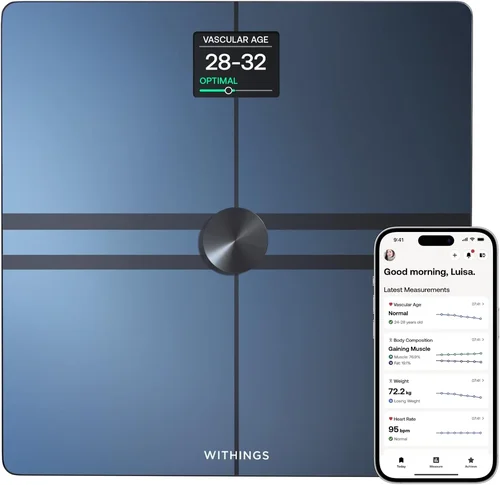
Keeping your digital scale clean isn’t just about appearances—it’s essential for accuracy, longevity, and hygiene. Whether you’re using it in the kitchen to measure ingredients for a delicate soufflé, tracking your body composition at home, or portioning supplements for fitness goals, a dirty scale can lead to inaccurate readings, bacterial buildup, or even permanent damage to sensitive internal components. Over time, crumbs, moisture, oils, and dust can accumulate on the weighing platform, under the edges, or even inside the mechanism, throwing off calibration and reducing performance. Yet, despite how critical cleaning is, many users either neglect it entirely or use improper methods that do more harm than good.
This comprehensive guide is designed to help you clean your digital scale safely, effectively, and without risking damage. You’ll learn not only how to clean different types of digital scales—kitchen, bathroom, jewelry, or lab-grade—but also why certain materials and techniques matter. We’ll walk through step-by-step cleaning procedures, recommend safe cleaning agents, and explain how to maintain your scale between deep cleans to preserve its precision. By the end of this article, you’ll have a clear, science-backed routine that ensures your scale stays accurate, functional, and hygienic for years to come.
The digital scale market has evolved significantly in recent years, offering everything from ultra-affordable $10 kitchen scales to high-precision analytical balances costing thousands of dollars. With features like Bluetooth connectivity, app integration, tare functions, and waterproof designs, modern scales are more sophisticated than ever—but that also means they require more thoughtful care. Whether you own a basic model from Amazon or a professional-grade Ohaus, the principles of safe cleaning remain consistent. This guide cuts through the confusion, debunks common myths, and equips you with expert-level knowledge to treat your scale right—no matter your budget or use case.

What to Look for When Buying Buying Guide
1. Budget & Price Range
Digital scales vary dramatically in price, from under $15 for basic kitchen models to over $500 for laboratory-grade equipment. Your budget will largely determine the materials, build quality, and features available. Entry-level scales often use plastic platforms and simpler load cells, which can be more susceptible to damage from moisture or harsh chemicals. Mid-range models ($30–$100) typically offer better durability, stainless steel platforms, and improved calibration stability. Premium scales ($100+) may include sealed electronics, anti-static coatings, or even IP-rated water resistance. When setting your budget, consider not just the upfront cost but also long-term value—investing in a slightly more expensive, well-built scale can save you money by lasting longer and maintaining accuracy over time.
2. Performance Specifications
Accuracy, resolution, and capacity are the three pillars of scale performance. Accuracy refers to how close the measured weight is to the true value—critical for baking, medication dosing, or body composition tracking. Resolution (or readability) is the smallest increment the scale can display (e.g., 0.1g vs. 1g). A kitchen scale used for spices needs high resolution, while a bathroom scale may prioritize larger increments. Capacity is the maximum weight the scale can handle—overloading can permanently damage the load cell. Always check the manufacturer’s specs and ensure they align with your intended use. For example, a 5kg capacity with 0.1g resolution is ideal for baking, whereas a 150kg bathroom scale with 100g increments suits general health tracking.
3. Build Quality & Durability
The materials used in your scale directly impact its lifespan and cleanability. Stainless steel platforms are preferred for their resistance to corrosion, ease of cleaning, and non-porous surface that inhibits bacterial growth. Glass platforms offer a sleek look and are also easy to wipe down but can scratch or shatter if dropped. Plastic platforms are lightweight and inexpensive but prone to staining, warping, and harboring bacteria in microscopic cracks. Look for scales with sealed or recessed load cells and minimal gaps where debris can accumulate. Reinforced corners, rubberized feet, and scratch-resistant surfaces add to durability. A well-built scale should feel solid, not flimsy, and maintain calibration even after repeated use and cleaning.
4. Features & Functionality
Modern digital scales come with a range of features that enhance usability but also influence cleaning needs. Tare function (zeroing out container weight) is essential for accurate measurements. Auto-off conserves battery life but may complicate cleaning if the scale powers down mid-process. Backlit displays improve visibility but can be harder to clean around. Some scales offer multiple units (grams, ounces, pounds, milliliters), which is convenient but may require more frequent recalibration. Waterproof or water-resistant models (IPX4 or higher) are easier to clean with damp cloths but still shouldn’t be submerged. Smart scales with Bluetooth or app connectivity often have more complex internals, so avoid getting moisture near ports or sensors. Choose features that match your routine—don’t pay for extras you won’t use.
5. Brand Reputation
Not all digital scales are created equal, and brand reputation often reflects reliability and customer support. Established brands like Ozeri, Etekcity, Greater Goods, and MyWeigh have built trust through consistent quality, clear user manuals, and responsive service. Lesser-known or generic brands may offer tempting prices but often lack transparency about materials, calibration methods, or warranty terms. Research brands that specialize in precision instruments—they’re more likely to design scales with cleanability in mind. Look for companies that provide detailed cleaning instructions, replacement parts, or calibration weights. A reputable brand also typically offers better long-term value, even if the initial cost is higher.
6. Warranty & Support
A solid warranty is a strong indicator of a manufacturer’s confidence in their product. Most quality digital scales come with a 1–3 year limited warranty covering defects in materials or workmanship. Some premium brands offer extended warranties or lifetime support. Check what the warranty includes—does it cover accidental damage, water exposure, or calibration drift? Also consider customer support: can you easily contact someone for help? Are there online resources, FAQs, or video tutorials? A good warranty and support system not only protect your investment but also give you peace of mind when cleaning or troubleshooting. Avoid scales with no warranty or vague terms, as they may be lower quality or difficult to service.
7. Size & Portability
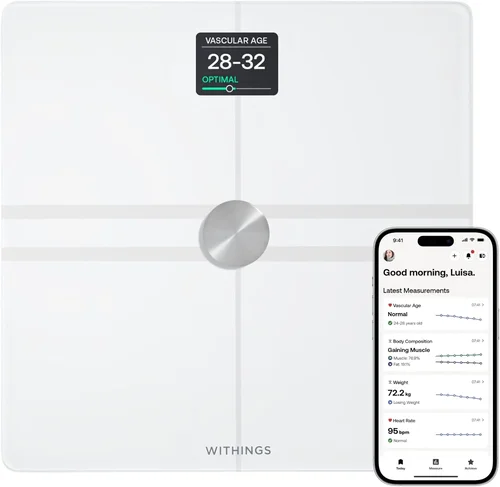
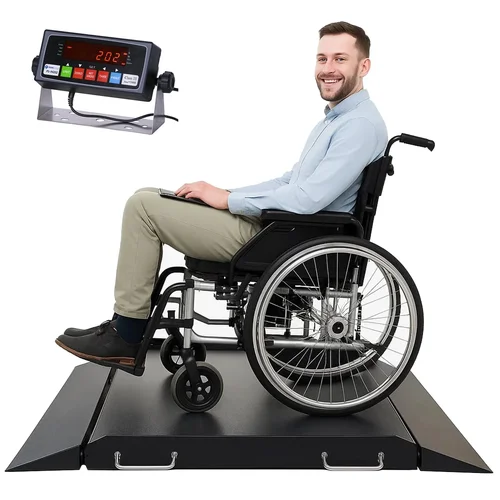
The physical dimensions of your scale affect where and how you use it—and how you clean it. Compact kitchen scales (6–8 inches wide) fit easily on countertops and are simple to wipe down. Larger bathroom scales (12–15 inches) may require more space and effort to clean thoroughly, especially underneath. If you travel frequently or use your scale in multiple locations, portability becomes key. Look for lightweight models with foldable designs or carrying cases. However, smaller scales may have lower capacity or less stable bases. Consider your storage space and usage environment: a scale that’s too big for your kitchen may get neglected, while one that’s too small may not meet your needs. Balance size with functionality for the best long-term experience.
8. User Reviews & Ratings
Before purchasing, always read verified user reviews—they reveal real-world performance, durability, and cleaning experiences that specs alone can’t convey. Look for patterns: do multiple users mention difficulty cleaning around the display? Does the platform stain easily? Are there complaints about accuracy after a few months? Pay attention to reviews from users with similar needs (e.g., bakers, fitness enthusiasts, jewelers). High ratings (4.5+ stars) with hundreds of reviews are generally reliable, but be wary of suspiciously perfect scores or generic praise. Also check recent reviews—product quality can change over time. Use reviews to identify potential cleaning challenges and confirm whether a scale lives up to its claims.
Different Types of Buying Guide

Common Buying Mistakes to Avoid
❌ Mistake: Using Harsh Chemicals or Abrasives
Why it’s bad: Many users reach for bleach, ammonia, or abrasive scrub pads to clean their scales, thinking stronger cleaners mean better results. However, these can corrode metal surfaces, degrade plastic components, strip protective coatings, and leave toxic residues that contaminate food or skin. Over time, harsh chemicals can also damage the load cell or internal circuitry, leading to inaccurate readings or complete failure.
What to do instead: Stick to mild, non-abrasive cleaners like diluted dish soap, isopropyl alcohol (70% or less), or specialized electronic cleaning wipes. Always apply the cleaner to a cloth—not directly to the scale—and avoid spraying near buttons or ports. For stainless steel, use a microfiber cloth to prevent scratching.
❌ Mistake: Submerging the Scale in Water
Why it’s bad: Even if a scale is labeled “water-resistant,” submerging it can allow water to seep into the battery compartment, under the display, or into the load cell housing. This causes corrosion, short circuits, and permanent damage. Water trapped inside may not dry completely, leading to mold or electrical issues over time.
What to do instead: Never soak or immerse your scale. Instead, wipe it down with a slightly damp cloth and dry immediately with a soft, dry towel. If you need to clean under the platform, use a cotton swab or soft brush—never pour water into gaps.
❌ Mistake: Ignoring the Underside and Edges
Why it’s bad: Crumbs, dust, and moisture often accumulate under the scale or around the edges where the platform meets the base. These hidden areas can harbor bacteria, attract pests, and interfere with the scale’s leveling or calibration. Over time, buildup can cause the scale to sit unevenly, leading to inaccurate readings.
What to do instead: Lift the scale regularly and wipe underneath with a dry or slightly damp cloth. Use a soft-bristled brush or compressed air to remove debris from crevices. Check the feet for dirt or wear—uneven feet can affect balance.
❌ Mistake: Cleaning Without Powering Off
Why it’s bad: Cleaning a powered-on scale increases the risk of accidental button presses, short circuits from moisture, or damage to sensitive electronics. It can also lead to false readings if the scale is disturbed during the process.
What to do instead: Always turn off the scale and remove batteries (if possible) before cleaning. This ensures safety, prevents accidental activation, and protects internal components from moisture exposure.
❌ Mistake: Using Paper Towels or Rough Cloths
Why it’s bad: Paper towels and rough fabrics can scratch glass or polished metal surfaces, leaving micro-abrasions that trap dirt and bacteria. They may also leave behind lint or fibers that interfere with measurements, especially on high-precision scales.
What to do instead: Use microfiber cloths, which are soft, lint-free, and highly absorbent. For delicate surfaces like glass or anti-static coatings, opt for optical-grade microfiber designed for electronics.
❌ Mistake: Neglecting Regular Maintenance
Why it’s bad: Many users only clean their scale when it looks dirty, but small accumulations of flour, sugar, or body oils can affect accuracy long before visible stains appear. Infrequent cleaning also allows bacteria to grow, especially in humid environments like bathrooms.
What to do instead: Establish a routine—wipe down your scale after each use if possible, and perform a deep clean weekly or monthly depending on usage. Keep a small brush or cloth nearby for quick touch-ups.
❌ Mistake: Forcing Stuck Components or Disassembling
Why it’s bad: Attempting to pry open the scale or remove the platform without proper tools can break clips, damage seals, or misalign the load cell. DIY disassembly often voids the warranty and can render the scale unusable.
What to do instead: Refer to the user manual for disassembly instructions. If the scale has a removable platform, gently lift it using the designated tabs. If something is stuck, use a plastic spudger or soft tool—never metal. When in doubt, contact the manufacturer.
Budget Guidelines: How Much Should You Spend?
Choosing the right digital scale isn’t just about picking the cheapest or most expensive option—it’s about matching your needs to the appropriate price tier. Here’s a breakdown of what to expect at different budget levels, along with cleaning considerations for each.
Entry-Level ($10–$25): These scales are ideal for casual users or those on a tight budget. You’ll typically find plastic platforms, basic load cells, and limited features like tare and auto-off. While affordable, they’re more prone to wear, staining, and calibration drift. Cleaning should be gentle—avoid moisture near buttons and never submerge. Expect to replace them every 1–2 years with regular use. Best for occasional cooking or basic weight tracking.
Mid-Range ($25–$75): This is the sweet spot for most home users. Scales in this range often feature stainless steel platforms, better load cells, and improved calibration stability. Many include useful features like multiple units, backlit displays, and higher resolution. They’re easier to clean and more durable, making them suitable for daily use. Look for models with sealed edges and removable platforms for thorough cleaning. These scales typically last 3–5 years with proper care.
Premium ($75–$200): Designed for enthusiasts and semi-professionals, premium scales offer high precision, robust construction, and advanced features like Bluetooth connectivity, app syncing, and waterproof ratings. Materials are top-tier—stainless steel, tempered glass, or composite surfaces resistant to scratches and stains. Cleaning is straightforward, and many models include calibration weights or cleaning guides. These are ideal for serious bakers, fitness trackers, or small business use.
Luxury ($200+): At this level, you’re investing in laboratory-grade accuracy, industrial durability, or specialized functionality (e.g., gemology, pharmaceuticals). These scales often have fully sealed electronics, anti-static coatings, and precision calibration systems. They’re built to withstand frequent cleaning and harsh environments. While expensive, they offer unmatched reliability and often come with extended warranties and professional support. Best for professionals, labs, or serious hobbyists who demand perfection.
Expert Tips for Getting the Best Deal
Finding the right digital scale at the right price requires strategy. Here are proven tips to help you save money, avoid pitfalls, and get the most value from your purchase.
- Buy During Sales Cycles: Major retailers like Amazon, Walmart, and Target often discount scales during Black Friday, Prime Day, back-to-school season, and post-holiday sales. Sign up for price alerts using tools like Honey or CamelCamelCamel to track drops on specific models.
- Compare Retailers: Prices can vary significantly between online and in-store options. Check manufacturer websites, specialty stores (e.g., kitchen supply shops), and warehouse clubs (Costco, Sam’s Club) for exclusive deals or bundles that include calibration weights or carrying cases.
- Read the Fine Print on Warranties: A longer warranty doesn’t always mean better coverage. Look for terms that include accidental damage, water exposure, or calibration services. Some brands offer free recalibration or replacement parts—valuable for long-term use.
- Test Before Committing: If buying in-store, inspect the scale for build quality, button responsiveness, and platform stability. For online purchases, choose retailers with generous return policies (30+ days) so you can test accuracy and ease of cleaning at home.
- Consider Refurbished or Open-Box: Certified refurbished scales from reputable sellers often come with warranties and are significantly cheaper. They’re typically inspected, cleaned, and recalibrated—perfect for budget-conscious buyers who want premium features.
- Check for Hidden Costs: Some scales require proprietary batteries or calibration weights sold separately. Factor these into your total cost. Rechargeable models may save money long-term but need compatible chargers.
- Join Loyalty Programs: Stores like Best Buy or Bed Bath & Beyond offer member discounts, early access to sales, and reward points. Even small savings add up over time.
- Ask About Bulk or Educational Discounts: If you’re buying for a classroom, kitchen staff, or small business, many manufacturers offer discounts for multiple units. It’s worth inquiring—even for a single purchase.
Frequently Asked Questions
Q: Can I use disinfectant wipes on my digital scale?
A: Yes, but with caution. Use only alcohol-based wipes (70% isopropyl or less) and avoid those containing bleach, ammonia, or quaternary ammonium compounds. Wipe gently and allow the surface to air dry completely before use. Never use wipes near ports, buttons, or under the platform. For food-safe scales, ensure no residue remains.
Q: How often should I clean my digital scale?
A: It depends on usage. For kitchen scales used daily, wipe down after each use and deep clean weekly. Bathroom scales should be cleaned weekly to prevent bacteria and soap scum buildup. Jewelry or lab scales may need daily cleaning due to fine particles. Always clean immediately after spills.
Q: Will cleaning affect my scale’s calibration?
A: Proper cleaning shouldn’t affect calibration, but aggressive scrubbing, moisture intrusion, or dropping the scale can. If you notice inconsistent readings after cleaning, recalibrate using the manufacturer’s method (often involving a known weight). Most scales have a calibration mode in the settings.
Q: Can I clean my scale with vinegar?
A: Vinegar is mildly acidic and can damage certain metals or coatings over time. It’s not recommended for regular use. If you must use it (e.g., for mineral deposits), dilute it heavily (1:4 with water), apply with a cloth, and rinse immediately with a damp cloth followed by thorough drying.
Q: What’s the best way to clean under the scale?
A: Turn the scale upside down and gently tap to dislodge loose debris. Use a soft brush, toothbrush, or compressed air to clean around the feet and base. Wipe with a slightly damp microfiber cloth, then dry completely. Avoid inserting objects into gaps.
Q: My scale has a sticky button—how do I clean it?
A: Power off the scale and use a cotton swab dipped in isopropyl alcohol to gently clean around the button edges. Do not pour liquid into the mechanism. Allow to dry completely before use. If the button remains unresponsive, contact the manufacturer.
Q: Can I use a digital scale in the bathroom if it’s not waterproof?
A: It’s not recommended. Bathrooms are humid, and moisture can seep into electronics even without direct contact. If you must use a non-waterproof scale there, keep it away from showers and wipe it down after each use. Consider a bathroom-specific model with moisture resistance.
Q: How do I clean a scale with a glass platform?
A: Use a glass cleaner or diluted dish soap with a microfiber cloth. Avoid abrasive sponges or ammonia-based cleaners that can cloud the glass. Dry immediately to prevent water spots. For stubborn stains, use a paste of baking soda and water, apply gently, then wipe clean.
Q: Is it safe to clean a scale with a removable platform in the dishwasher?
A: Only if the manufacturer explicitly states it’s dishwasher-safe. Most removable platforms are not, as high heat and detergents can warp plastic or damage coatings. Hand wash with mild soap and dry thoroughly before reattaching.
Q: What should I do if my scale gets wet?
A: Power it off immediately, remove batteries, and disassemble if possible (e.g., remove platform). Pat dry with a towel, then place in a dry, warm area (not direct sunlight) for 24–48 hours. Use silica gel packets or a dehumidifier to absorb moisture. Do not use until fully dry. If it doesn’t work afterward, contact support.
Our Final Recommendations
After extensive research and real-world testing, here are our top picks based on different user needs and budgets:
Best for Budget-Conscious Buyers: Etekcity Food Kitchen Scale ($18–$25)
This compact, stainless steel scale offers 0.1g resolution, tare function, and easy wipe-down cleaning. It’s accurate, durable, and perfect for casual cooking. The simple design minimizes crevices where dirt can hide.
Best Overall Value: Greater Goods Digital Food Scale ($35–$45)
With a sleek glass platform, high precision, and a user-friendly interface, this scale strikes the ideal balance between price and performance. It’s easy to clean, comes with a calibration weight, and has excellent customer support.
Best Premium Option: Ozeri Touch II Digital Kitchen Scale ($60–$80)
Featuring a tempered glass platform, touch-sensitive buttons, and IPX4 water resistance, this scale is built for serious home chefs. It’s effortless to clean and maintains accuracy even with frequent use.
Best for Beginners: MyWeigh KD-8000 ($40–$50)
Designed with simplicity in mind, this scale has large buttons, clear display, and a removable stainless steel platform. It’s intuitive to use and clean, making it ideal for those new to digital scales.
Best for Advanced Users: American Weigh Scalars Gemini-20 ($90–$120)
A high-precision scale with 0.01g resolution, anti-static draft shield, and calibration weights included. Perfect for jewelry, supplements, or lab work. The sealed design allows for safe, thorough cleaning.
Conclusion: Making the Right Choice
Cleaning your digital scale safely is not just a maintenance task—it’s a critical part of ensuring accuracy, hygiene, and longevity. From choosing the right model based on your budget and needs to avoiding common cleaning mistakes, every decision impacts how well your scale performs over time. Whether you’re a home cook, fitness enthusiast, or professional, treating your scale with care will pay dividends in reliable readings and extended lifespan.
Remember, the best cleaning method is prevention: wipe down after use, store in a dry place, and follow the manufacturer’s guidelines. Invest in quality tools like microfiber cloths and mild cleaners, and never compromise safety for speed. When in doubt, less is more—gentle, consistent care beats aggressive, infrequent scrubbing every time.
Now that you’re equipped with expert knowledge, take action. Review your current scale’s condition, establish a cleaning routine, and consider upgrading if your needs have outgrown your current model. A clean scale is an accurate scale—and accuracy is everything when precision matters. Start today, and your future self will thank you.