Keeping your electric water kettle clean is essential for great-tasting water and long-lasting performance. With regular maintenance using common household ingredients like vinegar or lemon, you can easily remove limescale and mineral buildup. This guide walks you through safe, step-by-step cleaning methods to keep your kettle sparkling and efficient.
Key Takeaways
- Clean your electric kettle regularly: Aim to clean it every 2–4 weeks, depending on water hardness, to prevent limescale buildup and maintain performance.
- Use natural cleaners like vinegar or lemon: These are safe, effective, and eco-friendly options that dissolve mineral deposits without harsh chemicals.
- Never submerge the base or electrical components: Only the kettle’s interior and removable parts should be cleaned—never immerse the base in water.
- Rinse thoroughly after cleaning: Always rinse the kettle multiple times to remove any cleaning solution residue before using it again.
- Descale when you see white deposits: If you notice chalky white spots or reduced heating speed, it’s time for a deep clean.
- Wipe the exterior with a damp cloth: Keep the outside clean and free of fingerprints or stains using a soft, slightly damp cloth.
- Store with the lid open: Allowing air circulation helps prevent odors and moisture buildup inside the kettle.
📑 Table of Contents
- Why Cleaning Your Electric Water Kettle Matters
- Signs It’s Time to Clean Your Electric Kettle
- What You’ll Need to Clean Your Electric Kettle
- Step-by-Step Guide to Cleaning with Vinegar
- Alternative Cleaning Methods
- Cleaning the Exterior and Removable Parts
- How Often Should You Clean Your Electric Kettle?
- Tips for Maintaining a Clean Kettle
- Common Mistakes to Avoid
- Conclusion
Why Cleaning Your Electric Water Kettle Matters
Your electric water kettle is one of the most-used appliances in the kitchen—especially if you’re a tea lover, coffee enthusiast, or someone who enjoys instant soups and oatmeal. But what many people don’t realize is that over time, mineral deposits from hard water can build up inside the kettle. These deposits, known as limescale, look like white, chalky residue and can affect both the taste of your water and the efficiency of your kettle.
Ignoring this buildup doesn’t just mean your tea might taste a little off—it can also cause your kettle to work harder, heat more slowly, and even shorten its lifespan. In extreme cases, limescale can clog the heating element or spout, leading to malfunctions or the need for replacement. That’s why regular cleaning isn’t just about hygiene—it’s about performance and longevity.
Think of your electric kettle like your coffee maker or dishwasher: it needs occasional maintenance to keep running smoothly. Fortunately, cleaning it is quick, easy, and doesn’t require special tools or expensive products. With just a few household ingredients and a little time each month, you can keep your kettle in top shape and your beverages tasting fresh.
Signs It’s Time to Clean Your Electric Kettle
Visual guide about How to Clean a Electric Water Kettle
Image source: irrorwxhiqijjr5q.ldycdn.com
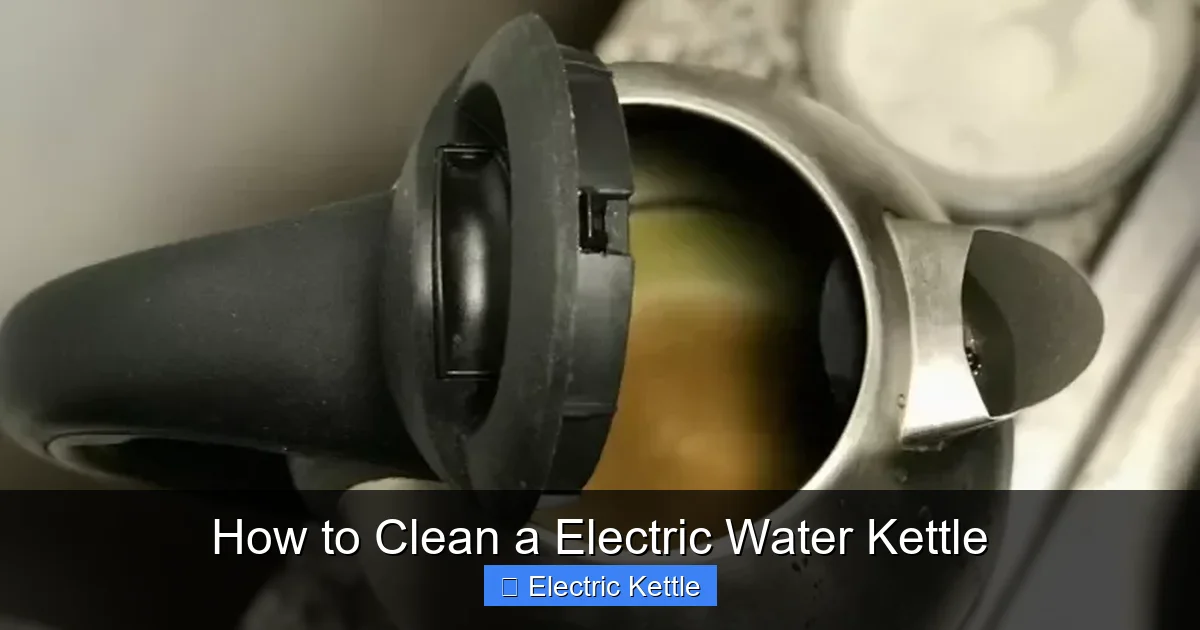
You don’t need to wait for your kettle to break down before giving it a good clean. There are several telltale signs that it’s time to roll up your sleeves and tackle the buildup. One of the most obvious is visible limescale—those white, flaky deposits that cling to the inside of the kettle, especially around the heating element or the bottom. If you see this, it’s a clear signal that minerals from your water have been accumulating over time.
Another sign is a change in how your kettle performs. If it’s taking longer than usual to boil water, or if the heating element seems to be working harder (you might hear more noise or see it glowing red for longer), limescale could be insulating the element and reducing efficiency. You might also notice a faint metallic or stale taste in your water, even if you’re using filtered water. This happens when minerals and old residue mix with fresh water during heating.
Even if you don’t see visible scale, if you live in an area with hard water—water that’s high in calcium and magnesium—you should clean your kettle more frequently. Hard water accelerates buildup, so monthly cleaning is a good rule of thumb. On the other hand, if you use soft or filtered water, you might get away with cleaning every six to eight weeks. But don’t wait too long—prevention is always easier than dealing with a heavily scaled kettle.
What You’ll Need to Clean Your Electric Kettle
The great news is that you probably already have everything you need to clean your electric kettle right in your kitchen. You don’t need fancy cleaners or special tools—just a few simple, natural ingredients that are safe, effective, and gentle on your appliance.
The most common and effective cleaning agent is white distilled vinegar. It’s acidic enough to break down limescale but safe for food-contact surfaces. You’ll also need water—preferably filtered or distilled to avoid adding more minerals during the cleaning process. For lighter cleaning or a fresher scent, lemon juice works wonders. The citric acid in lemon is naturally descaling and leaves a pleasant aroma.
If you prefer a paste-based approach for scrubbing, baking soda is a great option. Mixed with a little water, it forms a gentle abrasive that can help remove stubborn spots without scratching the interior. You’ll also need a soft sponge or cloth—avoid anything abrasive like steel wool, which can damage the kettle’s surface.
For the exterior, a microfiber cloth and a bit of mild dish soap will do the trick. And don’t forget a clean towel for drying. Optional but helpful items include a small bottle brush (great for reaching tight spots near the spout) and a toothbrush for detailed cleaning around the lid or handle.
Step-by-Step Guide to Cleaning with Vinegar
One of the most popular and effective ways to clean an electric water kettle is using white vinegar. This method is especially great for tackling heavy limescale buildup and restoring your kettle to like-new condition. Here’s how to do it safely and effectively.
Prepare the Cleaning Solution
Start by filling your kettle about halfway with equal parts water and white distilled vinegar. For example, if your kettle holds 1.7 liters, use about 400–500 ml of water and the same amount of vinegar. This ratio is strong enough to dissolve mineral deposits but not so strong that it leaves a strong odor or taste.
If your kettle has very heavy scaling, you can increase the vinegar ratio slightly—up to 75% vinegar and 25% water. Just be sure not to use pure vinegar, as it can be too harsh and may damage certain materials over time. Once you’ve added the solution, close the lid and let it sit for 30 minutes to an hour. This gives the vinegar time to loosen the scale before heating.
Boil and Soak
After the initial soak, plug in your kettle and bring the vinegar solution to a boil. Let it boil for about 5–10 minutes, then turn it off and unplug the appliance. Allow the solution to cool slightly—don’t handle it while it’s still hot—and then let it sit for another 15–20 minutes. The heat helps accelerate the descaling process, breaking down even the toughest deposits.
Once the kettle has cooled, carefully pour out the vinegar solution. You’ll likely see bits of limescale floating in the liquid or stuck to the sides. If the scale is still visible, you can repeat the process once more. For most kettles, one round is enough, but heavily used kettles in hard water areas may need a second treatment.
Rinse Thoroughly
This step is crucial. After descaling, rinse the kettle thoroughly with clean water—at least three to four times. Fill it up, swish the water around, and pour it out. Repeat until you no longer smell vinegar. Any leftover vinegar can affect the taste of your water, so don’t skip this step.
To be extra sure, you can fill the kettle with fresh water, boil it once, and then discard that water. This “rinse boil” helps flush out any remaining residue and ensures your next cup of tea or coffee tastes clean and fresh.
Alternative Cleaning Methods
While vinegar is a go-to for many, it’s not the only option. Some people prefer alternatives due to the smell, material concerns, or simply personal preference. Here are a few other effective methods to keep your electric kettle clean.
Lemon Juice Method
Lemon juice is a natural, pleasant-smelling alternative to vinegar. It contains citric acid, which works similarly to vinegar in breaking down limescale. To use it, cut a fresh lemon in half and squeeze the juice into your kettle—about ¼ to ½ cup should do. Add water to fill the kettle about halfway, then let it sit for 30 minutes.
After soaking, boil the lemon-water mixture for 5–10 minutes, then let it cool and sit for another 15 minutes. Pour out the liquid and rinse thoroughly. The bonus? Your kettle will smell fresh and citrusy, and there’s no strong odor to rinse out. This method is especially great for stainless steel kettles, as it’s gentle and non-corrosive.
Baking Soda Paste for Stubborn Spots
For light cleaning or spot treatment, baking soda is a mild abrasive that can help scrub away residue without scratching. Mix 1–2 tablespoons of baking soda with a small amount of water to form a thick paste. Use a soft sponge or cloth to gently rub the paste onto the inside of the kettle, focusing on areas with visible buildup.
Avoid using this method on the heating element directly, as abrasive scrubbing can damage it. After scrubbing, rinse well with water. For a deeper clean, you can combine baking soda with vinegar—add the paste first, then pour in vinegar. The fizzing reaction helps lift deposits, but be ready with a cloth to catch any overflow.
Commercial Descaling Solutions
If you prefer a ready-made solution, there are commercial descaling products designed specifically for kettles and coffee makers. These are often citric acid-based and come in powder or liquid form. Follow the instructions on the packaging carefully—most require mixing with water, boiling, and multiple rinses.
While effective, these products can be more expensive than household ingredients and may contain additives. If you choose this route, opt for food-safe, eco-friendly brands and always rinse thoroughly to remove any chemical residue.
Cleaning the Exterior and Removable Parts
While the inside of your kettle gets the most attention, don’t forget the outside and any detachable components. Over time, the exterior can accumulate fingerprints, water spots, and dust—especially if it’s stainless steel or has a glossy finish.
Wiping Down the Exterior
Unplug the kettle and let it cool completely before cleaning the outside. Use a soft, slightly damp microfiber cloth to wipe down the body, handle, and base. For stubborn spots or grease, add a drop of mild dish soap to the cloth—never spray cleaner directly onto the kettle.
Avoid abrasive sponges or harsh chemicals, which can scratch or discolor the surface. For stainless steel kettles, wipe in the direction of the grain to prevent streaks. Dry with a clean towel to avoid water spots.
Cleaning the Lid and Spout
The lid and spout are common areas for buildup, especially if steam condenses and leaves mineral deposits. If your kettle has a removable lid, take it off and wash it with warm, soapy water. Use a small bottle brush or toothbrush to clean around the hinge and spout opening.
For non-removable lids, dip a cloth in soapy water and gently wipe the inside and outside. Pay special attention to the area where the lid seals—this can trap moisture and lead to mold if not cleaned regularly.
Handling the Base and Electrical Components
Never submerge the base of your electric kettle in water or allow water to enter the electrical compartment. If the base gets wet, unplug it immediately and wipe it dry with a cloth. Let it air dry completely before using it again.
If there’s dust or debris around the base, use a dry or slightly damp cloth to wipe it away. For hard-to-reach areas, a cotton swab works well. Always ensure the kettle is unplugged and cool before cleaning any part of the base.
How Often Should You Clean Your Electric Kettle?
The frequency of cleaning depends on several factors, including how often you use your kettle and the hardness of your water. As a general rule, aim to clean your electric kettle every 2–4 weeks if you use it daily. This prevents limescale from building up and keeps your water tasting fresh.
If you live in an area with hard water—check your local water report or look for signs like soap scum in your sink—you may need to clean it more often, perhaps every 1–2 weeks. Hard water contains high levels of calcium and magnesium, which accelerate scale formation.
On the other hand, if you use soft or filtered water and only use your kettle occasionally, you might get away with cleaning it once a month or even less. But even then, a quick rinse and wipe-down every few weeks is a good habit.
A good way to remember is to tie cleaning to another routine—like when you change your coffee filters or clean your coffee maker. That way, it becomes part of your regular kitchen maintenance.
Tips for Maintaining a Clean Kettle
Cleaning your kettle doesn’t have to be a chore. With a few smart habits, you can keep it in great condition between deep cleans.
Use Filtered Water
One of the best ways to reduce limescale is to use filtered or distilled water in your kettle. This removes many of the minerals that cause buildup in the first place. While it may not eliminate the need for cleaning entirely, it can significantly reduce how often you need to do it.
Empty After Each Use
Don’t let water sit in your kettle for long periods, especially overnight. Stagnant water can promote mineral deposits and even bacterial growth. After boiling, pour out any unused water and leave the lid open to air dry.
Wipe the Interior Weekly
Even if you’re not doing a full descaling, a quick wipe with a damp cloth once a week can help remove light residue and prevent buildup. This is especially helpful if you notice a slight film or cloudiness in the water.
Store with the Lid Open
Allowing air to circulate inside the kettle helps prevent odors and moisture buildup. Storing it with the lid open also makes it easier to inspect and clean when needed.
Check the Manufacturer’s Instructions
Some kettles have specific cleaning recommendations, especially if they have special coatings or materials. Always refer to the user manual for guidance on safe cleaning methods and frequency.
Common Mistakes to Avoid
Even with the best intentions, it’s easy to make mistakes when cleaning your electric kettle. Avoiding these common pitfalls will help protect your appliance and ensure effective cleaning.
Using Harsh Chemicals
Avoid bleach, ammonia, or strong drain cleaners. These can damage the interior lining, leave toxic residues, and pose health risks. Stick to food-safe, natural cleaners like vinegar, lemon, or baking soda.
Submerging the Base
Never immerse the base or electrical components in water. This can cause electrical damage, short circuits, or even pose a shock hazard. Only clean the kettle’s interior and removable parts.
Skipping the Rinse
Failing to rinse thoroughly after using vinegar or lemon can leave a sour or bitter taste in your water. Always rinse multiple times and consider doing a rinse boil to be safe.
Using Abrasive Tools
Steel wool, scouring pads, or harsh brushes can scratch the interior, especially on glass or coated kettles. Use only soft sponges or cloths.
Cleaning While Hot
Always unplug the kettle and let it cool before cleaning. Handling a hot kettle can cause burns, and sudden temperature changes can damage certain materials.
Conclusion
Keeping your electric water kettle clean is one of the simplest yet most impactful things you can do for your daily routine. Not only does it ensure your tea, coffee, and other hot beverages taste their best, but it also extends the life of your appliance and keeps it running efficiently. With just a few minutes of effort every few weeks, you can prevent limescale buildup, eliminate odors, and maintain peak performance.
Whether you choose vinegar, lemon, or baking soda, the key is consistency and thoroughness. Always rinse well, avoid harsh chemicals, and never neglect the exterior or electrical base. By following the steps in this guide, you’ll keep your kettle sparkling clean and ready for your next cup.
Remember, a clean kettle is more than just a nice-to-have—it’s essential for great-tasting water and long-term reliability. So the next time you boil water, take a moment to appreciate the quiet workhorse in your kitchen—and give it the care it deserves.
Frequently Asked Questions
Can I use apple cider vinegar to clean my electric kettle?
While apple cider vinegar is acidic and can help with cleaning, it’s not recommended for electric kettles. It contains additional compounds and pigments that can leave a strong odor and stain the interior. Stick to white distilled vinegar for the best results.
Is it safe to clean a glass electric kettle with vinegar?
Yes, white vinegar is safe for glass kettles. It effectively removes limescale without scratching or damaging the glass. Just be sure to rinse thoroughly to avoid any vinegar taste.
How do I remove a vinegar smell after cleaning?
If your kettle still smells like vinegar after rinsing, fill it with fresh water, boil it, and discard the water. Repeat this process once or twice. You can also add a slice of lemon to the water during the rinse boil to neutralize the odor.
Can I clean my kettle with just water?
Boiling plain water can help loosen light mineral deposits, but it won’t remove limescale effectively. For a proper clean, you’ll need an acidic agent like vinegar or lemon juice to dissolve the buildup.
What if my kettle has a plastic interior?
Most plastic-lined kettles can be cleaned with vinegar or lemon, but avoid prolonged soaking and high concentrations. Check the manufacturer’s guidelines to ensure the material is compatible with acidic cleaners.
How do I know if my water is hard?
Signs of hard water include white scale in your sink, soap that doesn’t lather well, and spots on dishes. You can also check your local water quality report online or use a home water testing kit.