Cleaning your new electric kettle before first use is essential for safety, taste, and performance. This guide walks you through simple, effective methods using common household ingredients like vinegar and lemon to remove factory residues and mineral buildup.
Key Takeaways
- Understanding how to clean a new electric kettle: Provides essential knowledge
📑 Table of Contents
- Why You Should Clean Your New Electric Kettle Before First Use
- What You’ll Need to Clean Your Electric Kettle
- Step-by-Step Guide to Cleaning a New Electric Kettle
- Alternative Cleaning Methods
- How to Maintain a Clean Electric Kettle
- Troubleshooting Common Cleaning Issues
- When to Replace Your Electric Kettle
- Conclusion
Why You Should Clean Your New Electric Kettle Before First Use
So, you’ve just unboxed your shiny new electric kettle—maybe it’s sleek stainless steel, a retro-style enamel model, or a modern glass design with LED lighting. You’re excited to brew your first cup of tea or coffee. But before you hit that power button, there’s one crucial step you shouldn’t skip: cleaning it.
Even though your kettle looks spotless, it may have picked up dust, oils, or residues during manufacturing, packaging, or shipping. These aren’t harmful in large amounts, but they can affect the taste of your water or leave an unpleasant odor. Think of it like washing a new water bottle or coffee mug before using it—it’s just good hygiene.
Cleaning your new electric kettle ensures that your first cup of tea tastes pure and fresh. It also sets the foundation for long-term care. A clean start means fewer problems down the line, like limescale buildup or funky smells. Plus, it gives you peace of mind knowing your appliance is truly ready for daily use.
The Hidden Residues in New Appliances
Manufacturing plants use lubricants, protective coatings, and anti-rust treatments during production. While these are safe and standard, traces can remain inside the kettle’s heating chamber or on the interior surfaces. Additionally, during packaging and transport, dust and debris can settle inside—especially in models with open spouts or removable lids.
Even if the kettle appears clean, a quick rinse won’t remove all residues. That’s why a proper cleaning cycle with a mild acidic solution (like vinegar or lemon juice) is recommended. These natural acids help break down any oily films or fine particles that water alone can’t wash away.
Health and Taste Considerations
Using an uncleaned kettle might not make you sick, but it can definitely affect your drinking experience. Imagine sipping your morning coffee and tasting a faint metallic or plastic-like flavor—that’s likely from residual manufacturing compounds. Over time, these can build up and become more noticeable.
Moreover, if you live in an area with hard water, starting with a clean kettle helps prevent early limescale formation. Limescale is a chalky deposit made of calcium and magnesium that builds up when hard water is heated. It not only affects taste but can also reduce heating efficiency and shorten the kettle’s lifespan.
By cleaning your new electric kettle before first use, you’re protecting both your health and your appliance. It’s a small step that pays off big in flavor, performance, and longevity.
What You’ll Need to Clean Your Electric Kettle
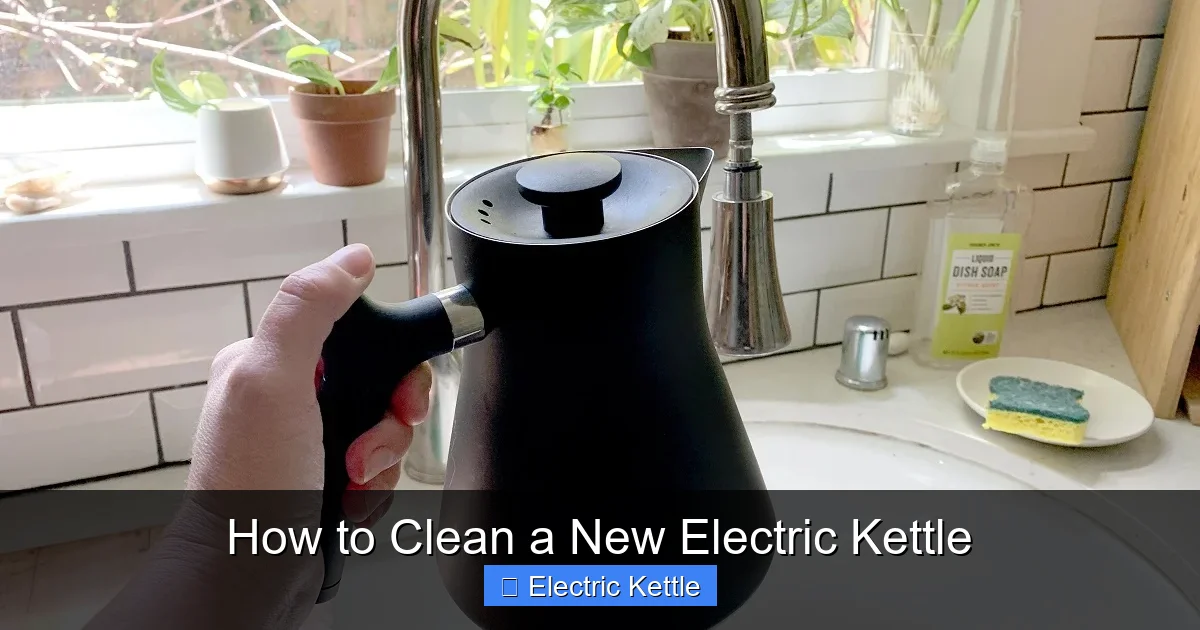
Visual guide about How to Clean a New Electric Kettle
Image source: storables.com
The good news? You don’t need fancy tools or expensive cleaners to get your kettle sparkling. Most of what you need is probably already in your kitchen. Here’s a simple list of supplies to gather before you begin:
- White vinegar (distilled): A natural acid that dissolves mineral deposits and cuts through grease. It’s safe, affordable, and effective.
- Lemon juice (fresh or bottled): Another natural acid with a fresh scent. Great for light cleaning and deodorizing.
- Water: Preferably filtered or distilled to avoid adding more minerals.
- Soft sponge or cloth: For wiping the exterior and removable parts. Avoid abrasive scrubbers that can scratch surfaces.
- Toothbrush (optional): Useful for cleaning hard-to-reach areas like the spout or lid hinges.
- Measuring cup: To ensure you use the right vinegar-to-water ratio.
Avoid using bleach, ammonia, or commercial descaling products unless specifically recommended by the manufacturer. Harsh chemicals can leave behind toxic residues or damage certain materials like plastic or rubber seals.
Why Natural Cleaners Work Best
Vinegar and lemon juice are mild acids that react with mineral deposits and organic residues, breaking them down so they can be rinsed away. Unlike strong chemical cleaners, they’re non-toxic and biodegradable. Plus, they’re safe for food-contact surfaces when used properly.
White vinegar is particularly effective because it’s nearly pure acetic acid and has no added fragrances or dyes that could linger. Lemon juice adds a pleasant citrus scent and has natural antibacterial properties. Both are ideal for kitchen appliances.
What Not to Use
Steer clear of steel wool, scouring pads, or abrasive powders. These can scratch stainless steel, cloud glass, or degrade plastic components. Also, never use oven cleaners or drain cleaners—these are far too harsh and can damage your kettle or leave dangerous fumes.
If your kettle has a non-stick coating (rare but possible), avoid anything that could scratch it. Stick to soft cloths and gentle cleaners.
Step-by-Step Guide to Cleaning a New Electric Kettle
Now that you’ve gathered your supplies, it’s time to clean your kettle. Follow these simple steps to ensure a thorough and safe cleaning process.
Step 1: Prepare the Cleaning Solution
Start by mixing equal parts white vinegar and water. For most kettles, a 1:1 ratio works well. For example, if your kettle holds 1.7 liters, use 850 ml of vinegar and 850 ml of water. If you prefer a fresher scent, you can substitute half the vinegar with lemon juice (e.g., 425 ml vinegar + 425 ml lemon juice + 850 ml water).
Pour the solution into the kettle, making sure it covers the heating element and reaches at least halfway up the interior. Don’t overfill—leave some room to prevent overflow when boiling.
Step 2: Boil the Solution
Place the kettle on its base and plug it in. Turn it on and let it boil the vinegar-water mixture. The heat helps activate the acid, breaking down any residues more effectively.
Once it reaches a full boil, turn off the kettle and unplug it. Let the solution sit inside for at least 15–30 minutes. This “soak” time allows the acid to work on any stubborn deposits or oily films.
Step 3: Scrub Gently (If Needed)
After soaking, check the interior. If you see any visible residue or film, use a soft sponge or cloth to gently wipe the walls and heating element. For tight spots like the spout or lid, a toothbrush can help.
Avoid scrubbing too hard—especially on glass or coated surfaces. The acid should have loosened most debris, so light wiping is usually enough.
Step 4: Rinse Thoroughly
Pour out the vinegar solution and rinse the kettle several times with clean water. Fill it up, swish the water around, and pour it out. Repeat this 3–4 times to ensure all traces of vinegar are gone.
Residual vinegar can affect the taste of your water, so don’t skip this step. If you’re concerned, you can do a final rinse with filtered or distilled water.
Step 5: Run a Water-Only Cycle
Fill the kettle with fresh water (about halfway) and boil it once more. This helps flush out any remaining cleaning solution and ensures your kettle is ready for use.
After boiling, pour out the water and wipe the interior with a clean, dry cloth. Your kettle is now clean and safe to use!
Optional: Clean the Exterior and Removable Parts
While the interior is the priority, don’t forget the outside. Wipe down the base, handle, and lid with a damp cloth. For removable parts like filters or lids, wash them separately with warm, soapy water and rinse well.
Avoid getting water into the electrical base or cord. If your kettle has a detachable base, only clean the kettle portion—never submerge the base.
Alternative Cleaning Methods
While vinegar is the most popular choice, it’s not the only option. Here are a few alternatives if you don’t have vinegar or prefer a different approach.
Lemon Juice Method
If you love the fresh scent of citrus, lemon juice is a great alternative. Cut a lemon in half and squeeze the juice into the kettle, then add water to fill it halfway. Boil the mixture, let it sit for 15–20 minutes, then rinse thoroughly.
Lemon juice is slightly less acidic than vinegar, so it’s gentler on sensitive materials. It’s ideal for glass or enamel kettles where you want to avoid strong odors.
Baking Soda Paste (For Exterior Stains)
For stubborn stains on the outside of stainless steel kettles, make a paste with baking soda and water. Apply it to the stained area, let it sit for 10 minutes, then wipe off with a damp cloth. This works well for water spots or discoloration.
Avoid using baking soda inside the kettle—it’s not effective for removing residues and can leave a powdery film.
Commercial Descaling Products
Some brands sell specialized descaling solutions for kettles. These are formulated to remove limescale and are often safe for regular use. Always follow the instructions on the label and rinse thoroughly afterward.
Only use these if recommended by your kettle’s manufacturer. Overuse can damage certain materials or void your warranty.
How to Maintain a Clean Electric Kettle
Cleaning your kettle before first use is important, but ongoing maintenance is just as crucial. Here’s how to keep your kettle fresh and efficient over time.
Regular Descaling Schedule
Even with filtered water, mineral buildup will occur—especially in hard water areas. To prevent limescale, descale your kettle every 4–6 weeks. If you notice white flakes or reduced heating speed, it’s time to clean it sooner.
Use the same vinegar or lemon method described above. For heavy buildup, you may need to repeat the process or let the solution soak longer.
Use Filtered Water
One of the best ways to reduce limescale is to use filtered or distilled water. This removes calcium and magnesium before they enter the kettle. It also improves the taste of your tea, coffee, or hot water.
If you don’t have a water filter, consider using bottled distilled water for your kettle. It’s a small investment that pays off in cleaner appliances and better-tasting drinks.
Wipe Down After Each Use
After boiling water, wipe the exterior with a dry cloth to prevent water spots or mineral deposits. If you spill water on the base, dry it immediately to avoid damage.
For kettles with removable filters, rinse them after each use to prevent clogs.
Avoid Overfilling
Filling your kettle beyond its maximum line can cause water to spill into the base during boiling. This can damage electrical components and create safety hazards. Always stay within the recommended fill level.
Store Properly
When not in use, keep the kettle in a dry, cool place. Avoid storing it with the lid closed if there’s any moisture inside—this can promote mold or odors. Leave the lid slightly open or use a breathable cover.
Troubleshooting Common Cleaning Issues
Even with proper care, you might run into a few hiccups. Here’s how to handle common problems.
Persistent Vinegar Smell
If your kettle still smells like vinegar after rinsing, run two or three additional water-only boiling cycles. You can also add a slice of lemon or a pinch of baking soda to the final rinse to neutralize odors.
White Residue or Cloudiness
This is usually limescale. If it appears after cleaning, your water may be very hard. Increase the frequency of descaling or switch to filtered water. For glass kettles, cloudiness can also be caused by mineral film—vinegar should clear it up.
Stains on Stainless Steel
Discoloration or rainbow-like streaks on stainless steel are often caused by hard water or overheating. Clean with a vinegar solution and avoid boiling an empty kettle. If stains persist, use a stainless steel cleaner designed for appliances.
Kettle Not Heating Properly
If your kettle takes longer to boil or doesn’t heat at all, limescale may be coating the heating element. Descale immediately. If the problem continues, check the power cord and base for damage.
When to Replace Your Electric Kettle
No appliance lasts forever. Even with excellent care, electric kettles have a lifespan of 3–5 years on average. Here are signs it’s time to upgrade:
- Frequent limescale buildup: If descaling no longer works, the heating element may be damaged.
- Leaking water: Cracks or worn seals can cause leaks, posing a safety risk.
- Unusual noises or smells: Burning smells or rattling sounds indicate internal damage.
- Inconsistent heating: If water doesn’t boil evenly or takes too long, the element may be failing.
- Rust or corrosion: Especially on the interior, this can contaminate water.
Replacing your kettle before it fails completely ensures safety and consistent performance.
Conclusion
Cleaning your new electric kettle before first use is a simple but essential step that sets the tone for years of great-tasting tea, coffee, and hot water. By using natural cleaners like vinegar or lemon juice, you remove manufacturing residues, prevent limescale, and protect your appliance from damage.
Regular maintenance—like monthly descaling and using filtered water—keeps your kettle running efficiently and your drinks tasting fresh. And if you ever run into issues, most can be solved with a little troubleshooting and care.
Remember, a clean kettle isn’t just about hygiene—it’s about enjoying every sip. So take a few minutes to clean your new electric kettle properly, and you’ll be rewarded with better performance, longer life, and peace of mind. Your future self (and your taste buds) will thank you.
Frequently Asked Questions
Can I use apple cider vinegar to clean my electric kettle?
It’s not recommended. Apple cider vinegar contains pigments and sediments that can stain or leave residues. Stick to distilled white vinegar for the best results.
How often should I clean my electric kettle?
Clean a new kettle before first use, then descale every 4–6 weeks. In hard water areas, you may need to clean it monthly.
Is it safe to boil vinegar in my kettle?
Yes, as long as you rinse thoroughly afterward. Boiling vinegar is a common and safe method for removing residues and limescale.
Can I clean the base of my electric kettle?
No. Never submerge the base or electrical components in water. Wipe the exterior with a damp cloth and dry immediately.
Why does my kettle smell after cleaning?
This is usually from residual vinegar. Run 2–3 water-only boiling cycles and rinse well to eliminate the odor.
Can I use my kettle right after cleaning?
Yes, but only after rinsing thoroughly and running at least one water-only boil. This ensures no cleaning solution remains.