Keeping your Aicok electric kettle clean is essential for great-tasting water and long-lasting performance. With regular maintenance and the right cleaning methods, you can prevent limescale buildup, eliminate odors, and ensure safe, efficient boiling every time.
Key Takeaways
- Clean your Aicok electric kettle regularly: Aim for weekly cleaning if you use hard water, or bi-weekly with soft water to prevent mineral buildup.
- Use natural cleaning solutions: White vinegar and lemon juice are safe, effective, and eco-friendly options that dissolve limescale without harsh chemicals.
- Never submerge the base: Only clean the interior and exterior surfaces—never immerse the electrical base in water to avoid damage.
- Rinse thoroughly after cleaning: Always rinse the kettle multiple times to remove any residue from cleaning agents before use.
- Descale when needed: If you notice white deposits or slower boiling, it’s time for a deep descaling treatment.
- Maintain exterior shine: Wipe the outside with a damp cloth and mild soap to keep your kettle looking new.
- Store properly: Keep the kettle dry and uncovered when not in use to prevent moisture buildup and odors.
📑 Table of Contents
- Why Cleaning Your Aicok Electric Kettle Matters
- Understanding Your Aicok Electric Kettle
- What You’ll Need to Clean Your Aicok Electric Kettle
- Step-by-Step Guide to Cleaning Your Aicok Electric Kettle
- Cleaning the Exterior and Maintaining Appearance
- Preventing Limescale and Odors Between Cleanings
- Common Mistakes to Avoid When Cleaning
- When to Replace Your Aicok Electric Kettle
- Conclusion
Why Cleaning Your Aicok Electric Kettle Matters
Your Aicok electric kettle is one of those kitchen appliances that quietly does its job day after day—boiling water for your morning coffee, afternoon tea, or instant noodles. But like any frequently used device, it needs regular care to keep performing at its best. Over time, mineral deposits from hard water can build up inside the kettle, forming a chalky white layer known as limescale. This not only affects the taste of your water but can also reduce heating efficiency and shorten the lifespan of your appliance.
Beyond limescale, leftover residues from flavored teas, coffee, or even just repeated boiling can leave behind odors or discoloration. A neglected kettle might start to smell funky or produce water that tastes slightly metallic or stale. That’s why cleaning your Aicok electric kettle isn’t just about aesthetics—it’s about health, performance, and longevity. Fortunately, cleaning it is simple, quick, and doesn’t require special tools or expensive products. With a few household ingredients and a little routine, you can keep your kettle sparkling clean and functioning like new.
Understanding Your Aicok Electric Kettle
Before diving into cleaning methods, it helps to understand what makes the Aicok electric kettle unique. Most Aicok models feature a stainless steel interior, a BPA-free plastic or stainless steel exterior, and a concealed heating element. This design helps prevent direct contact between water and metal, reducing the risk of metallic tastes and making cleaning easier. The kettle typically has a removable lid, a water level window, and an automatic shut-off feature for safety.
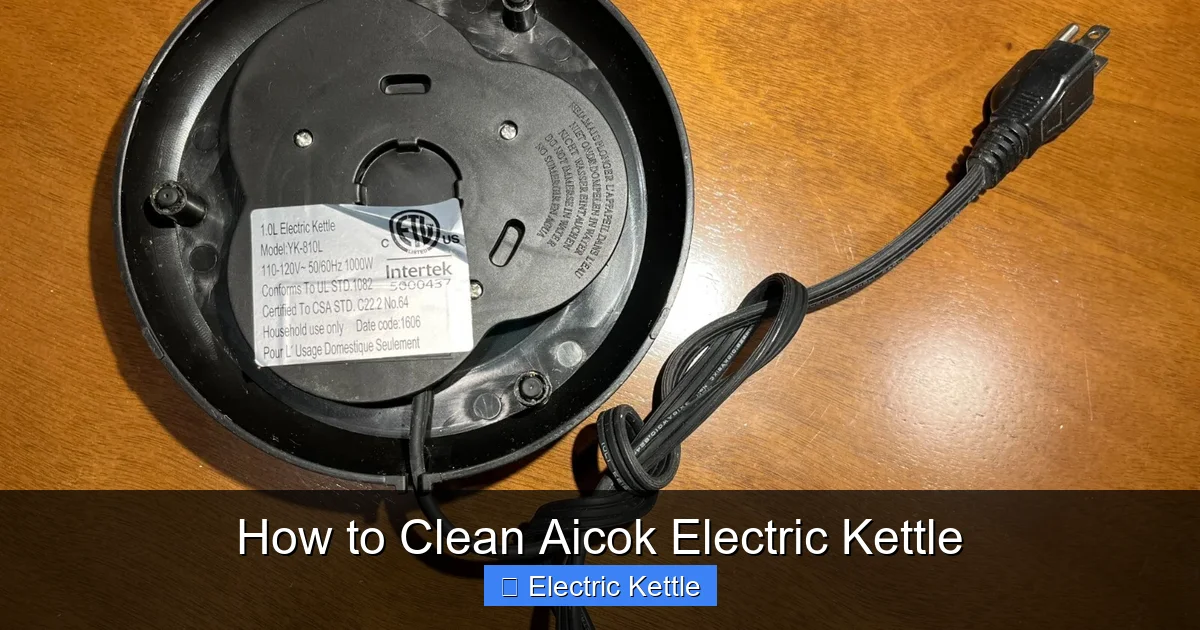
Visual guide about How to Clean Aicok Electric Kettle
Image source: i.ebayimg.com
Key Features That Affect Cleaning
- Concealed heating element: Unlike older kettles with exposed coils, Aicok’s hidden element means you don’t have to worry about scrubbing around delicate parts. However, it also means limescale can accumulate underneath, so regular descaling is crucial.
- Stainless steel interior: This material resists rust and corrosion but can still develop mineral buildup over time. It’s also prone to water spots if not dried properly.
- Non-removable base: The electrical base is not waterproof, so you must never submerge it or pour water over it. Cleaning is limited to the interior chamber and exterior surfaces.
- Wide mouth opening: Most Aicok kettles have a generously sized lid opening, making it easy to reach inside with a sponge or brush.
Knowing these features helps you clean more effectively and avoid common mistakes—like using abrasive scrubbers that could scratch the stainless steel or pouring water into the base, which could cause electrical damage.
What You’ll Need to Clean Your Aicok Electric Kettle
The beauty of cleaning your Aicok electric kettle is that you probably already have everything you need at home. No need to buy specialty cleaners or tools. Here’s a simple checklist of items you’ll want to gather before starting:
- White distilled vinegar: This is your go-to for breaking down limescale. It’s natural, affordable, and highly effective.
- Lemon juice (fresh or bottled): Another natural acid that works well on mineral deposits and leaves a fresh scent.
- Baking soda: Great for scrubbing tough spots and neutralizing odors.
- Soft sponge or brush: A non-abrasive sponge or a bottle brush helps reach inside without scratching.
- Microfiber cloth: For wiping down the exterior and drying surfaces.
- Mild dish soap: Useful for cleaning the outside and removing grease or fingerprints.
- Water: Obviously!
Optional but helpful items include a kettle descaling solution (if you prefer commercial products), a toothbrush for tight spots, and a funnel for pouring vinegar without spills. Avoid using steel wool, harsh chemicals like bleach, or abrasive cleaners—these can damage the interior and leave harmful residues.
Step-by-Step Guide to Cleaning Your Aicok Electric Kettle
Now that you’re prepared, let’s walk through the cleaning process step by step. Whether you’re doing a quick weekly wipe-down or a deep monthly descaling, these methods will keep your kettle in top shape.
Method 1: Weekly Cleaning with Vinegar (Recommended for Hard Water)
If you live in an area with hard water, minerals like calcium and magnesium can quickly build up inside your kettle. A weekly vinegar rinse is the best defense. Here’s how to do it:
- Fill the kettle halfway with equal parts water and white vinegar. For example, if your kettle holds 1.7 liters, use about 400ml of water and 400ml of vinegar.
- Boil the solution. Turn on the kettle and let it boil. The heat helps the vinegar penetrate and dissolve limescale more effectively.
- Let it sit for 15–30 minutes. Turn off the kettle and allow the vinegar solution to sit. This gives it time to break down stubborn deposits.
- Scrub gently if needed. Use a soft sponge or brush to wipe away any remaining scale, especially around the heating element area.
- Rinse thoroughly. Empty the kettle and rinse it at least 3–4 times with fresh water. You don’t want any vinegar taste lingering in your next cup of tea!
- Boil fresh water once. Fill the kettle with clean water, boil it, and discard the water. This ensures all vinegar residue is gone.
This method is safe, effective, and takes less than an hour. Many users notice an immediate improvement in water taste and boiling speed after just one treatment.
Method 2: Lemon Juice for a Fresh Scent
If you prefer a more natural aroma or don’t have vinegar on hand, lemon juice is a great alternative. It works similarly to vinegar but leaves a light, citrusy freshness.
- Cut a lemon in half and squeeze the juice into the kettle. Use about half a lemon for a standard-sized kettle.
- Add water to cover the bottom. You don’t need a full kettle—just enough to create a solution.
- Boil the lemon water. Let it come to a full boil, then turn off the kettle.
- Let it soak for 30 minutes to an hour. The citric acid will work on limescale while the lemon scent freshens the interior.
- Scrub and rinse. Use a sponge to wipe away any residue, then rinse thoroughly with water.
- Boil fresh water once. As with the vinegar method, boil and discard a batch of clean water to remove any lemon taste.
Lemon is especially useful if you’ve been brewing strong teas or coffees that leave behind dark stains. The acidity helps lift discoloration while deodorizing the kettle.
Method 3: Baking Soda for Tough Stains and Odors
Baking soda is a mild abrasive and excellent for tackling stubborn stains or lingering smells. It’s also safe for regular use.
- Make a paste. Mix 2–3 tablespoons of baking soda with a small amount of water to form a thick paste.
- Apply to problem areas. Use a soft sponge or cloth to gently scrub the inside of the kettle, focusing on stained or smelly spots.
- Let it sit for 10–15 minutes. This allows the baking soda to break down grime and neutralize odors.
- Rinse well. Empty the paste and rinse the kettle multiple times.
- Optional: Boil water. For extra freshness, boil a full kettle of water and discard it after rinsing.
Baking soda is ideal for kettles that have been used for flavored drinks or have developed a musty smell from infrequent use. It’s also safe to use alongside vinegar—just don’t mix them directly, as they neutralize each other.
Method 4: Commercial Descaling Solutions
If you prefer a ready-made solution, there are several commercial descaling products designed specifically for electric kettles. Brands like Durgol, Urnex, or even Aicok’s own descaling solution (if available) can be effective.
Always follow the manufacturer’s instructions on the label. Typically, you’ll mix the solution with water, boil it, let it sit, and rinse thoroughly. These products are often more concentrated than vinegar, so they may work faster on heavy limescale. However, they can be more expensive and may contain chemicals you’d rather avoid. If you go this route, choose a food-safe, non-toxic formula and rinse the kettle very well afterward.
Cleaning the Exterior and Maintaining Appearance
While the interior gets most of the attention, don’t forget about the outside of your Aicok electric kettle. Over time, fingerprints, water spots, and dust can make it look dull or dirty. A quick wipe-down keeps it looking sleek and professional.
How to Clean the Exterior
- Unplug the kettle and let it cool completely. Safety first—never clean a hot or plugged-in appliance.
- Wipe with a damp microfiber cloth. Use warm water and a drop of mild dish soap if needed.
- Avoid abrasive pads or harsh cleaners. These can scratch stainless steel or damage plastic surfaces.
- Dry with a clean cloth. This prevents water spots, especially on stainless steel models.
- For stubborn stains: Make a paste of baking soda and water, gently rub it on the stain, then wipe clean.
For kettles with a glossy finish, consider using a stainless steel cleaner or polish once a month to restore shine. Just be sure to wipe off any residue before using the kettle.
Tips for Preventing Exterior Damage
- Keep it away from heat sources. Don’t place the kettle near stovetops or ovens, as excessive heat can warp plastic parts.
- Avoid dropping or knocking it. Aicok kettles are durable, but impacts can crack the lid or damage the base.
- Store in a dry place. Moisture can lead to mold or corrosion over time.
Preventing Limescale and Odors Between Cleanings
Cleaning is important, but prevention is even better. With a few simple habits, you can reduce the frequency of deep cleanings and keep your kettle fresher for longer.
Use Filtered Water
One of the easiest ways to prevent limescale is to use filtered or distilled water instead of tap water. Filtered water has fewer minerals, which means less buildup over time. If you don’t have a water filter, consider buying a pitcher filter or using bottled distilled water for boiling.
Empty the Kettle After Each Use
Don’t let water sit in the kettle for long periods. Standing water encourages mineral deposits and can lead to odors. After boiling, pour out any unused water and leave the lid open to air dry.
Wipe the Interior Weekly
Even if you don’t do a full vinegar soak every week, a quick wipe with a damp sponge can remove light residue and prevent buildup. This is especially helpful if you use the kettle daily.
Avoid Overfilling
Filling the kettle beyond its maximum line can cause water to splash into the base or lid mechanism, potentially causing damage or leaving behind residue. Stick to the recommended water level.
Descale Based on Usage
How often you need to descale depends on your water hardness and usage. As a general rule:
- Soft water, light use: Every 4–6 weeks
- Hard water, daily use: Every 1–2 weeks
- Very hard water or frequent use: Weekly
Pay attention to signs like slower boiling, white deposits, or odd tastes—these are clues that it’s time to clean.
Common Mistakes to Avoid When Cleaning
Even with the best intentions, it’s easy to make mistakes that can damage your kettle or reduce its effectiveness. Here are some common pitfalls to watch out for:
- Submerging the base in water: This is the #1 mistake. The electrical components are not waterproof. Always clean only the interior and exterior surfaces.
- Using steel wool or abrasive scrubbers: These can scratch the stainless steel interior, creating grooves where bacteria and scale can hide.
- Not rinsing thoroughly: Leftover vinegar, lemon, or cleaning solution can affect the taste of your water. Always rinse multiple times and boil fresh water once.
- Ignoring the lid and spout: These areas can collect residue and mold. Wipe them regularly with a damp cloth.
- Using bleach or ammonia: These harsh chemicals can react with metal and plastic, potentially releasing toxic fumes or damaging the kettle.
- Cleaning a hot kettle: Always let the kettle cool before cleaning to avoid burns or warping.
By avoiding these mistakes, you’ll protect your kettle and ensure safe, great-tasting water every time.
When to Replace Your Aicok Electric Kettle
No appliance lasts forever, and your Aicok electric kettle is no exception. With proper care, most models can last 3–5 years or more. But there are signs that it might be time for a replacement:
- Persistent limescale: If descaling no longer removes buildup, the interior may be too corroded to clean effectively.
- Rusting or pitting: Small rust spots can grow and compromise the kettle’s integrity.
- Electrical issues: If the kettle doesn’t heat, shuts off randomly, or shows signs of sparking, stop using it immediately.
- Leaking: Cracks or worn seals can cause leaks, which are a safety hazard.
- Unpleasant odors or tastes: If cleaning doesn’t resolve bad smells or metallic tastes, the interior may be degrading.
If you notice any of these issues, it’s safer and more cost-effective to replace the kettle than to risk malfunction or contamination.
Conclusion
Cleaning your Aicok electric kettle doesn’t have to be a chore. With simple, natural methods like vinegar, lemon, and baking soda, you can keep it free of limescale, odors, and stains. Regular maintenance not only improves the taste of your water but also extends the life of your appliance. By following the steps outlined in this guide—cleaning the interior, caring for the exterior, and adopting preventive habits—you’ll enjoy fast, safe, and great-tasting boiling water for years to come.
Remember, a clean kettle is a happy kettle. So take a few minutes each week to give yours some TLC. Your morning coffee—and your kettle—will thank you.
Frequently Asked Questions
Can I use apple cider vinegar to clean my Aicok electric kettle?
While apple cider vinegar is acidic and can help with limescale, it’s not recommended for cleaning your kettle. It contains pigments and organic compounds that can leave stains or odors. Stick to white distilled vinegar for best results.
How often should I descale my Aicok electric kettle?
It depends on your water hardness and usage. For hard water areas, descale every 1–2 weeks. For soft water, every 4–6 weeks is usually sufficient. Watch for signs like slower boiling or white deposits.
Is it safe to boil vinegar in my electric kettle?
Yes, boiling vinegar is safe and effective for descaling. Just make sure to rinse the kettle thoroughly afterward and boil a batch of fresh water to remove any residual taste.
Can I clean the base of my Aicok kettle with a wet cloth?
You can wipe the exterior base with a slightly damp cloth, but never soak it or let water enter the electrical components. Always unplug the kettle and let it cool first.
What if my kettle still smells after cleaning?
Try a baking soda soak or repeat the vinegar method. If odors persist, there may be mold in the lid or spout—disassemble and clean those parts thoroughly. If the smell remains, consider replacing the kettle.
Can I use my Aicok kettle for boiling milk or soup?
It’s not recommended. Milk and soups can leave sticky residues that are hard to clean and may damage the heating element. Use your kettle only for water to maintain performance and safety.