Keeping your electric kettle clean isn’t just about looks—it’s essential for great-tasting water and long appliance life. With regular maintenance and the right techniques, you can easily remove limescale, mineral buildup, and odors using common household ingredients like vinegar and lemon.
Key Takeaways
- Clean your electric kettle regularly: Aim for once a month, or more often if you live in a hard water area, to prevent mineral buildup and maintain performance.
- Use natural cleaning agents: White vinegar and lemon juice are safe, effective, and eco-friendly options that dissolve limescale without harsh chemicals.
- Never submerge the base: Only clean the interior and exterior surfaces—never immerse the electrical base or heating element in water.
- Rinse thoroughly after cleaning: Always run multiple cycles of clean water through the kettle to remove any cleaning solution residue before use.
- Descale when needed: If you notice white deposits or slower heating, it’s time to descale—don’t wait until the problem worsens.
- Wipe the exterior gently: Use a damp cloth and mild soap for the outside; avoid abrasive sponges that can scratch stainless steel or plastic finishes.
- Store with the lid open: Let your kettle air out between uses to prevent musty smells and moisture buildup.
📑 Table of Contents
- Why Cleaning Your Electric Kettle Matters
- When Should You Clean Your Electric Kettle?
- What You’ll Need to Clean an Electric Kettle
- Step-by-Step Guide to Cleaning an Electric Kettle
- Preventing Future Buildup and Maintaining Your Kettle
- Troubleshooting Common Cleaning Issues
- Eco-Friendly and Safe Cleaning Practices
- Conclusion
Why Cleaning Your Electric Kettle Matters
You might not think much about your electric kettle beyond pressing the “on” button each morning. But over time, that trusty appliance can quietly collect mineral deposits, bacteria, and odors—especially if you live in an area with hard water. These invisible culprits don’t just affect how your tea or coffee tastes; they can also shorten your kettle’s lifespan and even pose health risks if left unchecked.
Imagine brewing your favorite morning oolong only to taste a faint metallic or chalky undertone. That’s often a sign of limescale buildup—a crusty white or gray residue made mostly of calcium and magnesium from hard water. Not only does this alter flavor, but it also insulates the heating element, making your kettle work harder and use more energy. In severe cases, chunks of scale can flake off into your drink. Regular cleaning prevents all of this, ensuring your kettle stays efficient, safe, and pleasant to use.
Beyond taste and performance, hygiene matters too. Stagnant water left in the kettle between uses can encourage bacterial growth, especially in warm, moist environments. While most bacteria won’t make you sick, they can contribute to unpleasant smells or slimy residues inside the spout or lid. A clean kettle is a healthy kettle—and one that delivers pure, great-tasting hot water every single time.
When Should You Clean Your Electric Kettle?
Signs It’s Time for a Deep Clean
Even if you don’t see obvious buildup, there are telltale signs your electric kettle needs attention. Look for white or gray crusty deposits along the heating element or interior walls—this is limescale. You might also notice your kettle takes longer to boil water than it used to, or you detect a strange odor when heating. Another red flag? Floating particles in your freshly boiled water. These are all clear indicators that it’s time to give your kettle a thorough cleaning.
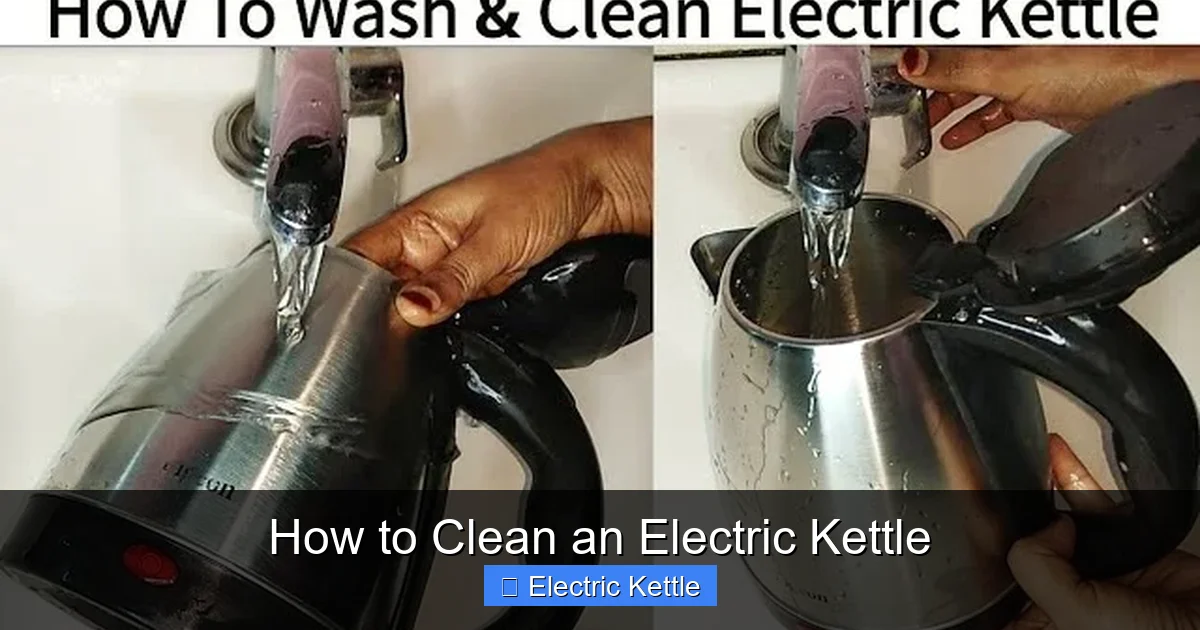
Visual guide about How to Clean an Electric Kettle
Image source: i.ytimg.com
Recommended Cleaning Frequency
As a general rule, clean your electric kettle at least once a month. However, if you live in a hard water area—common in many parts of the U.S., UK, Australia, and Europe—you may need to clean it every two weeks. Hard water contains high levels of dissolved minerals that accelerate limescale formation. If you use your kettle multiple times a day, consider cleaning it even more frequently. Think of it like brushing your teeth: consistent care prevents bigger problems down the line.
Daily Maintenance Tips
Between deep cleans, adopt simple habits to keep your kettle fresh. Always empty leftover water after use—don’t let it sit overnight. Wipe the exterior with a dry cloth to prevent water spots, especially on stainless steel models. And if you notice any spills or splashes inside, rinse them out immediately. These small actions reduce the workload during your next deep clean and help maintain optimal performance.
What You’ll Need to Clean an Electric Kettle
Natural Cleaning Ingredients
The best part about cleaning an electric kettle? You probably already have everything you need at home. White distilled vinegar is the gold standard for descaling—it’s acidic enough to dissolve mineral deposits but safe for food-contact surfaces. Lemon juice works too, offering a fresh scent and natural citric acid. For extra cleaning power, you can combine both. Avoid using bleach, ammonia, or commercial drain cleaners—they’re too harsh and can leave toxic residues.
Basic Tools and Supplies
Grab a soft sponge or non-abrasive scrubber (like a microfiber cloth or bottle brush), a measuring cup, and access to clean water. You’ll also need a soft towel for drying the exterior. If your kettle has a removable filter (common in newer models), check the manufacturer’s instructions—some are dishwasher-safe, while others require hand washing. Never use steel wool or metal scrapers, as they can scratch the interior and create spots for future buildup.
Safety First
Before you start, unplug the kettle and let it cool completely. Never attempt to clean a hot or plugged-in appliance—this prevents burns and electrical hazards. Also, never submerge the base, cord, or heating element in water. Only the interior chamber and removable parts should come into contact with liquid. When in doubt, consult your user manual for model-specific guidance.
Step-by-Step Guide to Cleaning an Electric Kettle
Method 1: Vinegar Descaling (Best for Heavy Buildup)
This is the most effective method for tackling stubborn limescale. Start by mixing equal parts white vinegar and water—for example, 1 cup vinegar and 1 cup water. Pour the solution into the kettle, filling it about halfway. Plug in the kettle and bring the mixture to a boil. Once it boils, turn it off and let the solution sit for 20–30 minutes. The acid will break down mineral deposits.
After soaking, pour out the vinegar solution and scrub the interior gently with a soft sponge or brush. Pay special attention to the heating element and around the spout. If there’s still visible scale, repeat the process. Then, rinse the kettle thoroughly by filling it with clean water, boiling it, and discarding the water. Repeat this rinse cycle 2–3 times to ensure all vinegar taste and smell are gone. Finally, wipe the exterior with a damp cloth and dry it completely.
Method 2: Lemon Juice Cleanse (Great for Light Buildup & Odors)
If your kettle has mild scaling or just needs a refresh, lemon juice is a fantastic alternative. Cut a fresh lemon in half and squeeze the juice into the kettle—use about ¼ to ½ cup depending on size. Add enough water to fill the kettle halfway. Boil the mixture, then let it sit for 30–60 minutes. The citric acid will soften deposits and eliminate odors.
After soaking, discard the liquid and scrub the interior lightly. Rinse thoroughly with clean water, boiling and discarding at least two full cycles. You’ll notice your kettle smells fresher, and any lingering odors from old tea or coffee will be gone. This method is especially useful if you prefer a natural citrus scent over vinegar.
Method 3: Baking Soda Paste (For Stubborn Stains or Odors)
Baking soda is mildly abrasive and great for scrubbing away stains without scratching. Make a paste by mixing 2–3 tablespoons of baking soda with a small amount of water. Use a soft cloth or sponge to apply the paste to stained areas inside the kettle—focus on the bottom and around the spout. Let it sit for 10–15 minutes, then scrub gently and rinse well.
For odor removal, you can also run a cycle with 1 tablespoon of baking soda dissolved in water. Boil, let cool, then rinse thoroughly. This method works well in combination with vinegar or lemon for a multi-step clean. Just remember: always rinse multiple times to avoid any soapy or chalky aftertaste.
Cleaning the Exterior and Removable Parts
While the interior gets the most attention, don’t forget the outside! Wipe the exterior with a soft, damp cloth and a drop of mild dish soap. Avoid spraying cleaner directly onto the kettle—wet the cloth first to prevent liquid from seeping into electrical components. For stainless steel kettles, use a microfiber cloth to buff away fingerprints and water spots. Plastic models can be wiped down similarly, but avoid abrasive cleaners that may cause clouding.
If your kettle has a removable limescale filter or mesh strainer (often located at the spout), take it out and rinse it under warm water. Use a small brush (like an old toothbrush) to dislodge any trapped particles. Some filters are dishwasher-safe—check your manual—but hand washing is usually safest. Reassemble only when everything is completely dry.
Preventing Future Buildup and Maintaining Your Kettle
Use Filtered or Softened Water
One of the easiest ways to reduce limescale is to use filtered or softened water in your kettle. Tap water varies widely in mineral content, and switching to filtered water (from a pitcher filter, under-sink system, or Brita) can significantly cut down on deposits. If you have a water softener at home, that’s even better—softened water has fewer minerals that cause scaling.
Keep in mind that distilled water is mineral-free but may taste flat due to lack of dissolved gases. For most people, filtered tap water strikes the perfect balance between purity and taste. It’s a small change that pays big dividends in kettle longevity and performance.
Empty and Air-Dry After Each Use
Never leave water sitting in your kettle overnight. Residual moisture encourages mineral concentration and bacterial growth. After boiling, pour out any unused water and leave the lid open to air-dry. This simple habit prevents musty smells and reduces the need for frequent deep cleans.
If you’re in a hurry, you can speed up drying by wiping the interior with a clean towel. Just make sure the kettle is unplugged and cool first. Over time, this practice becomes second nature—and your kettle will thank you.
Regular Quick Rinses
Between deep cleans, give your kettle a quick rinse after each use. Fill it with clean water, swirl it around, and pour it out. This removes any residual tea, coffee, or mineral traces before they have a chance to settle. It’s especially helpful if you switch between beverages—preventing cross-flavors and buildup.
Troubleshooting Common Cleaning Issues
Persistent Vinegar or Lemon Smell
If your kettle still smells like vinegar or lemon after rinsing, don’t worry—it’s common. Run 2–3 additional boil-and-discard cycles with plain water. You can also add a slice of lemon or a pinch of baking soda to the final rinse to neutralize odors. The smell will fade completely within a day or two of regular use.
Scratches or Cloudiness on Interior
Avoid abrasive tools like steel wool or harsh scouring pads—they can scratch stainless steel or cloud plastic interiors. Stick to soft sponges, microfiber cloths, or dedicated kettle brushes. If minor scratches occur, they’re mostly cosmetic and won’t affect performance, but prevention is always best.
Kettle Still Heats Slowly After Cleaning
If your kettle continues to heat slowly even after descaling, there may be hidden scale buildup around the heating element that’s hard to reach. Try a longer vinegar soak (up to 2 hours) or use a commercial descaling solution designed for kettles (follow label instructions carefully). If the problem persists, the heating element may be damaged—consider contacting the manufacturer or replacing the unit.
Eco-Friendly and Safe Cleaning Practices
Cleaning your electric kettle doesn’t have to harm the planet. Vinegar and lemon are biodegradable, non-toxic, and inexpensive. They break down safely in the environment and won’t contaminate your water supply. Plus, they’re safer for your family than chemical descalers, which often contain phosphates or synthetic acids.
When disposing of cleaning solutions, pour them down the sink with plenty of water—no special handling required. And because these natural methods require no plastic packaging (unlike many commercial cleaners), you’re reducing waste too. It’s a win-win for your kettle, your health, and the Earth.
Conclusion
Cleaning your electric kettle might seem like a minor chore, but it’s one of the simplest ways to protect your investment, improve your daily beverages, and ensure safe, efficient operation. With just vinegar, lemon, or baking soda, you can keep limescale at bay, eliminate odors, and extend your kettle’s life for years to come.
Remember: consistency is key. A little effort each month prevents major problems down the road. So the next time you reach for your kettle, take a moment to appreciate how clean it is—and treat it to a quick refresh. Your taste buds (and your future self) will thank you.
Frequently Asked Questions
Can I use apple cider vinegar instead of white vinegar?
It’s not recommended. Apple cider vinegar contains sugars and pigments that can leave residues or stains inside your kettle. Stick to white distilled vinegar for the best results—it’s pure, clear, and highly effective at dissolving minerals.
Is it safe to clean my electric kettle with bleach?
No, never use bleach or other harsh chemicals. They can leave toxic residues that are difficult to rinse completely and may contaminate your drinking water. Natural acids like vinegar and lemon are far safer and equally effective.
How do I clean a glass electric kettle without scratching it?
Use only soft cloths, sponges, or brushes made for delicate surfaces. Avoid anything abrasive. For tough spots, soak with vinegar solution first—the acid will loosen deposits so minimal scrubbing is needed.
Can I put my electric kettle in the dishwasher?
Generally, no. Most electric kettles—especially the base and heating element—are not dishwasher-safe. Only removable parts like filters or lids may be dishwasher-safe; always check your user manual first.
Why does my kettle smell funny even after cleaning?
This could be due to trapped moisture, old residues, or bacteria in hard-to-reach areas. Try a longer vinegar soak, ensure thorough rinsing, and always store the kettle with the lid open to air out.
How often should I replace my electric kettle?
With proper care, most electric kettles last 3–5 years. If you notice rust, persistent odors, slow heating, or electrical issues, it’s time for a replacement—even if it looks clean on the outside.