Cleaning your electric kettle with baking soda is a simple, affordable, and eco-friendly way to remove limescale, mineral buildup, and odors. This natural method keeps your kettle running efficiently and ensures your tea and coffee taste fresh—no harsh chemicals needed.
Key Takeaways
- Baking soda is a safe and effective cleaner: It gently dissolves limescale and mineral deposits without damaging your electric kettle’s interior.
- Regular cleaning improves performance: A clean kettle heats water faster, uses less energy, and extends the appliance’s lifespan.
- Natural odor removal: Baking soda neutralizes lingering smells from tea, coffee, or stale water, leaving your kettle fresh.
- Easy step-by-step process: Cleaning takes just 15–30 minutes and requires only baking soda, water, and a soft cloth.
- Prevents health risks: Removing buildup reduces the chance of bacteria or mold growth inside the kettle.
- Cost-effective solution: Baking soda is inexpensive and widely available, making it a budget-friendly alternative to commercial cleaners.
- Safe for all electric kettles: This method works on stainless steel, glass, and plastic kettles without scratching or corroding surfaces.
📑 Table of Contents
- Why Cleaning Your Electric Kettle Matters
- What Is Baking Soda and Why It Works
- When and How Often to Clean Your Electric Kettle
- Step-by-Step Guide: How to Clean an Electric Kettle with Baking Soda
- Tips for Tackling Tough Limescale and Stains
- Common Mistakes to Avoid When Cleaning
- Alternative Natural Cleaning Methods
- Conclusion
Why Cleaning Your Electric Kettle Matters
You probably use your electric kettle daily—maybe even multiple times a day. Whether it’s for your morning coffee, afternoon tea, or instant soup, that little appliance works hard. But have you ever stopped to think about what’s building up inside it? Over time, minerals from tap water—especially calcium and magnesium—form a chalky white residue known as limescale. This isn’t just unsightly; it can affect how your kettle performs and even impact the taste of your drinks.
Limescale buildup acts like insulation, making it harder for the heating element to warm the water efficiently. That means longer boiling times, higher energy bills, and eventually, a shorter lifespan for your kettle. Worse yet, if left unchecked, that scale can harbor bacteria or mold, especially in hard-to-reach areas like the spout or under the lid. And let’s be honest—nobody wants to sip tea that tastes like stale water or worse, metallic residue.
The good news? You don’t need expensive descaling solutions or harsh chemicals to keep your kettle in top shape. One of the simplest, safest, and most effective cleaning methods uses a household staple: baking soda. This natural cleaner is gentle on your appliance, tough on buildup, and completely safe for food-contact surfaces. Plus, it’s eco-friendly and costs just pennies per use. In this guide, we’ll walk you through exactly how to clean an electric kettle with baking soda—step by step—so you can enjoy cleaner, better-tasting beverages every time you boil water.
What Is Baking Soda and Why It Works
Baking soda, scientifically known as sodium bicarbonate, is a white crystalline powder that’s been a kitchen and cleaning staple for over a century. It’s mildly alkaline, which means it can neutralize acids and break down stubborn residues—including the mineral deposits that accumulate in your electric kettle. Unlike abrasive cleaners that can scratch surfaces or chemical-based descalers that may leave behind toxic residues, baking soda is non-toxic, food-safe, and biodegradable.
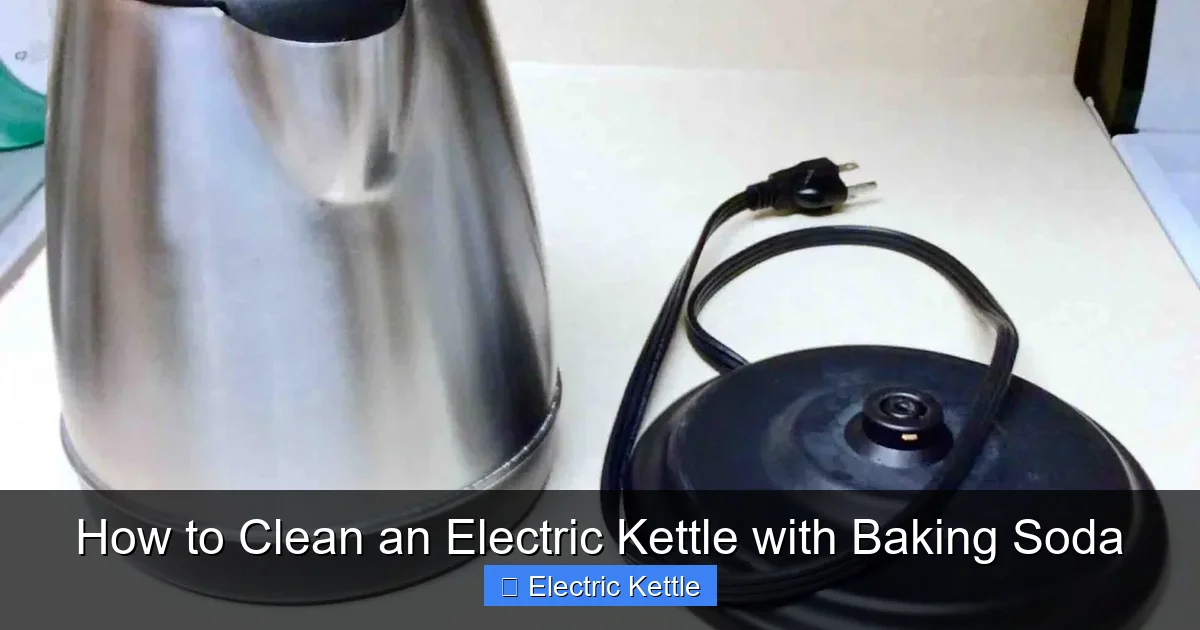
Visual guide about How to Clean an Electric Kettle with Baking Soda
Image source: i0.wp.com
How Baking Soda Breaks Down Limescale
Limescale is primarily composed of calcium carbonate, a hard, chalky substance that forms when hard water is heated. When baking soda is mixed with water and heated, it creates a mild alkaline solution that helps dissolve these mineral deposits. While it’s not as fast-acting as vinegar (which is acidic), baking soda is gentler on your kettle’s interior, especially if it has a non-stick coating or delicate components. It also doesn’t produce strong fumes, making it ideal for people with sensitivities or small kitchens.
The Science Behind the Clean
When baking soda reacts with water, it releases carbon dioxide gas—this is what gives it its fizzing action. This reaction helps loosen grime and scale from surfaces. Additionally, baking soda has mild abrasive properties, allowing it to scrub away light buildup without scratching. Combined with heat, which softens mineral deposits, baking soda becomes a powerful yet safe cleaning agent. It also neutralizes odors by absorbing and eliminating odor-causing molecules, leaving your kettle smelling fresh.
Benefits Over Commercial Cleaners
Many commercial descaling products contain strong acids like citric acid or sulfamic acid. While effective, these can be harsh on your kettle’s materials over time and may require thorough rinsing to avoid chemical tastes. Baking soda, on the other hand, leaves no aftertaste and doesn’t require multiple rinses. It’s also much safer to handle—no gloves or ventilation needed. Plus, it’s always on hand in most kitchens, so you won’t have to make a special trip to the store when your kettle needs a deep clean.
When and How Often to Clean Your Electric Kettle
How often you should clean your electric kettle depends on several factors, including your water hardness, usage frequency, and whether you notice visible buildup. If you live in an area with hard water—common in many parts of the U.S., UK, and Australia—you may need to clean your kettle every 2–4 weeks. In softer water areas, monthly cleaning is usually sufficient. However, if you use your kettle multiple times a day, consider cleaning it every 1–2 weeks to maintain optimal performance.
Signs Your Kettle Needs Cleaning
Don’t wait until your kettle looks like a science experiment to give it a clean. Watch for these telltale signs that it’s time for a refresh:
- White or gray chalky deposits on the heating element, interior walls, or around the spout.
- Longer boiling times than usual—your kettle is working harder because of insulated scale.
- Unusual tastes or odors in your tea, coffee, or boiled water.
- Rusty or discolored water after boiling, especially if your kettle has metal parts.
- Gurgling or sputtering sounds during heating, which can indicate trapped scale or air pockets.
Preventive Maintenance Tips
While regular cleaning is essential, a few simple habits can reduce buildup and extend the time between deep cleans:
- Empty the kettle after each use. Leaving water sitting overnight encourages mineral deposits to form.
- Use filtered water when possible. This reduces the mineral content and slows limescale development.
- Wipe the exterior and lid regularly. A damp cloth keeps the outside looking clean and prevents dust from entering.
- Avoid overfilling. Filling above the maximum line can cause water to splash into areas that are hard to clean.
- Descale before long storage. If you’re not using your kettle for a week or more, clean it first to prevent mold or scale from setting in.
Step-by-Step Guide: How to Clean an Electric Kettle with Baking Soda
Now that you know why and when to clean your kettle, let’s get into the nitty-gritty: the actual process. Cleaning your electric kettle with baking soda is quick, easy, and requires only a few basic supplies. Follow these steps for a sparkling clean kettle that’s ready to brew your next perfect cup.
What You’ll Need
- 1–2 tablespoons of baking soda (adjust based on kettle size)
- Water (enough to fill the kettle to the halfway or max line)
- A soft sponge or non-abrasive cloth
- A soft-bristled brush (optional, for tough spots)
- A clean towel or paper towels
Step 1: Unplug and Cool Down
Safety first! Always make sure your electric kettle is completely unplugged and has cooled down before cleaning. Never attempt to clean a hot or recently used kettle, as the heating element can retain heat for several minutes. This also prevents accidental burns and ensures the baking soda solution works effectively.
Step 2: Mix the Baking Soda Solution
Add 1–2 tablespoons of baking soda to your kettle. For smaller kettles (under 1 liter), start with 1 tablespoon. For larger models, use 2 tablespoons. Then, fill the kettle with water up to the halfway or maximum fill line. The water helps dissolve the baking soda and creates a solution that can circulate and clean the interior surfaces.
Step 3: Boil the Solution
Plug the kettle back in and turn it on. Let the baking soda solution come to a full boil. As it heats, you’ll notice some fizzing—this is normal and indicates the cleaning reaction is underway. Boiling helps soften and loosen limescale, making it easier to remove. Let it boil for about 5–10 minutes, depending on the severity of the buildup.
Step 4: Let It Soak
Once the kettle has boiled, unplug it again and let the solution sit inside for at least 15–30 minutes. For heavy limescale, you can leave it overnight. The longer it soaks, the more effective the cleaning will be. The baking soda continues to break down mineral deposits during this time, especially in hard-to-reach areas like the spout and under the lid.
Step 5: Scrub Gently
After soaking, use a soft sponge or non-abrasive cloth to wipe the interior of the kettle. Focus on areas with visible scale, such as the heating element (if visible), the walls, and the spout. For stubborn spots, use a soft-bristled brush—like an old toothbrush—to gently scrub without scratching. Avoid metal scrubbers or steel wool, as they can damage the surface.
Step 6: Rinse Thoroughly
Pour out the baking soda solution and rinse the kettle several times with clean water. Fill it up, swish the water around, and pour it out. Repeat this process 3–4 times to ensure all baking soda residue is removed. Any leftover baking soda can affect the taste of your drinks, so thorough rinsing is crucial.
Step 7: Wipe and Dry
Use a clean, dry towel or paper towels to wipe the interior and exterior of the kettle. Make sure there’s no moisture left, especially around the electrical base, to prevent damage. Leave the lid open for a few minutes to allow any remaining moisture to evaporate. Your kettle is now clean, fresh, and ready to use!
Tips for Tackling Tough Limescale and Stains
Even with regular cleaning, some kettles develop stubborn limescale or discoloration over time. If your kettle has heavy buildup, don’t worry—baking soda can still handle it with a little extra effort. Here are some advanced tips to get your kettle looking like new.
For Heavy Limescale Buildup
If your kettle has thick, crusty scale, you may need to repeat the baking soda process or combine it with another natural cleaner. Try this enhanced method:
- After boiling the baking soda solution, add a splash of white vinegar (about 1/4 cup). The vinegar’s acidity will react with the baking soda, creating a stronger cleaning action. Let it fizz for a few minutes, then soak for 30–60 minutes.
- Scrub gently with a soft brush, then rinse thoroughly. The vinegar smell will disappear after a few rinses.
- Note: Only use this combo if your kettle is made of stainless steel or glass. Avoid vinegar on kettles with non-stick coatings, as it can degrade the surface over time.
Dealing with Rust or Discoloration
Some electric kettles, especially those with exposed heating elements, may develop rust spots or brown discoloration. Baking soda can help lighten these stains:
- Make a thick paste with baking soda and a few drops of water.
- Apply the paste directly to the stained area using a soft cloth or brush.
- Let it sit for 10–15 minutes, then scrub gently and rinse.
- For persistent rust, repeat the process or consider using a specialized rust remover—but always check your kettle’s manufacturer guidelines first.
Cleaning the Exterior and Lid
Don’t forget the outside! Wipe the exterior with a damp cloth and a small amount of baking soda paste to remove fingerprints, water spots, or grease. For the lid and spout, use a cotton swab dipped in the paste to clean tight spaces. Rinse with a damp cloth and dry thoroughly.
Maintaining a Clean Kettle Long-Term
Once your kettle is clean, keep it that way with these habits:
- Clean it at the first sign of buildup—don’t wait for thick scale to form.
- Use filtered or distilled water to reduce mineral content.
- Empty and rinse the kettle after each use.
- Store it with the lid open to prevent moisture buildup.
Common Mistakes to Avoid When Cleaning
Even simple tasks can go wrong if you’re not careful. Here are some common pitfalls to avoid when cleaning your electric kettle with baking soda.
Using Too Much Baking Soda
More isn’t always better. Using excessive baking soda can leave a powdery residue that’s hard to rinse out and may affect the taste of your water. Stick to 1–2 tablespoons per cleaning session.
Not Rinsing Thoroughly
Skipping or rushing the rinsing step is a big mistake. Baking soda has a slightly salty, alkaline taste that can linger if not fully removed. Always rinse at least 3–4 times and do a test boil with fresh water before making tea or coffee.
Using Abrasive Tools
Scrubbing with steel wool, metal brushes, or harsh sponges can scratch the interior of your kettle, creating grooves where bacteria and scale can hide. Stick to soft cloths, sponges, or brushes designed for non-stick surfaces.
Cleaning a Hot Kettle
Never clean your kettle while it’s hot or recently boiled. The sudden temperature change can damage the heating element or cause burns. Always wait until it’s cool to the touch.
Ignoring the Manufacturer’s Instructions
Some kettles have specific cleaning guidelines—especially those with special coatings or warranties. Always check the user manual before cleaning to avoid voiding your warranty or damaging the appliance.
Alternative Natural Cleaning Methods
While baking soda is highly effective, it’s not the only natural option for cleaning your electric kettle. Here are a few alternatives you might consider, depending on your needs and preferences.
Vinegar Solution
White vinegar is a popular descaling agent due to its acidity. Mix equal parts water and vinegar, boil, soak for 30 minutes, then rinse thoroughly. It’s great for heavy limescale but has a strong smell that requires extra rinsing.
Lemon Juice
Fresh lemon juice is another natural acid that dissolves scale. Squeeze the juice of one lemon into the kettle, add water, boil, and soak. It leaves a fresh citrus scent and is gentle on most surfaces.
Commercial Descalers
For those who prefer convenience, there are eco-friendly descaling products made from citric acid or plant-based ingredients. These are effective but usually more expensive than baking soda.
When to Use Baking Soda Over Other Methods
Baking soda is ideal if you want a gentle, odor-free clean or if your kettle has a non-stick coating. It’s also perfect for regular maintenance. Use vinegar or lemon for heavy buildup, but always follow up with baking soda to neutralize any lingering acidity.
Conclusion
Cleaning your electric kettle with baking soda is one of the simplest and most effective ways to keep your appliance in top condition. It’s safe, affordable, and environmentally friendly—perfect for daily use and long-term maintenance. By removing limescale, odors, and stains, you not only improve the taste of your beverages but also extend the life of your kettle and save on energy costs.
Remember, a clean kettle is a happy kettle—and a happy kettle makes for happier mornings, cozier evenings, and better-tasting tea and coffee. With just a few minutes of effort every few weeks, you can enjoy a fresher, more efficient brewing experience. So grab that box of baking soda, follow our step-by-step guide, and give your kettle the care it deserves. Your taste buds—and your wallet—will thank you.
Frequently Asked Questions
Can I use baking soda to clean a stainless steel electric kettle?
Yes, baking soda is safe and effective for cleaning stainless steel electric kettles. It gently removes limescale and stains without scratching the surface. Just avoid using abrasive tools and rinse thoroughly.
How long should I let the baking soda solution soak?
For light buildup, 15–30 minutes is sufficient. For heavy limescale, let it soak for 1–2 hours or even overnight. The longer it sits, the more effective the cleaning will be.
Will baking soda leave a taste in my water?
If rinsed properly, baking soda should not leave any taste. Always rinse the kettle 3–4 times and do a test boil with fresh water before using it for drinks.
Can I mix baking soda and vinegar in my electric kettle?
Yes, but only if your kettle is made of stainless steel or glass. The combination creates a stronger cleaning reaction, but avoid it on kettles with non-stick coatings, as vinegar can degrade the surface over time.
How often should I clean my electric kettle with baking soda?
Clean your kettle every 2–4 weeks if you have hard water, or monthly if your water is soft. Increase frequency if you notice scale buildup or longer boiling times.
Is it safe to clean the heating element with baking soda?
Yes, as long as the heating element is visible and not sealed. Use a soft brush to gently scrub the area, but avoid forcing water into sealed compartments. Always unplug the kettle before cleaning.