Cleaning your electric kettle without vinegar is simple, safe, and effective. Using natural alternatives like lemon juice, baking soda, or citric acid, you can remove limescale, odors, and stains while keeping your kettle in top condition—no harsh chemicals required.
Key Takeaways
- Lemon juice is a powerful natural cleaner: Its acidity breaks down limescale and leaves a fresh scent without damaging your kettle.
- Baking soda works wonders on stubborn stains: When combined with water, it forms a gentle abrasive paste ideal for scrubbing interior surfaces.
- Citric acid is a vinegar alternative: Highly effective at dissolving mineral deposits, it’s especially useful in hard water areas.
- Regular cleaning prevents buildup: Cleaning your kettle every 2–4 weeks maintains performance and extends its lifespan.
- Avoid abrasive tools: Use soft sponges or brushes to prevent scratching the interior, especially on stainless steel or coated kettles.
- Always rinse thoroughly: Residual cleaning agents can affect taste and safety, so multiple rinses are essential.
- Unplug before cleaning: Safety first—never clean an electric kettle while it’s plugged in or hot.
📑 Table of Contents
Why Clean Your Electric Kettle Regularly?
Your electric kettle works hard every day—boiling water for tea, coffee, instant soups, and more. But with frequent use, especially in areas with hard water, mineral deposits like limescale begin to build up inside. Over time, this chalky white residue not only looks unappealing but can also affect the taste of your beverages and reduce the efficiency of your kettle. A dirty kettle may take longer to heat water, use more energy, and even develop unpleasant odors.
Many people reach for vinegar as a go-to cleaning solution, and while it’s effective, it’s not always the best choice. Vinegar has a strong smell that can linger, and some kettles—especially those with plastic components or special coatings—may be damaged by its acidity over time. Plus, if you’re out of vinegar or simply prefer to avoid it, there are several excellent alternatives that work just as well, if not better, without the drawbacks.
Cleaning your electric kettle without vinegar is not only possible—it’s often safer and more pleasant. Using natural, kitchen-friendly ingredients like lemon, baking soda, or citric acid, you can keep your kettle sparkling clean, odor-free, and functioning at its best. In this guide, we’ll walk you through step-by-step methods, tips, and best practices to help you maintain your kettle with ease.
Understanding Limescale and Why It Forms
Limescale is the primary culprit behind a dirty electric kettle. It’s caused by the minerals—mainly calcium and magnesium—found in hard water. When water is heated repeatedly, these minerals precipitate out of the solution and cling to the heating element, interior walls, and spout of your kettle. Over time, this buildup forms a hard, crusty layer that’s difficult to remove.
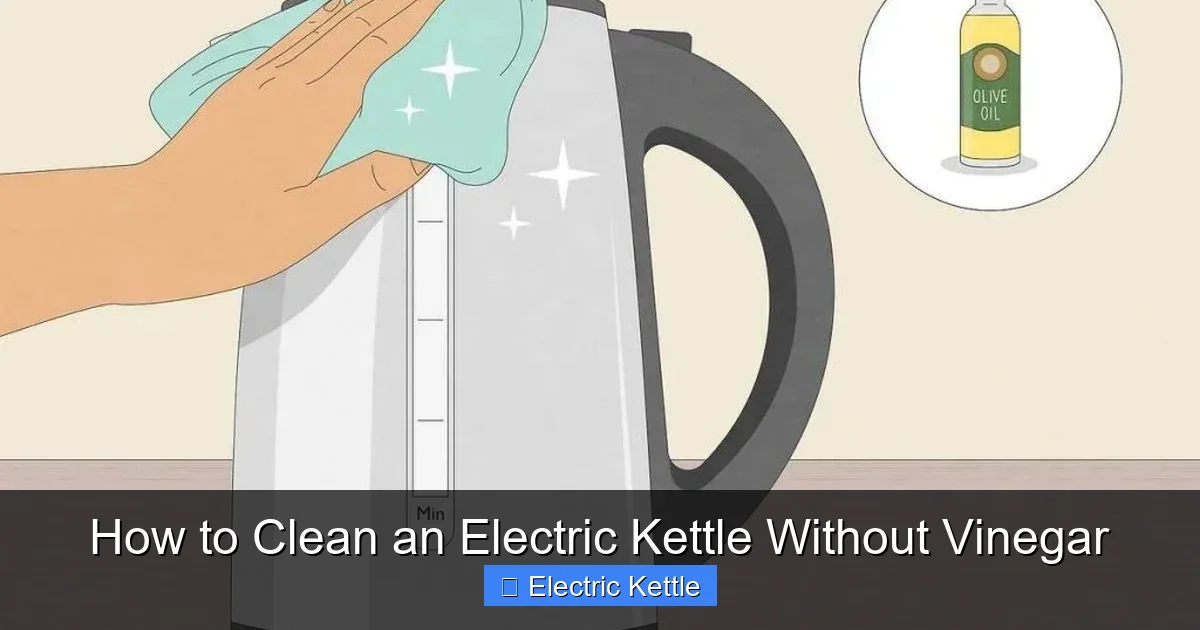
Visual guide about How to Clean an Electric Kettle Without Vinegar
Image source: kitchenadvising.com
How Hard Water Affects Your Kettle
If you live in an area with hard water, you’ve likely noticed white or grayish deposits in your kettle, coffee maker, or even on showerheads. Hard water contains high levels of dissolved minerals, which become more concentrated as water evaporates during boiling. This leads to faster limescale accumulation. The more you use your kettle, the more pronounced the problem becomes.
Signs Your Kettle Needs Cleaning
You don’t need to wait until your kettle looks like a science experiment to clean it. Watch for these signs:
- White or chalky deposits on the heating element or interior walls
- Water takes longer to boil than usual
- Unusual noises during heating (indicating the element is working harder)
- Off-tastes or odors in your tea or coffee
- Reduced water flow from the spout
Catching these early means easier cleaning and better performance. Regular maintenance—every 2 to 4 weeks, depending on usage—can prevent severe buildup and keep your kettle running smoothly.
Top Vinegar-Free Cleaning Methods
Now that you understand why cleaning matters, let’s explore the best ways to clean your electric kettle without vinegar. These methods use common household ingredients, are safe for most kettle materials, and deliver excellent results.
Method 1: Lemon Juice – Nature’s Acid Cleaner
Lemon juice is one of the most effective and pleasant-smelling alternatives to vinegar. Its natural citric acid content dissolves limescale efficiently while leaving a fresh, citrusy scent. Plus, it’s safe for stainless steel, glass, and most plastic components.
How to Use Lemon Juice
- Cut a fresh lemon in half and squeeze the juice into your kettle. You’ll need about 1/4 to 1/2 cup, depending on the size of your kettle.
- Add enough water to fill the kettle to about halfway.
- Place the kettle on the base and bring the lemon-water mixture to a boil.
- Once boiling, turn off the kettle and let the solution sit for 30 minutes to 1 hour. For heavy buildup, you can leave it overnight.
- Pour out the solution and scrub the interior gently with a soft sponge or brush. Pay special attention to the heating element and spout.
- Rinse the kettle thoroughly with clean water at least 2–3 times to remove all traces of lemon.
- Run a cycle with fresh water (boil and discard) to ensure no residue remains.
Tips for Best Results
- Use fresh lemon juice for maximum effectiveness—bottled juice works but isn’t as potent.
- If you don’t have a whole lemon, you can use lemon essential oil (2–3 drops) mixed with water, though this is less effective for heavy scale.
- For extra cleaning power, add a tablespoon of baking soda to the lemon-water mixture. The fizzing reaction helps break down stubborn deposits.
Method 2: Baking Soda – Gentle Abrasive Power
Baking soda (sodium bicarbonate) is a mild alkali that’s excellent for scrubbing away stains and neutralizing odors. While it’s not as strong an acid as lemon or vinegar, it’s perfect for light to moderate buildup and works well as a follow-up cleaner.
How to Use Baking Soda
- Mix 2–3 tablespoons of baking soda with a small amount of water to form a thick paste.
- Use a soft sponge or cloth to apply the paste to the interior of the kettle, focusing on areas with visible stains or scale.
- Gently scrub in circular motions, especially around the heating element and spout.
- For deeper cleaning, fill the kettle with water and add 1/4 cup of baking soda. Boil the mixture, then let it sit for 15–20 minutes.
- Pour out the solution and rinse thoroughly with clean water.
- Wipe the exterior with a damp cloth and dry with a soft towel.
When to Use Baking Soda
Baking soda is ideal for routine maintenance or when your kettle has light discoloration but minimal limescale. It’s also great for removing odors—especially if you’ve boiled flavored liquids like herbal teas or soups. However, for heavy mineral buildup, pair it with lemon juice or citric acid for better results.
Method 3: Citric Acid – The Professional’s Choice
Citric acid is a powdered substance commonly used in food preservation and cleaning. It’s highly effective at dissolving limescale and is often preferred by those who want a vinegar-free, odorless solution. You can find citric acid in the canning section of grocery stores or online.
How to Use Citric Acid
- Dissolve 1–2 tablespoons of citric acid powder in 1 cup of warm water.
- Pour the solution into your kettle and add enough water to fill it halfway.
- Boil the mixture and let it sit for 30 minutes to 1 hour. For severe buildup, leave it overnight.
- Pour out the solution and scrub the interior with a soft brush or sponge.
- Rinse the kettle thoroughly 3–4 times with clean water.
- Run a full boil cycle with fresh water to ensure no residue remains.
Why Citric Acid Works So Well
Citric acid is stronger than lemon juice and doesn’t leave a scent. It’s particularly effective in hard water areas where limescale builds up quickly. Unlike vinegar, it won’t corrode metal parts over time, making it a safer long-term solution for stainless steel kettles.
Method 4: Salt and Lemon – The Scrubbing Duo
For a natural scrubbing solution, combine salt and lemon. The salt acts as a gentle abrasive, while the lemon provides acidity to break down deposits. This method is great for spot cleaning or tackling stubborn spots.
How to Use Salt and Lemon
- Cut a lemon in half and dip one half into coarse salt (like sea salt or kosher salt).
- Use the lemon half to scrub the interior of the kettle, focusing on stained or scaled areas.
- The salt will help lift off residue while the lemon juice dissolves minerals.
- Rinse thoroughly with water and wipe dry.
Best For
This method is ideal for quick cleanups between deep cleans. It’s especially useful for removing tea or coffee stains from the spout or interior walls. Just be gentle—too much scrubbing can scratch delicate surfaces.
Method 5: Denture Tablets – The Unexpected Cleaner
Yes, denture tablets! These effervescent cleaners are designed to remove tough stains and buildup, and they work surprisingly well in kettles. They’re convenient, pre-measured, and leave no aftertaste.
How to Use Denture Tablets
- Fill your kettle halfway with water.
- Drop in 1–2 denture tablets and let them dissolve completely.
- Let the solution sit for 30 minutes to 1 hour.
- Pour out the water and scrub gently with a soft sponge.
- Rinse thoroughly and run a boil cycle with fresh water.
Pros and Cons
Denture tablets are easy to use and effective, but they can be more expensive than other methods. They’re best for occasional deep cleans rather than regular maintenance.
Step-by-Step Cleaning Routine
To keep your electric kettle in peak condition, follow this simple routine. It combines the best practices from the methods above and ensures thorough, safe cleaning.
Weekly Maintenance
- Wipe the exterior with a damp cloth after each use.
- Rinse the interior with clean water if you’ve boiled flavored liquids.
- Check for early signs of limescale or stains.
Monthly Deep Clean
- Unplug the kettle and let it cool completely.
- Choose your preferred cleaning method (lemon juice, citric acid, or baking soda).
- Follow the steps outlined above based on the method.
- Scrub gently with a soft sponge or brush.
- Rinse thoroughly—repeat rinsing if needed.
- Run a full boil cycle with fresh water and discard the water.
- Wipe the exterior dry and store in a clean, dry place.
Tips for Tough Stains or Odors
- For persistent odors, boil a mixture of water and a few drops of vanilla extract or cinnamon sticks.
- If limescale is extremely thick, repeat the cleaning process or let the solution sit longer.
- Never use steel wool or harsh scrubbers—they can scratch and damage the kettle.
Safety Tips and What to Avoid
Cleaning your electric kettle safely is just as important as cleaning it effectively. Here are essential safety guidelines to follow.
Always Unplug First
Before you start cleaning, make sure the kettle is unplugged and completely cool. Never attempt to clean a hot or plugged-in appliance—this can lead to burns or electrical shock.
Avoid Submerging the Base
Never immerse the base or electrical components in water. Only clean the removable kettle portion. Wipe the base with a damp cloth if needed, but never soak it.
Don’t Use Harsh Chemicals
Avoid commercial drain cleaners, bleach, or abrasive powders. These can damage the interior lining, leave toxic residues, or corrode metal parts. Stick to natural, food-safe ingredients.
Check Your Kettle’s Material
Most electric kettles are made of stainless steel, glass, or plastic. Stainless steel can handle stronger acids like citric acid, but plastic kettles may degrade over time with repeated acidic cleaning. Always rinse thoroughly to protect sensitive materials.
Rinse, Rinse, Rinse
Residual cleaning agents can affect the taste of your water and may be harmful if ingested. Always rinse your kettle multiple times and run at least one full boil cycle with fresh water before using it again.
Maintaining a Clean Kettle Long-Term
Cleaning doesn’t have to be a chore if you stay on top of it. With a few simple habits, you can prevent buildup and keep your kettle fresh between deep cleans.
Use Filtered Water
One of the best ways to reduce limescale is to use filtered or distilled water. This removes many of the minerals that cause buildup, especially in hard water areas.
Empty After Use
Don’t let water sit in your kettle for long periods. Empty it after each use to prevent mineral deposits from forming.
Wipe Down Regularly
A quick wipe with a damp cloth after each use keeps the exterior clean and prevents dust and grease from accumulating.
Store Properly
Keep your kettle in a dry, cool place with the lid open slightly to allow airflow. This prevents moisture buildup and odors.
Monitor Usage
If you use your kettle daily, aim to deep clean it every 2–3 weeks. Light users can clean monthly. Adjust based on water hardness and visible buildup.
Conclusion
Cleaning your electric kettle without vinegar is not only possible—it’s often the smarter, safer choice. With natural ingredients like lemon juice, baking soda, and citric acid, you can effectively remove limescale, eliminate odors, and maintain your kettle’s performance without harsh chemicals or lingering smells.
Regular cleaning extends the life of your appliance, improves the taste of your beverages, and ensures efficient operation. By following the methods and tips in this guide, you’ll keep your kettle sparkling clean and ready for your next cup of tea or coffee. Remember: safety first, rinse thoroughly, and make cleaning a part of your routine. Your kettle—and your taste buds—will thank you.
Frequently Asked Questions
Can I use apple cider vinegar instead of white vinegar?
While apple cider vinegar is less harsh than white vinegar, it still contains acetic acid and may leave a smell. If you’re avoiding vinegar entirely, stick to lemon juice or citric acid for a truly vinegar-free clean.
How often should I clean my electric kettle?
For daily users, clean your kettle every 2–4 weeks. If you live in a hard water area or notice buildup sooner, clean it more frequently to maintain performance and taste.
Is it safe to use citric acid in my kettle?
Yes, citric acid is food-safe and effective for removing limescale. Just be sure to rinse thoroughly after use to avoid any residual taste.
Can I clean the heating element directly?
You can’t access the heating element directly in most electric kettles, but boiling a cleaning solution will clean it indirectly. Avoid poking or scraping the element to prevent damage.
What if my kettle has a plastic interior?
For plastic kettles, use milder cleaners like baking soda or diluted lemon juice. Avoid strong acids and always rinse well to prevent chemical leaching.
Will cleaning improve my kettle’s performance?
Absolutely. Removing limescale allows the heating element to work more efficiently, reducing boiling time and energy use while improving water taste.