Keeping your Breville electric kettle clean ensures better-tasting water, longer appliance life, and safer operation. With regular maintenance and the right cleaning methods, you can easily remove limescale, residue, and odors—no harsh chemicals needed.
Key Takeaways
- Clean your Breville electric kettle regularly: Aim for every 2–4 weeks to prevent mineral buildup and maintain performance.
- Use a vinegar solution for deep cleaning: A 50/50 mix of white vinegar and water effectively dissolves limescale without damaging the interior.
- Never submerge the base or electrical components: Only the kettle’s interior and removable parts should be cleaned with liquid.
- Descale based on water hardness: If you have hard water, clean more frequently—every 1–2 weeks—to avoid performance issues.
- Rinse thoroughly after cleaning: Always run 2–3 cycles with clean water to remove any vinegar taste or residue.
- Wipe the exterior with a damp cloth: Use mild soap for stubborn stains, but avoid abrasive cleaners that can scratch the surface.
- Store with the lid open: This prevents moisture buildup and keeps the kettle smelling fresh between uses.
📑 Table of Contents
- Why Cleaning Your Breville Electric Kettle Matters
- What You’ll Need to Clean Your Breville Kettle
- Step-by-Step Guide: How to Clean Breville Electric Kettle
- Dealing with Stubborn Stains and Odors
- How Often Should You Clean Your Breville Kettle?
- Tips for Maintaining a Clean Breville Kettle
- Common Mistakes to Avoid
- Conclusion
Why Cleaning Your Breville Electric Kettle Matters
Your Breville electric kettle is one of those kitchen appliances that works hard behind the scenes—boiling water for tea, coffee, oatmeal, or instant soups with speed and precision. But like any frequently used device, it collects residue over time. Mineral deposits from hard water, leftover tea stains, and even dust can build up inside, affecting both taste and performance.
Neglecting regular cleaning doesn’t just mean your morning tea might taste a little off. Over time, limescale buildup can clog the heating element, reduce heating efficiency, and even shorten the lifespan of your kettle. In severe cases, it can cause the kettle to overheat or shut off prematurely. That’s why knowing how to clean Breville electric kettle properly isn’t just about aesthetics—it’s about safety, efficiency, and getting the most out of your investment.
Breville designs their kettles with high-quality materials like stainless steel and borosilicate glass, which are durable but still require care. The good news? Cleaning your Breville kettle is simple, safe, and doesn’t require special tools or harsh chemicals. With a few household ingredients and a little routine, you can keep your kettle sparkling clean and functioning like new for years.
What You’ll Need to Clean Your Breville Kettle
Before you start, gather the right supplies. You don’t need a full cleaning kit—just a few basics you likely already have at home. Here’s what to grab:
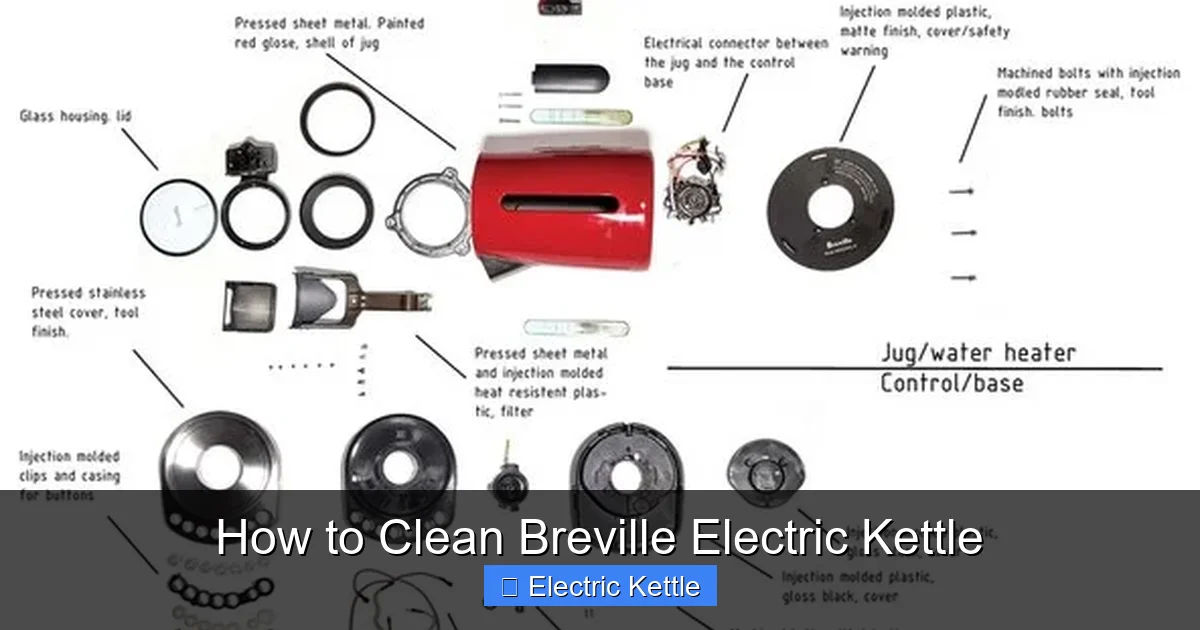
Visual guide about How to Clean Breville Electric Kettle
Image source: i2.wp.com
- White distilled vinegar: This is the star ingredient for breaking down limescale. It’s natural, non-toxic, and highly effective.
- Fresh water: Use filtered or distilled water if possible to reduce future mineral buildup.
- Soft sponge or cloth: Avoid abrasive scrubbers that can scratch the interior or exterior.
- Mild dish soap: For cleaning the exterior and removable parts like the lid or filter.
- Toothbrush (optional): Great for reaching tight spots like the spout or around the heating element.
- Microfiber cloth: For drying and polishing the outside.
Optional but helpful: Baking soda for extra scrubbing power on stubborn stains, or a commercial descaling solution if you prefer a ready-made product. However, vinegar works just as well and is more eco-friendly.
Safety First: What NOT to Do
Before diving into cleaning, it’s important to know what to avoid. Breville kettles are electric appliances, and water and electricity don’t mix. Never submerge the base, power cord, or control panel in water. Only the kettle’s interior, lid, and removable filter (if applicable) should come into contact with liquid.
Also, avoid using bleach, ammonia, or abrasive cleaners like steel wool or scouring powders. These can damage the interior coating, leave harmful residues, or scratch the surface. Stick to gentle, natural cleaners like vinegar and baking soda for safe, effective results.
Step-by-Step Guide: How to Clean Breville Electric Kettle
Now that you’re prepared, let’s walk through the cleaning process step by step. This method works for most Breville models, including the popular Breville BKE820XL, BKE700XL, and the Breville Smart Kettle. Always refer to your user manual for model-specific instructions, but the general process remains the same.
Step 1: Empty and Rinse the Kettle
Start by unplugging the kettle and letting it cool completely. Never clean a hot kettle—this can cause burns or damage the interior. Once cool, pour out any remaining water and give the inside a quick rinse with fresh water to remove loose debris.
Step 2: Prepare the Vinegar Solution
Mix equal parts white distilled vinegar and water. For a standard 1-liter kettle, use 500ml of vinegar and 500ml of water. If your kettle is larger, adjust accordingly. Pour the solution into the kettle, making sure it covers the areas with the most buildup—usually the bottom and around the heating element.
Step 3: Let It Soak
Allow the vinegar solution to sit for at least 30 minutes. For heavy limescale, you can leave it for up to 1 hour. The acid in the vinegar will begin breaking down mineral deposits. You’ll notice bubbles forming—that’s a good sign! If the buildup is severe, you can gently swirl the solution around to help loosen it.
Step 4: Boil the Solution (Optional but Effective)
For deeper cleaning, plug in the kettle and bring the vinegar solution to a boil. Let it boil for 5–10 minutes, then turn it off and unplug. The heat accelerates the descaling process and helps dissolve stubborn deposits. Be cautious when handling the hot kettle—use oven mitts if needed.
Step 5: Scrub Gently
After soaking (and boiling, if you chose that step), pour out the vinegar solution. Use a soft sponge or cloth to wipe the interior. For hard-to-reach areas like the spout or around the heating coil, dip a toothbrush in the vinegar solution and gently scrub. Avoid pressing too hard—scratching the surface can trap future buildup.
Step 6: Rinse Thoroughly
This step is crucial. Fill the kettle with fresh water and rinse it out completely. Pour out the water and repeat 2–3 times to ensure all vinegar residue is gone. Any leftover vinegar can affect the taste of your next brew. For extra assurance, you can run a full boil cycle with clean water and discard it.
Step 7: Clean the Exterior and Removable Parts
While the interior soaks, wipe down the outside of the kettle with a damp cloth and a drop of mild dish soap. Pay attention to the handle, lid, and base. For the lid and any removable filters, wash them separately with soapy water, rinse well, and dry with a microfiber cloth. Avoid soaking electrical components.
Step 8: Dry and Store Properly
Once everything is clean, leave the kettle open to air dry completely before reassembling. Storing it with the lid closed can trap moisture and lead to odors or mold. If you’re in a hurry, use a dry cloth to wipe the interior and exterior.
Dealing with Stubborn Stains and Odors
Even with regular cleaning, some Breville kettles develop stubborn stains or lingering smells—especially if you frequently brew strong teas or flavored beverages. Here’s how to tackle those tougher issues.
Removing Tea or Coffee Stains
If the interior has brown or yellow discoloration from tea or coffee, a baking soda paste can help. Mix 2–3 tablespoons of baking soda with a small amount of water to form a thick paste. Apply it to the stained areas and let it sit for 15–20 minutes. Then, scrub gently with a soft sponge and rinse thoroughly. The mild abrasiveness of baking soda lifts stains without scratching.
Eliminating Odors
Lingering smells—like from flavored teas or old water—can be neutralized with a lemon rinse. Cut a lemon in half and squeeze the juice into the kettle, then add water to fill it halfway. Let it sit for 30 minutes, then boil the solution for 5 minutes. The citric acid in lemon helps break down organic residues and leaves a fresh scent. Rinse well afterward.
Handling Heavy Limescale Buildup
If your kettle has thick, chalky deposits that won’t budge with vinegar, try a stronger solution. Use undiluted white vinegar and let it soak overnight. For extreme cases, you can repeat the boiling step twice. Always rinse thoroughly afterward to avoid any vinegar taste.
How Often Should You Clean Your Breville Kettle?
The frequency of cleaning depends on how often you use your kettle and the hardness of your water. As a general rule:
- Soft water users: Clean every 4–6 weeks.
- Moderate to hard water users: Clean every 2–3 weeks.
- Heavy users (daily boiling): Clean weekly, especially if you notice reduced heating speed or odd tastes.
Hard water contains high levels of calcium and magnesium, which form limescale quickly. If you live in an area with hard water, consider using filtered water in your kettle to reduce buildup. You can also install a water softener if hard water is a persistent issue in your home.
Signs it’s time to clean include:
- Visible white or gray deposits inside the kettle
- Water takes longer to boil than usual
- Unusual tastes or odors in boiled water
- The heating element appears coated or discolored
Regular maintenance not only keeps your kettle clean but also helps you spot potential issues early—like a failing heating element or a cracked interior—before they become major problems.
Tips for Maintaining a Clean Breville Kettle
Cleaning your kettle doesn’t have to be a chore. With a few smart habits, you can keep it in top condition with minimal effort.
Use Filtered Water
One of the easiest ways to reduce limescale is to use filtered or distilled water. This simple switch can cut down on mineral deposits by up to 80%, meaning less frequent cleaning and better-tasting beverages.
Empty After Each Use
Don’t let water sit in the kettle for long periods. Stagnant water encourages mineral buildup and can develop odors. After boiling, pour out any unused water and leave the lid open to air dry.
Wipe Down Weekly
Even if you don’t do a deep clean every week, a quick wipe of the exterior and a rinse of the interior can prevent grime from accumulating. Keep a microfiber cloth near your kettle for easy touch-ups.
Check the Filter Regularly
Many Breville kettles come with a removable mesh filter in the spout to catch sediment. Remove it monthly and rinse it under running water. If it’s clogged, soak it in vinegar for 15 minutes, then scrub with a toothbrush.
Store Properly
When not in use, store your kettle in a dry, cool place with the lid open. This prevents moisture buildup and keeps the interior fresh. Avoid stacking items on top of it, which can scratch the surface.
Common Mistakes to Avoid
Even with the best intentions, it’s easy to make mistakes when cleaning your Breville kettle. Here are some common pitfalls and how to avoid them.
Using Harsh Chemicals
Avoid commercial cleaners labeled “heavy-duty” or “industrial strength.” These often contain chlorine or ammonia, which can damage the kettle’s interior and leave toxic residues. Stick to natural cleaners like vinegar, lemon, or baking soda.
Submerging the Base
Never place the entire kettle in water or run it through the dishwasher. The base contains electrical components that can short-circuit or become damaged. Only clean removable parts by hand.
Skipping the Rinse
It’s tempting to skip the final rinse, especially after using vinegar. But any leftover acid can affect the taste of your water and potentially harm the kettle over time. Always rinse 2–3 times and run a clean water cycle.
Using Abrasive Tools
Steel wool, scouring pads, or harsh brushes can scratch the interior, creating grooves where bacteria and minerals can hide. Use only soft sponges, cloths, or toothbrushes.
Cleaning a Hot Kettle
Always wait for the kettle to cool completely before cleaning. Rapid temperature changes can warp materials or cause burns. Patience pays off in safety and longevity.
Conclusion
Learning how to clean Breville electric kettle is a simple yet essential part of owning one of these reliable kitchen appliances. With regular maintenance using safe, natural methods, you can keep your kettle performing at its best—boiling faster, tasting cleaner, and lasting longer.
By following the steps outlined above—using vinegar for descaling, baking soda for stains, and lemon for odors—you’ll maintain a hygienic, efficient kettle without exposing yourself to harsh chemicals. Remember to clean based on your usage and water type, and always prioritize safety by avoiding electrical components.
A clean Breville kettle doesn’t just make better tea—it gives you peace of mind. So take a few minutes each month to give your kettle the care it deserves. Your taste buds (and your appliance) will thank you.
Frequently Asked Questions
Can I use lemon juice instead of vinegar to clean my Breville kettle?
Yes, lemon juice is a great natural alternative to vinegar. It contains citric acid, which effectively breaks down limescale and leaves a fresh scent. Use the same 50/50 ratio with water and follow the same soaking and rinsing steps.
How do I know if my Breville kettle needs descaling?
Look for white or gray chalky deposits inside the kettle, especially around the heating element. If your water takes longer to boil or tastes metallic or off, it’s time to descale.
Is it safe to boil vinegar in my Breville kettle?
Yes, boiling a diluted vinegar solution (50/50 with water) is safe and recommended for deep cleaning. Just be sure to rinse thoroughly afterward to remove any vinegar taste.
Can I put my Breville kettle in the dishwasher?
No, the main kettle body should never go in the dishwasher. Only removable parts like the lid or filter can be hand-washed with mild soap and water.
How often should I replace the filter in my Breville kettle?
There’s no set replacement schedule, but inspect the filter monthly. If it’s cracked, clogged, or no longer catches sediment, replace it with a Breville-approved part.
Will cleaning my kettle improve its performance?
Absolutely. Removing limescale restores heating efficiency, reduces boiling time, and prevents overheating. Regular cleaning also extends the lifespan of your kettle.