Cleaning a burnt electric kettle doesn’t have to be stressful—simple household ingredients like vinegar, baking soda, and lemon can remove stubborn scorch marks safely and effectively. With the right techniques and regular maintenance, you can keep your kettle spotless, odor-free, and working efficiently for years.
Key Takeaways
- Act quickly after burning: The sooner you clean a burnt kettle, the easier it is to remove residue and prevent permanent staining.
- Use natural cleaners: White vinegar, baking soda, and lemon juice are safe, non-toxic, and highly effective for dissolving burnt-on minerals and carbon deposits.
- Avoid abrasive tools: Never use steel wool or harsh scrubbers on the interior, as they can scratch the surface and damage heating elements.
- Soak before scrubbing: Letting the cleaning solution sit for 30–60 minutes loosens burnt debris, making scrubbing easier and more effective.
- Prevent future burns: Always add water before turning on the kettle and avoid overfilling to reduce the risk of overheating and burning.
- Regular descaling helps: Monthly cleaning with vinegar prevents mineral buildup, which can contribute to burning and reduce efficiency.
- Check manufacturer guidelines: Some kettles have specific cleaning instructions—always refer to the user manual to avoid voiding warranties.
📑 Table of Contents
- Why Burnt Electric Kettles Happen—And Why You Should Care
- Essential Tools and Ingredients for Cleaning a Burnt Electric Kettle
- Step-by-Step Guide: How to Clean Burnt Electric Kettle with Vinegar
- Alternative Methods: Baking Soda and Lemon for Tough Stains
- Preventing Future Burns: Smart Habits for Kettle Care
- When to Call It Quits: Signs Your Kettle Needs Replacing
- Maintaining a Clean Kettle: Routine Care Tips
- Conclusion: A Clean Kettle Means Better-Tasting Beverages
Why Burnt Electric Kettles Happen—And Why You Should Care
We’ve all been there: you’re rushing to make tea or coffee, hit the boil button, and suddenly smell something acrid and burnt. You look inside your electric kettle and see a blackened, charred patch at the bottom—yikes. A burnt electric kettle isn’t just unsightly; it can affect the taste of your water, reduce heating efficiency, and even pose safety risks if the damage is severe.
Electric kettles burn when they’re operated with little or no water. The heating element, designed to work submerged, overheats and scorches the interior surface. This can happen if you forget to add water, if the water level sensor fails, or if mineral buildup insulates the element and causes hot spots. Over time, repeated burning can degrade the kettle’s interior coating, especially in non-stick or stainless steel models, leading to flaking, odors, and potential contamination.
But don’t panic—most burnt electric kettles can be restored with the right cleaning approach. The key is acting fast and using gentle, effective methods that won’t damage the appliance. In this guide, we’ll walk you through step-by-step solutions using common household items, explain why prevention matters, and help you keep your kettle in top condition for daily use.
Essential Tools and Ingredients for Cleaning a Burnt Electric Kettle
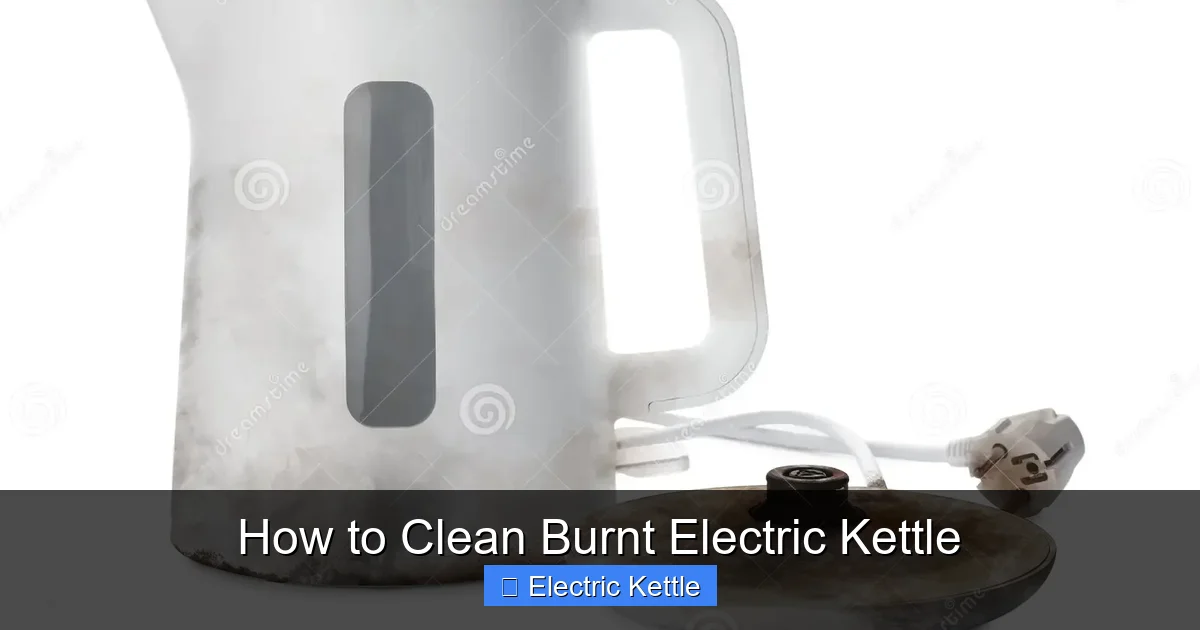
Visual guide about How to Clean Burnt Electric Kettle
Image source: thumbs.dreamstime.com
Before diving into the cleaning process, gather the right tools and ingredients. You don’t need expensive cleaners or specialty products—most of what you need is probably already in your kitchen.
Household Cleaners That Work Wonders
White vinegar is your best friend when it comes to cleaning burnt kettles. It’s acidic enough to break down mineral deposits and carbonized food particles, yet safe for most kettle interiors. Its natural properties make it ideal for dissolving limescale and burnt-on residue without harsh chemicals.
Baking soda adds gentle abrasion and neutralizes odors. When combined with vinegar, it creates a fizzing reaction that helps lift stubborn stains. It’s especially useful for scrubbing without scratching.
Lemon juice is another natural acid that cuts through grime and leaves a fresh scent. Freshly squeezed lemon works best, but bottled juice can also do the trick in a pinch.
Basic Cleaning Tools
You’ll also need a few simple tools:
– A soft sponge or non-abrasive scrub pad (like a microfiber cloth or silicone brush)
– A soft-bristled toothbrush for tight spots
– A measuring cup or jug for mixing solutions
– A clean, dry towel for wiping
Avoid metal scrubbers, steel wool, or harsh scouring powders—these can scratch the interior surface, especially on coated or stainless steel kettles. Scratches not only look bad but can also trap bacteria and make future cleaning harder.
Safety First: What to Avoid
Never use bleach, ammonia, or commercial drain cleaners inside your kettle. These chemicals can leave toxic residues that mix with boiling water and become dangerous when ingested. Also, avoid submerging the entire kettle in water—only the interior should be cleaned, and the base must stay dry to prevent electrical damage.
Always unplug the kettle and let it cool completely before cleaning. Hot surfaces can cause burns, and water near electrical components is a serious hazard.
Step-by-Step Guide: How to Clean Burnt Electric Kettle with Vinegar
One of the most effective and widely recommended methods for cleaning a burnt electric kettle is using white vinegar. This method is safe, affordable, and works on most types of kettles, including stainless steel, glass, and plastic models.
Step 1: Prepare the Vinegar Solution
Start by mixing equal parts white vinegar and water. For a standard 1-liter kettle, use ½ cup (120 ml) of vinegar and ½ cup of water. If the burn is severe, you can use full-strength vinegar, but diluting it helps reduce strong odors and is gentler on the kettle’s interior.
Pour the solution into the kettle, making sure it covers the burnt area completely. If the burn is localized, you may need to tilt the kettle slightly to ensure the liquid reaches the affected spot.
Step 2: Let It Soak
Allow the vinegar solution to sit for at least 30 minutes—up to an hour for heavy buildup. The acid in the vinegar will begin breaking down the burnt residue and mineral deposits. You might notice bubbles forming as the vinegar reacts with the carbonized material.
For extra effectiveness, you can gently swirl the solution around every 10–15 minutes to help dislodge stubborn spots.
Step 3: Boil the Solution (Optional but Recommended)
After soaking, plug in the kettle and bring the vinegar solution to a boil. This step accelerates the cleaning process by using heat to loosen burnt particles. Let it boil for 5–10 minutes, then turn off the kettle and let it cool for another 15–20 minutes.
Pro tip: If your kettle has a removable limescale filter, take it out before boiling to prevent damage.
Step 4: Scrub Gently
Once the solution has cooled, pour it out and use a soft sponge or toothbrush to gently scrub the burnt area. The residue should come off easily now. Focus on the bottom and sides where the burn is most visible.
If there are still dark spots, dip the sponge in a paste made from baking soda and a little water, then scrub those areas. The mild abrasion will help lift remaining stains without scratching.
Step 5: Rinse Thoroughly
Rinse the kettle several times with clean water to remove all traces of vinegar. Any leftover acid can affect the taste of your next cup of tea or coffee. Fill the kettle, swish the water around, and pour it out—repeat 3–4 times.
Step 6: Deodorize with Fresh Water
To eliminate any lingering vinegar smell, fill the kettle with fresh water and boil it once. Let it cool, then discard the water. This final rinse ensures your kettle is clean, odor-free, and ready to use.
Alternative Methods: Baking Soda and Lemon for Tough Stains
If vinegar alone doesn’t do the trick, or if you prefer a different approach, baking soda and lemon offer excellent alternatives—or complementary solutions.
Baking Soda Paste for Scrubbing
For localized burns or sticky residue, make a thick paste using 2–3 tablespoons of baking soda and a small amount of water. Apply the paste directly to the burnt area and let it sit for 15–20 minutes. The baking soda will soften the stain and neutralize odors.
Use a soft toothbrush to gently scrub the spot in circular motions. The mild abrasiveness helps lift the burn without damaging the surface. Rinse thoroughly afterward.
Example: If you accidentally left your kettle on with only a splash of water, creating a small black ring, this method can often remove it in one go.
Lemon and Salt Scrub
Cut a lemon in half and dip it in coarse salt. Use the lemon half like a sponge to scrub the burnt area. The citric acid breaks down the burn, while the salt provides gentle abrasion.
This method is especially effective for stainless steel kettles, as the lemon also helps restore shine. After scrubbing, rinse well and wipe dry.
Combining Vinegar and Baking Soda
For the toughest burns, combine vinegar and baking soda for a powerful cleaning reaction. Start by pouring ½ cup of vinegar into the kettle, then add 2 tablespoons of baking soda. The mixture will fizz vigorously—this reaction helps lift and dissolve burnt material.
Let it sit for 30 minutes, then scrub gently. This combo is great for kettles with both mineral buildup and carbonized stains.
Preventing Future Burns: Smart Habits for Kettle Care
Cleaning a burnt electric kettle is one thing—preventing it from happening again is even better. A few simple habits can save you time, money, and frustration down the line.
Always Add Water Before Turning On
This might seem obvious, but it’s the number one cause of kettle burns. Make it a rule: never press the boil button unless there’s at least enough water to cover the heating element. Most kettles have a minimum fill line—always respect it.
If you’re in a hurry, use a measuring cup to add water quickly rather than guessing. A little extra time now prevents a big cleanup later.
Don’t Overfill the Kettle
While underfilling causes burns, overfilling can lead to boiling water spilling out, which is a scalding hazard. Fill only to the maximum line indicated on your kettle. This also ensures efficient heating and reduces strain on the element.
Descale Regularly
Mineral buildup from hard water can insulate the heating element, causing hot spots that lead to burning. To prevent this, descale your kettle once a month using a vinegar rinse (as described earlier).
If you live in an area with very hard water, consider using filtered water in your kettle. This reduces scale formation and extends the appliance’s lifespan.
Inspect the Heating Element
Periodically check the bottom of your kettle for signs of damage, discoloration, or excessive scaling. If the heating element looks corroded or the kettle takes longer to boil, it may be time for a deep clean or replacement.
Some kettles have removable elements or filters—clean these according to the manufacturer’s instructions.
Store Properly
After use, empty the kettle and leave the lid open to air dry. This prevents moisture buildup, which can encourage mold or mineral deposits. Store it in a dry, cool place away from direct sunlight.
When to Call It Quits: Signs Your Kettle Needs Replacing
Despite your best efforts, some kettles reach the end of their usable life. Here are signs it’s time to retire your burnt electric kettle:
– Persistent burning smell even after cleaning
– Visible cracks, rust, or flaking inside the kettle
– Leaking water from the base or spout
– Inconsistent heating or failure to boil
– Electrical issues, such as sparks or tripped circuits
Using a damaged kettle can be unsafe. Electrical faults or leaking water near power sources pose serious risks. If your kettle shows any of these signs, it’s better to replace it than risk injury or fire.
When shopping for a new kettle, look for models with automatic shut-off, boil-dry protection, and easy-to-clean interiors. These features help prevent burns and make maintenance simpler.
Maintaining a Clean Kettle: Routine Care Tips
Once your kettle is clean, keep it that way with regular maintenance. A little effort goes a long way in preserving performance and taste.
Weekly Rinse
After each use, rinse the interior with clean water. This removes residual minerals and prevents buildup.
Monthly Deep Clean
Even if you haven’t burned your kettle, run a vinegar rinse once a month. This prevents limescale and keeps the interior spotless.
Wipe the Exterior
Use a damp cloth to wipe down the outside of the kettle, including the handle and base. Avoid getting water near the electrical components.
Check the Spout and Lid
Food particles or mineral deposits can accumulate in the spout or under the lid. Use a toothbrush to clean these areas regularly.
Use Filtered Water
If possible, use filtered or distilled water in your kettle. This reduces mineral content and minimizes scaling.
Conclusion: A Clean Kettle Means Better-Tasting Beverages
A burnt electric kettle doesn’t have to be a disaster. With the right tools and techniques, you can restore it to like-new condition using simple, natural ingredients. Vinegar, baking soda, and lemon are powerful allies in the fight against scorch marks and odors.
More importantly, adopting preventive habits—like always adding water before boiling and descaling monthly—can save you from future headaches. A well-maintained kettle not only lasts longer but also ensures your tea, coffee, and hot water taste fresh and clean.
Remember, safety comes first. Never use harsh chemicals or abrasive tools, and always unplug and cool your kettle before cleaning. If your kettle is severely damaged, it’s better to replace it than risk malfunction.
By following this guide, you’ll keep your electric kettle in excellent shape, enjoy better-tasting beverages, and extend the life of your appliance. So the next time you spot a burn, don’t panic—just grab the vinegar and get cleaning!
Frequently Asked Questions
Can I use bleach to clean a burnt electric kettle?
No, never use bleach or other harsh chemicals inside an electric kettle. These can leave toxic residues that mix with boiling water and become dangerous when consumed. Stick to natural cleaners like vinegar or baking soda.
How long should I soak the kettle in vinegar?
For light burns, 30 minutes is usually enough. For heavy buildup or stubborn stains, soak for up to 60 minutes. You can also boil the vinegar solution to speed up the process.
Will cleaning a burnt kettle remove the smell?
Yes, cleaning with vinegar or lemon will eliminate most burnt odors. For lingering smells, boil a few cups of water with a slice of lemon after cleaning to freshen the interior.
Can I clean the outside of the kettle with vinegar?
Yes, but use a diluted solution (1 part vinegar to 2 parts water) and a soft cloth. Avoid spraying vinegar directly on the base or electrical components.
Is it safe to use a kettle after cleaning it with vinegar?
Absolutely, as long as you rinse it thoroughly. Any vinegar taste or smell will disappear after a few rinses and a final boil with fresh water.
How often should I descale my electric kettle?
Descale once a month if you use it daily, or every 2–3 months if used less frequently. If you have hard water, monthly descaling is recommended to prevent mineral buildup.