Calcium buildup in your electric kettle is common but easy to fix. With simple household ingredients like vinegar or lemon, you can dissolve limescale and restore your kettle’s performance. Regular cleaning prevents damage and ensures better-tasting water.
Key Takeaways
- Calcium buildup (limescale) is caused by hard water minerals like calcium and magnesium. It accumulates over time and reduces heating efficiency.
- White vinegar is the most effective and affordable solution for removing limescale. It dissolves mineral deposits safely without damaging the kettle.
- Lemon juice works well for light buildup and leaves a fresh scent. It’s a natural alternative to vinegar with similar cleaning power.
- Baking soda can be used for scrubbing stubborn spots. Combine it with water to form a paste for gentle abrasion.
- Always rinse thoroughly after cleaning to avoid unpleasant tastes. Run 1–2 cycles of clean water to flush out residue.
- Prevent future buildup by using filtered water and descaling monthly. Regular maintenance extends your kettle’s lifespan.
- Never use harsh chemicals or steel wool on electric kettles. These can scratch surfaces and damage internal components.
📑 Table of Contents
Why Calcium Buildup Happens in Electric Kettles
If you’ve noticed a chalky white or gray film inside your electric kettle, you’re not alone. That’s calcium buildup—also known as limescale—and it’s one of the most common issues kettle owners face. It forms when hard water is heated repeatedly. Hard water contains high levels of dissolved minerals, especially calcium and magnesium. When the water boils, these minerals don’t evaporate. Instead, they settle on the kettle’s interior surfaces, especially the heating element and the bottom.
Over time, this buildup thickens and becomes harder to remove. It’s not just an eyesore—it can actually affect how well your kettle works. The limescale acts as an insulator, making it harder for the heating element to transfer heat to the water. This means your kettle takes longer to boil, uses more energy, and may even overheat in extreme cases. In some models, excessive buildup can trigger automatic shut-off features or reduce the kettle’s lifespan.
You might also notice a change in the taste of your water or tea. While limescale itself isn’t harmful to drink, it can give water a slightly metallic or bitter flavor. Plus, if the buildup flakes off, you could end up with tiny white particles floating in your cup—definitely not the relaxing tea experience you were hoping for.
The good news? Cleaning calcium buildup in your electric kettle is simple, safe, and doesn’t require special tools. With a few common household ingredients, you can restore your kettle to like-new condition in under an hour. And with regular maintenance, you can prevent the problem from coming back.
Signs You Need to Clean Your Electric Kettle
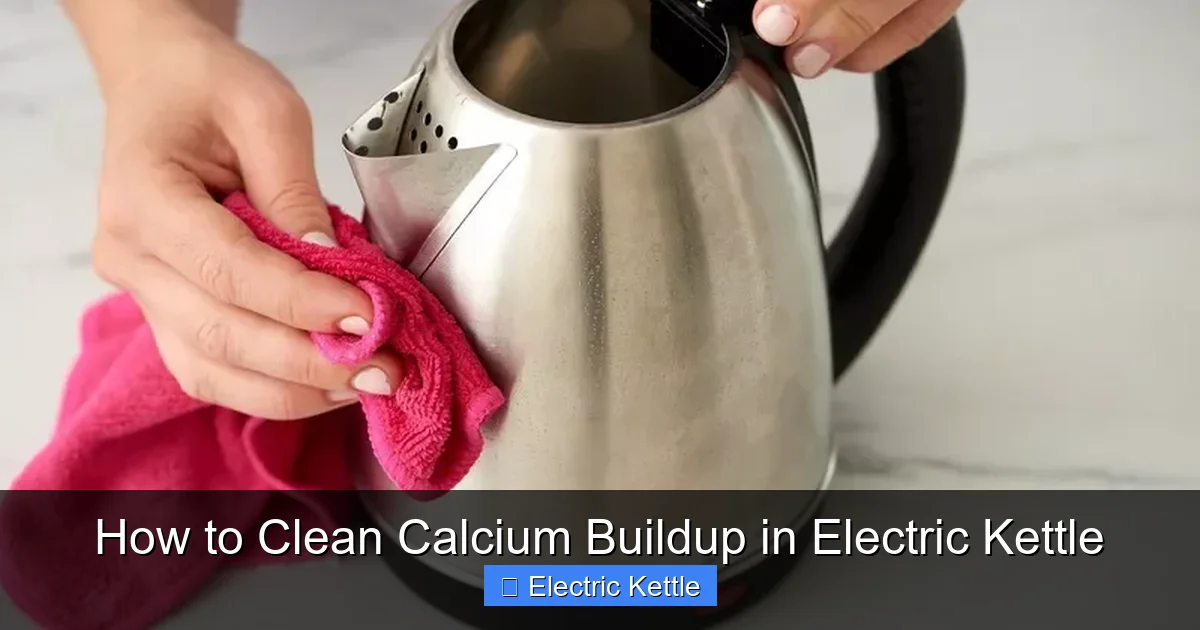
Visual guide about How to Clean Calcium Buildup in Electric Kettle
Image source: irrorwxhiqijjr5q.ldycdn.com
How do you know it’s time to clean your kettle? Some signs are obvious, while others are more subtle. The most visible clue is the white or gray crust lining the inside of the kettle, especially around the base and spout. If you see this, it’s definitely time for a deep clean.
Another sign is longer boiling times. If your kettle used to boil water in three minutes but now takes five or six, limescale could be the culprit. The mineral layer insulates the heating element, so it takes more energy and time to heat the water.
You might also notice a change in water taste or smell. Even if you’re using filtered water, old limescale can impart a stale or metallic flavor. Some people describe it as a “mineral” or “chalky” taste. If your morning coffee or tea suddenly doesn’t taste right, your kettle might be to blame.
In severe cases, you may see flakes of limescale floating in your water. This happens when the buildup becomes so thick that parts of it break off during boiling. While it’s not dangerous to ingest small amounts, it’s definitely unappetizing.
Finally, if your kettle makes unusual noises—like crackling or popping—during heating, it could be due to trapped steam under the limescale layer. This isn’t just annoying; it can also stress the heating element and shorten the kettle’s life.
Don’t wait until the problem gets bad. A quick monthly clean can prevent these issues and keep your kettle running smoothly.
Best Methods to Clean Calcium Buildup
There are several effective ways to clean calcium buildup in your electric kettle, and the best method depends on how severe the limescale is and what ingredients you have on hand. The most popular and reliable options are white vinegar, lemon juice, and baking soda. Each has its strengths, and all are safe for use in electric kettles.
Method 1: White Vinegar (Most Effective)
White vinegar is the gold standard for removing limescale. It’s acidic, which means it breaks down calcium and magnesium deposits quickly and thoroughly. Plus, it’s inexpensive, widely available, and safe for most kettle materials, including stainless steel and plastic.
To use vinegar:
1. Fill the kettle halfway with equal parts white vinegar and water. For example, if your kettle holds 1 liter, use 500ml vinegar and 500ml water.
2. Plug in the kettle and bring the solution to a boil. Let it boil for 1–2 minutes, then turn it off.
3. Let the vinegar solution sit in the kettle for at least 30 minutes—or up to an hour for heavy buildup. The longer it sits, the more effective it will be.
4. After soaking, scrub the inside gently with a soft sponge or brush. Avoid abrasive scrubbers that could scratch the surface.
5. Pour out the vinegar solution and rinse the kettle thoroughly with clean water. Fill it with fresh water, boil it once, and pour it out to remove any lingering vinegar taste.
Tip: If your kettle has a removable limescale filter (common in some models), take it out and soak it in vinegar separately.
Method 2: Lemon Juice (Natural and Fresh-Smelling)
Lemon juice is another excellent option, especially if you prefer a natural, citrusy scent over vinegar’s sharp smell. It contains citric acid, which works similarly to vinegar to dissolve mineral deposits.
To clean with lemon:
1. Cut a fresh lemon in half and squeeze the juice into the kettle. Use about 1/4 to 1/2 cup of juice, depending on the kettle size.
2. Add water to fill the kettle about halfway.
3. Boil the lemon-water mixture for 1–2 minutes, then let it sit for 30–60 minutes.
4. Scrub gently with a soft sponge, then rinse thoroughly.
5. Boil fresh water once or twice to eliminate any lemon taste.
Lemon is great for light to moderate buildup. For heavy limescale, you may need to repeat the process or combine it with vinegar.
Method 3: Baking Soda (For Scrubbing Stubborn Spots)
Baking soda isn’t as strong as vinegar or lemon for dissolving limescale, but it’s excellent for scrubbing away residue after using an acidic cleaner. It’s also useful if you want to avoid strong smells.
To use baking soda:
1. Mix 1–2 tablespoons of baking soda with a small amount of water to form a thick paste.
2. Apply the paste to the affected areas using a soft cloth or sponge.
3. Gently scrub in circular motions, focusing on the heating element and base.
4. Rinse thoroughly with water.
For best results, use baking soda after soaking the kettle in vinegar or lemon. The acid loosens the buildup, and the baking soda helps scrub it away.
Method 4: Commercial Descaling Solutions
If you prefer a ready-made solution, commercial descaling products are available at most supermarkets or online. These are specially formulated to remove limescale and are often used in coffee makers and kettles.
Follow the instructions on the label carefully. Most require you to mix the solution with water, boil it, let it sit, and rinse thoroughly. While effective, these products can be more expensive than homemade solutions and may contain chemicals you’d rather avoid.
Step-by-Step Cleaning Guide
Now that you know the best methods, here’s a simple step-by-step guide to cleaning your electric kettle like a pro. This process works for most kettles, whether they’re stainless steel, glass, or plastic.
Step 1: Unplug and Cool Down
Safety first! Always unplug your kettle and let it cool completely before cleaning. Never attempt to clean a hot or recently used kettle. Hot surfaces can cause burns, and water on electrical components can be dangerous.
Step 2: Empty and Rinse
Pour out any remaining water and give the kettle a quick rinse with clean water. This removes loose debris and makes the cleaning process more effective.
Step 3: Choose Your Cleaning Solution
Decide which method you’ll use—vinegar, lemon, or baking soda. For most people, vinegar is the best all-around choice. If you’re dealing with light buildup or want a fresh scent, go with lemon.
Step 4: Fill and Boil
Fill the kettle halfway with your chosen solution. For vinegar or lemon, use a 1:1 ratio with water. Plug in the kettle and bring the mixture to a boil. Let it boil for 1–2 minutes to activate the cleaning agents.
Step 5: Soak and Scrub
Turn off the kettle and let the solution sit for at least 30 minutes. For heavy buildup, leave it for up to an hour. After soaking, use a soft sponge or brush to gently scrub the interior. Pay special attention to the heating element and the bottom, where limescale tends to accumulate.
Step 6: Rinse Thoroughly
Pour out the cleaning solution and rinse the kettle several times with clean water. Fill it with fresh water, boil it once, and pour it out. Repeat this step 1–2 times to ensure no residue remains.
Step 7: Dry and Store
Wipe the exterior with a dry cloth and let the interior air-dry completely before using it again. Store the kettle with the lid open to prevent moisture buildup.
Preventing Future Calcium Buildup
Cleaning your kettle is important, but preventing limescale in the first place is even better. With a few simple habits, you can reduce buildup and extend the life of your appliance.
Use Filtered or Softened Water
The easiest way to prevent limescale is to use water with lower mineral content. If you have hard water, consider using a water filter pitcher or installing a whole-house water softener. Even switching to bottled distilled water for your kettle can make a big difference.
Descale Monthly
Make descaling a monthly habit, even if you don’t see visible buildup. Regular cleaning prevents minerals from hardening and becoming difficult to remove. Think of it like brushing your teeth—prevention is easier than treatment.
Empty the Kettle After Use
Don’t leave water sitting in your kettle overnight. Stagnant water allows minerals to settle and form scale. After each use, pour out any remaining water and wipe the interior dry.
Wipe Down the Exterior
While not directly related to limescale, keeping the exterior clean helps maintain your kettle’s appearance and prevents grime from building up around the lid and spout.
Check the Manufacturer’s Instructions
Some kettles have specific cleaning recommendations. Always refer to the user manual to avoid damaging your appliance. For example, some models advise against using vinegar on certain finishes.
Common Mistakes to Avoid
Even with the best intentions, it’s easy to make mistakes when cleaning your electric kettle. Here are some common pitfalls to watch out for.
Using Harsh Chemicals
Avoid bleach, ammonia, or industrial cleaners. These can damage the kettle’s interior and leave toxic residues. Stick to natural, food-safe options like vinegar or lemon.
Scrubbing with Steel Wool or Abrasive Pads
Metal scrubbers can scratch stainless steel or plastic surfaces, creating grooves where bacteria and limescale can hide. Always use soft sponges or brushes.
Not Rinsing Thoroughly
Residual vinegar or lemon can affect the taste of your water. Always rinse multiple times and boil clean water to flush out any remaining solution.
Cleaning a Hot Kettle
Never clean your kettle while it’s hot. The sudden temperature change can damage the heating element or cause burns.
Ignoring the Spout and Lid
Limescale can build up in the spout and under the lid. Use a toothbrush or cotton swab dipped in vinegar to clean these hard-to-reach areas.
When to Replace Your Electric Kettle
No amount of cleaning can fix a kettle that’s reached the end of its life. If you notice any of the following signs, it might be time to replace your appliance:
– The heating element is severely corroded or no longer heats efficiently.
– The kettle leaks water, even after tightening the lid.
– The plastic parts are cracked or warped.
– The kettle takes more than twice as long to boil water as it did when new.
– You’ve cleaned it multiple times, but limescale returns within days.
Most electric kettles last 3–5 years with proper care. If yours is older and showing signs of wear, investing in a new one could save you time, energy, and frustration.
Conclusion
Cleaning calcium buildup in your electric kettle doesn’t have to be a chore. With simple ingredients like vinegar, lemon, or baking soda, you can remove limescale quickly and safely. Regular maintenance not only improves performance but also ensures your water tastes fresh and clean.
By understanding why limescale forms, recognizing the signs of buildup, and following a consistent cleaning routine, you can keep your kettle in top condition for years. And with preventive measures like using filtered water and descaling monthly, you can avoid the problem altogether.
So the next time you spot that chalky film, don’t panic—just grab a bottle of vinegar and get to work. Your kettle (and your morning tea) will thank you.
Frequently Asked Questions
Is it safe to drink water from a kettle with calcium buildup?
Yes, it’s generally safe to drink water from a kettle with limescale. The minerals in limescale are not harmful, but they can affect taste and reduce heating efficiency. Regular cleaning is recommended for better performance and flavor.
Can I use apple cider vinegar instead of white vinegar?
Yes, apple cider vinegar can work, but it’s less effective and may leave a stronger smell. White vinegar is preferred because it’s more acidic and odorless after rinsing.
How often should I clean my electric kettle?
Clean your kettle once a month if you use it regularly. If you have very hard water, you may need to clean it every 2–3 weeks to prevent heavy buildup.
Will cleaning with vinegar damage my kettle?
No, white vinegar is safe for most electric kettles, including stainless steel and plastic models. Just be sure to rinse thoroughly afterward to remove any vinegar taste.
Can I clean the heating element directly?
You can’t access the heating element directly in most kettles, but soaking the kettle in vinegar or lemon will clean it indirectly. Avoid poking or scraping the element to prevent damage.
What if my kettle has a glass interior?
Glass kettles can be cleaned the same way—vinegar and lemon are safe for glass. Just avoid sudden temperature changes and use soft tools to prevent scratching.