Keeping your Cosori electric kettle clean ensures better-tasting water, longer appliance life, and safer brewing. With easy, non-toxic methods like vinegar, lemon, and baking soda, you can remove limescale and residue in minutes—no harsh chemicals needed.
Key Takeaways
- Regular cleaning prevents limescale buildup: Hard water leaves mineral deposits that affect taste and heating efficiency—clean every 2–4 weeks.
- White vinegar is your best friend: A natural descaling agent that dissolves calcium and magnesium without damaging the kettle.
- Lemon juice works wonders: Its citric acid gently removes stains and leaves a fresh scent—ideal for light cleaning.
- Never submerge the base: The electrical components must stay dry; only clean the interior and exterior surfaces safely.
- Use soft cloths and brushes: Avoid abrasive scrubbers that can scratch stainless steel or the heating element.
- Rinse thoroughly after cleaning: Residual cleaning solution can affect water taste—always rinse 2–3 times before reuse.
- Store with the lid open: This prevents moisture buildup and odors between uses.
📑 Table of Contents
- Why Cleaning Your Cosori Electric Kettle Matters
- How Often Should You Clean Your Cosori Electric Kettle?
- What You’ll Need to Clean Your Cosori Electric Kettle
- Step-by-Step Guide: How to Clean Cosori Electric Kettle with Vinegar
- Alternative Cleaning Methods for Your Cosori Kettle
- How to Clean the Exterior and Handle of Your Cosori Kettle
- Safety Tips and What NOT to Do When Cleaning
- Maintaining a Clean Cosori Kettle Between Deep Cleans
- Troubleshooting Common Cleaning Issues
- When to Replace Your Cosori Electric Kettle
- Final Thoughts: Keep Your Kettle Happy and Healthy
Why Cleaning Your Cosori Electric Kettle Matters
You love your Cosori electric kettle—it heats water fast, looks sleek on the counter, and makes your morning coffee or tea a breeze. But did you know that even the most efficient kettles need regular cleaning? Over time, minerals from hard water build up inside, forming a chalky layer called limescale. This not only affects how your water tastes but can also slow down heating and shorten your kettle’s lifespan.
Think of it like this: your kettle is like a coffee maker or dishwasher—it works hard every day, and without maintenance, performance drops. A clean Cosori electric kettle ensures pure, great-tasting water, faster boiling times, and fewer repair issues down the line. Plus, it just feels better knowing your appliance is hygienic and well cared for. Whether you use your kettle daily for tea, instant oatmeal, or baby formula, cleanliness directly impacts your health and experience.
How Often Should You Clean Your Cosori Electric Kettle?
The frequency of cleaning depends on how often you use your kettle and the hardness of your water. If you live in an area with hard water—common in many parts of the U.S., UK, and Australia—you’ll notice limescale forming faster. In these cases, cleaning every 2 to 4 weeks is ideal. For softer water or lighter use, once a month is usually sufficient.
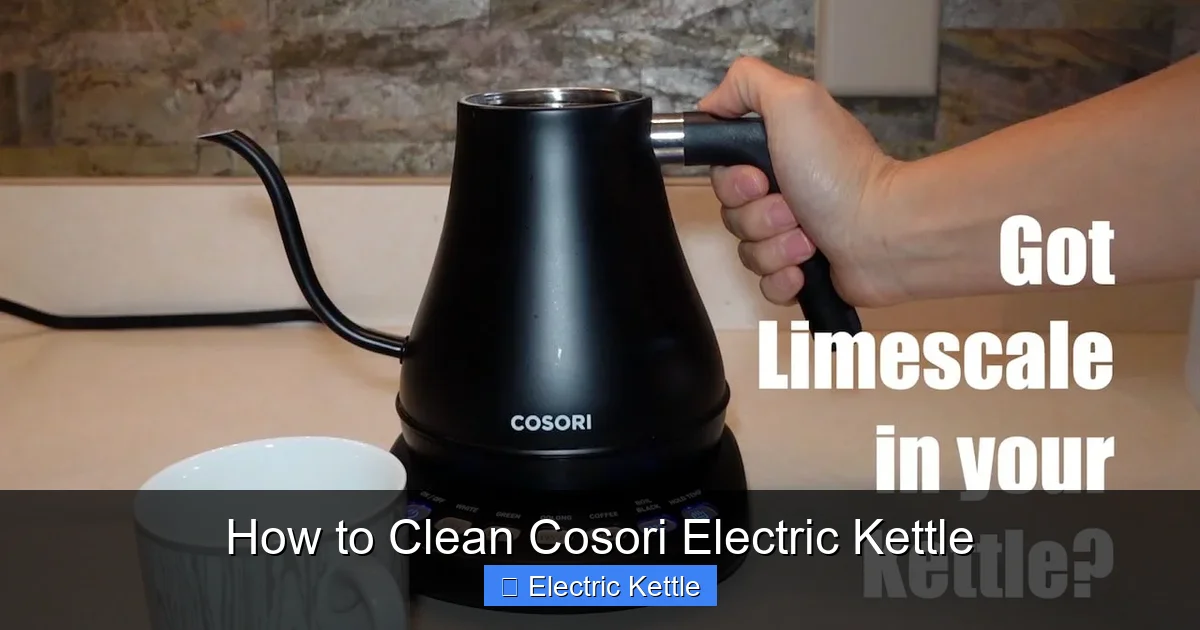
Visual guide about How to Clean Cosori Electric Kettle
Image source: cleanestor.com
Signs It’s Time to Clean
- White or gray film inside the kettle
- Water takes longer to boil than usual
- Unusual taste or odor in your water
- Rust-like spots near the heating element
- Gurgling or popping sounds during heating
Don’t wait until the problem is obvious. Proactive cleaning prevents buildup and keeps your kettle running smoothly. Set a monthly reminder on your phone or calendar to stay on track. It only takes 10–15 minutes, and the peace of mind is worth it.
What You’ll Need to Clean Your Cosori Electric Kettle
Before you start, gather your supplies. The good news? You probably already have most of these at home. No need for expensive cleaners or specialty tools—just simple, safe household items.
Essential Cleaning Supplies
- White distilled vinegar (or apple cider vinegar in a pinch)
- Fresh lemon or bottled lemon juice
- Baking soda (for tough stains or odors)
- Soft sponge or non-abrasive brush
- Microfiber cloth
- Water (filtered or distilled is best)
- Measuring cup
Avoid using steel wool, harsh chemical cleaners, or bleach. These can scratch the stainless steel interior, damage the heating element, or leave toxic residues. Cosori kettles are designed with high-quality materials, so treat them gently to preserve their finish and function.
Step-by-Step Guide: How to Clean Cosori Electric Kettle with Vinegar
Vinegar is the gold standard for cleaning electric kettles—especially for limescale removal. It’s affordable, eco-friendly, and highly effective. Here’s how to do it safely and thoroughly.
Step 1: Prepare the Cleaning Solution
Mix equal parts white vinegar and water. For a standard 1.7-liter Cosori kettle, use 1 cup (240 ml) of vinegar and 1 cup of water. If your kettle is smaller, adjust accordingly—just keep the 1:1 ratio. Pour the mixture into the kettle, making sure it covers the heating element at the bottom.
Step 2: Let It Soak
Turn on the kettle and bring the solution to a boil. Once it reaches boiling point, turn it off and let it sit for 15–30 minutes. This allows the vinegar to break down mineral deposits. For heavy buildup, you can leave it overnight—just make sure the kettle is unplugged and cool before handling.
Step 3: Scrub Gently
After soaking, use a soft sponge or brush to gently scrub the interior. Focus on the bottom and sides where limescale tends to accumulate. Avoid pressing too hard—scratching the surface can trap more minerals over time. If there are stubborn spots, sprinkle a little baking soda on the sponge for extra scrubbing power.
Step 4: Rinse Thoroughly
Pour out the vinegar solution and rinse the kettle 2–3 times with clean water. Fill it halfway, swish it around, and pour it out. Repeat until there’s no vinegar smell left. Any leftover vinegar can affect the taste of your next cup of tea or coffee.
Step 5: Boil Fresh Water
Fill the kettle with fresh water and boil it once more. This final rinse ensures all traces of vinegar are gone. Discard this water—don’t drink it. Your kettle is now clean, fresh, and ready to use.
Alternative Cleaning Methods for Your Cosori Kettle
While vinegar is highly effective, some people prefer natural alternatives—especially if they’re sensitive to the smell or want a more fragrant clean. Here are two great options: lemon juice and baking soda.
Cleaning with Lemon Juice
Lemon juice is a natural acid that dissolves limescale and leaves a fresh citrus scent. It’s perfect for light cleaning or monthly maintenance.
- Cut a fresh lemon in half and squeeze the juice into the kettle (about ½ cup or 120 ml).
- Add water to cover the heating element—usually 1–1.5 cups.
- Boil the mixture, then let it sit for 15–20 minutes.
- Scrub gently with a soft sponge, rinse thoroughly, and boil fresh water once to remove any lemon residue.
Lemon is especially useful if you’ve used your kettle for herbal teas or flavored drinks that may leave behind odors. It’s also gentler on the senses than vinegar.
Using Baking Soda for Tough Stains and Odors
Baking soda is a mild abrasive and deodorizer, making it ideal for removing stains or lingering smells—like from boiled milk or strong spices.
- Mix 1–2 tablespoons of baking soda with a small amount of water to form a paste.
- Apply the paste to stained areas using a soft cloth or sponge.
- Gently scrub, then rinse well.
- For deeper cleaning, add 1 tablespoon of baking soda to 2 cups of water, boil, and let sit for 10 minutes before rinsing.
Baking soda is safe for regular use and won’t damage your kettle. It’s also great for cleaning the exterior—just dampen a cloth with the paste and wipe down the stainless steel body.
How to Clean the Exterior and Handle of Your Cosori Kettle
While the interior gets the most attention, the outside of your kettle deserves care too. Dust, fingerprints, and water spots can make even a new kettle look dull. Regular exterior cleaning keeps it shiny and professional-looking.
Wiping Down the Stainless Steel Body
Use a soft microfiber cloth dampened with warm water. For stubborn smudges, add a drop of mild dish soap. Wipe in the direction of the grain to avoid scratches. Dry immediately with a clean cloth to prevent water spots.
Avoid using vinegar or lemon on the exterior unless necessary—these acids can dull the finish over time. If you do use them, rinse and dry thoroughly.
Cleaning the Handle and Lid
The handle and lid can collect grease and fingerprints, especially if you’re making tea or coffee multiple times a day. Use the same damp cloth method, paying attention to crevices where dirt hides. For the lid’s interior, wipe with a cloth wrapped around your finger to reach tight spots.
Dealing with Water Spots and Hard Water Stains
If you notice white spots on the exterior, they’re likely mineral deposits from splashed water. Mix equal parts water and white vinegar, dip a cloth in the solution, and gently rub the spots. Rinse with a clean, damp cloth and dry immediately.
For a polished finish, use a stainless steel cleaner or a homemade mix of water and a few drops of olive oil. Apply with a soft cloth and buff to a shine.
Safety Tips and What NOT to Do When Cleaning
Cleaning your Cosori electric kettle is simple, but a few safety rules will protect both you and your appliance.
Never Submerge the Base
The base contains electrical components and must never be submerged in water or cleaned with liquid. Wipe it only with a dry or slightly damp cloth. If moisture gets inside, it can cause short circuits or electric shock.
Unplug Before Cleaning
Always unplug the kettle and let it cool completely before cleaning. Never clean a hot or plugged-in kettle—this is a major safety hazard.
Don’t Use Abrasive Tools
Avoid steel wool, harsh scrub pads, or metal brushes. These can scratch the stainless steel interior and damage the heating element. Stick to soft sponges, brushes, or cloths.
Avoid Harsh Chemicals
Never use bleach, ammonia, or commercial descalers unless specifically approved by Cosori. Many contain chlorine or strong acids that can corrode parts or leave toxic residues.
Don’t Let Cleaning Solutions Sit Too Long
While vinegar and lemon are safe, leaving them in the kettle for days can damage the interior coating. Limit soaking to 30 minutes for vinegar and 20 minutes for lemon. For heavy buildup, repeat the process instead of over-soaking.
Maintaining a Clean Cosori Kettle Between Deep Cleans
Deep cleaning is important, but daily habits can reduce the need for frequent descaling. A little prevention goes a long way.
Use Filtered or Distilled Water
Hard water is the main cause of limescale. If your tap water is high in minerals, consider using filtered or distilled water in your kettle. This simple switch can cut cleaning frequency in half.
Empty After Each Use
Don’t let water sit in the kettle for long periods. Empty it after each use to prevent mineral buildup and bacterial growth. Standing water can also lead to odors.
Wipe the Interior Weekly
Once a week, wipe the inside with a damp cloth to remove any residue. This quick step prevents stains and keeps the kettle fresh.
Store with the Lid Open
When not in use, leave the lid slightly open to allow airflow. This prevents moisture buildup and mildew, especially in humid climates.
Check the Filter (If Applicable)
Some Cosori models come with a removable mesh filter near the spout. Rinse it under warm water weekly to remove debris and mineral particles.
Troubleshooting Common Cleaning Issues
Even with regular care, you might run into a few hiccups. Here’s how to handle them.
Limescale Keeps Coming Back
If you’re cleaning monthly but still see buildup, your water is likely very hard. Try using a water softener or switch to filtered water. You can also clean more frequently—every 10–14 days.
Vinegar Smell Won’t Go Away
This means you didn’t rinse thoroughly. Boil fresh water 2–3 times, discarding each batch. The smell will fade with repeated use.
Stains Won’t Come Off
For persistent stains, try a baking soda paste or a longer vinegar soak (up to 1 hour). Avoid scrubbing too hard—patience works better than force.
Kettle Tastes Metallic After Cleaning
This can happen if residue remains or if the kettle wasn’t rinsed enough. Boil and discard fresh water several times. If the taste persists, contact Cosori support—there may be an issue with the interior coating.
When to Replace Your Cosori Electric Kettle
Even with the best care, no appliance lasts forever. Most Cosori kettles are built to last 3–5 years with regular use. But if you notice any of the following, it might be time for a replacement:
- Cracks or damage to the interior
- Heating element is exposed or corroded
- Water leaks from the base or spout
- Boiling time has significantly increased
- Unusual noises or burning smells
Cosori offers excellent customer service and often provides replacement parts or discounts for loyal customers. Check their website for warranty information and support options.
Final Thoughts: Keep Your Kettle Happy and Healthy
Cleaning your Cosori electric kettle doesn’t have to be a chore. With simple, natural methods and a little routine care, you can keep it sparkling clean and performing at its best. Whether you choose vinegar, lemon, or baking soda, the key is consistency and safety.
Remember: a clean kettle means better-tasting water, faster boiling, and a longer life for your appliance. It’s a small effort with big rewards. So next time you boil water for tea, take a moment to appreciate your well-maintained Cosori—and enjoy that perfect cup, knowing it came from a clean, cared-for machine.
Frequently Asked Questions
Can I use apple cider vinegar instead of white vinegar?
Yes, apple cider vinegar works in a pinch, but it’s less effective and may leave a slight odor. White distilled vinegar is preferred for its stronger acidity and neutral smell.
Is it safe to clean my Cosori kettle with bleach?
No, never use bleach. It can damage the interior coating and leave toxic residues. Stick to natural cleaners like vinegar, lemon, or baking soda.
How do I clean the heating element in my Cosori kettle?
You don’t need to remove it. The vinegar or lemon solution will naturally clean the heating element when boiled and soaked. Just ensure the liquid covers it.
Can I put my Cosori kettle in the dishwasher?
No, the kettle should never be submerged or placed in a dishwasher. Only the removable filter (if present) can be hand-washed.
Why does my kettle smell after cleaning?
This is usually due to leftover vinegar or lemon. Rinse thoroughly and boil fresh water 2–3 times to eliminate the odor.
How long does it take to descale a Cosori kettle?
The entire process takes about 30–45 minutes, including boiling, soaking, scrubbing, and rinsing. Heavy buildup may require a second round.