Keeping your electric glass tea kettle clean ensures better-tasting tea, longer appliance life, and safer brewing. With the right techniques and natural cleaners like vinegar and lemon, you can easily remove limescale, stains, and residue without damaging the glass or heating elements.
Key Takeaways
- Regular cleaning prevents limescale buildup: Hard water leaves mineral deposits that affect taste and performance—clean your kettle weekly if you use it daily.
- Use natural cleaners like vinegar or lemon: These are safe, effective, and non-toxic alternatives to harsh chemicals that won’t harm glass or internal components.
- Never submerge the base or electrical parts: Only the glass carafe should be cleaned with liquid; wipe the base with a damp cloth.
- Descale before deep cleaning: Always tackle mineral buildup first, then move on to scrubbing stains or odors.
- Rinse thoroughly after cleaning: Residual vinegar or cleaning solution can affect the taste of your tea if not rinsed properly.
- Avoid abrasive tools on glass: Use soft sponges or brushes to prevent scratching, which can harbor bacteria and weaken the glass over time.
- Store with the lid open: This allows airflow and prevents musty smells from developing inside the kettle.
📑 Table of Contents
- Why Cleaning Your Electric Glass Tea Kettle Matters
- Understanding What Builds Up in Your Kettle
- Essential Tools and Supplies for Cleaning
- Step-by-Step Guide to Cleaning Your Electric Glass Tea Kettle
- Maintaining a Clean Kettle: Prevention Tips
- Troubleshooting Common Cleaning Issues
- When to Replace Your Electric Glass Tea Kettle
- Conclusion
Why Cleaning Your Electric Glass Tea Kettle Matters
Imagine pouring yourself a warm cup of chamomile tea after a long day—only to taste a faint metallic or chalky flavor that ruins the experience. That’s often the result of limescale buildup or residue left behind in your electric glass tea kettle. While these appliances are convenient and stylish, their transparent design means every speck of dirt, mineral deposit, or stain is visible. More importantly, neglecting regular cleaning doesn’t just affect aesthetics—it impacts performance, safety, and the quality of your beverages.
Electric glass tea kettles are popular for their modern look and ability to showcase the boiling process. However, the very feature that makes them appealing—the clear glass—also makes them prone to showing hard water stains, tea tannins, and mineral deposits. Over time, these residues can clog the heating element, reduce heating efficiency, and even harbor bacteria. Plus, if you’ve ever noticed a strange smell when you first turn on your kettle, it’s likely due to stagnant water or organic buildup. Cleaning your kettle isn’t just about appearances; it’s about maintaining a healthy, efficient, and enjoyable tea-making routine.
Understanding What Builds Up in Your Kettle
Limescale: The Silent Culprit
Limescale is the most common issue in electric kettles, especially in areas with hard water. It forms when minerals like calcium and magnesium in water are heated and left behind as white, chalky deposits. These deposits cling to the glass walls, the heating coil, and even the spout. If left unchecked, limescale can reduce the kettle’s heating speed, increase energy consumption, and give your tea an unpleasant taste. In severe cases, it can even damage the heating element, leading to costly repairs or replacement.
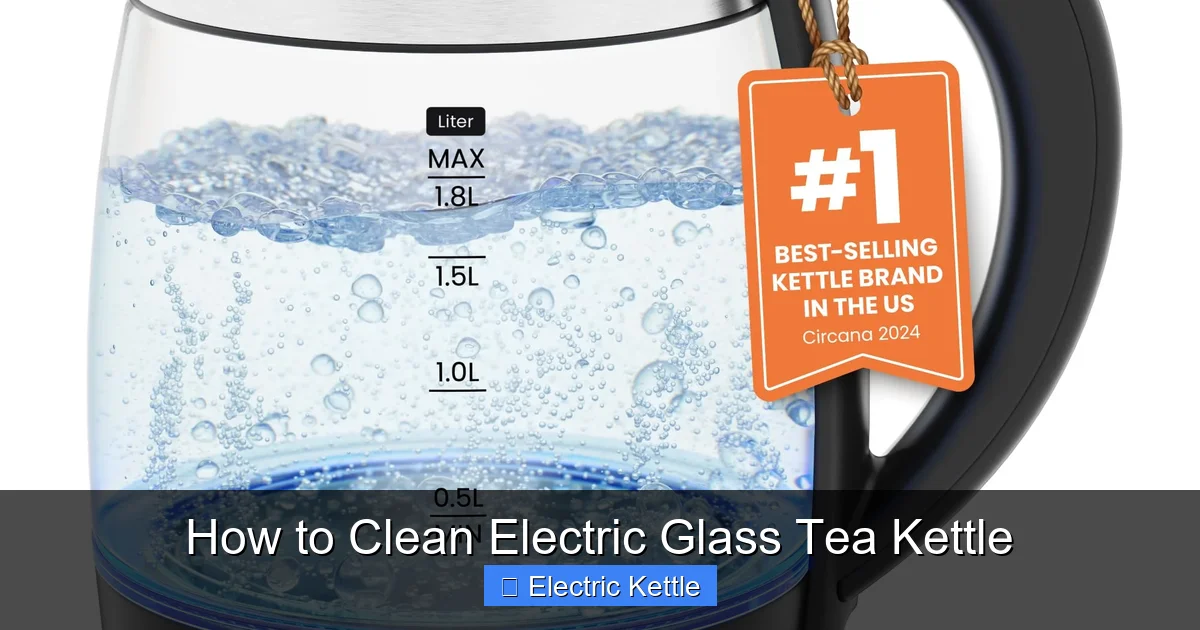
Visual guide about How to Clean Electric Glass Tea Kettle
Image source: m.media-amazon.com
Tea Stains and Tannin Residue
If you’re a frequent tea drinker, you’ve probably noticed brown or yellowish stains inside your kettle. These are caused by tannins—natural compounds in tea leaves that oxidize and stick to surfaces. While not harmful, these stains can become stubborn over time and may contribute to off-flavors in future brews. They’re especially noticeable in glass kettles, where clarity is key.
Odor and Mold Concerns
Leaving water sitting in your kettle for days—especially with the lid closed—creates a damp environment perfect for mold and mildew. This not only produces unpleasant smells but can also pose health risks. Even without visible mold, stagnant water can develop a musty odor that transfers to your tea. Regular cleaning and proper storage are essential to prevent this.
Essential Tools and Supplies for Cleaning
Before you start cleaning, gather the right tools. You don’t need expensive products—most items are likely already in your kitchen. The key is using safe, non-abrasive materials that won’t scratch the glass or damage the heating element.
Natural Cleaning Agents
- White vinegar: A powerhouse for dissolving limescale. Its acidity breaks down mineral deposits without harsh chemicals.
- Lemon juice: Another natural acid that works similarly to vinegar and leaves a fresh scent.
- Baking soda: Great for scrubbing stains and neutralizing odors. Use it as a paste with water.
- Water: Always use clean, cold water for rinsing to avoid re-depositing minerals.
Cleaning Tools
- Soft sponge or microfiber cloth: Ideal for wiping glass without scratching.
- Bottle brush or kettle cleaning brush: Helps reach narrow spouts and curved interiors.
- Toothbrush: Useful for scrubbing around the heating element base or lid hinges.
- Rubber gloves: Optional, but helpful if you have sensitive skin or are using vinegar frequently.
What to Avoid
Never use steel wool, abrasive pads, or harsh chemical cleaners like bleach or oven cleaner. These can scratch the glass, damage the heating coil, or leave toxic residues. Also, avoid submerging the base or electrical components in water—this can cause electrical hazards or ruin the appliance.
Step-by-Step Guide to Cleaning Your Electric Glass Tea Kettle
Step 1: Unplug and Cool Down
Safety first! Always unplug your kettle and let it cool completely before cleaning. Hot surfaces can cause burns, and water on electrical parts can be dangerous. Wait at least 30 minutes after use before starting.
Step 2: Empty and Rinse
Pour out any remaining water. Give the kettle a quick rinse with cold water to remove loose debris. This makes the deep cleaning process more effective.
Step 3: Descale with Vinegar or Lemon
This is the most important step for removing limescale. Here’s how to do it:
- Fill the kettle halfway with equal parts white vinegar and water. For example, use 1 cup vinegar and 1 cup water.
- Plug in the kettle and bring the solution to a boil. Let it boil for 1–2 minutes, then turn it off.
- Let the solution sit for 15–30 minutes. For heavy buildup, you can leave it overnight.
- After soaking, scrub the interior gently with a soft sponge or brush. Pay attention to the heating element and spout.
- Rinse thoroughly with clean water at least 3–4 times to remove all vinegar taste.
Pro tip: If you prefer a fresher scent, use lemon juice instead of vinegar. Cut a lemon in half, squeeze the juice into the kettle, add water, and follow the same steps.
Step 4: Tackle Stains with Baking Soda
If you notice tea stains or discoloration, baking soda is your best friend. Make a paste by mixing 2–3 tablespoons of baking soda with a small amount of water. Apply the paste to the stained areas using a soft cloth or sponge. Gently scrub in circular motions, then rinse well. For stubborn stains, let the paste sit for 10–15 minutes before scrubbing.
Step 5: Clean the Exterior and Lid
Don’t forget the outside! Wipe the glass exterior with a damp microfiber cloth. For fingerprints or smudges, use a mixture of water and a drop of dish soap. Avoid spraying liquid directly on the kettle—wring out the cloth well. Clean the lid separately, especially the hinge area where residue can accumulate. Use a toothbrush for tight spots.
Step 6: Dry and Store Properly
After rinsing, dry the interior with a clean towel or let it air dry with the lid open. This prevents moisture buildup and odors. Never store your kettle with water inside or with the lid sealed tightly. Always keep it in a dry, well-ventilated area.
Maintaining a Clean Kettle: Prevention Tips
Cleaning doesn’t have to be a chore if you adopt a few simple habits. Prevention is key to keeping your electric glass tea kettle in top condition.
Use Filtered Water
Hard water is the main cause of limescale. Using filtered or distilled water significantly reduces mineral buildup. If you don’t have a filter, consider buying a water pitcher with a built-in filter. It’s a small investment that pays off in cleaner kettles and better-tasting tea.
Empty After Each Use
Get into the habit of pouring out leftover water after every use. Standing water encourages mineral deposits and bacterial growth. Even if you’re making tea again soon, it’s better to start fresh.
Weekly Deep Cleaning
Even if your kettle looks clean, aim to descale it once a week if you use it daily. For occasional users, once every 2–3 weeks is sufficient. Regular maintenance prevents heavy buildup and keeps your kettle running efficiently.
Wipe Down Daily
After each use, give the exterior a quick wipe with a dry cloth. This removes fingerprints, water spots, and dust, keeping your kettle looking shiny and new.
Check the Heating Element
Over time, limescale can coat the heating coil, reducing performance. If you notice slower boiling or unusual noises, it’s time for a deep clean. Use a soft brush to gently remove any visible deposits around the element—never use metal tools.
Troubleshooting Common Cleaning Issues
Stubborn Limescale That Won’t Budge
If vinegar or lemon doesn’t remove heavy limescale, try a stronger solution. Mix 1 part vinegar to 2 parts water and let it soak overnight. For extremely tough deposits, you can use a commercial descaling product designed for kettles—just make sure it’s safe for glass and follow the instructions carefully.
Persistent Odors
Even after cleaning, some kettles retain smells. To eliminate odors, boil a mixture of water and a few slices of fresh lemon or a tablespoon of baking soda. Let it cool, then rinse thoroughly. You can also leave the kettle open in a sunny spot for a few hours—UV light helps neutralize odors.
Scratched or Cloudy Glass
If your glass looks cloudy or scratched, it may be due to abrasive cleaning tools. Unfortunately, deep scratches can’t be repaired, but you can prevent further damage by switching to soft cloths and brushes. For light cloudiness, try polishing with a paste of baking soda and water, then rinse well.
Water Tastes Metallic or Chemical
This usually means residue from cleaning agents wasn’t rinsed out properly. Run 2–3 cycles of fresh water through the kettle, boiling and discarding each time. If the taste persists, check if your water source has changed or if the kettle’s interior coating is degrading (rare, but possible in older models).
When to Replace Your Electric Glass Tea Kettle
No appliance lasts forever. Even with the best care, electric glass tea kettles have a lifespan—typically 3 to 5 years with regular use. Here are signs it’s time for a replacement:
- The glass is cracked, chipped, or cloudy beyond cleaning.
- The heating element is damaged or no longer boils water efficiently.
- The kettle leaks water, even when the lid is closed.
- You notice a burning smell or see scorch marks on the base.
- The automatic shut-off feature stops working.
Investing in a high-quality kettle with a removable limescale filter or stainless steel interior can extend its life and reduce cleaning frequency.
Conclusion
Cleaning your electric glass tea kettle doesn’t have to be complicated or time-consuming. With a few simple steps and natural ingredients like vinegar, lemon, and baking soda, you can keep your kettle sparkling, odor-free, and performing at its best. Regular maintenance not only improves the taste of your tea but also extends the life of your appliance, saving you money in the long run.
Remember, a clean kettle is a happy kettle—and a happy tea drinker. By making cleaning a part of your routine, you ensure every cup is as pure and enjoyable as the first. So next time you reach for that kettle, take a moment to give it the care it deserves. Your taste buds—and your appliance—will thank you.
Frequently Asked Questions
Can I use bleach to clean my electric glass tea kettle?
No, never use bleach or other harsh chemicals. They can damage the glass, leave toxic residues, and harm the heating element. Stick to natural cleaners like vinegar or lemon juice.
How often should I clean my electric glass tea kettle?
If you use it daily, clean it once a week. For occasional use, every 2–3 weeks is sufficient. Regular cleaning prevents limescale and keeps your tea tasting fresh.
Is it safe to boil vinegar in my kettle?
Yes, boiling vinegar is safe and effective for descaling. Just make sure to rinse the kettle thoroughly afterward to remove any vinegar taste.
Can I put my electric glass tea kettle in the dishwasher?
No, never put the entire kettle in the dishwasher. The base contains electrical components that can be damaged by water. Only the glass carafe can be hand-washed.
Why does my kettle smell even after cleaning?
Persistent odors may come from mold or bacteria in hidden areas like the spout or lid. Try boiling water with lemon slices or baking soda, and always store the kettle with the lid open.
What should I do if my kettle has a lot of limescale?
Use a stronger vinegar solution (1 part vinegar to 2 parts water) and let it soak overnight. For extreme cases, consider a commercial descaling product made for kettles.