Cleaning your electric hot water kettle regularly is essential for maintaining performance, extending lifespan, and ensuring safe, great-tasting water. With simple household ingredients like vinegar and lemon, you can remove limescale, mineral buildup, and odors in just a few easy steps.
Key Takeaways
- Clean your kettle monthly: Regular cleaning prevents limescale and mineral buildup, especially in hard water areas.
- Use natural cleaners: White vinegar and lemon juice are safe, effective, and eco-friendly options for descaling.
- Never submerge the base: Only clean the interior and exterior surfaces—avoid water contact with electrical components.
- Rinse thoroughly after cleaning: Always run multiple cycles with clean water to remove any cleaning solution residue.
- Wipe the exterior gently: Use a damp cloth and mild detergent to keep the outside looking new without damaging finishes.
- Check the filter regularly: If your kettle has a mesh filter, remove and clean it to prevent clogs and maintain flow.
- Store properly when not in use: Keep the kettle dry and uncovered to prevent mold or musty smells.
📑 Table of Contents
Why Cleaning Your Electric Hot Water Kettle Matters
You rely on your electric hot water kettle every day—whether it’s for morning tea, instant coffee, or a quick bowl of oatmeal. But have you ever stopped to think about what’s building up inside that sleek, shiny appliance? Over time, minerals from tap water—especially in areas with hard water—accumulate as limescale. This chalky white or yellowish deposit doesn’t just look unappealing; it can affect how your kettle performs and even alter the taste of your beverages.
Beyond aesthetics, a dirty kettle can become a breeding ground for bacteria and mold, particularly if moisture is left inside after use. Scale buildup also reduces heating efficiency, meaning your kettle takes longer to boil water and uses more electricity. In extreme cases, heavy limescale can damage the heating element, leading to costly repairs or even the need for a replacement. That’s why knowing how to clean electric hot water kettle properly isn’t just a nice-to-have skill—it’s a must for anyone who values efficiency, safety, and great-tasting drinks.
Thankfully, cleaning your electric kettle is quick, easy, and doesn’t require harsh chemicals. With a few common household items and a little routine maintenance, you can keep your kettle in top condition for years. Whether you’re dealing with light scaling or a more stubborn buildup, this guide will walk you through every step—from basic cleaning to deep descaling—so you can enjoy fresh, clean water every time you press that power button.
Understanding Limescale and Mineral Buildup
What Causes Limescale in Kettles?
Limescale is the result of hard water—water that contains high levels of dissolved minerals like calcium and magnesium. When you heat water in your kettle, these minerals don’t evaporate. Instead, they precipitate out of the solution and cling to the interior surfaces, especially around the heating element and the bottom of the kettle. Over time, this forms a hard, crusty layer that’s difficult to remove without proper cleaning.
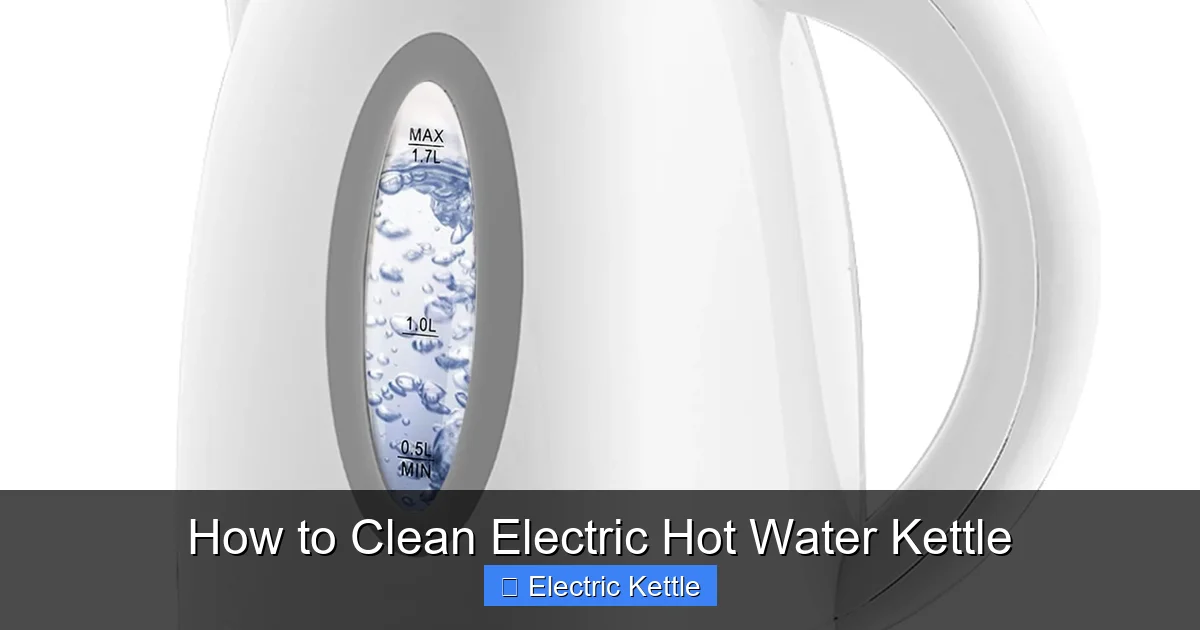
Visual guide about How to Clean Electric Hot Water Kettle
Image source: m.media-amazon.com
The harder your water, the faster limescale builds up. If you live in an area with particularly hard water—common in many parts of the U.S., the UK, and Australia—you might notice scaling after just a few weeks of use. Even in softer water regions, some mineral deposits can accumulate, especially if the kettle isn’t cleaned regularly. The problem isn’t just cosmetic: limescale acts as an insulator, reducing the kettle’s ability to transfer heat efficiently. This means longer boiling times, higher energy bills, and increased wear on the heating element.
Signs Your Kettle Needs Cleaning
How do you know it’s time to clean your electric hot water kettle? Look for these common signs:
- White or yellowish deposits: These are the most obvious indicators of limescale buildup, often seen around the spout, base, or heating coil.
- Slower boiling times: If your kettle takes noticeably longer to boil water than it used to, mineral buildup may be interfering with heat transfer.
- Unusual noises: A rattling or popping sound during heating can indicate that scale is trapping steam or causing uneven heating.
- Off tastes or odors: If your tea or coffee tastes metallic or slightly bitter, residue in the kettle could be the culprit.
- Reduced water flow: A clogged spout or filter can restrict water flow, making it harder to pour.
If you notice any of these signs, it’s time to give your kettle a thorough cleaning. The good news? Most electric kettles are designed to be easy to maintain, and with the right approach, you can restore them to like-new condition in under an hour.
Essential Tools and Ingredients for Cleaning
What You’ll Need
Before you start cleaning, gather these simple, affordable supplies. Most are already in your kitchen:
- White vinegar: A natural acid that dissolves limescale effectively. Look for distilled white vinegar with 5–10% acidity.
- Lemon juice: Another natural acid that works well for light to moderate scaling and leaves a fresh scent.
- Baking soda: Great for scrubbing tough spots and neutralizing odors.
- Soft sponge or brush: Use a non-abrasive sponge or a bottle brush to gently scrub interior surfaces.
- Microfiber cloth: For wiping down the exterior without scratching.
- Mild dish soap: For cleaning the outside and removable parts.
- Clean water: For rinsing and running test cycles.
Avoid using steel wool, harsh scrubbers, or abrasive cleaners, as these can scratch the interior lining—especially in kettles with non-stick or stainless steel coatings. Similarly, never use bleach or ammonia-based cleaners, as they can leave toxic residues that are dangerous when heated.
Optional but Helpful Tools
While not essential, these items can make the cleaning process easier:
- Kettle descaling solution: Commercial products are available and often more concentrated than vinegar, but they’re more expensive and not always necessary.
- Toothbrush: Useful for scrubbing around the spout, lid hinge, or filter area.
- Water filter: Using filtered water can reduce mineral content and slow future buildup.
- Scale remover tablets: Some brands offer effervescent tablets designed specifically for kettles—convenient but optional.
The best part? You don’t need to buy anything special. Vinegar and lemon juice are powerful, eco-friendly cleaners that work just as well—if not better—than many commercial products. Plus, they’re safe for you, your family, and the environment.
Step-by-Step Guide to Cleaning Your Electric Kettle
Method 1: Vinegar Descaling (Best for Heavy Buildup)
This is the most effective method for removing stubborn limescale. Here’s how to do it safely:
- Unplug the kettle and let it cool completely. Never clean a hot or recently used kettle—this prevents burns and protects the heating element.
- Mix equal parts white vinegar and water. Fill the kettle about halfway with this solution. For example, use 1 cup vinegar and 1 cup water.
- Let it sit for 30–60 minutes. The longer it sits, the more time the acid has to break down mineral deposits. For very heavy scaling, you can leave it overnight.
- Boil the vinegar solution. Plug in the kettle and bring the mixture to a boil. This helps accelerate the descaling process.
- Turn off and let it sit again for 15–20 minutes. This gives the vinegar more time to dissolve remaining scale.
- Scrub gently with a soft brush or sponge. Use a non-abrasive tool to remove any loosened deposits, especially around the heating element and spout.
- Empty the kettle and rinse thoroughly. Pour out the vinegar solution and rinse the interior several times with clean water.
- Run 2–3 cycles with fresh water. Fill the kettle with clean water, boil it, and pour it out. Repeat until there’s no vinegar smell or taste.
After cleaning, your kettle should look brighter, boil faster, and produce water that tastes clean and fresh.
Method 2: Lemon Juice Cleaning (Great for Light Scaling and Odors)
If your kettle has mild buildup or just needs a refresh, lemon juice is a gentle yet effective alternative:
- Cut a lemon in half and squeeze the juice into the kettle. Use about ½ to 1 whole lemon, depending on the size of your kettle.
- Add water to cover the bottom. Fill the kettle about one-third full with water.
- Let it sit for 30 minutes. The citric acid in lemon juice will begin breaking down mineral deposits.
- Boil the lemon water. Heat the mixture to a boil, then turn off the kettle.
- Allow it to cool and sit for another 15 minutes. This ensures maximum descaling action.
- Scrub and rinse. Use a soft sponge to wipe away any residue, then rinse thoroughly with clean water.
- Run 2–3 rinse cycles. Boil and discard clean water to remove any lemon scent or taste.
Lemon cleaning not only removes scale but also leaves your kettle smelling fresh—perfect if you’re sensitive to vinegar odors.
Method 3: Baking Soda Scrub (For Stains and Odors)
Baking soda is ideal for tackling stubborn stains, odors, or greasy residue—especially if your kettle is used for more than just water (like instant soups or hot chocolate):
- Make a paste with baking soda and water. Mix 2–3 tablespoons of baking soda with a small amount of water to form a thick paste.
- Apply the paste to problem areas. Use a soft cloth or sponge to gently scrub the interior, focusing on stained or discolored spots.
- Let it sit for 10–15 minutes. This allows the baking soda to break down organic residues.
- Rinse thoroughly. Pour out the paste and rinse the kettle multiple times with clean water.
- Boil clean water once. Run one cycle with fresh water to ensure all residue is removed.
This method is especially useful for kettles with plastic interiors or those that have developed a cloudy film from repeated use.
Cleaning the Exterior and Removable Parts
Wiping Down the Outside
While the interior gets the most attention, don’t forget the exterior. Over time, fingerprints, water spots, and dust can accumulate, making your kettle look dull or dirty. Here’s how to keep it looking new:
- Unplug the kettle and let it cool. Safety first—never clean a hot or plugged-in appliance.
- Dampen a microfiber cloth with warm water. Add a drop of mild dish soap if needed.
- Wipe the exterior gently. Avoid getting water into the base, control panel, or power cord. Pay special attention to the handle, lid, and spout.
- Dry with a clean, dry cloth. This prevents water spots and streaks, especially on stainless steel models.
For stainless steel kettles, you can use a specialized stainless steel cleaner or a mixture of water and vinegar (1:1) for a streak-free shine. Avoid abrasive pads or harsh chemicals that can scratch the surface.
Cleaning the Lid and Spout
The lid and spout are often overlooked but can harbor mold, mineral deposits, or food particles—especially if you use your kettle for more than water:
- Remove the lid if possible. Some kettles have detachable lids for easier cleaning.
- Wipe the inside of the lid with a damp cloth. Use a toothbrush to clean around hinges or crevices.
- Flush the spout with warm water. Tilt the kettle and pour water through the spout to dislodge any buildup.
- Use a pipe cleaner or small brush. For narrow spouts, a bottle brush or pipe cleaner can help remove hidden debris.
If your kettle has a built-in filter (common in many modern models), remove it and rinse it under running water. Soak it in vinegar if it’s clogged with scale.
Maintaining the Base and Power Cord
The base of your electric kettle contains electrical components and should never be submerged in water. To clean it safely:
- Wipe the base with a dry or slightly damp cloth. Never use liquids near the power cord or plug.
- Check for dust or debris. Use a dry toothbrush or compressed air to clean vents or crevices.
- Inspect the power cord. Look for fraying, cracks, or damage. If you notice any issues, stop using the kettle and consult the manufacturer.
Keeping the base clean ensures safe operation and prevents overheating or electrical issues.
Preventing Future Buildup and Maintaining Your Kettle
How Often Should You Clean?
The frequency of cleaning depends on your water hardness and usage:
- Soft water areas: Clean every 2–3 months.
- Moderate hardness: Clean monthly.
- Hard water areas: Clean every 2–4 weeks.
If you use your kettle daily or for multiple purposes (tea, coffee, soups), consider cleaning it more frequently. A quick vinegar rinse every few weeks can prevent major buildup.
Tips to Reduce Limescale
Prevention is always better than cure. Here are some simple habits to minimize future scaling:
- Use filtered water. A water filter reduces mineral content and extends time between cleanings.
- Empty the kettle after each use. Don’t let water sit overnight—this encourages mineral deposition.
- Wipe the interior dry occasionally. Use a clean cloth to remove moisture, especially if the kettle won’t be used for a while.
- Avoid overfilling. Fill only to the minimum and maximum markers to reduce contact with the heating element.
- Descale proactively. Even if you don’t see scale, run a vinegar cycle every month as a preventive measure.
These small changes can make a big difference in how long your kettle lasts and how well it performs.
When to Replace Your Kettle
No kettle lasts forever. Signs it’s time for a replacement include:
- Persistent scaling that doesn’t respond to cleaning.
- Cracks, leaks, or damage to the interior.
- Electrical issues like flickering lights or failure to heat.
- Rust or corrosion, especially around the heating element.
- Unusual smells or tastes that won’t go away after cleaning.
Most quality electric kettles last 3–5 years with proper care. If yours is older and showing signs of wear, it may be more cost-effective to replace it than to keep repairing it.
Conclusion
Learning how to clean electric hot water kettle is one of the simplest yet most impactful things you can do to maintain your kitchen appliances. A clean kettle doesn’t just look better—it works better, lasts longer, and ensures that every cup of tea or coffee tastes as good as it should. With just a few minutes of effort each month, you can prevent limescale, eliminate odors, and keep your kettle running efficiently for years.
Whether you choose vinegar, lemon juice, or baking soda, the key is consistency. Make cleaning part of your routine, and you’ll never have to deal with a sluggish, smelly, or inefficient kettle again. So the next time you boil water, take a moment to appreciate the clean, quiet hum of a well-maintained appliance—and enjoy your perfectly heated drink, every time.
Frequently Asked Questions
Can I use apple cider vinegar to clean my electric kettle?
While apple cider vinegar is acidic and can help with light cleaning, it’s not recommended for descaling. It contains additional compounds that can leave residue or odors. Stick to distilled white vinegar for best results.
Is it safe to boil vinegar in my kettle?
Yes, boiling vinegar is safe and effective for removing limescale. Just be sure to rinse the kettle thoroughly afterward to remove any vinegar taste or smell.
How do I clean a kettle with a non-stick interior?
Use only soft sponges and mild cleaners like vinegar or lemon juice. Avoid abrasive scrubbers or harsh chemicals that can damage the non-stick coating.
Can I clean my kettle in the dishwasher?
No, most electric kettles are not dishwasher-safe. The base contains electrical components that can be damaged by water. Clean only the removable parts by hand if applicable.
Why does my kettle still smell after cleaning?
This could be due to residual vinegar or lemon, or mold in hard-to-reach areas. Run 2–3 additional rinse cycles with clean water, and consider scrubbing the spout and lid more thoroughly.
How can I tell if my water is hard?
Signs of hard water include soap scum, white spots on dishes, and rapid limescale buildup in appliances. You can also test your water with a home hardness test kit or check your local water report online.