Keeping your electric kettle clean isn’t just about looks—it’s essential for performance, taste, and safety. Over time, mineral buildup and residue can affect heating efficiency and even impact the flavor of your tea or coffee. With a few simple techniques and common household ingredients, you can restore your kettle to like-new condition in minutes.
Key Takeaways
- Clean your electric kettle regularly: Aim for once a week if you use it daily, or at least once a month for occasional use.
- Use natural cleaning agents: White vinegar and lemon juice are effective, eco-friendly options that dissolve limescale without harsh chemicals.
- Never submerge the base: Only the kettle’s interior and removable parts should be cleaned—never immerse the electrical base in water.
- Rinse thoroughly after cleaning: Always run multiple cycles of clean water to remove any cleaning solution residue.
- Prevent buildup with filtered water: Using filtered or distilled water reduces mineral deposits and extends cleaning intervals.
- Check the manufacturer’s instructions: Some kettles have specific care guidelines—always follow them to avoid damage.
- Clean the exterior and spout: Wipe down the outside and clean the spout to prevent mold, grime, and bacteria growth.
📑 Table of Contents
Why Cleaning Your Electric Kettle Matters
You might not think much about your electric kettle after you’ve boiled water for your morning tea or instant noodles. But over time, that innocent-looking appliance can become a hidden source of problems. From strange odors to off-tasting water, a dirty kettle can quietly compromise your daily routine. More importantly, neglecting regular cleaning can shorten the lifespan of your kettle and even pose health risks.
Electric kettles are especially prone to mineral buildup, particularly if you live in an area with hard water. Hard water contains high levels of calcium and magnesium, which leave behind a chalky white residue known as limescale. This buildup doesn’t just look unappealing—it can insulate the heating element, making your kettle work harder and use more energy. In severe cases, it can cause overheating or even damage the internal components. Plus, leftover residue from tea, coffee, or other beverages can foster bacteria and mold, especially in the spout and lid areas.
Cleaning your electric kettle isn’t just a cosmetic fix. It’s a practical step that improves performance, ensures better-tasting water, and keeps your appliance running efficiently for years. The good news? It’s easier than you think. With a few simple ingredients you probably already have at home, you can keep your kettle sparkling clean without spending money on expensive cleaners or risking damage with abrasive tools.
When and How Often Should You Clean Your Electric Kettle?
The frequency of cleaning your electric kettle depends on how often you use it and the quality of your water. If you’re someone who boils water multiple times a day—say, for coffee, tea, or cooking—you should aim to clean your kettle at least once a week. For occasional users, a monthly deep clean is usually sufficient. However, if you notice visible limescale, a strange smell, or a change in water taste, don’t wait—clean it right away.
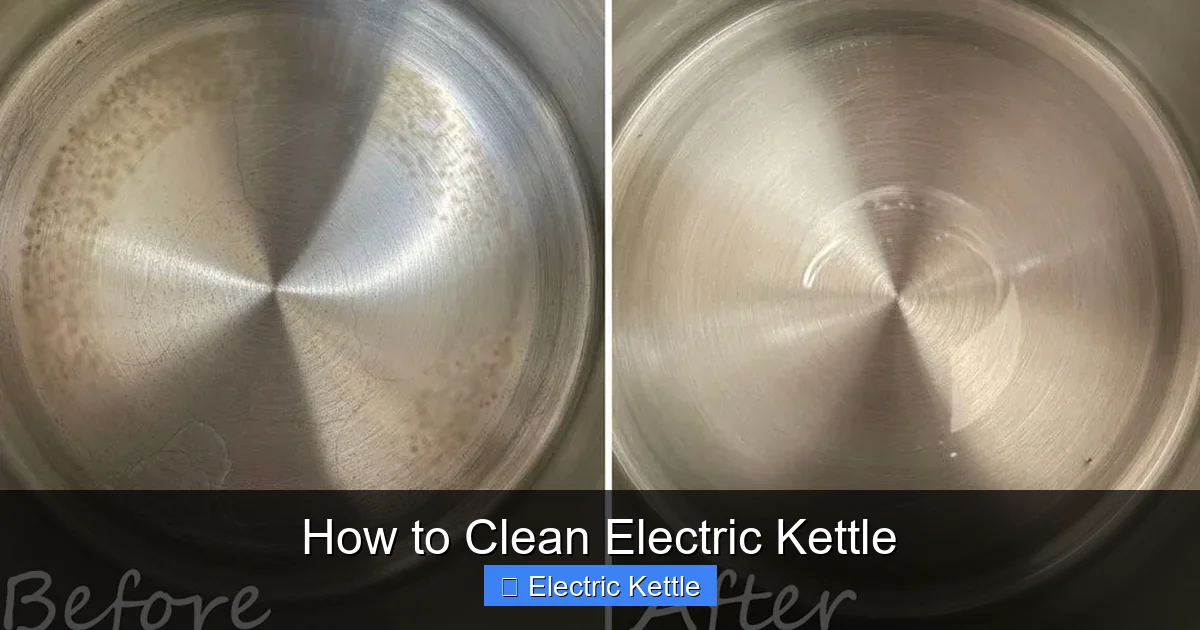
Visual guide about How to Clean Electric Kettle
Image source: everythingbetter.in
One easy way to tell if your kettle needs cleaning is to look inside. If you see a white or gray film coating the interior walls or the heating element, that’s limescale. You might also notice that your kettle takes longer to boil water than it used to, which is another sign of mineral buildup. Even if you don’t see visible residue, odors or a metallic taste in your water are red flags that it’s time for a clean.
Seasonal changes can also affect cleaning needs. For example, if you’ve been using your kettle heavily during the winter for hot drinks, you may need to clean it more often. Similarly, if you’ve recently moved to a new area with harder water, you might notice faster buildup. The key is to stay proactive. Regular maintenance prevents major buildup and keeps your kettle in top shape.
Signs Your Kettle Needs Immediate Cleaning
- White or chalky deposits inside the kettle
- Water takes longer to boil than usual
- Unusual odors when boiling water
- Off-tasting or metallic-flavored water
- Discoloration or stains on the heating element
- Residue or film floating in the water
By paying attention to these signs, you can address issues before they become serious. And remember, cleaning your kettle doesn’t have to be a chore. With the right approach, it can be quick, easy, and even a little satisfying.
Natural and Effective Cleaning Methods
When it comes to cleaning your electric kettle, you don’t need harsh chemicals or expensive products. In fact, some of the most effective cleaners are already in your kitchen. Natural ingredients like white vinegar, lemon juice, and baking soda are powerful, safe, and eco-friendly options that tackle limescale and odors without damaging your appliance.
White vinegar is one of the best choices for removing limescale. Its acetic acid content breaks down mineral deposits quickly and efficiently. Lemon juice works similarly, thanks to its citric acid, and it also leaves a fresh, clean scent. Baking soda, while milder, is great for scrubbing away stubborn stains and neutralizing odors. You can use these ingredients individually or combine them for extra cleaning power.
One popular method is the vinegar soak. Simply fill your kettle halfway with equal parts white vinegar and water, then let it sit for 30 minutes to an hour. For heavy buildup, you can boil the solution, let it sit for 15–20 minutes, then rinse thoroughly. The acid in the vinegar will dissolve the limescale, making it easy to wipe away. Afterward, run two or three cycles of clean water to ensure no vinegar taste remains.
Lemon juice is another excellent option, especially if you prefer a fresher scent. Cut a lemon in half, squeeze the juice into the kettle, and add water to cover the affected areas. Let it sit for an hour, or boil it for a deeper clean. The citric acid will break down the scale, and the natural fragrance will leave your kettle smelling great. Rinse well afterward.
For light cleaning or odor removal, baking soda can be used as a gentle abrasive. Mix a tablespoon of baking soda with water to form a paste, then use a soft cloth or sponge to scrub the interior. This works well for stains and residue without scratching the surface. Always rinse thoroughly after using baking soda to avoid any lingering taste.
These natural methods are not only effective but also safe for you and the environment. They’re also much gentler on your kettle’s materials than commercial descaling agents, which can sometimes contain harsh chemicals that degrade plastic or rubber components over time.
Step-by-Step: Vinegar Cleaning Method
- Unplug the kettle and let it cool completely.
- Fill the kettle halfway with equal parts white vinegar and water.
- Let it sit for 30–60 minutes, or boil the solution for tougher buildup.
- Use a soft brush or cloth to gently scrub away any remaining residue.
- Pour out the solution and rinse the kettle thoroughly.
- Fill the kettle with clean water, boil it, and discard the water. Repeat 2–3 times.
- Wipe the exterior with a damp cloth and dry completely.
This method works for most electric kettles and can be repeated weekly or as needed. Always ensure the kettle is completely cool before cleaning, and never submerge the base in water.
Cleaning Different Parts of the Electric Kettle
While the interior is the most critical area to clean, don’t forget the other parts of your electric kettle. The spout, lid, handle, and exterior all accumulate grime, bacteria, and residue over time. A thorough cleaning routine should address every component to ensure your kettle stays hygienic and functional.
Start with the spout, which is often overlooked but can harbor mold and bacteria. Moisture and leftover liquid create a perfect environment for microbial growth, especially if the kettle isn’t dried properly after use. Use a small brush—like a bottle brush or an old toothbrush—to scrub the inside and outside of the spout. For stubborn buildup, dip the brush in vinegar or lemon juice before scrubbing.
The lid is another area that needs attention. If your kettle has a removable lid, take it off and wash it separately with warm, soapy water. Pay special attention to the hinge and seal areas, where dirt and mineral deposits can accumulate. If the lid isn’t removable, use a damp cloth or cotton swab to clean around the edges and under the rim. Avoid getting water into any electrical components.
The handle and exterior should be wiped down regularly with a damp cloth. Use a mild detergent or a mixture of water and vinegar to remove fingerprints, grease, and dust. For stainless steel kettles, a microfiber cloth works best to avoid scratches. Avoid abrasive sponges or harsh cleaners, as they can damage the finish.
If your kettle has a removable filter (common in models with built-in strainers), take it out and clean it separately. Rinse it under warm water and use a soft brush to remove any trapped particles. Soak it in vinegar if there’s visible buildup. Let it dry completely before reinserting.
Finally, don’t forget the base. While you should never submerge the electrical base in water, you can wipe it down with a slightly damp cloth. Make sure it’s unplugged and completely dry before use. Check the power cord and plug for dust or damage, and store the kettle in a dry place when not in use.
Tips for Cleaning Hard-to-Reach Areas
- Use a cotton swab dipped in vinegar to clean around the lid seal.
- A toothbrush works well for scrubbing the spout and filter.
- For narrow openings, try a pipe cleaner or flexible brush.
- Always dry all parts thoroughly before reassembling.
- Store the kettle with the lid open to prevent moisture buildup.
By cleaning every part of your kettle, you ensure a more hygienic and efficient appliance. It also helps prevent odors and extends the life of your kettle.
Preventing Limescale and Buildup
Cleaning your electric kettle is important, but prevention is even better. By taking a few simple steps, you can reduce the frequency of deep cleans and keep your kettle in great condition with minimal effort. The biggest culprit behind limescale is hard water, so addressing water quality is the first step.
Using filtered water is one of the most effective ways to prevent mineral buildup. A simple water filter pitcher or a faucet-mounted filter can significantly reduce calcium and magnesium levels in your water. If you have extremely hard water, consider using distilled water for boiling. While it’s more expensive, it virtually eliminates limescale and is ideal for kettles used frequently.
Another preventive measure is to empty your kettle after each use. Leaving water sitting in the kettle, especially overnight, allows minerals to settle and form deposits. After boiling, pour out any unused water and let the kettle air dry with the lid open. This simple habit can make a big difference over time.
Regular light cleaning also helps. Even if you don’t see visible buildup, running a quick vinegar or lemon rinse once a week can prevent minor deposits from turning into major problems. This is especially useful if you use your kettle daily.
If you live in an area with very hard water, consider using a descaling product designed for kettles. These are usually safe and effective, but always check the manufacturer’s recommendations. Avoid using abrasive cleaners or steel wool, as they can scratch the interior and create spots where bacteria can grow.
Finally, keep your kettle in a clean, dry environment. Avoid placing it near the stove or sink, where steam and splashes can contribute to residue buildup. Store it on a clean countertop and wipe it down regularly to maintain its appearance and performance.
Water Quality and Kettle Longevity
The quality of your water has a direct impact on your kettle’s lifespan. Hard water accelerates wear and tear, while soft or filtered water helps maintain efficiency. If you’re unsure about your water hardness, you can purchase a test kit online or contact your local water utility for a report. Knowing your water type helps you choose the best cleaning and prevention strategies.
Common Mistakes to Avoid When Cleaning
Even with the best intentions, it’s easy to make mistakes when cleaning your electric kettle. Some common errors can damage the appliance or reduce its effectiveness. Being aware of these pitfalls can help you clean safely and efficiently.
One of the biggest mistakes is submerging the base in water. The electrical components are not waterproof, and exposure to liquid can cause short circuits or permanent damage. Always unplug the kettle and clean only the removable parts or interior. Use a damp cloth for the exterior and base, but never soak them.
Another error is using abrasive tools like steel wool or harsh scrubbing pads. These can scratch the interior surface, creating grooves where bacteria and minerals can accumulate. Stick to soft cloths, sponges, or brushes designed for non-stick surfaces.
Skipping the rinse step is also a common oversight. After using vinegar or lemon, it’s essential to run multiple cycles of clean water to remove all traces of acid. Residual vinegar can affect the taste of your water and, over time, may corrode certain materials.
Some people assume that boiling water alone will clean the kettle. While boiling can kill some bacteria, it won’t remove limescale or residue. You still need to use a cleaning agent for effective descaling.
Finally, ignoring the manufacturer’s instructions can lead to problems. Some kettles have specific care guidelines, such as avoiding certain cleaners or limiting soak times. Always check the user manual before cleaning.
Quick Dos and Don’ts
- Do: Use natural cleaners like vinegar or lemon.
- Do: Rinse thoroughly after cleaning.
- Do: Clean the spout and lid regularly.
- Don’t: Submerge the base in water.
- Don’t: Use abrasive scrubbers or steel wool.
- Don’t: Skip the rinse step.
Conclusion
Cleaning your electric kettle might not be the most exciting task, but it’s one of the simplest ways to protect your health, improve your daily beverages, and extend the life of your appliance. With just a few minutes of effort each week, you can prevent limescale, eliminate odors, and ensure your kettle performs at its best.
Remember, the key is consistency. Regular maintenance beats occasional deep cleans every time. Use natural ingredients like vinegar and lemon, avoid common mistakes, and pay attention to all parts of the kettle—not just the interior. By making cleaning a habit, you’ll enjoy better-tasting water, faster boiling times, and a cleaner, safer kitchen.
So the next time you reach for your kettle, take a moment to give it the care it deserves. Your tea, coffee, and taste buds will thank you.
Frequently Asked Questions
Can I use bleach to clean my electric kettle?
No, you should never use bleach to clean your electric kettle. Bleach is too harsh and can leave toxic residues that are unsafe to ingest. Stick to natural cleaners like vinegar or lemon juice for safe and effective results.
How do I remove stubborn limescale from the heating element?
For tough limescale on the heating element, use a vinegar soak. Fill the kettle with equal parts vinegar and water, let it sit for an hour, then scrub gently with a soft brush. Boiling the solution can help loosen heavy buildup.
Is it safe to clean my kettle with baking soda?
Yes, baking soda is safe and effective for light cleaning and odor removal. Mix it with water to form a paste and use a soft cloth to scrub the interior. Always rinse thoroughly afterward to avoid any taste.
Can I clean my electric kettle in the dishwasher?
Most electric kettles should not be cleaned in the dishwasher, especially the base. Only removable parts like the lid or filter may be dishwasher-safe—check your user manual. The electrical components can be damaged by water and heat.
How often should I descale my electric kettle?
Descale your kettle once a week if you use it daily, or once a month for occasional use. If you have hard water, you may need to clean it more frequently. Look for signs like slow boiling or white deposits.
Will cleaning my kettle improve the taste of my water?
Yes, cleaning removes mineral buildup and residue that can affect water taste. A clean kettle ensures fresher, better-tasting tea, coffee, and other hot beverages.