Keeping your electric kettle clean isn’t just about looks—it’s essential for taste, performance, and safety. Regular cleaning removes limescale, bacteria, and residue that can affect your water quality and appliance lifespan. With a few simple steps, you can maintain a sparkling, efficient kettle for years.
Key Takeaways
- Clean your electric kettle every 2–4 weeks to prevent limescale buildup and maintain water purity.
- Vinegar is the most effective natural cleaner for dissolving mineral deposits without harsh chemicals.
- Never submerge the base or heating element in water—wipe only with a damp cloth to avoid damage.
- Rinse thoroughly after cleaning to eliminate any cleaning solution taste or residue.
- Use filtered water when possible to reduce mineral buildup and extend cleaning intervals.
- Avoid abrasive scrubbers or steel wool on the interior, as they can scratch surfaces and harbor bacteria.
- Regular maintenance improves heating efficiency and extends the life of your electric kettle.
📑 Table of Contents
- Why Cleaning Your Electric Kettle Matters
- What You’ll Need to Clean Your Electric Kettle
- Step-by-Step Guide: How to Clean Electric Kettle with Vinegar
- Alternative Cleaning Methods for Your Electric Kettle
- How Often Should You Clean Your Electric Kettle?
- Common Mistakes to Avoid When Cleaning Your Electric Kettle
- Tips for Maintaining a Clean Electric Kettle
- Conclusion: A Clean Kettle Means Better-Tasting Water
Why Cleaning Your Electric Kettle Matters
You probably use your electric kettle daily—maybe multiple times a day. Whether it’s for your morning coffee, afternoon tea, or instant oatmeal, that little appliance works hard. But have you ever stopped to think about what’s building up inside? Over time, minerals from tap water—especially calcium and magnesium—form a chalky, white crust called limescale. This isn’t just unsightly; it can actually affect how your kettle performs.
Limescale buildup acts like an insulator, making your kettle work harder and take longer to heat water. That means higher energy bills and slower mornings. Worse, if left unchecked, the scale can flake off into your water, affecting the taste of your beverages. In some cases, bacteria and mold can grow in hidden crevices, especially around the lid seal or spout. Cleaning your electric kettle regularly isn’t just about hygiene—it’s about efficiency, safety, and flavor.
Think of it like changing the oil in your car. You wouldn’t skip that, right? The same logic applies here. A clean kettle delivers better-tasting water, heats faster, and lasts longer. Plus, it’s surprisingly easy to do. With just a few household items and 15 minutes of your time, you can keep your kettle in top shape. Let’s dive into the best ways to clean your electric kettle—step by step.
What You’ll Need to Clean Your Electric Kettle
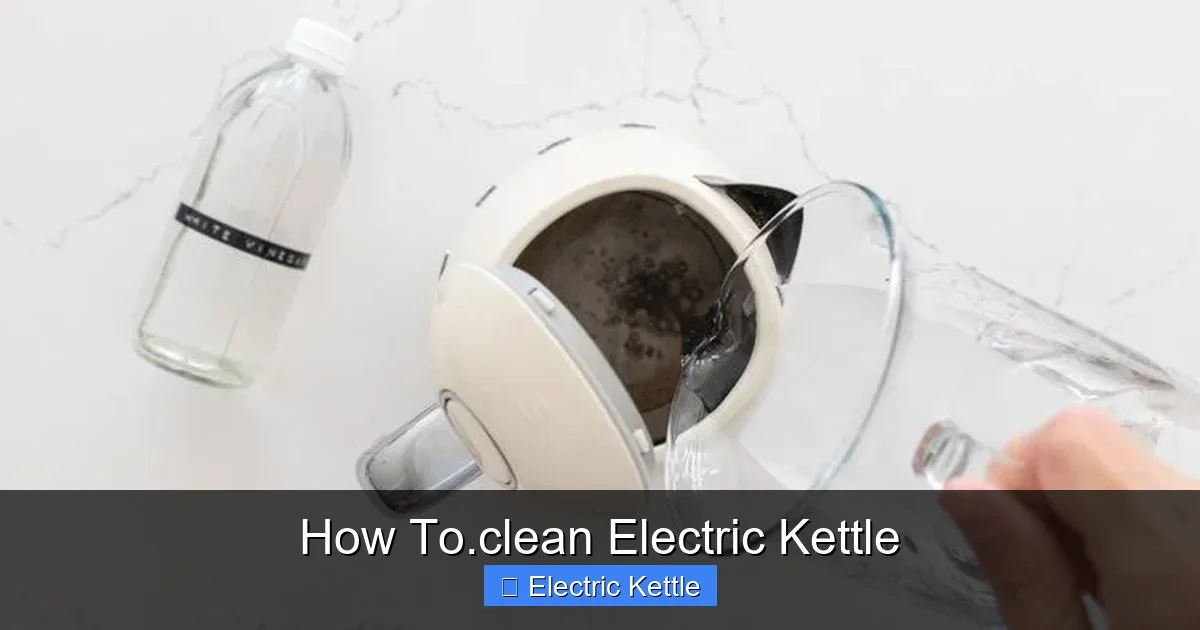
Visual guide about How To.clean Electric Kettle
Image source: thespruce.com
Before you start scrubbing, gather your supplies. The good news? You likely already have everything you need at home. No need for expensive cleaners or specialty tools. Here’s a quick checklist of what works best:
- White vinegar – This is the MVP of kettle cleaning. Its acidity breaks down limescale naturally and safely.
- Water – Plain old tap or filtered water to dilute the vinegar and rinse the kettle.
- Lemon juice – A natural alternative to vinegar, especially if you prefer a fresher scent.
- Baking soda – Great for scrubbing tough spots or neutralizing odors.
- Soft sponge or cloth – Avoid anything abrasive that could scratch the interior.
- Toothbrush (optional) – Perfect for reaching tight spots like the spout or lid hinge.
- Microfiber cloth – For drying and polishing the exterior.
You don’t need all of these every time—just pick what works for your cleaning method. For example, vinegar and water are enough for routine cleaning, while baking soda and a toothbrush come in handy for deep cleans. Avoid commercial descaling solutions unless absolutely necessary. Many contain harsh chemicals that can leave behind residues or require multiple rinses. Natural methods are not only safer but often just as effective.
Step-by-Step Guide: How to Clean Electric Kettle with Vinegar
The vinegar method is the gold standard for cleaning electric kettles. It’s simple, affordable, and highly effective at removing limescale. Here’s how to do it safely and thoroughly.
Step 1: Mix the Cleaning Solution
Start by filling your kettle about halfway with equal parts white vinegar and water. For example, if your kettle holds 1.5 liters, use 375ml of vinegar and 375ml of water. This ratio is strong enough to dissolve mineral deposits but gentle enough not to damage the kettle’s interior. If your kettle has heavy buildup, you can use straight vinegar, but always dilute it afterward to avoid overpowering the flavor.
Step 2: Let It Sit
Once the solution is in, let it sit for at least 30 minutes. For severe limescale, leave it overnight. The longer it sits, the more time the vinegar has to break down the hard deposits. You’ll start to see bubbles forming—that’s the vinegar reacting with the minerals. This is a good sign! It means the cleaning process is working.
Step 3: Boil the Solution
After soaking, plug in your kettle and bring the vinegar solution to a boil. This step helps loosen stubborn scale and ensures the entire interior gets treated. Once it reaches a rolling boil, turn off the kettle and let it cool for another 15–20 minutes. The heat accelerates the reaction, making the scale easier to remove.
Step 4: Scrub and Rinse
Pour out the vinegar solution—don’t drink it! Use a soft sponge or cloth to gently scrub the inside. For tough spots, dip a toothbrush in the vinegar solution and work it into the crevices. Pay special attention to the heating element (if visible) and the spout, where scale often accumulates. Then, rinse the kettle thoroughly with clean water—at least three times—to remove all traces of vinegar. Any leftover residue can affect the taste of your next cup of tea.
Step 5: Final Rinse and Dry
Fill the kettle with fresh water, boil it once more, and pour it out. This final rinse ensures no vinegar taste remains. Wipe the exterior with a damp microfiber cloth and dry it completely before storing or using. And that’s it! Your kettle should look shiny and smell fresh.
Alternative Cleaning Methods for Your Electric Kettle
While vinegar is the most popular choice, it’s not the only option. Some people prefer alternatives due to scent, availability, or personal preference. Here are a few other effective methods.
Lemon Juice Method
Lemon juice is another natural acid that works wonders on limescale. It has a fresher scent than vinegar and leaves a pleasant citrus aroma. To use it, cut a lemon in half and squeeze the juice into your kettle. Add enough water to cover the bottom, then let it sit for 30 minutes to an hour. Boil the mixture, let it cool, scrub gently, and rinse thoroughly. For extra cleaning power, you can add the lemon rinds to the solution—they help scrub as they boil.
Baking Soda Paste for Stubborn Stains
If your kettle has dark stains or odors, baking soda can help. Make a thick paste by mixing baking soda with a little water. Apply it to the stained areas using a soft cloth or sponge. Let it sit for 15–20 minutes, then scrub gently. Baking soda is mildly abrasive, so it lifts stains without scratching. Rinse well afterward. This method is great for the exterior or the rim of the kettle, where coffee or tea residue can build up.
Commercial Descalers: When to Use Them
There are commercial descaling products designed specifically for kettles and coffee makers. These can be useful if you have extremely hard water or haven’t cleaned your kettle in months. Follow the instructions carefully—most require dilution and multiple rinses. While effective, they’re usually more expensive and less eco-friendly than vinegar or lemon. Use them sparingly and only when natural methods aren’t enough.
Prevention: Using Filtered Water
One of the best ways to reduce cleaning frequency is to use filtered water. Water filters remove minerals like calcium and magnesium, which cause limescale. If you live in an area with hard water, consider investing in a water filter pitcher or a faucet-mounted filter. Not only will your kettle stay cleaner longer, but your drinking water will taste better too.
How Often Should You Clean Your Electric Kettle?
The frequency of cleaning depends on how often you use your kettle and the hardness of your water. As a general rule:
- Light use (1–2 times per week): Clean every 4–6 weeks.
- Moderate use (daily): Clean every 2–4 weeks.
- Heavy use (multiple times per day): Clean weekly.
If you notice a white film, reduced heating speed, or a change in water taste, it’s time to clean—no matter the schedule. Hard water areas (like parts of the Midwest or Southwest in the U.S.) may require more frequent cleaning. You can test your water hardness with a home kit or check local water reports online.
Setting a reminder on your phone or calendar can help you stay on track. For example, mark “Clean Kettle” on the first Sunday of every month. Consistency is key. Regular maintenance prevents major buildup and keeps your kettle running smoothly.
Common Mistakes to Avoid When Cleaning Your Electric Kettle
Even simple tasks can go wrong if you’re not careful. Here are some common pitfalls and how to avoid them.
Submerging the Base or Electrical Parts
Never, ever submerge the base of your electric kettle in water. The heating element, cord, and electrical components are not waterproof. Doing so can cause short circuits, damage the appliance, or even create a safety hazard. Always unplug the kettle before cleaning and only wipe the base with a damp cloth. If water gets inside, let it dry completely before plugging it back in.
Using Harsh or Abrasive Cleaners
Avoid steel wool, scouring pads, or strong chemical cleaners. These can scratch the interior surface, especially if your kettle has a stainless steel or non-stick coating. Scratches create tiny crevices where bacteria and scale can hide, making future cleaning harder. Stick to soft sponges, cloths, and natural cleaners.
Not Rinsing Thoroughly
After using vinegar or lemon, it’s crucial to rinse the kettle multiple times. Any leftover acid can affect the taste of your water and potentially irritate your stomach if consumed regularly. Always do a final boil with fresh water to ensure purity.
Ignoring the Exterior and Lid
Don’t forget the outside! Wipe down the handle, lid, and base regularly to remove fingerprints, dust, and spills. Use a mild soap solution if needed, but avoid getting water into the lid’s seal or hinge. A clean exterior not only looks better but also prevents grime from entering the kettle when you open it.
Skipping Regular Maintenance
Some people only clean their kettle when it looks dirty. But by then, limescale may already be affecting performance. Make cleaning part of your routine—like washing dishes or cleaning the coffee maker. A little effort now saves time and money later.
Tips for Maintaining a Clean Electric Kettle
Cleaning doesn’t have to be a chore. With a few smart habits, you can keep your kettle in great condition with minimal effort.
Wipe It Down After Each Use
After boiling water, take 30 seconds to wipe the interior with a clean cloth. This removes any residual moisture and prevents mineral spots from forming. It’s especially helpful if you use hard water.
Empty the Kettle When Not in Use
Don’t leave water sitting in the kettle for days. Stagnant water encourages bacterial growth and accelerates limescale formation. Empty it after each use, especially overnight.
Check the Spout and Lid Regularly
Food particles, tea leaves, or mineral deposits can clog the spout or get stuck under the lid. Use a toothbrush to clean these areas weekly. A clogged spout affects pouring and can lead to spills.
Store It Properly
Keep your kettle in a dry, cool place. Avoid stacking heavy items on top, which can damage the lid or handle. If you have a cord, wrap it neatly to prevent tangling.
Replace When Necessary
Even with the best care, electric kettles don’t last forever. Most last 3–5 years with regular use. If you notice rust, persistent odors, or the heating element failing, it’s time for a replacement. Look for models with removable lids and easy-to-clean interiors.
Conclusion: A Clean Kettle Means Better-Tasting Water
Cleaning your electric kettle might not be the most exciting task, but it’s one of the simplest ways to improve your daily routine. A clean kettle heats faster, uses less energy, and delivers purer, better-tasting water. Whether you use vinegar, lemon, or baking soda, the process is quick, safe, and effective.
By making cleaning a regular habit, you’ll extend the life of your appliance and enjoy fresher beverages every time. Plus, you’ll avoid the frustration of dealing with heavy limescale or funky odors down the line. So next time you boil water for tea, take a moment to appreciate your clean, well-maintained kettle. It’s working hard for you—give it a little love in return.
Frequently Asked Questions
Can I use apple cider vinegar to clean my electric kettle?
While apple cider vinegar is acidic and can break down limescale, it’s not ideal for cleaning kettles. It has a stronger smell and may leave a residue that’s harder to rinse out. Stick to white vinegar for the best results.
Is it safe to drink water after cleaning with vinegar?
Yes, as long as you rinse the kettle thoroughly. Boil and discard at least two full kettles of water after cleaning to ensure no vinegar taste remains. Once rinsed, the water is completely safe to drink.
How do I clean the outside of my electric kettle?
Wipe the exterior with a damp microfiber cloth and a mild soap solution if needed. Avoid abrasive cleaners or soaking the base. Dry immediately to prevent water spots or damage.
Can I clean my electric kettle with bleach?
No, never use bleach to clean your kettle. It’s too harsh and can leave toxic residues. Stick to natural cleaners like vinegar or lemon juice, which are safe and effective.
Why does my kettle still smell after cleaning?
This could be due to trapped moisture, bacteria in the lid seal, or leftover cleaning solution. Try boiling a mixture of water and baking soda, then rinse thoroughly. Ensure the kettle is completely dry before storing.
How do I clean a kettle with a hidden heating element?
The process is the same—use vinegar or lemon solution, let it soak, boil, and rinse. Since you can’t see the element, focus on the interior walls and spout. Regular cleaning prevents buildup around the hidden parts.