Cleaning your electric kettle before first use is essential for safety, taste, and performance. Residue from manufacturing can affect water quality, so a proper cleaning ensures a fresh, clean start. Follow these easy steps to prepare your kettle for daily use.
Key Takeaways
- Always clean before first use: New kettles may contain dust, oils, or manufacturing residues that can affect taste and safety.
- Use vinegar or lemon for deep cleaning: Natural acids dissolve mineral buildup and remove odors effectively.
- Rinse thoroughly after cleaning: Multiple rinses ensure no cleaning solution remains in the kettle.
- Boil water once before drinking: Discard the first few boils to flush out any lingering impurities.
- Check the manufacturer’s instructions: Some kettles have specific cleaning guidelines to avoid damage.
- Maintain regularly for best results: Clean your kettle monthly to prevent scale buildup and extend its life.
- Never submerge the base: Only the interior should be cleaned; the electrical base must stay dry.
📑 Table of Contents
- Why Cleaning Your Electric Kettle Before First Use Matters
- What You’ll Need to Clean Your Electric Kettle
- Step-by-Step Guide to Cleaning Your Electric Kettle Before First Use
- Alternative Cleaning Methods
- What to Avoid When Cleaning Your Electric Kettle
- Maintaining Your Kettle After the First Use
- Final Thoughts: A Clean Kettle Means Better-Tasting Water
Why Cleaning Your Electric Kettle Before First Use Matters
So, you just unboxed your brand-new electric kettle—congratulations! It looks sleek, heats up fast, and promises to make your morning coffee or tea ritual a breeze. But before you hit that power button and pour in the water, there’s one crucial step you shouldn’t skip: cleaning your electric kettle before first use.
You might be thinking, “It’s new—how dirty could it be?” The truth is, even brand-new appliances can carry invisible residues from the factory. During manufacturing, assembly, and shipping, kettles can accumulate dust, machine oils, plastic particles, or protective coatings. These aren’t harmful in small amounts, but they can affect the taste of your water, leave an odd smell, or even pose a minor health risk if ingested regularly. Plus, no one wants their first cup of tea to taste like “factory fresh.”
Cleaning your electric kettle before first use ensures that you’re starting with a clean slate—literally. It removes any contaminants, eliminates unpleasant odors, and helps your kettle perform at its best from day one. Think of it like washing a new water bottle or coffee mug before using it. It’s a simple habit that makes a big difference in taste, safety, and longevity.
The Hidden Dangers of Skipping the First Clean
While it might seem like overkill, skipping the initial cleaning can lead to a few subtle but annoying issues. For example, you might notice a plastic or metallic aftertaste in your water, especially if the kettle has a stainless steel or plastic interior. This isn’t dangerous, but it’s definitely not enjoyable—especially when you’re sipping your favorite herbal tea or brewing a delicate green tea that deserves pure, clean water.
In some cases, residual oils from the manufacturing process can create a thin film on the water’s surface or leave a faint odor when the kettle heats up. This is more common in kettles with plastic components or those that were stored in non-ideal conditions during shipping. Over time, these residues can build up and become harder to remove, leading to persistent odors or discoloration inside the kettle.
Another concern is mineral buildup. Even if your water is relatively soft, the first few uses without cleaning can accelerate scale formation, especially if the kettle has any leftover particles that react with minerals in the water. This buildup not only affects performance—making the kettle slower to heat—but can also harbor bacteria if not cleaned properly.
By taking just 10–15 minutes to clean your electric kettle before first use, you’re investing in better-tasting beverages, a longer-lasting appliance, and peace of mind. It’s a small step with big rewards.
What You’ll Need to Clean Your Electric Kettle
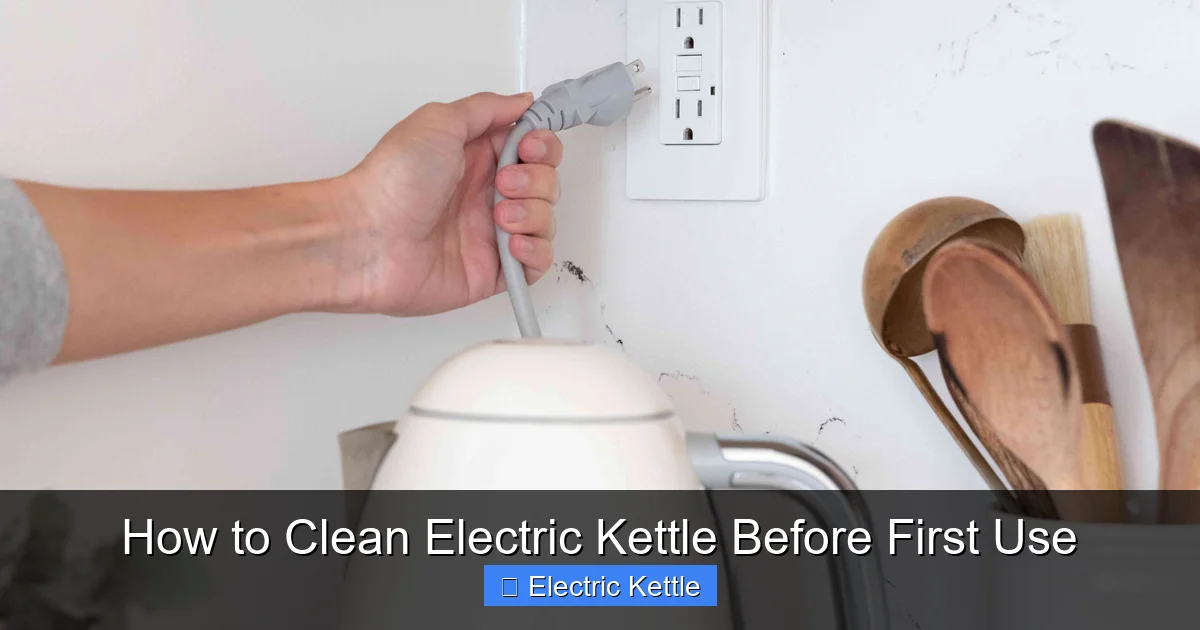
Visual guide about How to Clean Electric Kettle Before First Use
Image source: thespruce.com
The good news? Cleaning your electric kettle before first use doesn’t require fancy tools or expensive cleaning products. In fact, you probably already have everything you need at home. The key is using safe, effective ingredients that won’t damage the kettle or leave behind harmful chemicals.
Here’s a simple list of what you’ll need:
– White vinegar (distilled is best) or fresh lemon juice
– Clean water (preferably filtered)
– A soft sponge or cloth (non-abrasive)
– A measuring cup or jug
– Optional: baking soda (for extra scrubbing power)
White vinegar is a powerhouse when it comes to cleaning. Its natural acidity breaks down mineral deposits, cuts through grease, and eliminates odors. Lemon juice works similarly and adds a fresh, citrusy scent. Both are safe, eco-friendly, and won’t harm the interior of your kettle.
Avoid using harsh chemicals like bleach, ammonia, or commercial descalers unless specifically recommended by the manufacturer. These can leave toxic residues or damage the kettle’s interior lining, especially if it’s made of plastic or has a non-stick coating.
You’ll also want to make sure your cleaning tools are gentle. A soft sponge or microfiber cloth is ideal for wiping down the exterior and interior surfaces. Avoid steel wool or abrasive scrubbers, as they can scratch stainless steel or damage plastic components.
Optional Tools for Extra Cleaning Power
If you’re dealing with a particularly stubborn residue or want to go the extra mile, you can add a few optional items to your cleaning kit:
– Baking soda: Mix with water to form a paste for scrubbing tough spots.
– Toothbrush: Great for reaching small crevices around the spout or lid.
– Rubber gloves: Protect your hands if you’re sensitive to vinegar or lemon.
– Kettle cleaning tablets: Some brands offer specialized tablets designed for electric kettles—check your user manual to see if they’re recommended.
While these aren’t necessary for a first-time clean, they can be helpful for maintenance down the line. For now, stick with vinegar or lemon and water—they’re more than enough to get your kettle sparkling clean.
Step-by-Step Guide to Cleaning Your Electric Kettle Before First Use
Now that you know why it’s important and what tools to use, let’s walk through the actual cleaning process. This step-by-step guide will ensure your electric kettle is safe, clean, and ready for its first boil.
Step 1: Unbox and Inspect Your Kettle
Before you start cleaning, take a moment to unbox your kettle and inspect it thoroughly. Check for any visible dust, stickers, or packaging materials inside the kettle or around the base. Remove any protective films or stickers from the exterior.
Look closely at the interior—especially the heating element (if visible) and the spout. If you see any loose particles, wipe them out with a dry cloth. This initial inspection helps you spot any obvious contaminants that need extra attention.
Step 2: Prepare the Cleaning Solution
For most electric kettles, a simple vinegar-and-water solution works best. Here’s how to mix it:
– Fill the kettle halfway with clean water.
– Add an equal amount of white vinegar. For example, if your kettle holds 1 liter, use 500ml water and 500ml vinegar.
– If you prefer a natural scent, you can substitute vinegar with fresh lemon juice—use the juice of one whole lemon per liter of water.
Stir gently to mix (if needed), but don’t worry if it’s not perfectly blended—the boiling process will do the work.
Step 3: Boil the Cleaning Solution
Place the kettle on its base and plug it in. Turn it on and let it boil the vinegar-water mixture. Allow it to boil for about 5–10 minutes. You’ll likely notice a strong vinegar smell—this is normal and will dissipate after rinsing.
The heat helps the vinegar penetrate and break down any residues, oils, or manufacturing byproducts. If your kettle has a visible heating element, you may see some bubbling or discoloration—this is the vinegar doing its job.
Step 4: Let It Sit and Soak
Once the kettle has boiled, turn it off and unplug it. Let the solution sit inside for at least 30 minutes—or even up to an hour for a deeper clean. This soaking time allows the vinegar to dissolve any stubborn buildup and neutralize odors.
If you’re in a hurry, 15–20 minutes is still effective, but longer soaking yields better results. For kettles with heavy residue, you can repeat this step once more.
Step 5: Scrub the Interior (If Needed)
After soaking, pour out the vinegar solution. Use a soft sponge or cloth to gently wipe the interior of the kettle. Pay special attention to the bottom, around the heating element, and the spout—these areas tend to collect the most residue.
If you notice any sticky spots or discoloration, dip your sponge in a bit of baking soda paste (mix 1 tablespoon baking soda with a few drops of water) and gently scrub. Avoid using too much pressure, especially on plastic interiors.
Step 6: Rinse Thoroughly
This step is critical. Rinse the kettle at least 3–4 times with clean water. Fill it up, swish the water around, and pour it out. Repeat until there’s no trace of vinegar smell or taste.
You can also boil a full kettle of clean water once or twice and discard it. This helps flush out any remaining vinegar and ensures your kettle is completely clean.
Step 7: Wipe the Exterior
While the interior is soaking, take a damp cloth and wipe down the exterior of the kettle. Pay attention to the handle, lid, and base. Avoid getting water into the electrical components or the base unit.
For stainless steel kettles, you can use a bit of vinegar on the cloth to remove fingerprints and restore shine. For plastic exteriors, a mild soap solution works well—just make sure to rinse and dry thoroughly.
Step 8: Dry and Air Out
Once everything is rinsed and wiped, leave the kettle open to air dry completely. This prevents moisture buildup, which can lead to mold or mildew—especially in humid environments.
Let it sit for at least an hour, or overnight if possible. Make sure both the interior and exterior are completely dry before storing or using.
Alternative Cleaning Methods
While vinegar and lemon are the most popular choices, there are a few alternative methods you can use to clean your electric kettle before first use—especially if you’re sensitive to vinegar smells or prefer other natural cleaners.
Using Baking Soda
Baking soda is a gentle abrasive that works well for scrubbing and deodorizing. To use it:
– Mix 1–2 tablespoons of baking soda with a small amount of water to form a paste.
– Apply the paste to the interior of the kettle, especially around the heating element and spout.
– Let it sit for 15–20 minutes, then scrub gently with a soft sponge.
– Rinse thoroughly with water.
Baking soda is less acidic than vinegar, so it’s a good option if you’re concerned about strong smells. However, it’s not as effective at dissolving mineral buildup, so it’s best used in combination with vinegar or for light cleaning.
Using Commercial Descalers
Some manufacturers recommend using commercial descaling solutions, especially for kettles used in hard water areas. These products are specifically formulated to remove limescale and are often safer for delicate interiors.
Always check your user manual before using a commercial cleaner. Follow the instructions carefully—most require dilution and a specific soaking time. After use, rinse the kettle thoroughly to remove any chemical residues.
Using Citric Acid
Citric acid is another natural cleaner that’s highly effective at breaking down mineral deposits. It’s often used in eco-friendly cleaning products and is safe for most kettle materials.
To use citric acid:
– Dissolve 1–2 tablespoons of citric acid powder in a liter of warm water.
– Pour the solution into the kettle and let it sit for 30–60 minutes.
– Boil the solution for 5–10 minutes, then rinse thoroughly.
Citric acid has a mild citrus scent and leaves no aftertaste, making it a great alternative to vinegar.
What to Avoid When Cleaning Your Electric Kettle
While cleaning your electric kettle is important, it’s equally important to avoid certain practices that could damage the appliance or compromise your safety.
Never Submerge the Base
The base of your electric kettle contains electrical components and should never be submerged in water or cleaned with liquid. Wipe it down with a damp cloth only, and make sure it’s completely dry before plugging it in.
Submerging the base can cause short circuits, damage the heating element, or even pose a fire hazard. Always unplug the kettle before cleaning and keep the base dry.
Don’t Use Abrasive Cleaners or Tools
Avoid using steel wool, harsh scrub brushes, or abrasive cleaners like scouring powders. These can scratch the interior surface, especially on stainless steel or plastic kettles, creating grooves where bacteria and residue can accumulate.
Stick to soft sponges, cloths, or non-abrasive brushes. If you need extra scrubbing power, use a baking soda paste or a soft toothbrush for tight spots.
Skip the Dishwasher
Most electric kettles are not dishwasher-safe. The high heat and strong detergents can damage the interior lining, warp plastic components, or degrade seals and gaskets.
Even if your kettle has a removable lid or filter, it’s best to hand-wash all parts. Check the manufacturer’s instructions to confirm.
Don’t Use Bleach or Harsh Chemicals
Bleach, ammonia, and other strong chemicals can leave toxic residues that are difficult to rinse out. These residues can mix with hot water and be ingested, posing health risks.
Stick to natural cleaners like vinegar, lemon, or baking soda. They’re effective, safe, and won’t harm your kettle or your health.
Avoid Overfilling During Cleaning
When boiling a cleaning solution, don’t fill the kettle beyond the maximum fill line. Overfilling can cause the solution to boil over, potentially damaging the base or creating a mess.
Always leave some space at the top to allow for expansion during boiling.
Maintaining Your Kettle After the First Use
Cleaning your electric kettle before first use is just the beginning. To keep it performing well and tasting great, regular maintenance is key.
Monthly Deep Cleaning
Even with regular use, mineral deposits can build up over time—especially if you live in an area with hard water. To prevent this, deep clean your kettle once a month using the vinegar or lemon method described above.
This simple routine will keep your kettle free of scale, improve heating efficiency, and extend its lifespan.
Rinse After Each Use
After boiling water, pour out any remaining water and rinse the interior with clean water. This prevents mineral buildup and keeps the kettle fresh.
If you notice any residue or discoloration, give it a quick wipe with a damp cloth.
Descale When Needed
If you notice your kettle is taking longer to heat up, or you see white or chalky deposits inside, it’s time to descale. Use vinegar, citric acid, or a commercial descaler to remove the buildup.
Regular descaling ensures optimal performance and prevents damage to the heating element.
Store Properly
When not in use, store your kettle in a dry, cool place with the lid open. This allows air to circulate and prevents moisture buildup, which can lead to mold or odors.
Avoid stacking heavy items on top of the kettle, as this can damage the lid or handle.
Final Thoughts: A Clean Kettle Means Better-Tasting Water
Cleaning your electric kettle before first use might seem like a small step, but it’s one of the most important things you can do to ensure a great experience with your new appliance. It removes contaminants, improves taste, and sets the foundation for long-term performance.
By following these simple steps—using vinegar or lemon, rinsing thoroughly, and avoiding common mistakes—you’ll enjoy cleaner, better-tasting water from day one. And with regular maintenance, your kettle will keep performing like new for years to come.
So, before you brew that first cup of tea or coffee, take a few minutes to give your kettle the clean start it deserves. Your taste buds—and your kettle—will thank you.
Frequently Asked Questions
Do I really need to clean a new electric kettle before using it?
Yes, it’s highly recommended. New kettles can contain dust, oils, or manufacturing residues that may affect taste or safety. Cleaning ensures a fresh, clean start.
Can I use soap to clean the inside of my electric kettle?
It’s not recommended. Soap can leave a residue that’s hard to rinse out and may affect the taste of your water. Use vinegar or lemon instead for a safe, effective clean.
How long should I let the vinegar solution soak in the kettle?
Let it soak for at least 30 minutes, or up to an hour for a deeper clean. This allows the vinegar to break down residues and odors effectively.
Is it safe to drink water after cleaning with vinegar?
Yes, as long as you rinse the kettle thoroughly. Boil and discard 1–2 kettles of clean water after cleaning to ensure no vinegar taste remains.
Can I clean the base of the electric kettle with water?
No, never submerge or wet the base. It contains electrical components. Wipe it with a damp cloth only and ensure it’s dry before use.
How often should I clean my electric kettle after the first use?
Deep clean it once a month to prevent mineral buildup. Rinse after each use and descale when you notice slower heating or visible scale.