Electric kettles often develop limescale buildup, which affects taste, performance, and longevity. This guide shows you safe, proven ways to clean electric kettle limescale using household ingredients like vinegar and lemon.
If you’ve noticed a chalky white or gray film inside your electric kettle, you’re not alone. That’s limescale—mineral deposits left behind when hard water is heated. Over time, this buildup can affect how your kettle performs, slow down heating, and even alter the taste of your tea or coffee. The good news? Cleaning electric kettle limescale is easier than you think, and you probably already have everything you need at home.
Electric kettles are one of the most convenient kitchen appliances we use daily. Whether it’s for morning coffee, instant noodles, or a soothing cup of herbal tea, we rely on them to heat water quickly and efficiently. But because they’re constantly exposed to water—especially hard water rich in calcium and magnesium—they’re prone to limescale accumulation. If left unchecked, this crusty residue can reduce heating efficiency, shorten the lifespan of your kettle, and even harbor bacteria in hard-to-reach spots. That’s why regular cleaning isn’t just about aesthetics—it’s about maintaining performance and hygiene.
In this guide, we’ll walk you through the best, safest, and most effective ways to clean electric kettle limescale using common household items. From vinegar and lemon to baking soda and commercial descalers, we’ll cover every method so you can choose what works best for your lifestyle. We’ll also share tips on preventing future buildup and maintaining your kettle for years of reliable use. Whether you’re dealing with a light film or a thick layer of scale, these steps will have your kettle looking and working like new.
Key Takeaways
- Use white vinegar: A 1:1 vinegar-water solution effectively dissolves limescale without damaging your kettle.
- Lemon juice works too: Natural citric acid in lemons breaks down mineral deposits and leaves a fresh scent.
- Baking soda for light buildup: Ideal for gentle scrubbing and deodorizing, especially on stainless steel interiors.
- Boil and soak method: Boiling the cleaning solution loosens stubborn scale; soaking ensures deep cleaning.
- Regular maintenance prevents buildup: Clean your kettle every 2–4 weeks depending on water hardness.
- Avoid harsh chemicals: Bleach or abrasive cleaners can damage the kettle and leave harmful residues.
- Rinse thoroughly: Always rinse multiple times after cleaning to remove any lingering taste or odor.
📑 Table of Contents
- What Is Limescale and Why Does It Form?
- Signs Your Electric Kettle Needs Cleaning
- How to Clean Electric Kettle Limescale with Vinegar
- How to Clean Electric Kettle Limescale with Lemon
- How to Clean Electric Kettle Limescale with Baking Soda
- Using Commercial Descalers and When to Choose Them
- Preventing Limescale Buildup in Your Electric Kettle
- Conclusion
What Is Limescale and Why Does It Form?
Limescale is a hard, chalky deposit made up primarily of calcium carbonate and magnesium carbonate. It forms when hard water—water that contains high levels of dissolved minerals—is heated. As the water evaporates or boils, these minerals are left behind, gradually building up on the heating element, interior walls, and spout of your electric kettle.
Hard water is common in many regions, especially those with limestone or chalk bedrock. If you notice white spots on your dishes, soap scum in your shower, or reduced water pressure in your faucets, you likely have hard water. The same minerals that cause these issues are responsible for limescale in your kettle.
When limescale builds up, it acts as an insulator. This means your kettle has to work harder and longer to heat water, which can increase energy consumption and reduce efficiency. In severe cases, thick layers of scale can even cause overheating or damage the heating element, leading to premature failure. Additionally, limescale can trap bacteria and affect the taste of your beverages, giving them a slightly metallic or bitter flavor.
Understanding why limescale forms is the first step in preventing and managing it. While you can’t eliminate hard water entirely without a whole-house water softener, you can take simple steps to reduce its impact on your appliances. Regular cleaning, using filtered water, and descaling your kettle every few weeks can go a long way in keeping it in top condition.
Signs Your Electric Kettle Needs Cleaning
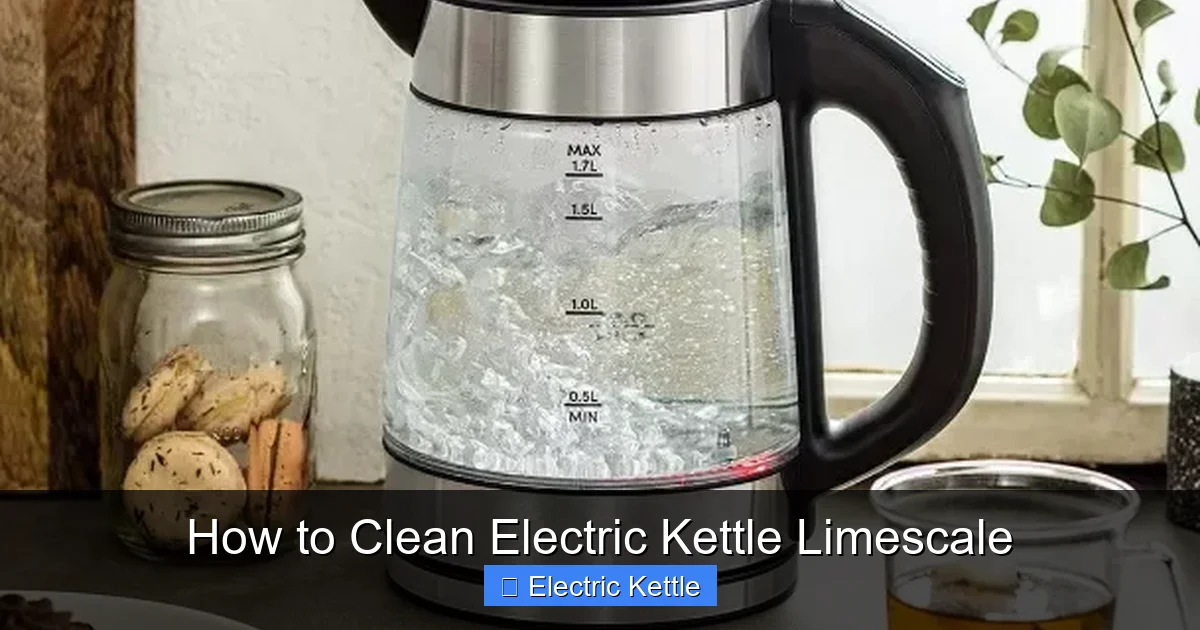
Visual guide about How to Clean Electric Kettle Limescale
Image source: irrorwxhiqijjr5q.ldycdn.com
You don’t need to wait until your kettle looks like a science experiment to clean it. There are several telltale signs that limescale is building up and it’s time for a deep clean.
One of the most obvious signs is visible residue. If you see a white, gray, or yellowish crust along the bottom or sides of your kettle—especially around the heating element—it’s a clear indicator of limescale. This buildup often starts thin and flaky but can grow into thick, rocky layers over time.
Another sign is longer boiling times. If your kettle used to boil water in under three minutes but now takes five or more, limescale could be insulating the heating element and reducing efficiency. You might also notice that the water doesn’t get as hot as it used to, even when the kettle indicates it’s done.
Changes in taste are another red flag. If your tea or coffee starts to taste off—slightly metallic, chalky, or bitter—it could be due to minerals leaching from the limescale into your water. This is especially noticeable with delicate teas or light roasts that have subtle flavor profiles.
Unusual noises during heating, such as popping, crackling, or sizzling, can also indicate limescale buildup. These sounds occur when water gets trapped under the scale and rapidly turns to steam, causing small explosions. While not immediately dangerous, they’re a sign that your kettle is under stress and needs attention.
Finally, if you notice water spots or residue around the spout or lid, it could mean that mineral-rich water is splashing out during boiling and drying on the exterior. This not only looks unsightly but can also attract dust and grime.
If you spot any of these signs, it’s time to clean your electric kettle. The sooner you address limescale, the easier it is to remove and the less damage it will cause.
How to Clean Electric Kettle Limescale with Vinegar
White vinegar is one of the most effective and affordable solutions for cleaning electric kettle limescale. Its acetic acid content naturally dissolves mineral deposits without damaging the kettle’s interior. Plus, it’s safe, non-toxic, and leaves no harmful residues when used correctly.
Step-by-Step Vinegar Cleaning Method
Start by mixing equal parts white vinegar and water. For most kettles, a 1:1 ratio works best—so if your kettle holds 1 liter, use 500ml of vinegar and 500ml of water. Pour the mixture into the kettle, making sure it covers the areas with limescale, especially the heating element.
Next, plug in the kettle and bring the solution to a boil. Once it reaches a rolling boil, turn it off and let it sit for at least 30 minutes. For heavy buildup, you can leave it overnight. The longer it soaks, the more effective it will be at breaking down the scale.
After soaking, pour out the vinegar solution and scrub the interior gently with a soft sponge or brush. Avoid using steel wool or abrasive pads, as they can scratch the surface. For stubborn spots, use a non-abrasive scrubbing pad or an old toothbrush to reach tight corners.
Once you’ve scrubbed away the loosened scale, rinse the kettle thoroughly with clean water—at least three times—to remove any vinegar taste or odor. You can also fill the kettle with fresh water, boil it once, and pour it out to ensure all traces of vinegar are gone.
Finally, wipe the exterior with a damp cloth and dry it completely before using it again. Your kettle should now be free of limescale and ready to use.
Tips for Best Results
For extra cleaning power, add a tablespoon of baking soda to the vinegar solution. The reaction between the two creates a fizzing action that helps lift off tough deposits. Just be cautious—this mixture can foam up, so don’t overfill the kettle.
If your kettle has a removable limescale filter or mesh screen in the spout, take it out and soak it separately in vinegar. Use a toothpick or small brush to clean out any trapped debris.
Always check your kettle’s manufacturer guidelines before using vinegar. While it’s safe for most models, some high-end or coated interiors may require gentler methods.
How to Clean Electric Kettle Limescale with Lemon
Lemon juice is another natural and effective way to clean electric kettle limescale. Like vinegar, it contains citric acid, which breaks down mineral deposits. Plus, it leaves behind a fresh, citrusy scent that many people prefer over vinegar’s sharp odor.
Step-by-Step Lemon Cleaning Method
Start by cutting a fresh lemon in half and squeezing the juice into your kettle. For a standard 1-liter kettle, use the juice of one whole lemon. You can also add the lemon halves to the kettle for extra acidity and scrubbing action.
Fill the kettle with water, making sure the lemon juice is well diluted. A good rule of thumb is one lemon per liter of water. Plug in the kettle and bring the mixture to a boil. Once boiling, turn it off and let it sit for 30 minutes to an hour. The citric acid will work to dissolve the limescale during this time.
After soaking, pour out the lemon water and scrub the interior with a soft sponge. The lemon halves can be used to gently rub away stubborn spots—their texture acts as a mild abrasive. Rinse the kettle thoroughly with clean water, then boil a full kettle of fresh water and discard it to remove any lingering lemon taste.
For best results, repeat the process if limescale remains. Lemon is slightly milder than vinegar, so it may take more than one treatment for heavy buildup.
Why Lemon Works Well
Lemon is especially effective for light to moderate limescale and is a great alternative if you’re sensitive to vinegar’s smell. It’s also safe for most kettle materials, including stainless steel and glass. Plus, it’s eco-friendly and biodegradable.
One bonus? Lemon can help remove odors from your kettle, especially if you’ve been boiling flavored teas or soups. The natural fragrance leaves your kettle smelling clean and fresh.
How to Clean Electric Kettle Limescale with Baking Soda
Baking soda (sodium bicarbonate) is a gentle yet powerful cleaner that’s ideal for light limescale and regular maintenance. It’s non-abrasive, safe for most surfaces, and helps deodorize your kettle.
Step-by-Step Baking Soda Cleaning Method
Start by mixing 1–2 tablespoons of baking soda with a small amount of water to form a thick paste. Use a soft sponge or cloth to apply the paste directly to the areas with limescale. Gently scrub in circular motions, focusing on the heating element and interior walls.
For deeper cleaning, fill the kettle with water and add 1–2 tablespoons of baking soda. Boil the solution, then let it sit for 15–20 minutes. The heat helps activate the baking soda and loosen mineral deposits.
After soaking, pour out the water and scrub again with the paste or a damp sponge. Rinse thoroughly with clean water, then boil a fresh batch of water and discard it to ensure no baking soda residue remains.
When to Use Baking Soda
Baking soda is best for light buildup or as part of a regular cleaning routine. It’s not as strong as vinegar or lemon for heavy limescale, but it’s excellent for maintenance and preventing scale from forming in the first place.
It’s also a great option if you’re concerned about taste or odor, as baking soda is nearly odorless and leaves no strong aftertaste when rinsed properly.
Using Commercial Descalers and When to Choose Them
While natural methods work well for most people, commercial descalers can be a convenient and powerful alternative—especially for heavy limescale or frequent use.
How Commercial Descalers Work
Most electric kettle descalers are made with food-safe acids like citric acid, phosphoric acid, or lactic acid. They’re specifically formulated to dissolve mineral deposits quickly and safely. Many come in powder or tablet form and require minimal effort—just add to water, boil, and rinse.
Popular Descaler Brands
Brands like Durgol, Urnex, and Finish offer descaling products designed for kettles and coffee makers. These products are often more concentrated than household ingredients, so a little goes a long way. They’re also tested for safety and compatibility with various materials.
Pros and Cons of Commercial Descalers
The main advantage is convenience. Descalers are fast, effective, and require less scrubbing. They’re also great for people who don’t like the smell of vinegar or lemon.
However, they can be more expensive over time, and some contain chemicals that require careful handling. Always follow the instructions and rinse thoroughly to avoid ingestion.
For most households, natural methods are sufficient. But if you live in an area with very hard water or use your kettle multiple times a day, a commercial descaler might be worth the investment.
Preventing Limescale Buildup in Your Electric Kettle
Cleaning limescale is important, but preventing it is even better. With a few simple habits, you can reduce buildup and extend the life of your kettle.
Use Filtered or Softened Water
The easiest way to prevent limescale is to use water with lower mineral content. Filtered water from a pitcher or under-sink system can significantly reduce calcium and magnesium levels. If you have a water softener, using softened water in your kettle is even better.
Empty the Kettle After Use
Don’t let water sit in your kettle for long periods. Residual water evaporates and leaves behind minerals. After each use, pour out any remaining water and leave the lid open to air dry.
Clean Regularly
Even if you don’t see limescale, clean your kettle every 2–4 weeks. Regular maintenance prevents buildup from becoming a problem. Set a reminder on your phone or calendar to stay on track.
Wipe Down the Exterior
Mineral-rich water can splash onto the outside of your kettle during boiling. Wipe it down with a damp cloth after each use to prevent spots and stains.
Consider a Kettle with a Filter
Some electric kettles come with built-in limescale filters in the spout. These catch particles before they enter your cup and can be removed and cleaned easily. If you live in a hard water area, this feature is worth considering when buying a new kettle.
Conclusion
Cleaning electric kettle limescale doesn’t have to be a chore. With simple ingredients like vinegar, lemon, and baking soda, you can keep your kettle running efficiently and your beverages tasting great. Regular maintenance not only improves performance but also extends the life of your appliance.
Whether you choose natural methods or opt for a commercial descaler, the key is consistency. Clean your kettle every few weeks, use filtered water when possible, and always rinse thoroughly after cleaning. By taking these small steps, you’ll enjoy faster boiling times, better-tasting drinks, and a longer-lasting kettle.
Remember, a clean kettle is a happy kettle—and a happy you. So the next time you see that chalky film, don’t panic. Grab a lemon or a bottle of vinegar, and get cleaning. Your future self (and your morning coffee) will thank you.
Frequently Asked Questions
Can I use apple cider vinegar to clean my electric kettle?
Yes, but white vinegar is preferred. Apple cider vinegar works similarly due to its acidity, but it can leave a stronger odor and may stain light-colored interiors. Rinse thoroughly if you use it.
How often should I clean my electric kettle?
Clean your kettle every 2–4 weeks, depending on water hardness and usage. If you use it daily with hard water, aim for every 2 weeks. For soft water or occasional use, monthly cleaning is sufficient.
Is it safe to drink water after cleaning with vinegar?
Yes, as long as you rinse the kettle thoroughly. Boil and discard a full kettle of fresh water after cleaning to ensure no vinegar taste remains. The acetic acid breaks down and evaporates during boiling.
Can limescale damage my electric kettle?
Yes, over time. Limescale insulates the heating element, causing overheating, reduced efficiency, and potential damage. In severe cases, it can lead to kettle failure or safety hazards.
What if my kettle has a non-stick coating?
Avoid abrasive scrubbers and harsh chemicals. Use vinegar or lemon with a soft sponge, and never use steel wool. Check the manufacturer’s guidelines for specific cleaning recommendations.
Can I clean the exterior of my kettle with vinegar?
Yes, but dilute it first. Mix 1 part vinegar with 2 parts water and wipe with a soft cloth. Avoid getting vinegar on electrical components or the base. Dry thoroughly after cleaning.