Keeping your electric kettle clean is essential for great-tasting water and long-lasting performance. Reddit users share tried-and-true methods using vinegar, baking soda, and lemon to remove limescale and odors effectively.
If you’ve ever poured yourself a cup of tea only to notice a weird taste or see chalky white flakes floating in your water, you’re not alone. That’s limescale—mineral buildup from hard water—and it’s one of the most common issues electric kettle owners face. Over time, this crusty residue doesn’t just affect flavor; it can also reduce your kettle’s heating efficiency and shorten its lifespan. The good news? Cleaning your electric kettle is surprisingly simple, especially when you follow the wisdom shared by real users on platforms like Reddit.
Reddit has become a goldmine for practical, no-nonsense advice on everyday problems—and cleaning electric kettles is no exception. From seasoned homeowners to college students living in dorms, thousands of users have shared their go-to methods for keeping kettles spotless and functional. What stands out most in these discussions is the overwhelming preference for natural, affordable solutions over commercial cleaners. Whether it’s a quick vinegar soak or a lemon juice rinse, these techniques are not only effective but also safe for your appliance and your health. In this guide, we’ll dive deep into the most popular and proven methods recommended by the Reddit community, so you can keep your kettle sparkling clean with minimal effort.
Key Takeaways
- Regular cleaning prevents limescale buildup: Hard water leaves mineral deposits that affect taste and heating efficiency—clean your kettle every 2–4 weeks.
- Vinegar is the #1 Reddit-recommended cleaner: A 50/50 mix of white vinegar and water dissolves stubborn scale without harsh chemicals.
- Lemon juice offers a fresh alternative: Natural acidity breaks down deposits and leaves a pleasant scent—ideal for those avoiding vinegar’s smell.
- Baking soda works for light stains and odors: Great for scrubbing the exterior or tackling mild interior buildup when combined with water.
- Never submerge the base or heating element: Only the removable parts (like lids or filters) should be washed by hand to avoid electrical damage.
- Descale based on usage and water hardness: Frequent users in hard-water areas may need monthly cleaning, while others can go longer.
- Rinse thoroughly after cleaning: Always run 2–3 cycles of clean water to remove any residual taste or cleaning solution.
📑 Table of Contents
- Why Cleaning Your Electric Kettle Matters
- The #1 Reddit-Recommended Method: Vinegar Soak
- Lemon Juice: A Natural and Fragrant Alternative
- Baking Soda for Stubborn Stains and Odors
- Commercial Descalers: When to Use Them
- Preventing Limescale Buildup: Tips from the Community
- Common Mistakes to Avoid
- Conclusion
Why Cleaning Your Electric Kettle Matters
You might think your kettle looks fine on the outside—shiny, modern, and ready to boil. But what’s happening inside tells a different story. Every time you heat water, especially if you live in an area with hard water (high in calcium and magnesium), minerals are left behind. These deposits gradually build up on the heating element and interior walls, forming a hard, white crust known as limescale.
This isn’t just an aesthetic issue. Limescale acts as an insulator, forcing your kettle to work harder and use more energy to heat water. Over time, this can lead to longer boiling times, higher electricity bills, and even premature failure of the heating element. Worse yet, those mineral flakes can end up in your morning coffee or afternoon tea, giving your drinks a chalky or metallic taste.
But the problems don’t stop there. Stagnant water and mineral buildup can also create a breeding ground for bacteria and mold, especially if you frequently leave water sitting in the kettle. Even if you don’t see visible growth, odors can develop—think “stale” or “metallic” smells that linger no matter how much you rinse. Regular cleaning eliminates these risks, ensuring your water tastes fresh and your kettle operates at peak performance.
Reddit users consistently emphasize that prevention is easier than cure. “I used to ignore my kettle until it started making weird noises,” says u/CoffeeLover2023. “Now I clean it every two weeks, and it’s like new.” Another user, u/MinimalistHome, adds: “I didn’t realize how much better my tea tasted until I descaled my kettle. It’s a game-changer.” These testimonials highlight a simple truth: a clean kettle isn’t just about hygiene—it’s about enhancing your daily routine.
The #1 Reddit-Recommended Method: Vinegar Soak
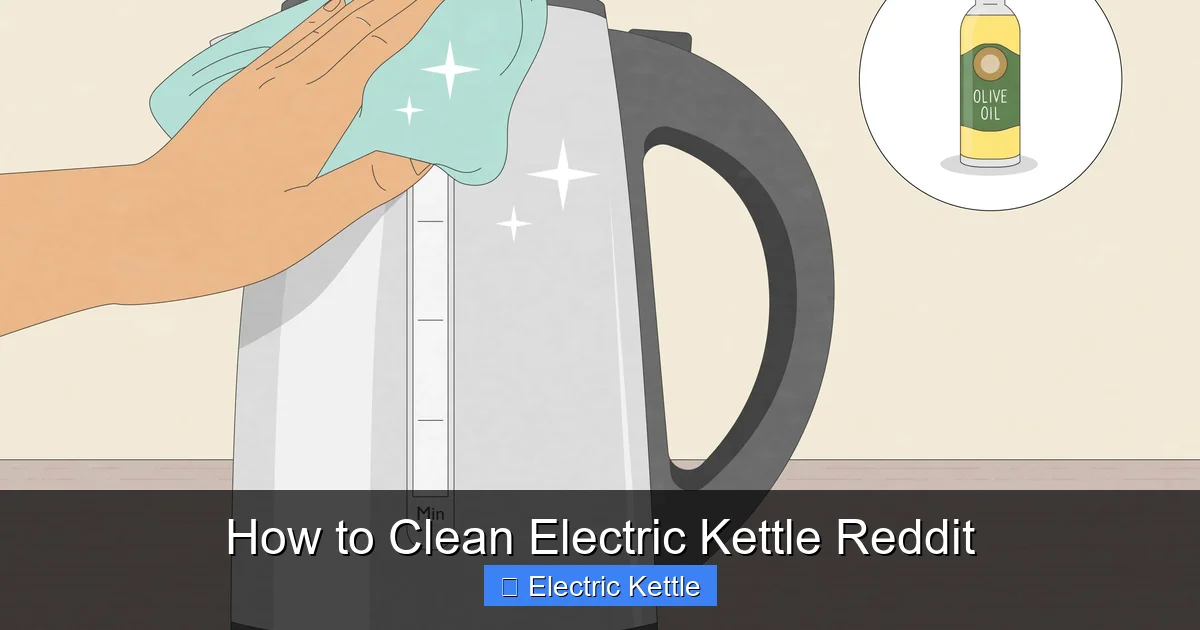
Visual guide about How to Clean Electric Kettle Reddit
Image source: wikihow.com
When it comes to cleaning electric kettles, white vinegar reigns supreme on Reddit. It’s affordable, widely available, and incredibly effective at dissolving limescale without the need for scrubbing or harsh chemicals. The acetic acid in vinegar reacts with calcium carbonate (the main component of limescale), breaking it down into water-soluble compounds that can be easily rinsed away.
How to Use Vinegar to Clean Your Kettle
Start by mixing equal parts white vinegar and water—typically 1 cup of each for a standard 1-liter kettle. Pour the solution into the kettle, making sure it covers the affected areas, especially the heating element at the bottom. If your kettle has heavy buildup, you can increase the vinegar ratio to 2:1 (vinegar to water).
Next, let the mixture sit for at least 30 minutes. For severe limescale, leave it overnight. During this time, the vinegar will work its magic, loosening the mineral deposits. After soaking, bring the solution to a boil. This step helps accelerate the reaction and ensures the vinegar reaches all interior surfaces.
Once boiled, turn off the kettle and let it cool for 10–15 minutes. Then, pour out the vinegar solution and rinse the kettle thoroughly with clean water. You may need to rinse 2–3 times to remove any lingering vinegar smell. Finally, fill the kettle with fresh water, boil it once more, and discard the water. This final rinse ensures no vinegar taste remains in your next cup of tea or coffee.
Tips from Reddit Users
Redditors have shared several pro tips to maximize the vinegar method’s effectiveness. u/TeaTimeTips suggests adding a tablespoon of salt to the vinegar solution: “The salt acts as a mild abrasive and helps scrub away stubborn spots when you swirl the liquid around.” Another user, u/GreenCleaner, recommends using a soft sponge or bottle brush to gently wipe the interior after soaking: “Don’t scrub too hard—most of the scale will come off on its own.”
One common concern is the vinegar smell. While it fades after rinsing, some users recommend boiling a slice of lemon or a few mint leaves in fresh water afterward to leave a fresh scent. “It’s like a natural air freshener for your kettle,” says u/FreshStartDaily.
Lemon Juice: A Natural and Fragrant Alternative
If the smell of vinegar isn’t your thing, lemon juice is the next best thing—and it’s a favorite among Reddit’s eco-conscious crowd. Like vinegar, lemon juice contains citric acid, which effectively breaks down limescale. But it also leaves behind a clean, citrusy aroma that many find more pleasant.
How to Clean with Lemon Juice
Cut a fresh lemon in half and squeeze the juice directly into your kettle—about 1/4 to 1/2 cup should do. Add enough water to fill the kettle halfway, then bring the mixture to a boil. Let it simmer for 5–10 minutes, then turn off the heat and allow it to cool for 20–30 minutes.
After cooling, pour out the lemon water and rinse the kettle thoroughly. For extra cleaning power, you can use the lemon rinds to gently scrub the interior. The texture of the rind acts as a natural scrubber, helping to dislodge any remaining scale.
One Reddit user, u/CitrusClean, shared a clever hack: “I freeze lemon slices in ice cube trays with a bit of water. When my kettle needs cleaning, I just drop in a few cubes and boil. Super easy and smells amazing!”
Why Lemon Juice Works So Well
Citric acid is a powerful chelating agent, meaning it binds to metal ions like calcium and magnesium, making them easier to dissolve and rinse away. This makes lemon juice particularly effective for light to moderate limescale. It’s also food-safe, non-toxic, and biodegradable—perfect for those who prefer natural cleaning solutions.
However, lemon juice may not be as strong as vinegar for heavy buildup. If your kettle has thick, crusty deposits, you might need to combine it with vinegar or repeat the process a few times. Still, for regular maintenance, lemon juice is a refreshing and effective option.
Baking Soda for Stubborn Stains and Odors
While vinegar and lemon juice target limescale, baking soda shines when it comes to tackling odors, grease, and light surface stains. It’s mildly abrasive, alkaline, and excellent at neutralizing acids—making it a versatile cleaner for both the interior and exterior of your kettle.
Using Baking Soda for Interior Cleaning
For mild buildup or lingering smells, mix 1–2 tablespoons of baking soda with a small amount of water to form a paste. Use a soft cloth or sponge to gently scrub the inside of the kettle, focusing on stained areas or the rim where residue tends to accumulate. Avoid using abrasive scrubbers that could scratch the surface.
After scrubbing, fill the kettle with water, add another tablespoon of baking soda, and bring it to a boil. Let it simmer for 5 minutes, then turn off the heat and let it cool. Rinse thoroughly with clean water.
Cleaning the Exterior and Base
Baking soda is also great for cleaning the outside of your kettle. Dampen a cloth with water, dip it in baking soda, and wipe down the exterior to remove fingerprints, water spots, or grease. For stainless steel kettles, this method helps restore shine without scratching.
Never submerge the base or electrical components in water. Instead, use a damp cloth with a bit of baking soda to wipe the exterior base and cord. Always unplug the kettle before cleaning and ensure it’s completely dry before use.
Reddit’s Take on Baking Soda
Many Reddit users swear by baking soda for maintaining a fresh-smelling kettle. u/OdorFreeHome says, “I used to get a weird plastic smell from my kettle, but baking soda fixed it in one go.” Others recommend combining baking soda with vinegar for a fizzy, deep-cleaning reaction—though this should only be done in a well-ventilated area and rinsed immediately to avoid residue.
Commercial Descalers: When to Use Them
While natural methods are preferred by most Reddit users, there are times when a commercial descaler might be necessary—especially for heavy limescale or hard-to-reach areas. These products are specifically formulated to dissolve mineral deposits quickly and are often used in coffee machines and kettles.
Popular Commercial Options
Brands like Durgol, Urnex, and De’Longhi offer descaling solutions that are safe for electric kettles. They typically come in liquid or powder form and are used by mixing with water and running through a boil cycle, similar to vinegar.
One advantage of commercial descalers is their speed. Many work in under 15 minutes, making them ideal for busy households. They’re also often odorless and leave no aftertaste when used correctly.
Reddit’s Balanced View
While some users rely on commercial products, others caution against overuse. u/EcoWarrior warns, “I tried a strong descaler once and it left a chemical taste. Now I stick to vinegar unless it’s really bad.” Another user, u/TechClean, notes, “Commercial cleaners work fast, but they’re more expensive and not always eco-friendly.”
The consensus? Use commercial descalers sparingly—only when natural methods aren’t enough—and always follow the manufacturer’s instructions carefully.
Preventing Limescale Buildup: Tips from the Community
Cleaning your kettle is one thing, but preventing buildup in the first place is even better. Reddit users have shared several smart habits to keep limescale at bay.
Use Filtered Water
The simplest way to reduce mineral deposits is to use filtered or distilled water. This removes much of the calcium and magnesium that cause limescale. u/PureWaterFan says, “Switching to filtered water cut my cleaning frequency in half.”
Empty the Kettle After Use
Leaving water sitting in the kettle encourages mineral buildup. Always empty it after boiling, especially if you don’t use it daily. “I used to leave water overnight,” says u/DormLife101. “Now I empty it right away, and my kettle stays cleaner longer.”
Wipe Down the Interior Weekly
Even if you don’t descale weekly, a quick wipe with a damp cloth can remove early-stage deposits. Some users keep a small sponge near their kettle for this purpose.
Descale Based on Usage
How often you clean depends on how much you use your kettle and your water hardness. If you boil water daily and live in a hard-water area, aim to clean every 2–3 weeks. Light users in soft-water regions may only need to clean once a month.
Common Mistakes to Avoid
Even with the best intentions, it’s easy to make mistakes when cleaning your electric kettle. Reddit users have shared plenty of “lessons learned” the hard way.
Submerging the Base
Never immerse the electrical base in water. This can cause short circuits, damage the heating element, or even pose a shock hazard. Only clean removable parts by hand.
Using Abrasive Cleaners
Steel wool, harsh scrubbers, or strong chemicals can scratch or damage the interior lining. Stick to soft cloths, sponges, or natural abrasives like baking soda.
Skipping the Final Rinse
Always rinse your kettle thoroughly after cleaning. Residual vinegar, lemon, or descaler can affect the taste of your water if not removed.
Ignoring the Filter
Many kettles have a mesh filter near the spout to catch sediment. Remove and clean it regularly—Reddit users recommend weekly rinsing under running water.
Conclusion
Keeping your electric kettle clean doesn’t have to be a chore. Thanks to the collective wisdom of Reddit users, you now have a toolkit of simple, effective, and affordable methods to tackle limescale, odors, and stains. Whether you prefer the power of vinegar, the freshness of lemon, or the gentleness of baking soda, regular maintenance will keep your kettle performing like new.
Remember, a clean kettle means better-tasting water, faster boiling times, and a longer lifespan for your appliance. So don’t wait for that chalky buildup to become a problem—make cleaning a part of your routine. Your morning coffee will thank you.
Frequently Asked Questions
How often should I clean my electric kettle?
It depends on usage and water hardness. For daily users in hard-water areas, clean every 2–3 weeks. Light users in soft-water regions can clean monthly. Regular cleaning prevents buildup and maintains performance.
Can I use apple cider vinegar instead of white vinegar?
Technically yes, but white vinegar is preferred because it’s clearer and less likely to leave residue or odor. Apple cider vinegar may stain or leave a fruity smell.
Is it safe to boil vinegar in my kettle?
Yes, boiling a 50/50 mix of white vinegar and water is safe and effective for descaling. Just rinse thoroughly afterward to remove any taste.
Can I clean my kettle with bleach?
No, bleach is too harsh and can damage the interior lining. It’s also unsafe if not rinsed completely. Stick to natural cleaners like vinegar or lemon.
What if my kettle has a plastic interior?
Avoid abrasive scrubbers and strong acids. Use diluted vinegar or lemon juice, and rinse well. Baking soda paste is also safe for gentle cleaning.
How do I clean the outside of my electric kettle?
Wipe the exterior with a damp cloth and mild soap or baking soda. Never submerge the base. Dry thoroughly before use.