Cleaning your electric kettle with vinegar is a simple, affordable, and eco-friendly way to remove limescale, mineral deposits, and lingering odors. This natural method restores performance, extends appliance life, and ensures your tea or coffee tastes fresh every time.
Key Takeaways
- Use white vinegar for best results: Its high acidity effectively dissolves limescale and mineral buildup without harsh chemicals.
- Mix equal parts vinegar and water: A 1:1 ratio is safe for most kettles and powerful enough to clean without damaging internal components.
- Let the solution sit for 30–60 minutes: Soaking allows the vinegar to break down stubborn deposits before boiling.
- Boil and rinse thoroughly: After boiling the vinegar solution, rinse multiple times to eliminate any vinegar taste or smell.
- Clean monthly for maintenance: Regular cleaning prevents buildup and keeps your kettle running efficiently.
- Avoid using undiluted vinegar: Full-strength vinegar can damage seals and heating elements over time.
- Wipe the exterior with a damp cloth: Keep the outside clean to maintain hygiene and appearance.
📑 Table of Contents
- Why Cleaning Your Electric Kettle Matters
- What Is Limescale and Why Does It Form?
- Why Vinegar Is the Best Natural Cleaner
- Step-by-Step Guide: How to Clean Electric Kettle with Vinegar
- Tips for Maintaining a Clean Electric Kettle
- Common Mistakes to Avoid When Cleaning with Vinegar
- Alternative Cleaning Methods (and When to Use Them)
- Conclusion: A Clean Kettle Means Better-Tasting Drinks
Why Cleaning Your Electric Kettle Matters
Your electric kettle works hard every day—boiling water for morning coffee, afternoon tea, instant soups, and more. But with each use, minerals from tap water slowly accumulate inside the kettle, forming a chalky white or brownish layer known as limescale. Over time, this buildup doesn’t just look unappealing; it can affect how well your kettle performs. You might notice longer boiling times, strange odors, or even a metallic taste in your drinks. In severe cases, limescale can clog the spout or damage the heating element, shortening the life of your appliance.
Regular cleaning isn’t just about aesthetics—it’s about maintaining efficiency, safety, and flavor. A clean kettle heats faster, uses less energy, and ensures your beverages taste as they should. While there are commercial descaling products on the market, many contain strong chemicals that require careful handling and multiple rinses. Fortunately, there’s a simpler, safer, and far more affordable solution: vinegar. Yes, plain white vinegar—the same kind you use in salad dressings or cleaning windows—can work wonders on your electric kettle. It’s natural, non-toxic, and incredibly effective at breaking down mineral deposits without harming your appliance when used correctly.
What Is Limescale and Why Does It Form?
Limescale is a hard, off-white deposit made up mostly of calcium carbonate and magnesium carbonate. It forms when hard water—water that contains high levels of dissolved minerals—is heated. As the water evaporates during boiling, these minerals are left behind and gradually build up on the interior surfaces of your kettle, especially around the heating element and the bottom of the reservoir.
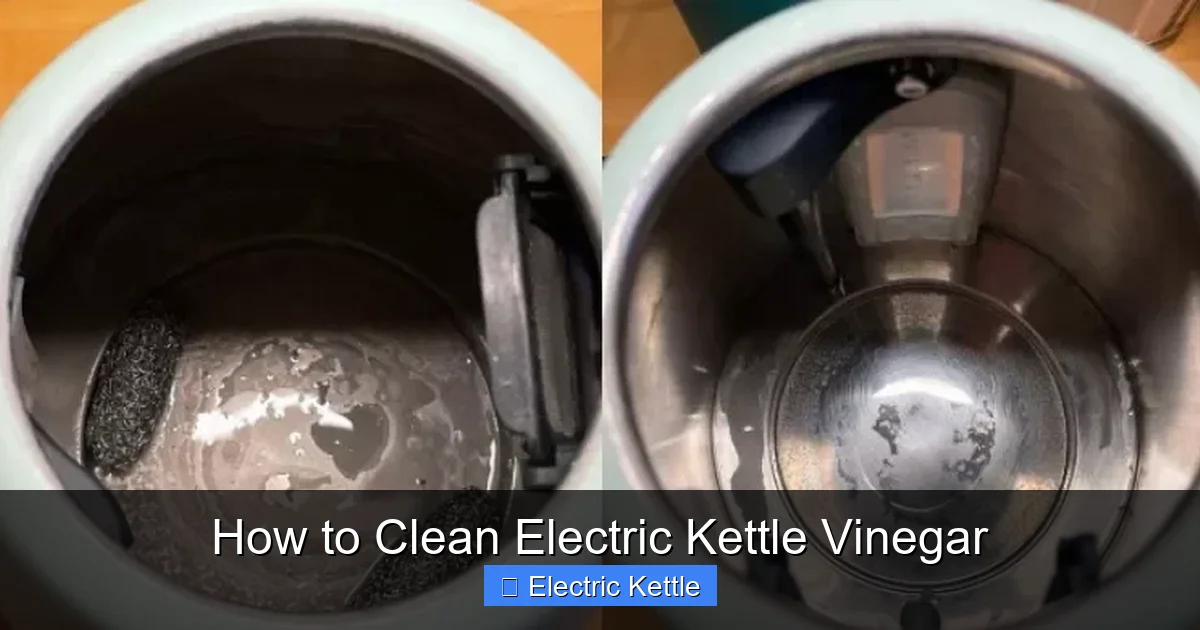
Visual guide about How to Clean Electric Kettle Vinegar
Image source: irrorwxhiqijjr5q.ldycdn.com
How Hard Water Contributes to Buildup
If you live in an area with hard water, you’re more likely to see limescale in your kettle, coffee maker, or even your showerhead. Hard water isn’t harmful to drink, but it does leave behind residues that can affect appliances. The harder your water, the faster limescale will accumulate. For example, if you notice a white film on your faucet or spots on glassware after washing, your water is likely hard. In such cases, cleaning your electric kettle every 2–4 weeks is recommended to prevent heavy buildup.
The Impact of Limescale on Performance
Beyond appearance, limescale can significantly impact your kettle’s functionality. The layer acts as an insulator, reducing heat transfer from the heating element to the water. This means your kettle has to work harder and longer to boil water, increasing energy consumption and potentially overheating internal components. Over time, this can lead to malfunctions or even permanent damage. Additionally, trapped minerals can harbor bacteria or mold if moisture remains in the kettle between uses, especially in warm, dark environments.
Why Vinegar Is the Best Natural Cleaner
Vinegar, particularly white distilled vinegar, is a powerhouse when it comes to cleaning. Its secret weapon is acetic acid, which makes up about 5–8% of household vinegar. This mild acid reacts with the alkaline minerals in limescale, breaking them down into soluble compounds that can be easily rinsed away. Unlike bleach or ammonia-based cleaners, vinegar is non-toxic, biodegradable, and safe to use around food and drink appliances.
How Vinegar Breaks Down Mineral Deposits
When vinegar comes into contact with calcium carbonate (the main component of limescale), a chemical reaction occurs: the acid dissolves the mineral, turning it into carbon dioxide gas, water, and soluble calcium acetate. This reaction loosens the scale from the kettle’s interior, allowing it to be flushed out with water. The process is gentle enough not to damage stainless steel, glass, or plastic components found in most modern electric kettles.
Safety and Environmental Benefits
One of the biggest advantages of using vinegar is safety. You don’t need gloves, ventilation, or special disposal methods. It won’t leave behind harmful fumes or residues, and any leftover vinegar can be poured down the drain without environmental concerns. Plus, it’s incredibly cost-effective—a bottle of white vinegar costs just a few dollars and can clean your kettle multiple times. Compared to commercial descalers, which often come in single-use packets or expensive sprays, vinegar is a budget-friendly and sustainable choice.
Step-by-Step Guide: How to Clean Electric Kettle with Vinegar
Now that you understand why vinegar works and why cleaning matters, let’s walk through the simple process of cleaning your electric kettle. This method is safe for most kettles, including those made of stainless steel, glass, and BPA-free plastic. Always check your manufacturer’s guidelines first, but in general, vinegar is widely recommended for descaling.
What You’ll Need
- White distilled vinegar (not apple cider or flavored vinegar)
- Clean water
- A soft sponge or cloth (non-abrasive)
- A toothbrush (optional, for hard-to-reach areas)
- A measuring cup
Step 1: Prepare the Vinegar Solution
Start by mixing equal parts white vinegar and water. For a standard 1-liter kettle, use 500 ml of vinegar and 500 ml of water. If your kettle is smaller or larger, adjust accordingly—just keep the 1:1 ratio. Pour the mixture into the kettle, making sure it covers the areas with the most buildup, especially the heating element and the bottom.
Step 2: Let It Soak
Allow the vinegar solution to sit in the kettle for at least 30 minutes. For heavy limescale, you can leave it for up to an hour. This soaking time gives the acetic acid enough time to penetrate and dissolve the mineral deposits. If you’re dealing with stubborn buildup, gently swirl the solution around occasionally to help loosen the scale.
Step 3: Boil the Solution
After soaking, plug in your kettle and bring the vinegar solution to a boil. Let it boil for about 5–10 minutes. You may notice bubbles forming more vigorously around the limescale—this is a good sign! The heat accelerates the chemical reaction, helping to break down even the toughest deposits. Be prepared for a mild vinegar smell during this step, but don’t worry—it will dissipate after rinsing.
Step 4: Let It Cool and Scrub (If Needed)
Turn off the kettle and let the solution cool for 10–15 minutes. Once it’s safe to handle, pour out the vinegar mixture. If there’s still visible limescale, use a soft sponge or an old toothbrush to gently scrub the interior. Avoid using steel wool or abrasive pads, as they can scratch the surface. For glass kettles, a non-abrasive sponge works best.
Step 5: Rinse Thoroughly
Rinse the kettle several times with clean water to remove any remaining vinegar and loosened scale. Fill it up, swish the water around, and pour it out. Repeat this process 3–4 times until there’s no trace of vinegar smell or taste. This step is crucial—any leftover vinegar can affect the flavor of your next cup of tea or coffee.
Step 6: Boil Fresh Water
To ensure all vinegar residue is gone, fill the kettle with fresh water and boil it once more. Let it cool, then pour out the water. This final rinse guarantees your kettle is clean, odor-free, and ready for use. Your kettle should now look brighter, heat faster, and produce better-tasting drinks.
Tips for Maintaining a Clean Electric Kettle
Cleaning your kettle with vinegar doesn’t have to be a monthly chore if you adopt a few simple habits. Prevention is just as important as cleaning when it comes to limescale buildup. Here are some practical tips to keep your kettle in top condition between deep cleans.
Use Filtered or Distilled Water
One of the easiest ways to reduce limescale is to use filtered or distilled water instead of tap water. Filtered water removes many of the minerals that cause buildup, while distilled water has virtually none. If you have a water filter pitcher or a faucet attachment, consider using it for your kettle. This small change can significantly extend the time between cleanings.
Empty the Kettle After Each Use
Don’t let water sit in your kettle for long periods, especially overnight. Standing water encourages mineral deposits and can promote bacterial growth. After boiling, pour out any unused water and leave the lid open to allow the interior to dry completely. This simple habit helps prevent both limescale and odors.
Wipe the Exterior Regularly
While the inside gets the most attention, don’t forget the outside. Wipe down the exterior with a damp cloth after each use to remove fingerprints, water spots, and dust. For stainless steel kettles, a microfiber cloth works best to maintain shine. Avoid using harsh cleaners or abrasive materials that could scratch the surface.
Clean the Spout and Lid
Minerals can also build up around the spout and under the lid. Use a cotton swab dipped in vinegar to clean these small areas. For kettles with removable lids, take them off periodically and rinse them thoroughly. This prevents clogs and ensures smooth pouring.
Schedule Monthly Cleanings
Even with preventive measures, some buildup is inevitable. Set a reminder to clean your kettle with vinegar once a month. Mark it on your calendar or link it to another monthly task, like changing your toothbrush. Regular maintenance keeps your kettle efficient and extends its lifespan.
Common Mistakes to Avoid When Cleaning with Vinegar
While vinegar is a safe and effective cleaner, there are a few pitfalls to watch out for. Avoiding these common mistakes will ensure your kettle stays in great condition and your cleaning process is hassle-free.
Using the Wrong Type of Vinegar
Always use white distilled vinegar. Apple cider vinegar, balsamic vinegar, or flavored varieties contain sugars, colors, and other additives that can leave residues or odors. Only white vinegar is pure enough for cleaning appliances.
Using Undiluted Vinegar
Never pour straight vinegar into your kettle. Full-strength vinegar is too acidic and can damage rubber seals, plastic components, or the heating element over time. The 1:1 dilution with water is strong enough to clean but gentle enough to protect your appliance.
Skipping the Rinse
Rinsing is not optional. Failing to rinse thoroughly can leave a vinegar taste in your drinks. Always rinse at least three times and do a final boil with fresh water to ensure no residue remains.
Using Abrasive Tools
Scrubbing with steel wool, scouring pads, or harsh brushes can scratch the interior of your kettle, creating grooves where bacteria and minerals can hide. Stick to soft sponges or toothbrushes for gentle cleaning.
Ignoring Manufacturer Instructions
Some kettles, especially high-end or specialty models, may have specific cleaning guidelines. Always check the user manual before using vinegar. If the manufacturer advises against it, consider using a commercial descaler instead.
Alternative Cleaning Methods (and When to Use Them)
While vinegar is the go-to solution for most people, there are times when you might consider alternatives. Here are a few other natural and commercial options, along with when they might be more appropriate.
Lemon Juice
Lemon juice is another natural acid that can dissolve limescale. It works similarly to vinegar but has a fresher scent. To use, mix equal parts lemon juice and water, soak, boil, and rinse. Lemon is a great option if you’re sensitive to vinegar’s smell, though it may be slightly less effective on heavy buildup.
Baking Soda
Baking soda is mildly abrasive and can help scrub away light scale when mixed with water to form a paste. However, it’s not as effective as vinegar for deep cleaning. Use it for spot cleaning or as a follow-up scrub after a vinegar soak.
Commercial Descalers
Products like Durgol, Viakal, or Urnex are specifically designed for descaling appliances. They’re often more concentrated and faster-acting than vinegar, making them ideal for severe limescale or hard-to-reach areas. However, they can be expensive and may require more rinsing. Use them sparingly and only when vinegar isn’t sufficient.
When to Call a Professional
If your kettle has persistent odors, discoloration, or performance issues even after cleaning, there may be internal damage or mold growth. In such cases, it’s best to consult the manufacturer or consider replacing the kettle, especially if it’s old or under warranty.
Conclusion: A Clean Kettle Means Better-Tasting Drinks
Cleaning your electric kettle with vinegar is one of the simplest and most effective ways to maintain your appliance and enjoy great-tasting beverages. It’s a natural, affordable, and eco-friendly method that removes limescale, eliminates odors, and restores efficiency. By following the step-by-step guide and incorporating regular maintenance habits, you can keep your kettle in excellent condition for years to come.
Remember, a little prevention goes a long way. Using filtered water, emptying the kettle after use, and cleaning monthly can prevent major buildup and save you time and effort. And when it’s time to clean, vinegar is your best friend—safe, powerful, and always ready to help. So the next time you notice that chalky film or detect a funny taste in your tea, don’t reach for harsh chemicals. Grab a bottle of white vinegar, follow these steps, and enjoy a cleaner, faster, and better-performing kettle.
Frequently Asked Questions
Can I use apple cider vinegar to clean my electric kettle?
It’s not recommended. Apple cider vinegar contains sugars and pigments that can leave residues or odors. Stick to white distilled vinegar for the best and safest results.
How often should I clean my electric kettle with vinegar?
Clean your kettle every 1–2 months if you use it daily, or more frequently if you have hard water. Monthly cleaning is a good rule of thumb for most households.
Will vinegar damage my kettle’s heating element?
No, as long as you use a 1:1 dilution with water and rinse thoroughly. Undiluted vinegar over long periods could potentially harm seals or components, so always dilute it.
Can I clean a glass electric kettle with vinegar?
Yes, vinegar is safe for glass kettles. Just avoid abrasive scrubbers and rinse well to prevent any vinegar taste.
What if my kettle still smells like vinegar after cleaning?
Rinse the kettle 3–4 times with fresh water, then boil a full kettle of clean water and discard it. This should eliminate any lingering odor.
Is it safe to drink water boiled after a vinegar cleaning?
Yes, as long as you rinse the kettle thoroughly and do a final boil with fresh water. Any vinegar residue will be completely removed.