Cleaning your electric kettle with baking soda is an easy, eco-friendly way to remove limescale, odors, and residue. This method uses common household ingredients to restore your kettle’s performance and extend its lifespan—no harsh chemicals needed.
Key Takeaways
- Baking soda is a safe and natural cleaner: It effectively dissolves limescale and neutralizes odors without damaging your electric kettle’s interior.
- Regular cleaning improves performance: A clean kettle heats water faster, uses less energy, and prevents off-tastes in your tea or coffee.
- Simple steps for best results: Combine baking soda with water, boil, let sit, scrub gently, and rinse thoroughly for a sparkling clean.
- Frequency matters: Clean your kettle every 2–4 weeks, or more often if you live in a hard water area.
- Avoid abrasive tools: Use soft cloths or brushes to prevent scratching the kettle’s interior surface.
- Combine with vinegar for tough buildup: For heavy limescale, alternate between baking soda and white vinegar treatments.
- Always unplug before cleaning: Safety first—never clean your electric kettle while it’s plugged in or hot.
📑 Table of Contents
- Why Cleaning Your Electric Kettle Matters
- What Is Baking Soda and Why It Works
- Step-by-Step Guide: How to Clean Electric Kettle with Baking Soda
- Tips for Tough Limescale and Stubborn Stains
- How Often Should You Clean Your Electric Kettle?
- Safety Tips and Best Practices
- Alternative Cleaning Methods (and When to Use Them)
- Benefits of Regular Kettle Maintenance
- Conclusion
Why Cleaning Your Electric Kettle Matters
You probably use your electric kettle every day—maybe even multiple times a day. Whether you’re brewing your morning coffee, steeping a soothing cup of tea, or making instant oatmeal, your kettle is a workhorse in the kitchen. But have you ever stopped to think about what’s building up inside it?
Over time, minerals from tap water—especially in areas with hard water—accumulate as limescale. This chalky, white residue clings to the heating element and interior walls, reducing efficiency and potentially affecting the taste of your drinks. Plus, leftover tea stains, coffee oils, and even mold can develop in hard-to-reach spots. A dirty kettle doesn’t just look unappealing—it can impact performance, energy use, and even your health.
That’s why regular cleaning is essential. And the best part? You don’t need expensive cleaners or harsh chemicals. One of the most effective, affordable, and eco-friendly solutions is already in your pantry: baking soda. In this guide, we’ll walk you through exactly how to clean your electric kettle with baking soda—step by step—so you can keep it sparkling, efficient, and safe to use.
What Is Baking Soda and Why It Works
A Natural Cleaning Powerhouse
Baking soda, or sodium bicarbonate, is a mild alkaline compound that’s been used for cleaning, deodorizing, and cooking for generations. It’s non-toxic, inexpensive, and safe for most surfaces—including the interior of your electric kettle. Unlike commercial descalers that may contain strong acids or synthetic fragrances, baking soda is gentle yet effective.
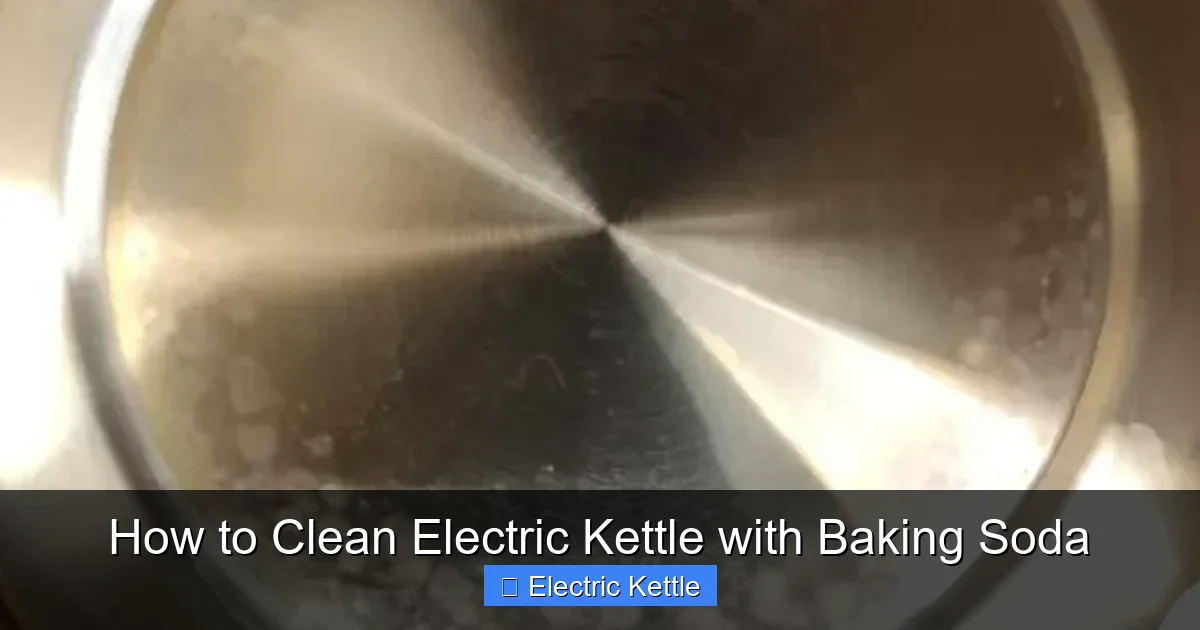
Visual guide about How to Clean Electric Kettle with Baking Soda
Image source: irrorwxhiqijjr5q.ldycdn.com
How Baking Soda Removes Limescale
Limescale is primarily made of calcium carbonate, a mineral deposit that forms when hard water is heated. Baking soda doesn’t dissolve limescale directly like vinegar does, but it helps break it down when used in combination with heat and agitation. Its mild abrasive properties allow it to scrub away soft deposits, while its alkalinity helps neutralize acids and loosen grime.
When you boil a baking soda solution in your kettle, the heat activates the compound, making it more effective at lifting stains and dissolving residue. It also helps eliminate odors caused by stagnant water or leftover beverages. The result? A cleaner, fresher-smelling kettle that performs like new.
Safe for All Kettle Types
Whether your electric kettle is made of stainless steel, glass, or plastic, baking soda is generally safe to use. It won’t scratch or corrode the interior, as long as you avoid using abrasive tools like steel wool. Always check your manufacturer’s guidelines, but in most cases, baking soda is a recommended cleaning agent.
Step-by-Step Guide: How to Clean Electric Kettle with Baking Soda
What You’ll Need
Before you begin, gather these simple supplies:
- 1–2 tablespoons of baking soda
- Water (enough to fill the kettle halfway)
- A soft sponge or cloth
- A soft-bristled brush (optional, for stubborn spots)
- A measuring spoon
- A clean towel for drying
That’s it! No fancy tools or hard-to-find ingredients. Everything you need is likely already in your kitchen.
Step 1: Unplug and Cool Down
Safety first. Always unplug your electric kettle and let it cool completely before cleaning. Never attempt to clean a hot or plugged-in appliance. This prevents burns and reduces the risk of electrical damage.
Step 2: Empty and Rinse
Pour out any remaining water from the kettle. Give it a quick rinse with warm water to remove loose debris or floating particles. This helps the baking soda solution work more effectively.
Step 3: Mix the Baking Soda Solution
Add 1 to 2 tablespoons of baking soda to the kettle, depending on the size and level of buildup. For a standard 1-liter kettle, 1 tablespoon is usually sufficient. For heavier limescale or staining, use 2 tablespoons.
Then, fill the kettle halfway with water. You want enough liquid to cover the heating element and any visible scale, but not so much that it overflows when boiling.
Step 4: Boil the Solution
Plug the kettle back in and turn it on. Let the baking soda solution come to a full boil. As it heats, you may notice bubbles forming—this is normal. The boiling process helps activate the baking soda and loosen mineral deposits.
Once it reaches a boil, turn off the kettle and unplug it again. Let the solution sit for 15 to 30 minutes. This soaking time allows the baking soda to penetrate and soften stubborn buildup.
Step 5: Scrub Gently
After soaking, use a soft sponge or cloth to gently scrub the interior of the kettle. Focus on areas with visible limescale or staining, such as around the heating element or the bottom of the kettle.
If you encounter tough spots, use a soft-bristled brush (like an old toothbrush) to reach crevices. Avoid abrasive pads or metal scrubbers, as they can scratch the surface and create spots for future buildup.
Step 6: Rinse Thoroughly
Pour out the baking soda solution and rinse the kettle several times with clean water. Make sure no residue remains—any leftover baking soda can affect the taste of your next brew.
For extra assurance, fill the kettle with fresh water, boil it once, and pour it out. This “rinse cycle” helps flush out any remaining particles or traces of baking soda.
Step 7: Dry and Store
Use a clean, dry towel to wipe the exterior and interior of the kettle. Leave the lid open for a few minutes to allow any remaining moisture to evaporate. This prevents mold or mildew from forming.
Once completely dry, store your kettle with the lid off or slightly ajar to promote airflow.
Tips for Tough Limescale and Stubborn Stains
When Baking Soda Alone Isn’t Enough
While baking soda is great for regular maintenance, it may not fully dissolve heavy limescale buildup—especially if you live in a hard water area. In these cases, you can combine baking soda with white vinegar for a more powerful cleaning solution.
Here’s how: After boiling the baking soda solution and scrubbing, pour out the liquid. Then, fill the kettle halfway with equal parts white vinegar and water. Boil this mixture, let it sit for 15–20 minutes, then scrub again. The vinegar’s acidity will break down tough mineral deposits, while the baking soda helps neutralize odors and scrub away residue.
Always rinse thoroughly after using vinegar to remove any sour smell or taste.
Targeting Specific Problem Areas
Some parts of your kettle are more prone to buildup than others. Pay special attention to:
- The heating element: This is where limescale accumulates fastest. Use a soft brush to gently clean around it.
- The spout: Tea and coffee oils can leave dark stains here. A cotton swab dipped in baking soda paste works well.
- The lid and rim: Wipe these areas with a damp cloth to remove dust and residue.
Preventing Future Buildup
Cleaning is easier when you prevent buildup in the first place. Here are a few tips:
- Use filtered or distilled water if your tap water is very hard.
- Empty the kettle after each use to avoid stagnant water.
- Wipe the exterior regularly to prevent dust and grease buildup.
- Clean your kettle every 2–4 weeks, or more often if you notice scale forming.
How Often Should You Clean Your Electric Kettle?
Signs It’s Time to Clean
Even if you clean regularly, it’s helpful to know the signs that your kettle needs attention. Look for:
- White or gray chalky deposits inside the kettle
- Unusual tastes or odors in your water or beverages
- Slower heating times or reduced boiling efficiency
- Discoloration or staining on the interior
- Gurgling or sputtering sounds during boiling (a sign of blocked heating elements)
If you notice any of these, it’s time for a deep clean—even if it hasn’t been a full month since your last cleaning.
Recommended Cleaning Schedule
For most households, cleaning your electric kettle every 2–4 weeks is sufficient. However, if you live in an area with hard water (high in calcium and magnesium), you may need to clean it weekly. Conversely, if you use filtered water and clean regularly, you might get away with monthly cleanings.
Keep a simple log or set a monthly reminder on your phone to stay on track. Consistency is key to maintaining performance and longevity.
Safety Tips and Best Practices
Never Clean a Hot or Plugged-In Kettle
Always unplug your kettle and let it cool before cleaning. Water and electricity don’t mix, and attempting to clean a hot appliance can result in burns or electrical shock.
Avoid Harsh Chemicals and Abrasives
While baking soda is safe, avoid using bleach, ammonia, or strong acids unless specified by the manufacturer. These can damage the interior lining or leave harmful residues.
Similarly, don’t use steel wool, scouring pads, or metal brushes. They can scratch the surface, creating grooves where bacteria and scale can hide.
Check Manufacturer Guidelines
Some kettles have special coatings or materials that require specific care. Always refer to your user manual before trying a new cleaning method. If in doubt, stick to mild, natural cleaners like baking soda or vinegar.
Test for Residue
After cleaning, run a test boil with fresh water. If you notice a strange taste or smell, rinse the kettle again and repeat the process. It’s better to be thorough than risk contaminating your drinks.
Alternative Cleaning Methods (and When to Use Them)
Vinegar: The Classic Descaler
White vinegar is one of the most popular natural cleaners for electric kettles. Its acetic acid content dissolves limescale quickly and effectively. To use, fill the kettle halfway with equal parts vinegar and water, boil, let sit for 20–30 minutes, scrub, and rinse thoroughly.
Vinegar is ideal for heavy buildup but can leave a strong odor if not rinsed well. Some people also worry about the smell lingering in their tea—baking soda helps neutralize this.
Lemon Juice: A Fresh Alternative
Lemon juice is another natural acid that works similarly to vinegar. It’s less pungent and leaves a fresh scent. Use the juice of one lemon mixed with water, boil, and soak. It’s great for light cleaning and deodorizing.
Commercial Descalers: When to Consider Them
If natural methods aren’t cutting it, you might consider a commercial descaler. These are formulated specifically for kettles and are often safe and effective. Look for eco-friendly, non-toxic options without harsh chemicals.
However, for most people, baking soda—especially when combined with vinegar or lemon—is more than enough to keep their kettle clean and functional.
Benefits of Regular Kettle Maintenance
Improved Performance and Efficiency
A clean heating element transfers heat more efficiently, meaning your kettle boils water faster and uses less energy. Over time, this can lead to noticeable savings on your electricity bill.
Better-Tasting Beverages
Mineral buildup and residue can alter the taste of your water, tea, or coffee. Regular cleaning ensures your drinks taste pure and fresh, just as they should.
Extended Appliance Lifespan
Limescale can damage the heating element and internal components over time. By preventing buildup, you reduce wear and tear, helping your kettle last longer.
Health and Hygiene
Stagnant water and organic residues can encourage bacterial growth. Cleaning your kettle regularly helps maintain a hygienic environment for your daily beverages.
Peace of Mind
Knowing your kettle is clean and safe gives you confidence in every cup you brew. It’s a small habit that makes a big difference in your daily routine.
Conclusion
Cleaning your electric kettle with baking soda is a simple, safe, and effective way to maintain its performance and keep your drinks tasting great. With just a few tablespoons of this common household ingredient, you can remove limescale, eliminate odors, and extend the life of your appliance.
By following the step-by-step guide above, you’ll have a sparkling clean kettle in under an hour—no harsh chemicals or expensive tools required. Whether you’re dealing with light staining or heavy buildup, baking soda is a reliable ally in your cleaning routine.
Make it a habit to clean your kettle every few weeks, and you’ll notice the difference in speed, taste, and efficiency. Your kettle—and your taste buds—will thank you.
Frequently Asked Questions
Can I use baking soda to clean a stainless steel electric kettle?
Yes, baking soda is safe for stainless steel kettles. It won’t scratch or damage the surface when used with a soft cloth or sponge. Just avoid abrasive tools.
How much baking soda should I use for a small kettle?
For a kettle under 1 liter, use 1 tablespoon of baking soda. For larger kettles (1–1.5 liters), use 1.5 to 2 tablespoons. Adjust based on the level of buildup.
Can I mix baking soda and vinegar in the same cleaning session?
Yes, but not at the same time. Use baking soda first, then follow with vinegar for tough limescale. Mixing them directly neutralizes their effectiveness.
Will baking soda leave a taste in my water?
If rinsed thoroughly, baking soda won’t leave a taste. Always rinse the kettle multiple times and run a test boil with fresh water.
How do I clean the exterior of my electric kettle?
Wipe the exterior with a damp cloth and a small amount of baking soda paste. Avoid getting water into the electrical base or controls.
Is it safe to clean my kettle every week?
Yes, especially if you use hard water. Weekly cleaning prevents buildup and keeps your kettle in top condition. Just ensure it’s fully dry before use.