Cleaning your electric kettle with vinegar is a safe, affordable, and eco-friendly way to remove limescale, mineral deposits, and odors. This simple method uses common household ingredients and takes just minutes to restore your kettle’s performance and extend its lifespan.
Key Takeaways
- White vinegar dissolves limescale: The acetic acid in vinegar breaks down mineral buildup caused by hard water, restoring heating efficiency.
- Safe for most electric kettles: Vinegar is non-toxic and safe for stainless steel, glass, and plastic interiors—just avoid aluminum models.
- Simple 3-step process: Fill, boil, soak, then rinse thoroughly to remove all residue and odor.
- Prevents future buildup: Regular cleaning every 2–4 weeks keeps your kettle running smoothly and your water tasting fresh.
- Eco-friendly and cost-effective: Vinegar is a natural cleaner that’s cheaper and greener than commercial descaling products.
- Improves taste and performance: A clean kettle heats faster, lasts longer, and ensures your tea, coffee, or instant meals taste better.
- Always rinse well: Residual vinegar can affect taste, so multiple rinses are essential after cleaning.
📑 Table of Contents
- Why Cleaning Your Electric Kettle Matters
- What Is Limescale and Why Does It Form?
- Why Vinegar Is the Best Cleaner for Electric Kettles
- Step-by-Step Guide: How to Clean Electric Kettle with Vinegar
- Tips for Maintaining a Clean Electric Kettle
- Common Mistakes to Avoid When Cleaning with Vinegar
- Alternative Natural Cleaning Methods
- Frequently Asked Questions About Cleaning Electric Kettles
- Conclusion: Keep Your Kettle Fresh and Efficient
Why Cleaning Your Electric Kettle Matters
Your electric kettle works hard every day—boiling water for tea, coffee, oatmeal, or instant soups. But over time, especially if you live in an area with hard water, mineral deposits like calcium and magnesium begin to build up inside. This chalky white or gray residue, known as limescale, doesn’t just look unappealing—it can seriously affect your kettle’s performance.
Limescale acts as an insulator, making your kettle work harder and longer to heat water. This not only increases your energy bill but can also shorten the lifespan of your appliance. Worse yet, leftover scale can flake off into your drinks, affecting taste and potentially introducing unwanted particles. And if your kettle starts to smell musty or metallic, that’s another sign it’s time for a deep clean. Ignoring these issues doesn’t just compromise your morning brew—it can lead to costly repairs or even the need for a replacement.
The good news? You don’t need expensive cleaning products or special tools. One of the most effective, natural, and affordable solutions is already in your pantry: white vinegar. Learning how to clean electric kettle with vinegar is simple, safe, and delivers professional-level results. Whether you’ve noticed visible scale or just want to maintain your kettle’s peak performance, this method is a game-changer.
What Is Limescale and Why Does It Form?
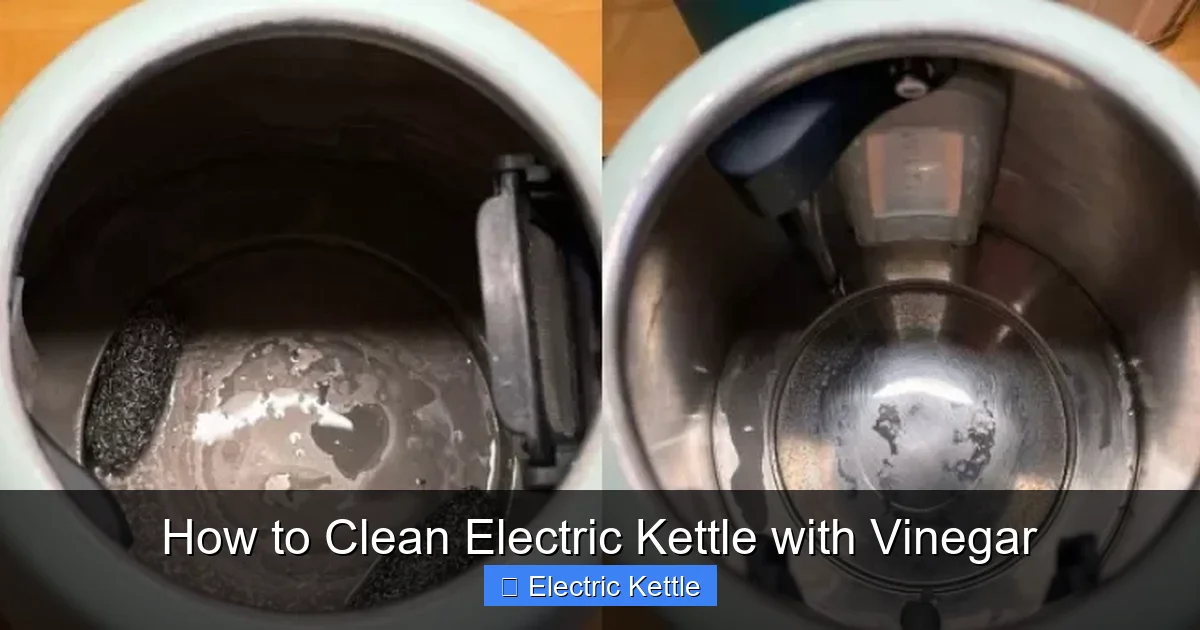
Limescale is a hard, off-white deposit made primarily of calcium carbonate and magnesium carbonate. It forms when hard water—water containing high levels of dissolved minerals—is heated. As the water boils, these minerals precipitate out and cling to the heating element, interior walls, and spout of your electric kettle. Over time, this buildup thickens, creating a crusty layer that’s tough to remove with regular washing.
Visual guide about How to Clean Electric Kettle with Vinegar
Image source: irrorwxhiqijjr5q.ldycdn.com
How Hard Water Contributes to Scale
Hard water is common in many regions, especially those with limestone-rich soil. While it’s not harmful to drink, it’s a major contributor to limescale in appliances. The harder your water, the faster scale accumulates. For example, if you notice white spots on your showerhead or faucets, your kettle is likely suffering too. Even if you use filtered water, some minerals can still pass through, so regular cleaning is essential regardless of your water source.
Signs Your Kettle Needs Cleaning
You don’t need to wait for a thick layer of scale to appear. Early signs include:
- Longer boiling times than usual
- A chalky residue at the bottom or around the heating element
- Cloudy or discolored water
- Unusual smells when boiling water
- Reduced water flow from the spout
If you notice any of these, it’s time to take action. The longer you wait, the harder the scale becomes, making removal more difficult. That’s why incorporating a regular cleaning routine—especially using vinegar—is so important.
Why Vinegar Is the Best Cleaner for Electric Kettles
When it comes to natural cleaning solutions, white vinegar stands out as a powerhouse. Its secret? Acetic acid, which makes up about 5–8% of household vinegar. This mild acid is highly effective at dissolving mineral deposits without damaging most kettle materials.
How Vinegar Breaks Down Limescale
When vinegar comes into contact with limescale, a chemical reaction occurs. The acetic acid reacts with calcium carbonate (the main component of scale), breaking it down into carbon dioxide, water, and soluble calcium acetate. This reaction loosens the scale, making it easy to wipe or rinse away. Unlike harsh chemical cleaners, vinegar doesn’t leave toxic residues, making it safe for appliances that come into contact with drinking water.
Benefits of Using Vinegar Over Commercial Cleaners
Many commercial descaling products contain strong acids or synthetic chemicals that can be harmful if not rinsed thoroughly. They’re also more expensive and less eco-friendly. Vinegar, on the other hand, is:
- Non-toxic and food-safe when properly rinsed
- Biodegradable and environmentally friendly
- Readily available and inexpensive
- Effective on a wide range of surfaces, including stainless steel, glass, and BPA-free plastic
Plus, vinegar has antibacterial properties, helping to eliminate odors and mildew that can develop in damp environments. It’s a one-stop solution for cleaning, deodorizing, and maintaining your electric kettle.
What Types of Kettles Can Be Cleaned with Vinegar?
Most modern electric kettles are safe to clean with vinegar, including those with stainless steel interiors, glass bodies, and plastic components (as long as they’re labeled food-safe and BPA-free). However, avoid using vinegar on kettles with aluminum interiors, as the acid can react with the metal and cause pitting or discoloration. If you’re unsure, check your manufacturer’s guidelines or test a small area first.
Step-by-Step Guide: How to Clean Electric Kettle with Vinegar
Now that you understand why vinegar works, let’s walk through the simple process of cleaning your electric kettle. This method takes about 30–60 minutes, depending on the level of buildup, and requires only a few basic supplies.
What You’ll Need
- White distilled vinegar (not apple cider or flavored vinegar)
- Water
- A soft sponge or cloth
- A toothbrush (optional, for hard-to-reach areas)
- A clean towel
Step 1: Prepare the Vinegar Solution
Start by mixing equal parts white vinegar and water. For most kettles, a 1:1 ratio works best. For example, if your kettle holds 1 liter, use 500ml of vinegar and 500ml of water. If your kettle has heavy limescale, you can use undiluted vinegar, but this is usually unnecessary and may increase odor.
Pour the solution into the kettle, making sure it covers the heating element and any visible scale. Don’t overfill—leave some space to prevent overflow when boiling.
Step 2: Boil the Solution
Place the kettle on its base and turn it on. Let it boil completely. The heat helps accelerate the chemical reaction between the vinegar and limescale, breaking down even stubborn deposits. You may notice bubbles forming around the scale—this is a good sign that the reaction is working.
Once the kettle has boiled, turn it off and unplug it from the power source. Safety first: never handle a hot kettle with wet hands or while it’s still plugged in.
Step 3: Let It Soak
Allow the vinegar solution to sit in the kettle for at least 30 minutes. For heavy buildup, you can leave it overnight. The longer it soaks, the more effective the cleaning. During this time, the acetic acid continues to dissolve mineral deposits, loosening them from the interior surfaces.
If you’re in a hurry, 15–20 minutes may be enough for light scale, but don’t skip this step—soaking is crucial for thorough cleaning.
Step 4: Scrub and Rinse
After soaking, pour out the vinegar solution. You’ll likely see chunks of scale floating in the liquid—this is normal and indicates the cleaning is working.
Use a soft sponge or cloth to gently scrub the interior, paying special attention to the heating element, spout, and bottom of the kettle. For tight spots, a soft-bristled toothbrush can help dislodge stubborn residue. Avoid using abrasive scrubbers or steel wool, as they can scratch surfaces.
Once you’ve scrubbed, rinse the kettle thoroughly with clean water—at least 3–4 times. Any leftover vinegar can affect the taste of your water, so don’t skip this step. Fill the kettle, swish the water around, and pour it out. Repeat until there’s no vinegar smell or taste.
Step 5: Final Rinse and Dry
For extra assurance, boil a full kettle of fresh water and discard it. This helps flush out any remaining vinegar traces and ensures your next cup of tea or coffee tastes pure. After boiling, rinse once more and dry the exterior with a clean towel.
Your kettle should now look shiny, smell fresh, and perform like new. If you still see scale after the first cleaning, repeat the process. Heavy buildup may require a second treatment.
Tips for Maintaining a Clean Electric Kettle
Cleaning your kettle with vinegar doesn’t have to be a monthly chore. With a few simple habits, you can prevent limescale from building up in the first place and keep your kettle in top condition.
Clean Regularly Based on Water Hardness
The frequency of cleaning depends on your water quality. If you have hard water, aim to clean your kettle every 2–4 weeks. For soft water, every 6–8 weeks may be sufficient. Keep an eye on performance—if boiling times increase or you notice residue, it’s time for a clean.
Use Filtered Water When Possible
Using filtered or distilled water reduces mineral content and slows scale formation. While it won’t eliminate the need for cleaning entirely, it can significantly extend the time between deep cleans. Consider investing in a water filter pitcher or faucet attachment if hard water is a persistent issue.
Empty the Kettle After Each Use
Leaving water sitting in the kettle promotes mineral buildup and can encourage bacterial growth. Always empty the kettle after use and wipe the interior dry if possible. This simple habit prevents stagnant water and keeps odors at bay.
Wipe the Exterior Weekly
While the interior gets the most attention, don’t forget the outside. Wipe down the handle, base, and exterior with a damp cloth weekly to remove fingerprints, dust, and spills. For stainless steel kettles, a microfiber cloth helps maintain shine.
Check the Spout and Filter
Many electric kettles have a mesh filter in the spout to catch sediment. Over time, this can clog with scale or debris. Remove the filter (if detachable) and rinse it under warm water. Soak it in vinegar if needed, then scrub gently with a toothbrush before reinserting.
Avoid Overfilling
Filling your kettle beyond its maximum line can cause water to spill into the base, potentially damaging electrical components. It also increases the risk of mineral deposits forming in hard-to-reach areas. Stick to the recommended fill level for safety and efficiency.
Common Mistakes to Avoid When Cleaning with Vinegar
While cleaning your electric kettle with vinegar is straightforward, a few common mistakes can reduce effectiveness or even damage your appliance. Here’s what to watch out for.
Using the Wrong Type of Vinegar
Only use white distilled vinegar. Apple cider vinegar, balsamic vinegar, or cleaning vinegar with added scents can leave residues, odors, or colors that are difficult to remove. Stick to plain white vinegar for the best results.
Not Rinsing Thoroughly
One of the biggest mistakes is not rinsing enough. Vinegar has a strong smell and taste that can linger if not properly flushed out. Always rinse at least 3–4 times and consider boiling a full kettle of water to ensure purity.
Using Abrasive Tools
Scrubbing with steel wool, harsh brushes, or abrasive cleaners can scratch the interior, creating grooves where scale can accumulate more easily. Use only soft sponges, cloths, or toothbrushes designed for delicate surfaces.
Cleaning While the Kettle Is Hot
Always unplug the kettle and let it cool slightly before cleaning. Pouring vinegar into a very hot kettle can cause splashing or fumes. Wait until it’s warm but not scalding to the touch.
Ignoring Manufacturer Instructions
Some kettles have specific cleaning guidelines. For example, certain models may not recommend vinegar or may suggest alternative methods. Always check your user manual before starting.
Overusing Vinegar
While vinegar is safe, using it too frequently or in high concentrations isn’t necessary. Once every few weeks is sufficient for most users. Over-cleaning won’t harm the kettle but may waste time and vinegar.
Alternative Natural Cleaning Methods
While vinegar is the gold standard, there are other natural options if you prefer variety or don’t have vinegar on hand. These methods are also effective and eco-friendly.
Lemon Juice
Lemon juice contains citric acid, which works similarly to vinegar in breaking down limescale. Use fresh-squeezed lemon juice or bottled lemon juice (without added sugars). Mix equal parts lemon juice and water, boil, soak for 30 minutes, then rinse thoroughly. Lemon also leaves a fresh scent, which some people prefer over vinegar.
Baking Soda Paste
For light buildup or exterior cleaning, make a paste with baking soda and water. Apply it to the interior with a soft cloth, let it sit for 15–20 minutes, then scrub and rinse. Baking soda is mildly abrasive and helps remove stains and odors. However, it’s less effective on heavy scale than vinegar or lemon.
Commercial Descaling Solutions
If you prefer a ready-made product, look for eco-friendly, biodegradable descalers made with natural acids like citric or lactic acid. These are often sold in tablet or liquid form and are safe for most kettles. Follow the instructions carefully and rinse well.
While these alternatives work, vinegar remains the most accessible, affordable, and effective option for most households.
Frequently Asked Questions About Cleaning Electric Kettles
Can I use apple cider vinegar instead of white vinegar?
It’s not recommended. Apple cider vinegar is less acidic and may leave a residue or odor. White distilled vinegar is more effective and leaves no aftertaste when rinsed properly.
How often should I clean my electric kettle with vinegar?
Clean every 2–4 weeks if you have hard water, or every 6–8 weeks with soft water. Adjust based on how quickly scale builds up in your area.
Will vinegar damage my kettle’s heating element?
No, vinegar is safe for the heating element in most kettles. The mild acid dissolves scale without harming metal or electrical components when used correctly.
Can I clean the exterior of my kettle with vinegar?
Yes, but dilute it with water (1:1) and wipe with a soft cloth. Avoid getting vinegar on the electrical base or plug. For stainless steel, follow with a dry cloth to prevent water spots.
What if my kettle still smells like vinegar after cleaning?
Rinse thoroughly and boil a full kettle of fresh water, then discard it. Repeat if needed. The smell should disappear after 1–2 rinses.
Is it safe to drink water from a kettle cleaned with vinegar?
Yes, as long as you rinse the kettle thoroughly. Vinegar is food-safe, and any residue is harmless in small amounts—but proper rinsing ensures the best taste.
Conclusion: Keep Your Kettle Fresh and Efficient
Learning how to clean electric kettle with vinegar is one of the simplest and most effective ways to maintain your appliance. Not only does it remove unsightly limescale and odors, but it also improves heating efficiency, extends the life of your kettle, and ensures your beverages taste their best. With just a few minutes of effort every few weeks, you can keep your kettle performing like new—without spending money on expensive cleaners or risking damage with harsh chemicals.
Remember, consistency is key. Make vinegar cleaning a regular part of your kitchen routine, and you’ll notice the difference in both performance and taste. Whether you’re brewing your morning coffee or preparing a quick meal, a clean kettle means better results every time. So grab that bottle of vinegar, follow the steps, and enjoy a fresher, faster, and more efficient kettle experience.
Frequently Asked Questions
Can I use apple cider vinegar instead of white vinegar?
It’s not recommended. Apple cider vinegar is less acidic and may leave a residue or odor. White distilled vinegar is more effective and leaves no aftertaste when rinsed properly.
How often should I clean my electric kettle with vinegar?
Clean every 2–4 weeks if you have hard water, or every 6–8 weeks with soft water. Adjust based on how quickly scale builds up in your area.
Will vinegar damage my kettle’s heating element?
No, vinegar is safe for the heating element in most kettles. The mild acid dissolves scale without harming metal or electrical components when used correctly.
Can I clean the exterior of my kettle with vinegar?
Yes, but dilute it with water (1:1) and wipe with a soft cloth. Avoid getting vinegar on the electrical base or plug. For stainless steel, follow with a dry cloth to prevent water spots.
What if my kettle still smells like vinegar after cleaning?
Rinse thoroughly and boil a full kettle of fresh water, then discard it. Repeat if needed. The smell should disappear after 1–2 rinses.
Is it safe to drink water from a kettle cleaned with vinegar?
Yes, as long as you rinse the kettle thoroughly. Vinegar is food-safe, and any residue is harmless in small amounts—but proper rinsing ensures the best taste.