Cleaning your electric kettle doesn’t require vinegar—there are plenty of natural, effective alternatives. From baking soda to lemon juice and citric acid, these methods remove limescale and odors safely. Keep your kettle fresh, efficient, and ready for perfect-tasting tea or coffee every time.
Key Takeaways
- Baking soda is a powerful, non-toxic cleaner that dissolves mineral buildup and neutralizes odors without harsh chemicals.
- Lemon juice offers natural acidity that breaks down limescale and leaves a fresh citrus scent in your kettle.
- Citric acid is highly effective for heavy limescale and is safe for regular use in electric kettles.
- Salt and water create a gentle abrasive paste ideal for scrubbing stubborn spots without scratching surfaces.
- Commercial descaling solutions are convenient and formulated specifically for electric kettles—just follow the instructions.
- Regular cleaning prevents buildup and extends the life of your kettle while improving water taste.
- Always rinse thoroughly after cleaning to avoid residue that could affect the flavor of your drinks.
📑 Table of Contents
- Why Clean Your Electric Kettle Matters
- Understanding Limescale and Why It Forms
- Method 1: Baking Soda for a Deep Clean
- Method 2: Lemon Juice for Natural Acidity
- Method 3: Citric Acid for Heavy-Duty Descaling
- Method 4: Salt and Water for Gentle Scrubbing
- Method 5: Commercial Descaling Solutions
- Maintaining a Clean Kettle Between Deep Cleans
- Conclusion
Why Clean Your Electric Kettle Matters
Your electric kettle works hard every day—boiling water for tea, coffee, instant soups, and more. But over time, mineral deposits from hard water build up inside the heating element and on the interior walls. This white, chalky residue is called limescale, and it’s not just unsightly—it can affect how well your kettle performs. Limescale buildup forces the heating element to work harder, which can increase energy use and shorten the appliance’s lifespan. In extreme cases, it may even cause the kettle to overheat or shut off prematurely.
Beyond performance issues, a dirty kettle can impact the taste of your beverages. That faint metallic or bitter aftertaste in your morning coffee? It might be coming from old mineral deposits or lingering odors trapped in the kettle. Plus, if you’ve used your kettle for anything other than water—like instant oatmeal or herbal infusions—residue can stick around and mix with future brews. Regular cleaning keeps your kettle hygienic, efficient, and ready to deliver pure, great-tasting hot water every time.
While many people reach for vinegar as a go-to cleaner, it’s not the only option—and for some, it’s not the best. Vinegar has a strong smell that can linger, and if not rinsed thoroughly, it might affect the taste of your drinks. Some kettles with special coatings or finishes may also be sensitive to vinegar’s acidity. The good news? There are several effective, vinegar-free methods to clean your electric kettle safely and naturally. Whether you prefer pantry staples like baking soda and lemon or commercial descaling products, you can keep your kettle sparkling without ever opening a bottle of vinegar.
Understanding Limescale and Why It Forms
Limescale is the enemy of every electric kettle owner, especially if you live in an area with hard water. Hard water contains high levels of dissolved minerals—primarily calcium and magnesium. When water is heated repeatedly in your kettle, these minerals precipitate out of solution and cling to surfaces, forming a hard, crusty layer. Over weeks and months, this buildup thickens, reducing heat transfer efficiency and potentially clogging small openings in the kettle.
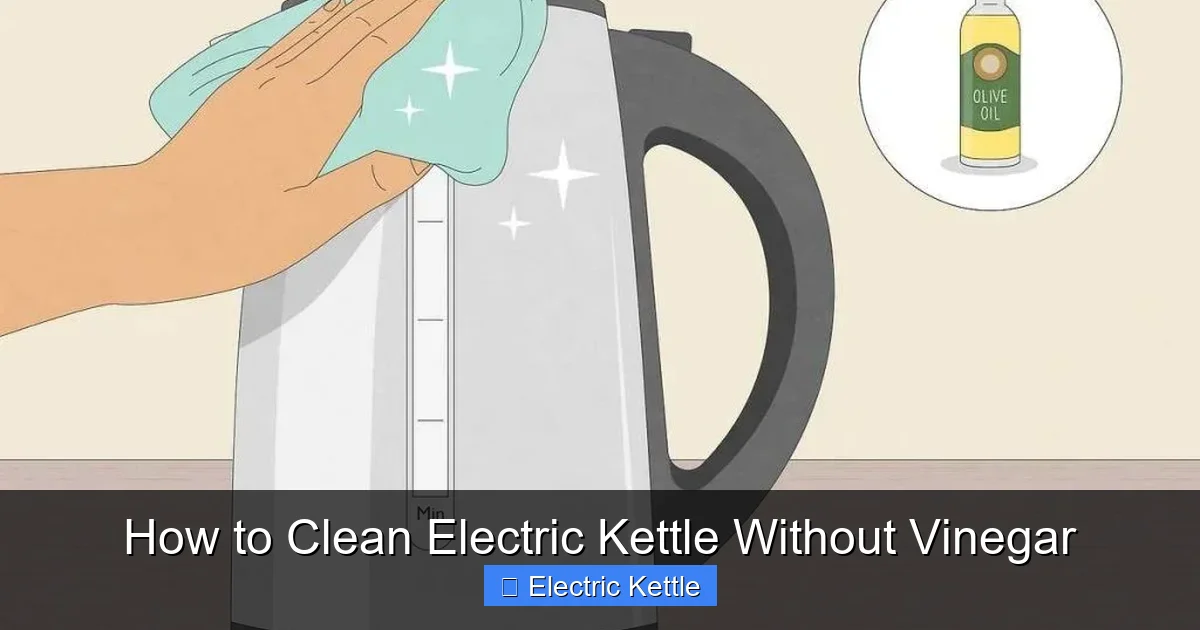
Visual guide about How to Clean Electric Kettle Without Vinegar
Image source: kitchenadvising.com
How Hard Water Affects Your Kettle
The harder your water, the faster limescale accumulates. If you notice white flakes floating in your boiled water or a chalky ring around the heating coil, that’s a clear sign of limescale. In severe cases, the buildup can insulate the heating element, causing it to overheat and potentially trigger safety shut-offs. This not only disrupts your routine but can also pose a fire hazard in rare instances. Even if your kettle still works, reduced efficiency means longer boiling times and higher electricity bills.
Signs Your Kettle Needs Cleaning
You don’t need to wait for visible limescale to clean your kettle. Other warning signs include slower boiling, unusual noises (like crackling or popping), or a change in the taste or smell of your hot water. If your tea suddenly tastes flat or metallic, your kettle might be the culprit. Odors can also develop if food particles or old water sit in the kettle between uses. Cleaning your kettle every 2–4 weeks—or more often if you use it daily—can prevent these issues before they start.
The Science Behind Natural Cleaners
Many vinegar-free cleaning methods work by leveraging mild acids or abrasives to break down mineral deposits. For example, citric acid (found in lemon juice or sold as a powder) reacts with calcium carbonate—the main component of limescale—to form soluble compounds that rinse away easily. Baking soda, while alkaline, creates a gentle scrubbing action when mixed with water and can help lift stains and neutralize odors. Salt acts as a mild abrasive, ideal for scrubbing without scratching stainless steel interiors. Understanding how these ingredients work helps you choose the right method for your kettle’s needs.
Method 1: Baking Soda for a Deep Clean
Baking soda (sodium bicarbonate) is a household hero—and it’s perfect for cleaning your electric kettle without vinegar. It’s non-toxic, inexpensive, and safe for most kettle materials, including stainless steel and plastic. Baking soda gently dissolves limescale while neutralizing odors, making it ideal for regular maintenance or tackling moderate buildup.
How to Use Baking Soda
Start by filling your kettle about halfway with water. Add 1–2 tablespoons of baking soda, depending on the size of your kettle and the severity of the buildup. Swirl the mixture around to coat the interior, then let it sit for 15–30 minutes. For heavier limescale, you can bring the solution to a boil, let it simmer for 5–10 minutes, then turn off the kettle and allow it to cool completely. The heat helps activate the cleaning power of baking soda.
After soaking, use a soft sponge or non-abrasive brush to gently scrub the interior, focusing on areas with visible deposits. Pay special attention to the heating element and the spout, where minerals often accumulate. Rinse the kettle thoroughly with clean water at least three times to ensure no baking soda residue remains. Finally, fill the kettle with fresh water, boil it once, and discard the water to eliminate any lingering taste.
Tips for Best Results
For extra cleaning power, mix baking soda with a small amount of salt to create a paste. Apply the paste directly to stubborn spots and let it sit for 10 minutes before scrubbing. Avoid using steel wool or harsh scrubbers, as they can scratch the interior and create spots where limescale can cling more easily. If your kettle has a removable limescale filter (common in some models), take it out and clean it separately with the baking soda solution.
Baking soda is also great for deodorizing. If your kettle has absorbed smells from previous uses (like boiled eggs or herbal teas), a baking soda soak can help eliminate them. Simply repeat the process weekly until the odor is gone. This method is especially useful if you’ve recently used your kettle for non-water purposes and want to restore a neutral taste.
Method 2: Lemon Juice for Natural Acidity
Lemon juice is another excellent vinegar-free option for cleaning your electric kettle. Its natural citric acid content makes it highly effective at breaking down limescale, and it leaves behind a fresh, clean scent. Plus, it’s safe for most kettles and adds a pleasant aroma to your kitchen.
Step-by-Step Lemon Juice Cleaning
Cut a fresh lemon in half and squeeze the juice directly into your kettle—aim for about ¼ to ½ cup, depending on the kettle size. Add enough water to fill the kettle about two-thirds full. Swirl the mixture to distribute the lemon juice, then let it sit for 30 minutes to an hour. For tougher buildup, bring the solution to a boil, then turn off the kettle and let it soak for another 15–20 minutes while it cools.
Once the kettle has cooled, use a soft cloth or sponge to wipe away any loosened limescale. The acid in the lemon juice will have softened the deposits, making them easy to remove. Rinse the kettle thoroughly with clean water, then fill it with fresh water and boil it once to remove any residual lemon taste. Discard this water—your kettle should now be clean and odor-free.
Why Lemon Juice Works So Well
Citric acid reacts with calcium carbonate in limescale, converting it into water-soluble compounds that rinse away easily. Unlike vinegar, lemon juice has a milder scent that dissipates quickly after rinsing. It’s also less likely to leave a strong aftertaste in your drinks, making it ideal for kettles used frequently for tea or coffee.
If you don’t have fresh lemons, you can use bottled lemon juice—just make sure it’s 100% pure and doesn’t contain added sugars or preservatives. Avoid using lemon-scented cleaning products, as they may contain chemicals not safe for food-contact surfaces.
Bonus Tip: Lemon Peels for Extra Shine
After squeezing the lemon, toss the peels into the kettle along with the juice. The peels contain natural oils that can help polish the interior and leave a subtle citrus fragrance. Let them soak with the solution, then remove and discard them before rinsing. This small step adds a nice finishing touch to your cleaning routine.
Method 3: Citric Acid for Heavy-Duty Descaling
For severe limescale buildup, citric acid is one of the most effective vinegar-free cleaners available. It’s a natural compound found in citrus fruits and is widely used in food and cleaning products. Sold as a fine white powder, citric acid is highly concentrated and powerful—just a small amount can dissolve thick mineral deposits.
How to Use Citric Acid Safely
Start by measuring 1–2 tablespoons of citric acid powder (available at grocery stores, pharmacies, or online). Dissolve it in a cup of warm water to help it mix evenly, then pour the solution into your empty kettle. Fill the kettle with water up to the maximum fill line. Turn it on and bring the solution to a boil, then let it simmer for 10–15 minutes. Turn off the kettle and allow it to cool completely—this gives the citric acid time to work on the limescale.
After cooling, pour out the solution and inspect the interior. Most limescale should have dissolved or loosened significantly. Use a soft sponge to wipe away any remaining residue, especially around the heating element and spout. Rinse the kettle thoroughly with clean water at least three times. Finally, fill it with fresh water, boil it once, and discard the water to ensure no citric acid taste remains.
Why Citric Acid Is So Effective
Citric acid is a stronger descaling agent than lemon juice because it’s more concentrated and consistent in strength. It’s particularly useful for kettles in hard water areas or those that haven’t been cleaned in months. Unlike vinegar, it doesn’t leave a strong odor, and it’s safe for repeated use.
Always handle citric acid powder with care—avoid inhaling it or getting it in your eyes. Store it in a cool, dry place away from children and pets. While it’s non-toxic, it’s still a chemical and should be used responsibly.
When to Use Citric Acid
Reserve citric acid for deep cleans every 1–2 months or when you notice significant limescale. For routine maintenance, stick to milder methods like baking soda or lemon juice. Overuse of strong descalers can wear down seals or coatings over time, so balance effectiveness with gentleness.
Method 4: Salt and Water for Gentle Scrubbing
If your kettle has light buildup or you prefer a mechanical cleaning approach, salt and water can be a great vinegar-free option. Salt acts as a mild abrasive that helps scrub away deposits without scratching the interior surface.
How to Make a Salt Scrub
Mix 2–3 tablespoons of table salt with enough water to form a thick paste. Use a soft sponge or cloth to apply the paste to the inside of the kettle, focusing on areas with visible stains or limescale. Gently scrub in circular motions, paying extra attention to the heating element and the bottom of the kettle. Let the paste sit for 5–10 minutes to loosen debris, then rinse thoroughly with clean water.
For best results, follow up with a rinse cycle: fill the kettle with fresh water, boil it, and discard the water. This ensures all salt residue is removed and your next cup of tea tastes pure.
Why Salt Works
Salt is non-toxic, inexpensive, and readily available. Its granular texture provides just enough abrasion to lift stains without damaging stainless steel or plastic components. It’s ideal for weekly touch-ups or kettles with minimal buildup.
Avoid using coarse salts like rock salt or sea salt with large crystals, as they may be too abrasive. Stick to fine table salt for a gentler scrub.
Method 5: Commercial Descaling Solutions
If you prefer a ready-made solution, commercial descaling products are designed specifically for electric kettles and coffee makers. These solutions are often formulated with food-safe acids like citric or malic acid and come with clear instructions for safe use.
How to Use a Descaling Product
Follow the manufacturer’s directions carefully—most require diluting the solution with water and running it through a boil cycle. Typically, you’ll fill the kettle with the solution, boil it, let it soak, then rinse thoroughly. Some products recommend multiple rinse cycles to ensure no residue remains.
Look for brands that are certified food-safe and free from harsh chemicals. Popular options include Urnex, Durgol, and De’Longhi descaling solutions. These are widely available online or in appliance stores.
Pros and Cons
Commercial solutions are convenient and highly effective, especially for heavy limescale. However, they can be more expensive than DIY methods and may contain additives you’d rather avoid. Always check the label to ensure compatibility with your kettle’s materials.
Maintaining a Clean Kettle Between Deep Cleans
Prevention is key to keeping your electric kettle clean. After each use, empty any leftover water to prevent mineral deposits from forming. Wipe the exterior with a damp cloth and dry it to avoid water spots.
Use filtered or distilled water when possible—this reduces mineral content and slows limescale buildup. If you must use tap water, consider installing a water softener or using a water filter pitcher.
Clean your kettle every 2–4 weeks, depending on usage and water hardness. Regular maintenance prevents heavy buildup and keeps your kettle running efficiently.
Conclusion
You don’t need vinegar to keep your electric kettle clean and functioning at its best. From baking soda and lemon juice to citric acid and salt, there are plenty of natural, effective alternatives that are safe, affordable, and easy to use. Regular cleaning not only improves the taste of your beverages but also extends the life of your kettle and saves energy.
Choose the method that works best for your needs and water conditions. Whether you’re tackling light stains or heavy limescale, these vinegar-free techniques will leave your kettle sparkling and ready for your next cup of tea. With a little care and consistency, your electric kettle will deliver pure, great-tasting hot water for years to come.
Frequently Asked Questions
Can I use baking soda and lemon juice together?
Yes, but with caution. Mixing baking soda and lemon juice creates a fizzing reaction that can help lift stains, but it neutralizes both ingredients’ effectiveness. Use them separately for best results—baking soda for scrubbing and lemon juice for descaling.
Is citric acid safe for all kettles?
Citric acid is generally safe for stainless steel, plastic, and glass kettles. Avoid using it on kettles with special non-stick coatings unless the manufacturer confirms compatibility. Always rinse thoroughly after use.
How often should I clean my electric kettle?
Clean your kettle every 2–4 weeks if you use it daily. In areas with hard water, clean it weekly. Light maintenance after each use helps prevent buildup.
Can I clean the exterior with these methods?
Yes, but use a damp cloth with a small amount of baking soda or lemon juice for the exterior. Avoid submerging the base or electrical components in liquid.
Will these methods remove rust from my kettle?
Minor rust spots may be reduced with lemon juice or citric acid, but severe rust can damage the kettle and affect safety. Replace a rusted kettle to avoid health risks.
Can I use these cleaners if my kettle has a filter?
Yes, but remove the filter first and clean it separately. Most filters can be soaked in the same solution, then rinsed and dried before reinserting.