Mineral deposits in your electric tea kettle can affect taste, performance, and longevity. This guide walks you through easy, effective cleaning methods using common household ingredients like vinegar and lemon to restore your kettle’s efficiency and keep your beverages pure and delicious.
Key Takeaways
- Mineral buildup is common in electric kettles: Hard water leaves behind limescale and calcium deposits that reduce heating efficiency and alter tea flavor.
- Vinegar is a powerful natural cleaner: Its acetic acid dissolves mineral deposits safely without damaging the kettle’s interior.
- Lemon juice offers a fresh alternative: Citrus acid works similarly to vinegar and leaves a pleasant scent, ideal for those sensitive to vinegar odor.
- Regular cleaning prevents long-term damage: Cleaning every 2–4 weeks extends your kettle’s life and maintains optimal performance.
- Never use abrasive tools on the heating element: Scrubbing with steel wool or harsh brushes can scratch surfaces and reduce functionality.
- Rinse thoroughly after cleaning: Residual cleaning solution can affect taste, so always rinse multiple times before reuse.
- Prevention is easier than cleanup: Using filtered water and emptying the kettle after each use reduces future buildup.
📑 Table of Contents
Why Mineral Deposits Build Up in Electric Tea Kettles
If you’ve noticed a white, chalky substance lining the inside of your electric tea kettle, you’re not alone. This buildup—commonly known as limescale or mineral deposits—is a natural result of boiling hard water. Hard water contains high levels of dissolved minerals, primarily calcium and magnesium. When water is heated, these minerals precipitate out and cling to the kettle’s interior surfaces, especially around the heating element and spout.
Over time, this layer thickens and becomes more stubborn. Not only does it look unappealing, but it also affects how your kettle performs. The mineral crust acts as an insulator, forcing the heating element to work harder and longer to boil water. This reduces energy efficiency and can shorten the lifespan of your appliance. Worse yet, tiny particles of limescale can flake off into your tea, altering its taste and potentially affecting your health if consumed regularly.
The problem is especially common in areas with hard water, but even those with moderately hard water will notice buildup after a few weeks of regular use. Fortunately, cleaning an electric tea kettle with mineral deposits is simple, affordable, and doesn’t require special tools or chemicals. With a few household ingredients and a little time, you can restore your kettle to like-new condition and enjoy better-tasting tea every time.
Signs Your Electric Tea Kettle Needs Cleaning
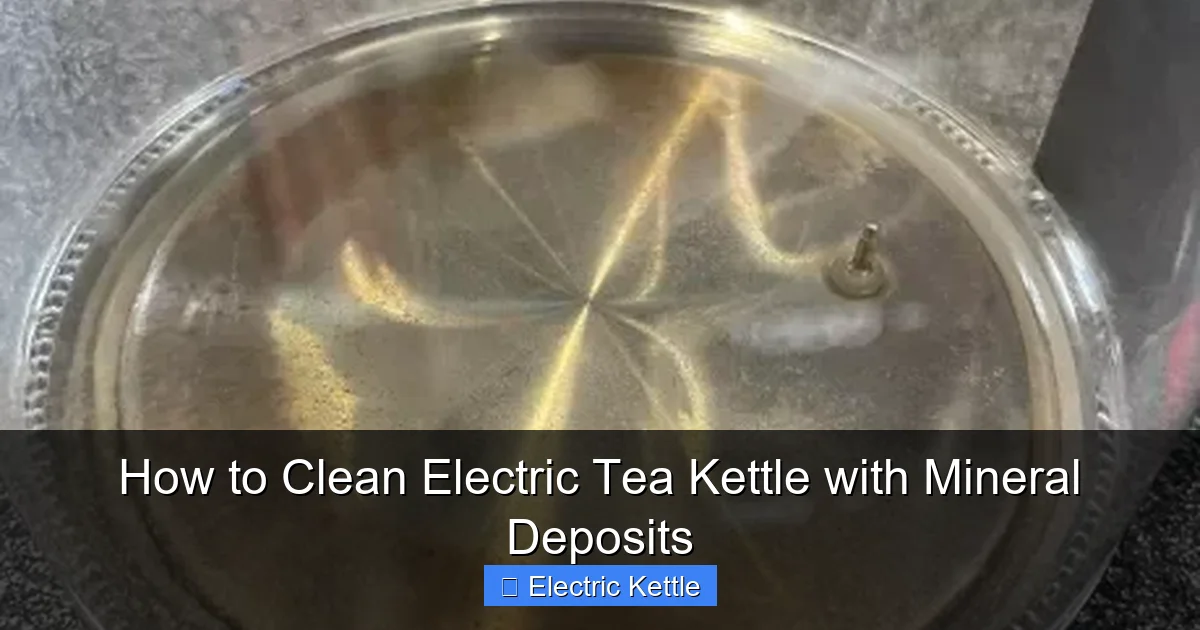
Visual guide about How to Clean Electric Tea Kettle with Mineral Deposits
Image source: irrorwxhiqijjr5q.ldycdn.com
Recognizing when your electric tea kettle needs a deep clean is the first step toward maintaining its performance and hygiene. One of the most obvious signs is visible limescale—a white, gray, or yellowish crust that forms on the interior walls, around the heating element, or near the water level line. You might also notice a cloudy or milky appearance in the water after boiling, especially if you’re using unfiltered tap water.
Another telltale sign is a change in taste. If your tea or coffee starts to taste slightly metallic, chalky, or off, mineral deposits could be leaching into your beverages. This is not only unpleasant but can also indicate that the buildup is advanced. Additionally, if your kettle takes longer than usual to boil water, it’s likely due to the insulating effect of limescale on the heating element. The thicker the deposit, the more energy is required to heat the water, leading to longer wait times and higher electricity bills.
You might also hear unusual sounds during operation, such as popping or cracking noises. These occur when trapped steam builds up behind mineral deposits and suddenly escapes. While not immediately dangerous, these sounds suggest that the heating element is under stress. Finally, if you notice a reduction in water flow from the spout or difficulty pouring, mineral buildup may be clogging the opening.
Cleaning your kettle at the first sign of these issues prevents more serious problems down the line. Waiting too long can make the deposits harder to remove and may even require professional servicing or replacement parts. Regular maintenance ensures your kettle remains safe, efficient, and enjoyable to use.
Safe and Effective Cleaning Methods for Mineral Deposits
When it comes to cleaning an electric tea kettle with mineral deposits, safety and effectiveness go hand in hand. The good news is that you don’t need harsh chemicals or expensive cleaners. In fact, some of the most powerful solutions are already in your kitchen. The key is to use acidic substances that react with and dissolve calcium and magnesium compounds without damaging the kettle’s materials.
The two most popular and reliable methods involve white vinegar and lemon juice. Both are natural acids that break down limescale quickly and safely. Vinegar is particularly effective due to its high acetic acid content, while lemon juice offers a milder alternative with a fresh scent. For stubborn buildup, a combination of both can be used. Always ensure the kettle is unplugged and completely cool before starting any cleaning process.
It’s also important to avoid abrasive tools like steel wool, scouring pads, or metal brushes. These can scratch the interior surface, especially if your kettle has a stainless steel or coated finish. Scratches not only look bad but can also trap bacteria and make future cleaning more difficult. Instead, use a soft sponge, cloth, or even a toothbrush for gentle scrubbing. For hard-to-reach areas like the spout or around the heating element, a cotton swab dipped in cleaning solution works well.
After cleaning, always rinse the kettle thoroughly with clean water multiple times. Residual vinegar or lemon juice can affect the taste of your next brew, so don’t skip this step. Once rinsed, fill the kettle with fresh water, boil it once, and discard the water to ensure any lingering odors or flavors are removed. This final rinse also helps condition the heating element and interior surface.
Using White Vinegar to Clean Your Kettle
White vinegar is one of the most effective and affordable solutions for removing mineral deposits from an electric tea kettle. Its acetic acid content reacts with calcium carbonate—the main component of limescale—breaking it down into soluble compounds that can be easily rinsed away. This method is safe for most kettle materials, including stainless steel, glass, and BPA-free plastic.
To begin, mix equal parts white vinegar and water. For a standard 1-liter kettle, use ½ cup of vinegar and ½ cup of water. Pour the mixture into the kettle, making sure it covers the areas with visible buildup. If the deposits are concentrated around the heating element, tilt the kettle gently to ensure the solution reaches all affected spots.
Let the vinegar solution sit for at least 30 minutes. For heavy buildup, you can leave it overnight. The longer it sits, the more time the acid has to dissolve the minerals. After soaking, turn on the kettle and bring the solution to a boil. Boiling helps accelerate the reaction and loosen stubborn deposits. Once it reaches a rolling boil, turn off the kettle and let it cool for another 15–20 minutes.
Next, pour out the vinegar solution and use a soft sponge or cloth to gently scrub the interior. You’ll notice that the limescale has softened and may even flake off easily. Pay special attention to the heating element and spout. For tight spaces, use a cotton swab or soft-bristled toothbrush. Avoid applying too much pressure, as this can damage delicate components.
After scrubbing, rinse the kettle thoroughly with clean water at least three times. Fill it with fresh water, boil it once, and discard the water to eliminate any vinegar taste or odor. Your kettle should now be clean, shiny, and ready for use. This method can be repeated every 2–4 weeks depending on water hardness and usage frequency.
Lemon Juice as a Natural Alternative
If you’re not a fan of vinegar’s strong smell, lemon juice is an excellent alternative for cleaning your electric tea kettle. Like vinegar, lemon juice contains citric acid, which effectively dissolves mineral deposits. It also leaves behind a fresh, citrusy scent that many people find more pleasant than vinegar.
To use lemon juice, cut a fresh lemon in half and squeeze the juice directly into the kettle. For a 1-liter kettle, use the juice of one whole lemon. Add enough water to fill the kettle about halfway. This ensures the solution covers the areas with buildup while leaving room for expansion during boiling.
Let the lemon juice and water mixture sit for 30 minutes to an hour. The citric acid will begin breaking down the limescale. Then, turn on the kettle and bring the solution to a boil. Boiling helps activate the acid and loosen the deposits. Once it reaches a full boil, turn off the kettle and allow it to cool for 15–20 minutes.
After cooling, pour out the lemon solution and gently scrub the interior with a soft sponge or cloth. You may notice that the mineral deposits have softened and are easier to remove. Use a toothbrush or cotton swab for tight spots around the spout or heating element. Rinse the kettle thoroughly with clean water multiple times to remove any lemon residue.
For extra freshness, you can add a few lemon slices to the rinse water and boil it once before discarding. This not only helps eliminate any lingering taste but also leaves your kettle smelling clean and citrusy. Lemon juice is especially effective for light to moderate buildup and can be used weekly as a preventive measure.
Combining Vinegar and Lemon for Tough Buildup
For severe mineral deposits that resist single-ingredient treatments, combining vinegar and lemon juice can deliver powerful results. This dual-acid approach leverages the strengths of both substances—acetic acid from vinegar and citric acid from lemon—to tackle even the most stubborn limescale.
Start by mixing ¼ cup of white vinegar, ¼ cup of lemon juice, and ½ cup of water. This balanced solution provides strong cleaning power without being overly harsh. Pour the mixture into the kettle, ensuring it covers all affected areas. Let it sit for at least one hour, or overnight for heavy buildup.
After soaking, boil the solution in the kettle. The heat will enhance the chemical reaction, breaking down the mineral crust more effectively. Once boiled, let the kettle cool for 20–30 minutes before pouring out the liquid. Use a soft sponge to gently scrub the interior, focusing on areas with thick deposits.
You may notice that the limescale has turned into a soft, powdery substance that wipes away easily. For persistent spots, use a toothbrush or cotton swab dipped in the cleaning solution. Rinse the kettle thoroughly with clean water at least three times, then boil fresh water once and discard it to remove any residual taste.
This method is ideal for kettles that haven’t been cleaned in months or those used with very hard water. However, due to its strength, it’s best used only when necessary—typically every 2–3 months. Overuse of strong acids can potentially degrade certain materials over time, so moderation is key.
Step-by-Step Guide to Cleaning Your Electric Tea Kettle
Cleaning your electric tea kettle doesn’t have to be complicated. With a clear, step-by-step approach, you can remove mineral deposits quickly and safely. Follow this simple guide to keep your kettle in top condition.
First, unplug the kettle and allow it to cool completely. Never attempt to clean a hot or recently used kettle, as this can cause burns or damage the appliance. Once cool, empty any remaining water and inspect the interior for visible buildup.
Next, choose your cleaning solution—vinegar, lemon juice, or a combination of both. For light buildup, lemon juice is sufficient. For moderate to heavy deposits, use vinegar or the vinegar-lemon mix. Pour the solution into the kettle, making sure it covers the areas with limescale. Fill the rest with water to prevent the solution from becoming too concentrated.
Let the solution sit for at least 30 minutes. For best results, leave it overnight if the buildup is severe. This gives the acid time to penetrate and dissolve the minerals. After soaking, plug in the kettle and bring the solution to a boil. Boiling accelerates the cleaning process and helps loosen stubborn deposits.
Once boiled, turn off the kettle and let it cool for 15–20 minutes. Pour out the cleaning solution and use a soft sponge or cloth to gently scrub the interior. Focus on the heating element, spout, and water level line. For tight spaces, use a toothbrush or cotton swab.
Rinse the kettle thoroughly with clean water at least three times. Fill it with fresh water, boil it once, and discard the water to remove any lingering taste or odor. Your kettle is now clean and ready to use.
Preventing Future Mineral Buildup
While cleaning your electric tea kettle is important, preventing mineral buildup in the first place is even better. A few simple habits can significantly reduce the frequency and severity of limescale formation.
One of the most effective prevention methods is using filtered or distilled water. These water types have lower mineral content, which means less buildup over time. If you live in an area with hard water, consider installing a water softener or using a pitcher filter designed to reduce calcium and magnesium.
Another tip is to empty the kettle after each use. Leaving water sitting in the kettle allows minerals to settle and adhere to the surfaces. By pouring out any remaining water and letting the kettle air dry, you minimize the chance of deposits forming.
Cleaning your kettle regularly—every 2–4 weeks—also helps prevent heavy buildup. Even if you don’t see visible limescale, a quick vinegar or lemon rinse can dissolve early-stage deposits before they become problematic. This proactive approach saves time and effort in the long run.
Finally, avoid overfilling the kettle. Filling it only with the amount of water you need reduces the surface area exposed to mineral-rich water, limiting buildup. It also improves energy efficiency and reduces boiling time.
Conclusion
Keeping your electric tea kettle clean doesn’t have to be a chore. With the right methods and a little consistency, you can easily remove mineral deposits and enjoy better-tasting tea every day. Whether you prefer vinegar, lemon juice, or a combination of both, these natural solutions are safe, effective, and affordable.
Regular cleaning not only improves the taste of your beverages but also extends the life of your kettle. By preventing buildup and addressing it early, you ensure your appliance remains efficient and reliable for years to come. So the next time you notice that chalky film, don’t ignore it—grab a lemon or a bottle of vinegar and give your kettle the care it deserves.
Frequently Asked Questions
Can I use baking soda to clean my electric tea kettle?
Baking soda is mildly abrasive and can help scrub away light buildup, but it’s not as effective as acidic cleaners like vinegar or lemon juice for dissolving mineral deposits. For best results, use it in combination with an acid or stick to vinegar and lemon for deep cleaning.
Is it safe to boil vinegar in my electric kettle?
Yes, boiling vinegar is safe for most electric kettles, including those made of stainless steel, glass, and BPA-free plastic. Just be sure to rinse the kettle thoroughly afterward to remove any vinegar taste or odor.
How often should I clean my electric tea kettle?
Clean your kettle every 2–4 weeks if you use it regularly, especially with hard water. If you notice visible buildup or changes in taste, clean it immediately. Regular maintenance prevents heavy deposits and keeps your kettle performing well.
Can mineral deposits harm my health?
While consuming small amounts of limescale is generally not harmful, it can affect the taste of your tea and indicate that your kettle needs cleaning. Over time, buildup can harbor bacteria, so regular cleaning is important for hygiene.
What if my kettle has a non-stick coating?
Avoid abrasive tools and harsh chemicals on non-stick surfaces. Use vinegar or lemon juice with a soft sponge or cloth. Never use steel wool or metal brushes, as they can scratch and damage the coating.
Can I clean the exterior of my electric kettle the same way?
No, the exterior should be cleaned with a damp cloth and mild soap. Avoid pouring cleaning solutions on the outside, especially near the base or electrical components, to prevent damage or electrical hazards.