Keeping your electric water kettle clean is essential for great-tasting water and long-lasting performance. Regular cleaning removes limescale, mineral buildup, and odors using natural, affordable ingredients like vinegar and lemon. With just a few minutes each month, you can ensure your kettle stays hygienic, efficient, and safe to use.
Your electric water kettle is one of the most-used appliances in your kitchen. Whether you’re brewing morning coffee, steeping afternoon tea, or preparing instant oatmeal, it’s working hard to heat water quickly and efficiently. But over time, even the most reliable kettles can develop problems—strange smells, cloudy water, or that annoying white crust building up inside. That’s limescale, and it’s more than just unsightly. It can affect your kettle’s performance, reduce heating efficiency, and even impact the taste of your beverages.
The good news? Cleaning your electric water kettle is simple, fast, and doesn’t require expensive tools or chemicals. With a few household ingredients and a little routine care, you can keep your kettle in top shape for years. In this guide, we’ll walk you through everything you need to know—from why cleaning matters to step-by-step methods, safety tips, and how often to do it. Whether you’ve just noticed the first signs of buildup or you’re starting a new cleaning habit, this article will help you maintain a clean, safe, and efficient electric water kettle.
Key Takeaways
- Clean your electric water kettle monthly: Regular maintenance prevents limescale buildup and keeps water tasting fresh.
- Use vinegar or lemon for natural cleaning: These eco-friendly options dissolve mineral deposits without harsh chemicals.
- Never submerge the base in water: Only clean the interior and exterior surfaces—never immerse the electrical components.
- Rinse thoroughly after descaling: Multiple rinses ensure no cleaning residue affects your next cup of tea or coffee.
- Descale based on water hardness: If you have hard water, clean your kettle every 2–4 weeks to maintain efficiency.
- Check the manufacturer’s instructions: Some kettles have specific cleaning guidelines—always follow them to avoid damage.
- Store with the lid open: This allows airflow and prevents musty odors from forming inside the kettle.
📑 Table of Contents
- Why Cleaning Your Electric Water Kettle Matters
- Signs It’s Time to Clean Your Electric Water Kettle
- What You’ll Need to Clean Your Electric Water Kettle
- Step-by-Step Guide to Cleaning Your Electric Water Kettle
- Alternative Cleaning Methods
- How Often Should You Clean Your Electric Water Kettle?
- Tips for Maintaining a Clean Electric Water Kettle
- Safety Tips When Cleaning Your Electric Water Kettle
- Troubleshooting Common Cleaning Issues
- Conclusion
Why Cleaning Your Electric Water Kettle Matters
You might think, “It’s just boiling water—how dirty can it get?” But even clean-looking water contains minerals like calcium and magnesium, especially if you live in an area with hard water. When water heats up repeatedly, these minerals settle and form a chalky, white residue called limescale. Over time, this buildup coats the heating element and interior surfaces of your kettle.
Limescale isn’t just a cosmetic issue. It acts as an insulator, making your kettle work harder to heat water. This means longer boiling times, higher energy bills, and increased wear on the heating coil. In severe cases, thick limescale can even cause the kettle to overheat or fail prematurely. Beyond performance, mineral buildup can harbor bacteria and affect the taste of your drinks. That “off” flavor in your tea? It might not be the tea—it could be your kettle.
Cleaning your electric water kettle regularly also helps maintain hygiene. While boiling water kills most bacteria, the interior surfaces—especially around the spout and lid—can collect dust, oils from your hands, and residues from flavored drinks like herbal teas or hot chocolate. Without regular cleaning, these can mix with minerals and create stubborn stains or odors.
Finally, a clean kettle simply works better. You’ll enjoy faster boiling, quieter operation, and water that tastes pure and refreshing. Think of it like changing the oil in your car—small maintenance now prevents big problems later.
Signs It’s Time to Clean Your Electric Water Kettle
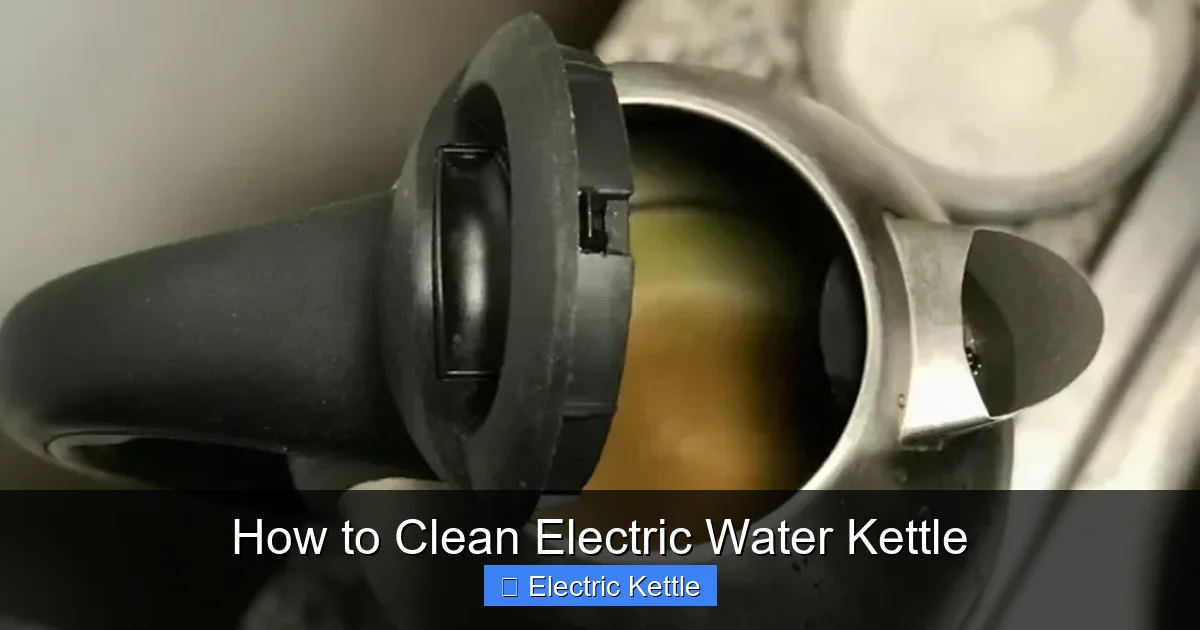
Visual guide about How to Clean Electric Water Kettle
Image source: irrorwxhiqijjr5q.ldycdn.com
You don’t need to wait for a major problem to clean your kettle. In fact, catching buildup early makes cleaning easier and more effective. Here are the most common signs that your electric water kettle needs attention:
Visible Limescale or White Residue
The most obvious sign is a white, chalky film on the inside of the kettle, especially around the heating element or base. This is limescale—mineral deposits left behind after water evaporates. If you see this, it’s time to descale.
Slow Boiling or Longer Heating Times
If your kettle takes noticeably longer to boil water than it used to, limescale might be insulating the heating coil. This reduces heat transfer and forces the kettle to work harder.
Unusual Odors or Off Tastes
Even after boiling, your water or tea might smell or taste strange—metallic, musty, or just “off.” This can happen when mineral buildup mixes with residues from flavored drinks or dust.
Rusty or Discolored Spots
Some kettles, especially those with stainless steel interiors, can develop rust spots if water sits for too long or if the kettle isn’t dried properly. These spots can flake off and contaminate your water.
Gurgling or Noisy Operation
A kettle that gurgles, sputters, or makes loud noises during heating may have mineral buildup blocking water flow or trapping steam. This is not only annoying but can also be a sign of reduced efficiency.
Water Doesn’t Drain Completely
If water pools at the bottom after pouring, mineral deposits might be blocking the spout or valve. This can lead to stagnant water and bacterial growth.
If you notice any of these signs, don’t wait—clean your kettle right away. The sooner you address buildup, the easier it will be to remove.
What You’ll Need to Clean Your Electric Water Kettle
The best part about cleaning your electric water kettle? You probably already have everything you need at home. No special tools or expensive cleaners required. Here’s a simple list of supplies:
- White vinegar: The most effective natural descaler. It dissolves limescale and mineral deposits quickly and safely.
- Lemon juice: A great alternative to vinegar, especially if you prefer a fresher scent. Lemon’s citric acid works similarly to vinegar.
- Baking soda: Useful for scrubbing stubborn stains or neutralizing odors. Best used after descaling.
- Soft sponge or brush: A non-abrasive sponge or bottle brush helps scrub without scratching the interior.
- Clean cloth or paper towels: For wiping down the exterior and drying the kettle.
- Water: For rinsing and diluting cleaning solutions.
Optional but helpful:
- Toothbrush: Great for cleaning around the spout, lid, and hard-to-reach areas.
- Kettle descaling solution: Commercial products are available, but natural methods are usually just as effective and cheaper.
- Rubber gloves: Protect your hands if you have sensitive skin or are using strong vinegar solutions.
Always check your kettle’s user manual before cleaning. Some models have specific recommendations—like avoiding certain cleaners or not submerging parts. When in doubt, stick to natural, non-abrasive methods.
Step-by-Step Guide to Cleaning Your Electric Water Kettle
Now that you know why cleaning matters and what supplies to use, let’s get into the actual process. Follow these simple steps to clean your electric water kettle safely and effectively.
Step 1: Unplug and Cool Down
Safety first! Always unplug your kettle and let it cool completely before cleaning. Never attempt to clean a hot or recently used kettle—this can cause burns or damage the appliance.
Step 2: Empty and Rinse
Pour out any remaining water. Rinse the interior with clean water to remove loose debris or residue. This makes the next steps more effective.
Step 3: Prepare the Cleaning Solution
For light buildup, mix equal parts white vinegar and water (e.g., 1 cup vinegar + 1 cup water). For heavy limescale, use undiluted vinegar or a stronger 2:1 vinegar-to-water ratio. Alternatively, use fresh lemon juice—cut a lemon in half and squeeze the juice into the kettle, then add water to cover the affected areas.
Step 4: Fill and Soak
Pour the cleaning solution into the kettle, making sure it covers the limescale buildup—especially around the heating element. Let it sit for at least 30 minutes. For tough deposits, soak overnight. The acid in vinegar or lemon will break down the minerals.
Step 5: Boil the Solution (Optional but Effective)
For faster results, plug in the kettle and bring the solution to a boil. Let it boil for 5–10 minutes, then turn off and unplug. The heat accelerates the descaling process. Be cautious—vinegar fumes can be strong, so open a window or turn on a fan.
Step 6: Scrub Gently
After soaking (and boiling, if used), use a soft sponge or brush to gently scrub the interior. Focus on areas with visible buildup. For stubborn spots, sprinkle a little baking soda on the sponge for extra abrasion. Avoid steel wool or harsh scrubbers—they can scratch the surface.
Step 7: Rinse Thoroughly
Empty the kettle and rinse it several times with clean water. Fill it up, swish the water around, and pour it out. Repeat 3–5 times to ensure no vinegar or lemon taste remains. This step is crucial—residual cleaner can affect the taste of your drinks.
Step 8: Wipe the Exterior
While the interior soaks, wipe down the outside of the kettle with a damp cloth. Use a mild soap solution if needed, but avoid getting water near the electrical base. Dry with a clean towel.
Step 9: Run a Rinse Cycle
Fill the kettle with fresh water, boil it, and pour it out. This final rinse cycle helps remove any lingering taste or odor. Repeat once if needed.
Step 10: Dry and Store
Leave the lid open and let the kettle air dry completely before storing. This prevents moisture buildup and musty smells.
Alternative Cleaning Methods
While vinegar and lemon are the most popular options, there are other ways to clean your electric water kettle depending on your preferences or available supplies.
Baking Soda Paste for Stains and Odors
If your kettle has dark stains or persistent odors, try a baking soda paste. Mix 2–3 tablespoons of baking soda with a little water to form a thick paste. Apply it to the stained areas and let it sit for 15–20 minutes. Scrub gently with a soft brush, then rinse thoroughly. Baking soda is mildly abrasive and great for scrubbing without scratching.
Commercial Descaling Solutions
Many brands sell kettle descalers in liquid or tablet form. These are convenient and often formulated for specific kettle types. Follow the instructions carefully—some require dilution, while others are used full strength. While effective, they’re usually more expensive than vinegar and may contain chemicals you’d rather avoid.
Apple Cider Vinegar (With Caution)
Apple cider vinegar also contains acetic acid and can descale your kettle. However, it has a stronger smell and may leave a fruity residue. If you use it, rinse extra thoroughly. White vinegar is generally preferred for its neutral scent and lower cost.
Citric Acid Powder
Common in commercial cleaners, citric acid is a powerful descaler. Dissolve 1–2 teaspoons in warm water and use it like vinegar. It’s odorless and very effective, but less common in households.
Boiling Water with Salt
For light cleaning, boiling water with a tablespoon of salt can help loosen minor buildup. Scrub afterward with a sponge. This method is less effective for heavy limescale but works in a pinch.
How Often Should You Clean Your Electric Water Kettle?
The frequency of cleaning depends on how often you use your kettle and the hardness of your water. Here’s a general guide:
- Soft water (low mineral content): Clean every 2–3 months.
- Moderate water hardness: Clean every 4–6 weeks.
- Hard water (high mineral content): Clean every 2–4 weeks.
If you use your kettle multiple times a day—especially for flavored drinks like tea, coffee, or hot chocolate—you may need to clean it more often. Residues from these drinks can mix with minerals and create stubborn stains.
A good rule of thumb: if you notice any of the signs mentioned earlier (slow boiling, odor, visible buildup), clean it right away—don’t wait for your scheduled cleaning.
Tips for Maintaining a Clean Electric Water Kettle
Cleaning doesn’t have to be a chore. With a few smart habits, you can keep your kettle fresh between deep cleans.
Empty After Each Use
Don’t let water sit in the kettle for long periods. Stagnant water promotes mineral buildup and bacterial growth. Pour out any unused water after boiling.
Use Filtered Water
Filtered water has fewer minerals, which means less limescale. If you have hard water, consider using a water filter pitcher or installing a faucet filter.
Wipe the Exterior Daily
A quick wipe with a damp cloth removes fingerprints, dust, and spills. This keeps your kettle looking clean and prevents grime from building up.
Store with the Lid Open
Allowing airflow prevents moisture from trapping inside, which can lead to mold or musty odors.
Avoid Overfilling
Filling beyond the max line can cause water to spill into the base during boiling, potentially damaging the electrical components.
Check the Spout and Lid
Periodically inspect the spout and lid for clogs or residue. Use a toothbrush to clean small crevices where buildup can hide.
Safety Tips When Cleaning Your Electric Water Kettle
While cleaning is simple, it’s important to follow safety guidelines to avoid damage or injury.
- Never submerge the base: The electrical components must stay dry. Only clean the interior and exterior surfaces.
- Unplug before cleaning: Always disconnect the kettle from the power source.
- Avoid abrasive tools: Steel wool, scouring pads, or harsh chemicals can scratch or damage the interior.
- Ventilate when using vinegar: Vinegar fumes can be strong—open a window or use a fan.
- Don’t use bleach or ammonia: These chemicals can react with minerals and create toxic fumes.
- Test after cleaning: Boil a full kettle of water and pour it out before making your first drink. This ensures no cleaning residue remains.
Troubleshooting Common Cleaning Issues
Even with proper cleaning, you might run into a few problems. Here’s how to handle them:
Vinegar Taste Lingers After Cleaning
This usually means you didn’t rinse thoroughly. Run 2–3 rinse cycles with fresh water, boiling each time. Adding a slice of lemon to the final rinse can help neutralize the taste.
Limescale Keeps Coming Back Quickly
You likely have very hard water. Consider using a water softener or switching to filtered water. Clean more frequently—every 2 weeks if needed.
Kettle Still Smells Musty
This could be mold or bacteria in hidden areas. Try a baking soda soak (1/2 cup baking soda in water) followed by a vinegar rinse. Let it air dry completely with the lid open.
Heating Element Still Covered in Buildup
For stubborn deposits, repeat the vinegar soak and boiling process. Use a soft brush to gently scrub around the element—never use metal tools.
Exterior Finish Is Damaged
Avoid harsh cleaners on painted or coated surfaces. Use a mild soap and soft cloth. For stainless steel, a microfiber cloth works best.
Conclusion
Cleaning your electric water kettle is one of the simplest ways to protect your health, improve your drinking experience, and extend the life of your appliance. With just vinegar, water, and a few minutes of your time each month, you can prevent limescale, eliminate odors, and ensure your water tastes fresh and pure.
Don’t wait for problems to appear—make cleaning a regular part of your kitchen routine. Whether you use vinegar, lemon, or baking soda, the key is consistency and thorough rinsing. And remember: a clean kettle isn’t just about appearance—it’s about performance, safety, and enjoying every sip.
So the next time you reach for your kettle, take a moment to check its condition. A little care goes a long way. Your taste buds—and your kettle—will thank you.
Frequently Asked Questions
Can I use bleach to clean my electric water kettle?
No, never use bleach or ammonia-based cleaners. These chemicals can react with minerals and leave toxic residues that are unsafe to ingest. Stick to natural cleaners like vinegar or lemon.
How do I clean the outside of my electric kettle?
Wipe the exterior with a damp cloth and mild soap. Avoid getting water near the electrical base. Dry with a soft towel. For stainless steel, use a microfiber cloth to prevent scratches.
Is it safe to boil vinegar in my kettle?
Yes, boiling vinegar is safe and effective for descaling. Just ensure good ventilation, as the fumes can be strong. Always rinse thoroughly afterward.
Can I clean my kettle with just water?
Boiling water alone can help loosen light buildup, but it won’t remove limescale or odors. For a thorough clean, use vinegar, lemon, or another descaling agent.
How do I know if my water is hard?
Hard water leaves white spots on dishes, reduces soap lather, and causes limescale in appliances. You can also buy a water hardness test strip or check your local water report online.
What if my kettle has a plastic interior?
Avoid abrasive scrubbers and strong chemicals. Vinegar and lemon are still safe, but rinse extra thoroughly to prevent taste transfer. Check the manufacturer’s guidelines for plastic-safe cleaning.