Keeping your glass electric tea kettle clean ensures better-tasting tea and extends the appliance’s life. This guide covers safe, effective cleaning methods using vinegar, lemon, and baking soda to remove limescale, stains, and odors without damaging the glass or heating element.
Key Takeaways
- Clean regularly to prevent buildup: Limescale and mineral deposits form quickly, especially in hard water areas, so clean your kettle every 1–2 weeks.
- Use natural cleaners like vinegar or lemon: These are safe, effective, and won’t harm the glass or internal components.
- Never submerge the base: Only the kettle portion should be cleaned—never immerse the electrical base in water.
- Rinse thoroughly after cleaning: Residue from cleaning solutions can affect taste, so always rinse well before reuse.
- Avoid abrasive tools: Use soft sponges or brushes to prevent scratching the glass surface.
- Descale the heating element safely: Use a cotton swab with vinegar to gently clean around the element without disassembly.
- Maintain with routine care: Wipe the exterior daily and empty leftover water to reduce buildup.
📑 Table of Contents
- Why Cleaning Your Glass Electric Tea Kettle Matters
- What You’ll Need to Clean Your Glass Electric Tea Kettle
- Step-by-Step Guide to Cleaning a Glass Electric Tea Kettle
- Alternative Cleaning Methods for Tough Stains and Odors
- How to Clean the Exterior and Maintain Shine
- Tips for Preventing Buildup and Extending Kettle Life
- Common Mistakes to Avoid When Cleaning
- Conclusion
Why Cleaning Your Glass Electric Tea Kettle Matters
A glass electric tea kettle isn’t just a stylish kitchen appliance—it’s a daily workhorse that brews your morning tea, heats water for coffee, or prepares instant soups. But over time, even the most elegant glass kettle can fall victim to unsightly buildup, strange odors, and reduced performance. That’s why knowing how to clean a glass electric tea kettle properly is essential for both taste and longevity.
Mineral deposits, commonly known as limescale, are the main culprit. They form when hard water—water high in calcium and magnesium—is heated repeatedly. These white, chalky deposits cling to the interior glass walls, the heating element, and even the spout. Not only do they look unappealing, but they can also affect the kettle’s heating efficiency, increase energy use, and leave a metallic or bitter taste in your beverages. In severe cases, thick limescale can even cause the kettle to overheat or malfunction.
Beyond limescale, residue from tea, coffee, or flavored drinks can build up inside the kettle. This organic buildup can harbor bacteria or mold, especially if the kettle isn’t dried properly after use. Plus, lingering odors from strong teas like chai or herbal blends can transfer to your next cup of green tea, ruining the delicate flavor. Regular cleaning keeps your kettle hygienic, efficient, and ready to deliver pure, great-tasting hot water every time.
What You’ll Need to Clean Your Glass Electric Tea Kettle
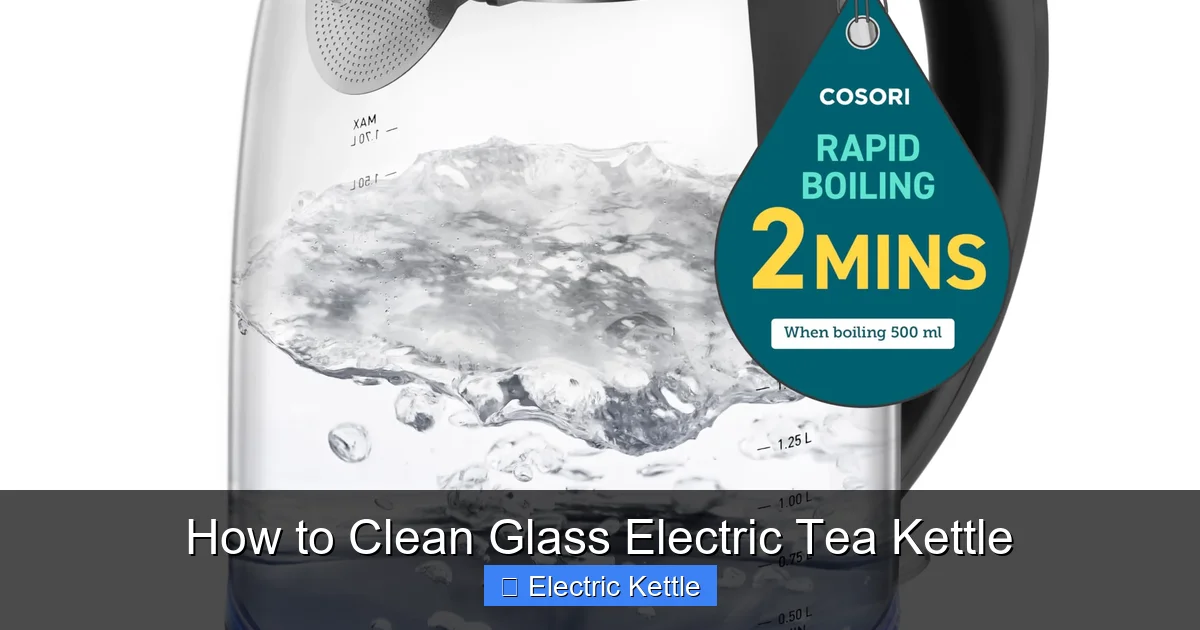
Visual guide about How to Clean Glass Electric Tea Kettle
Image source: m.media-amazon.com
Before you start scrubbing, gather the right tools and supplies. The good news? You probably already have most of them in your kitchen. The key is using gentle, non-abrasive methods that won’t scratch the glass or damage the internal components.
Start with basic household items like white vinegar, lemon juice, or baking soda—these natural cleaners are effective, affordable, and safe for food-contact surfaces. White vinegar is particularly powerful against limescale, while lemon adds a fresh scent and has mild antibacterial properties. Baking soda works well for scrubbing stubborn stains without scratching.
You’ll also need soft cleaning tools. A non-abrasive sponge, a soft-bristled bottle brush, or even a clean toothbrush can help reach tight spots like the spout or around the heating element. Avoid steel wool, harsh scouring pads, or metal brushes—they can scratch the glass and create tiny grooves where bacteria and minerals hide.
For drying and polishing, use a microfiber cloth. It’s gentle on glass and leaves a streak-free shine. And don’t forget a measuring cup or funnel if you’re using liquid cleaners—this makes pouring easier and reduces spills.
Finally, always have a clean towel or paper towels on hand for wiping down the exterior and drying the kettle after cleaning. And remember: never clean the electrical base with water or cleaning solutions. Use a damp cloth for the outside only, and unplug the kettle before starting any cleaning routine.
Step-by-Step Guide to Cleaning a Glass Electric Tea Kettle
Cleaning your glass electric tea kettle doesn’t have to be complicated. With a few simple steps, you can restore it to like-new condition in under 30 minutes. The most effective method uses a vinegar-water solution, but lemon juice works just as well if you prefer a more natural scent. Here’s how to do it safely and thoroughly.
Step 1: Unplug and Cool Down
Safety first! Always unplug the kettle and let it cool completely before cleaning. Hot water and cleaning solutions can create steam or cause burns, and working on a hot appliance increases the risk of damage. Give it at least 30 minutes to cool, especially if you’ve just boiled water.
Step 2: Empty and Rinse
Pour out any remaining water, even if it’s just a few drops. Leftover water can dilute your cleaning solution and reduce its effectiveness. Give the interior a quick rinse with warm water to remove loose debris or tea residue.
Step 3: Prepare the Cleaning Solution
For light buildup, mix equal parts white vinegar and water—about 1 cup each. For heavier limescale, use undiluted vinegar or increase the vinegar ratio to 2:1 (vinegar to water). If you’d rather avoid the vinegar smell, substitute fresh lemon juice. Cut a lemon in half and squeeze the juice into the kettle, then add enough water to cover the affected areas.
Step 4: Let It Soak
Pour the solution into the kettle, making sure it covers all stained or scaled areas, including the heating element and spout. Let it sit for at least 30 minutes—or up to an hour for tough buildup. The acid in vinegar or lemon will break down mineral deposits without scrubbing.
Step 5: Scrub Gently
After soaking, use a soft sponge or bottle brush to gently scrub the interior. Focus on areas with visible scale or stains. For the heating element, dip a cotton swab in vinegar and carefully clean around the base—don’t force it or try to remove the element. The spout can be tricky; a small brush or toothbrush works well here.
Step 6: Rinse Thoroughly
Empty the cleaning solution and rinse the kettle at least three times with clean water. Any vinegar or lemon residue can affect the taste of your next brew, so don’t skip this step. Swirl the water around to reach all surfaces, then pour it out.
Step 7: Boil and Discard
Fill the kettle with fresh water, boil it, and pour it out. This final step ensures any remaining cleaning solution is completely removed. Repeat once if you still detect a vinegar or lemon taste.
Step 8: Dry and Polish
Wipe the interior with a clean cloth or let it air dry with the lid open. Use a microfiber cloth to polish the exterior glass for a streak-free shine. Reassemble and plug in when ready to use.
Alternative Cleaning Methods for Tough Stains and Odors
While vinegar and lemon are go-to solutions, sometimes you need a little extra power for stubborn stains or persistent odors. Fortunately, there are several safe alternatives that work well on glass electric tea kettles.
Baking Soda Paste for Stubborn Stains
If you notice dark or cloudy patches inside the glass—often caused by tea tannins or mineral discoloration—try a baking soda paste. Mix 2–3 tablespoons of baking soda with a small amount of water to form a thick paste. Apply it to the stained areas using a soft cloth or sponge, let it sit for 10–15 minutes, then scrub gently. Baking soda is mildly abrasive but won’t scratch glass, making it ideal for spot cleaning. Rinse thoroughly afterward.
Salt and Lemon for Extra Shine
For a natural polish, combine coarse salt with lemon juice. The salt acts as a gentle scrub, while the lemon cuts through grease and leaves a fresh scent. Sprinkle salt into the kettle, squeeze in half a lemon, and use a cloth to rub the mixture over the interior. This method works especially well for removing tea stains and restoring clarity to cloudy glass.
Commercial Descaling Solutions
If you prefer a ready-made product, look for eco-friendly descaling solutions designed for kettles and coffee makers. These are typically citric acid-based and safe for glass and heating elements. Follow the instructions on the label—usually involving diluting the solution, boiling it, and rinsing thoroughly. Avoid harsh chemical cleaners like bleach or ammonia, as they can damage the kettle and leave toxic residues.
Activated Charcoal for Odor Removal
If your kettle has a lingering smell—perhaps from brewing strong spices or herbal teas—try activated charcoal. Place a few charcoal tablets or a small sachet inside the kettle, fill it with water, and let it sit overnight. Charcoal absorbs odors naturally. In the morning, rinse well and boil fresh water to complete the process.
Prevention Tip: Use Filtered Water
One of the best ways to reduce cleaning frequency is to use filtered or distilled water. This minimizes mineral content and slows limescale formation. If you live in a hard water area, consider installing a water filter or using a pitcher filter for your kettle. It’s a small investment that pays off in cleaner kettles and better-tasting drinks.
How to Clean the Exterior and Maintain Shine
While the interior gets most of the attention, the exterior of your glass electric tea kettle deserves care too. Fingerprints, water spots, and dust can dull the glass and make your appliance look neglected. Regular cleaning keeps it looking sleek and professional.
Wipe Down Daily
After each use, wipe the outside with a damp microfiber cloth. This removes water droplets, smudges, and light dust before they dry and become harder to remove. For quick touch-ups, a dry cloth works too—just avoid paper towels, which can leave lint or scratch the surface.
Deep Clean Weekly
Once a week, give the exterior a deeper clean. Mix a few drops of mild dish soap with warm water. Dip a soft cloth into the solution, wring it out well, and wipe the glass surface. Pay attention to the handle, lid, and base where grease and fingerprints accumulate. Rinse the cloth and wipe again with clean water to remove soap residue.
Remove Water Spots and Hard Water Stains
If you notice white spots or streaks—common in areas with hard water—use a vinegar-water solution (1:1 ratio). Dampen a cloth with the mixture and gently rub the affected areas. Let it sit for a minute, then wipe with a clean, damp cloth. For stubborn spots, repeat or use a bit of baking soda paste. Always dry with a microfiber cloth to prevent new spots from forming.
Polish for a Crystal-Clear Finish
To restore shine, use a glass cleaner or a homemade polish. Mix equal parts water and rubbing alcohol in a spray bottle, add a drop of dish soap, and shake gently. Spray lightly on the glass, then buff with a microfiber cloth in circular motions. This leaves a streak-free, mirror-like finish.
Avoid Heat and Direct Sunlight
While glass is durable, prolonged exposure to heat or sunlight can cause discoloration or weaken the material over time. Store your kettle in a cool, dry place when not in use, and avoid placing it near stovetops or windows where it might get too hot.
Tips for Preventing Buildup and Extending Kettle Life
Cleaning is important, but prevention is even better. With a few simple habits, you can keep your glass electric tea kettle in top condition with minimal effort.
Empty After Each Use
Don’t let water sit in the kettle overnight. Stagnant water promotes mineral buildup and can encourage mold or bacteria growth. After boiling, pour out any unused water and leave the lid open to air dry.
Descale Regularly
Even with filtered water, some mineral buildup is inevitable. Make descaling a monthly habit—or more often if you live in a hard water area. A quick vinegar soak every few weeks prevents major cleanups later.
Use the Right Water Level
Avoid overfilling the kettle. Most models have a “max” fill line for a reason—excess water can splash into the base or cause overheating. Similarly, don’t run the kettle with very little water, as this can damage the heating element.
Handle with Care
Glass kettles are durable but not indestructible. Avoid dropping or knocking them against hard surfaces. When pouring, do so slowly to prevent splashing and water spots.
Check the Filter
Many glass electric kettles have a mesh filter in the spout to catch tea leaves or debris. Remove it regularly and rinse under warm water. If it’s clogged, soak it in vinegar to dissolve buildup.
Store Properly
When not in use, store the kettle in a cabinet or on a counter away from moisture and heat sources. Keep the lid closed to prevent dust from entering, but don’t seal it tightly if there’s any moisture inside—this can lead to mold.
Common Mistakes to Avoid When Cleaning
Even with the best intentions, it’s easy to make mistakes that can damage your kettle or reduce its lifespan. Here are some common pitfalls to watch out for.
Using Abrasive Cleaners or Tools
Steel wool, harsh scouring powders, or metal brushes may seem effective, but they scratch glass and create micro-abrasions where bacteria and minerals hide. Stick to soft sponges, brushes, and natural cleaners.
Submerging the Base
The electrical base contains sensitive components that can short-circuit if exposed to water. Never immerse it, even partially. Clean only the kettle portion and wipe the base with a damp cloth.
Ignoring the Heating Element
The heating element is often overlooked, but it’s a hotspot for limescale. Clean it gently with a vinegar-soaked cotton swab—don’t pry or remove it, as this can void the warranty or cause damage.
Skipping the Rinse
Residual vinegar or lemon can leave a sour taste in your tea. Always rinse thoroughly and boil fresh water before your first use after cleaning.
Using Hot Water with Vinegar
While it might seem logical to speed up the process, mixing vinegar with very hot water can release strong fumes and reduce effectiveness. Let the kettle cool first, then use room-temperature or warm vinegar solution.
Overcleaning
Cleaning too frequently with strong acids can degrade seals or coatings over time. Stick to monthly deep cleans unless you notice buildup sooner.
Conclusion
A clean glass electric tea kettle isn’t just about appearances—it’s about performance, taste, and safety. Regular cleaning removes limescale, prevents odors, and ensures your kettle heats efficiently and lasts for years. With simple, natural methods like vinegar, lemon, and baking soda, you can keep your kettle sparkling without harsh chemicals or expensive products.
By following the steps in this guide—soaking, scrubbing gently, rinsing thoroughly, and maintaining daily habits—you’ll enjoy pure, great-tasting hot water every time. Remember to clean the exterior, care for the heating element, and avoid common mistakes like submerging the base or using abrasive tools.
Ultimately, a little maintenance goes a long way. Make cleaning your glass electric tea kettle a regular part of your kitchen routine, and you’ll wonder how you ever lived without it. Your tea—and your kettle—will thank you.
Frequently Asked Questions
How often should I clean my glass electric tea kettle?
Clean your kettle every 1–2 weeks if you use it daily, or more often if you live in a hard water area. Light cleaning can be done weekly, while deep descaling is best done monthly.
Can I use bleach to clean my glass kettle?
No, avoid bleach and other harsh chemicals. They can damage the glass, seals, and heating element, and may leave toxic residues. Stick to vinegar, lemon, or baking soda.
Is it safe to boil vinegar in my electric kettle?
Yes, boiling a diluted vinegar solution (1:1 with water) is safe and effective for descaling. Just rinse thoroughly afterward and boil fresh water to remove any taste.
Why is there a white film in my kettle?
The white film is limescale, caused by mineral deposits in hard water. It’s harmless but affects taste and efficiency. Regular cleaning with vinegar or lemon removes it.
Can I clean the heating element directly?
Yes, but gently. Use a cotton swab dipped in vinegar to clean around the element. Don’t remove or scrub it aggressively, as this can cause damage.
My kettle smells weird—how do I fix it?
Odors often come from tea residue or bacteria. Clean with vinegar or lemon, then try soaking with activated charcoal overnight to absorb lingering smells.