Hard water buildup in your electric kettle doesn’t have to be a daily frustration. With the right cleaning techniques—like vinegar soaks and citric acid scrubs—you can remove limescale, improve heating efficiency, and keep your kettle tasting fresh and working like new.
Key Takeaways
- Hard water leaves mineral deposits (limescale) that reduce heating efficiency and affect taste. Regular cleaning prevents buildup and extends your kettle’s lifespan.
- White vinegar is the most effective and affordable solution for descaling. It dissolves calcium and magnesium deposits safely without damaging internal components.
- Always unplug the kettle and let it cool completely before cleaning. Safety first—never submerge the base or electrical parts in water.
- A 1:1 vinegar-to-water solution works best for moderate buildup. For heavy scaling, use full-strength vinegar and soak longer.
- Rinse thoroughly after descaling to avoid vinegar taste in your next brew. Run 2–3 cycles with clean water to flush out residue.
- Prevent future buildup by using filtered or distilled water when possible. This reduces mineral content and minimizes scaling over time.
- Clean your electric kettle every 2–4 weeks if you have hard water. Consistent maintenance keeps performance optimal and water tasting clean.
📑 Table of Contents
Why Hard Water Buildup Is a Problem in Electric Kettles
If you’ve ever noticed a chalky white or gray film inside your electric kettle—especially around the heating element or on the interior walls—you’re dealing with hard water residue. This isn’t just unsightly; it’s a sign that mineral deposits, primarily calcium and magnesium, are accumulating over time. Hard water contains high levels of these dissolved minerals, which become concentrated as water heats and evaporates during each use.
Over time, this buildup—commonly called limescale—forms a thick crust that clings to surfaces inside your kettle. While it might seem harmless at first, limescale can seriously impact your appliance’s performance. It acts as an insulator, reducing heat transfer efficiency and forcing your kettle to work harder and longer to boil water. This not only increases energy consumption but can also shorten the lifespan of the heating element. In severe cases, the buildup can cause overheating, trigger automatic shut-offs, or even lead to permanent damage.
Beyond functionality, limescale can affect the taste and smell of your water. That faint metallic or “off” flavor in your morning tea or coffee? It could be due to mineral deposits leaching into your brew. And if you’ve ever noticed a gritty texture or floating particles in your cup, that’s likely tiny flakes of scale breaking loose during heating. No one wants to drink that.
The good news? Cleaning hard water from your electric kettle is simple, safe, and doesn’t require harsh chemicals. With a few household ingredients and a little routine care, you can keep your kettle running smoothly and your drinks tasting pure. Whether you live in an area with notoriously hard water or just want to maintain your appliance in top condition, regular descaling is a small effort that pays big dividends.
Signs Your Electric Kettle Needs Cleaning
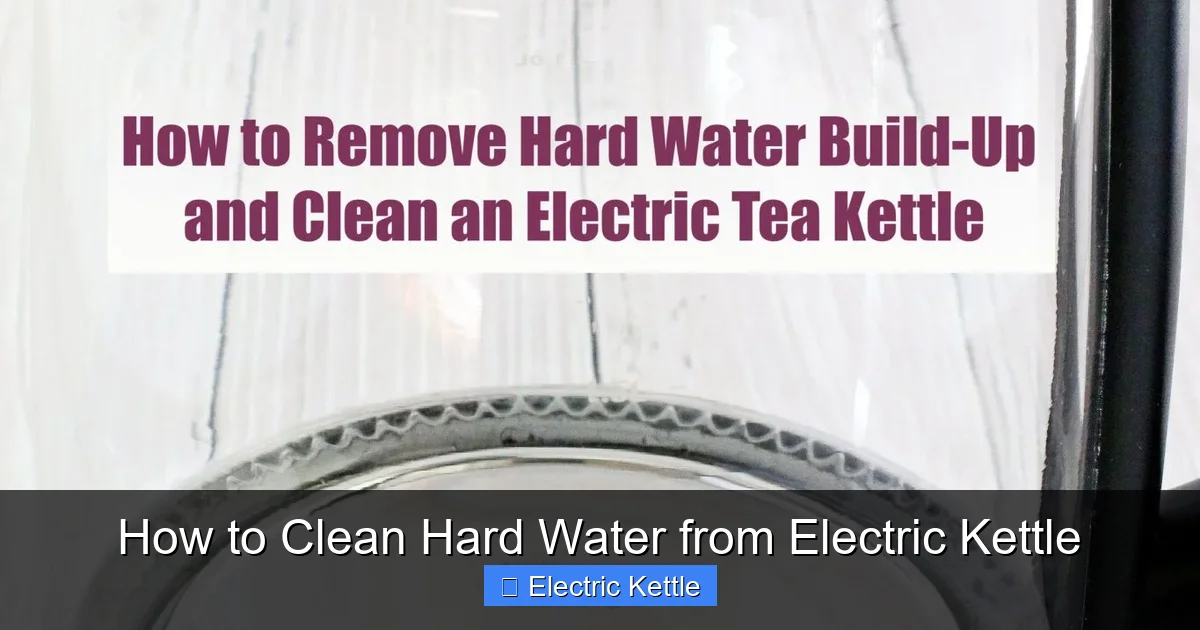
Visual guide about How to Clean Hard Water from Electric Kettle
Image source: i.pinimg.com
Knowing when to clean your electric kettle is half the battle. While some buildup is invisible at first, there are clear warning signs that it’s time to descale. One of the most obvious indicators is visible limescale—those white, flaky deposits clinging to the interior walls, spout, or around the heating coil. If you see a crusty layer, especially near the bottom where water heats most intensely, it’s definitely time for a deep clean.
Another telltale sign is slower boiling times. If your kettle used to boil water in under three minutes but now takes five or more, mineral buildup could be insulating the heating element. This forces the kettle to use more energy to reach the same temperature, which you might also notice in higher electricity bills over time.
Unusual noises during operation—like popping, crackling, or sizzling sounds—can also point to limescale. These noises occur when trapped steam bubbles form under the scale layer, causing it to vibrate or shift. While not always dangerous, they’re a strong signal that your kettle is under stress.
You might also notice changes in water taste or odor. Even if you can’t see the scale, dissolved minerals can give your water a slightly metallic, chalky, or “stale” flavor. This is especially noticeable in hot beverages like tea or coffee, where subtle flavors are more pronounced.
Finally, if your kettle has a built-in filter or mesh screen in the spout, check it regularly. A clogged filter with white residue is a clear sign of hard water buildup. Some kettles also have indicator lights or alerts for descaling—don’t ignore them! These features are designed to help you maintain optimal performance.
If you spot any of these signs, don’t wait. The longer limescale sits, the harder it becomes to remove. A quick cleaning now can save you from costly repairs or replacements down the line.
Best Natural Methods to Clean Hard Water from Electric Kettle
When it comes to cleaning hard water from your electric kettle, you don’t need expensive commercial descalers or harsh chemicals. In fact, some of the most effective solutions are already in your kitchen pantry. Natural, non-toxic ingredients like white vinegar, lemon juice, and citric acid are powerful at breaking down mineral deposits while being safe for you and your appliance.
White vinegar is the gold standard for descaling. Its acetic acid content dissolves calcium and magnesium buildup without damaging the kettle’s interior. It’s affordable, widely available, and leaves no harmful residues when rinsed properly. For most kettles, a simple 1:1 mixture of white vinegar and water does the trick. Fill the kettle to about halfway, add the vinegar, and let it sit for 30 minutes to an hour. For heavier buildup, use full-strength vinegar and extend the soak time to 2–3 hours.
Lemon juice is another excellent option, especially if you prefer a fresher scent. The citric acid in lemons works similarly to vinegar, breaking down limescale naturally. Simply cut a lemon in half, squeeze the juice into the kettle, and add a few lemon slices for extra effect. Fill with water, let it soak for an hour, then boil and rinse. The bonus? Your kettle will smell citrusy clean.
Citric acid powder is a concentrated alternative that’s especially effective for stubborn scale. You can find it in the canning section of grocery stores or online. Mix 1–2 tablespoons of citric acid with a liter of water, pour it into the kettle, and let it sit for 1–2 hours. For tough jobs, bring the solution to a boil, then turn off the heat and soak overnight. This method is fast, efficient, and leaves no odor.
Baking soda can also help, though it’s better for light cleaning or as a follow-up scrub. Make a paste with baking soda and a little water, apply it to visible scale with a soft sponge, and gently scrub. Then rinse and run a vinegar cycle to neutralize any residue.
No matter which method you choose, always rinse thoroughly afterward. Run the kettle through 2–3 cycles with clean water to ensure no cleaning solution remains. This prevents any off-tastes in your next cup of tea or coffee.
Step-by-Step Guide: Cleaning with White Vinegar
White vinegar is the most popular and reliable method for cleaning hard water from electric kettles. Here’s a simple, step-by-step process to get your kettle sparkling clean:
1. **Unplug and Cool Down**: Always start by unplugging the kettle and letting it cool completely. Never clean a hot or recently used kettle—this prevents burns and protects the heating element.
2. **Empty and Rinse**: Pour out any remaining water and give the interior a quick rinse to remove loose debris.
3. **Mix the Solution**: Combine equal parts white vinegar and water. For a standard 1-liter kettle, use 500ml of vinegar and 500ml of water. If your kettle has heavy buildup, use full-strength vinegar.
4. **Fill and Soak**: Pour the solution into the kettle, making sure it covers all affected areas, especially the heating element. Let it sit for at least 30 minutes. For severe scaling, soak for 1–2 hours or even overnight.
5. **Boil (Optional)**: For faster results, bring the vinegar solution to a boil, then turn off the heat and let it sit for another 15–20 minutes. The heat helps accelerate the descaling process.
6. **Scrub Gently**: After soaking, use a soft sponge or brush to gently scrub away any remaining scale. Avoid abrasive scrubbers that could scratch the interior.
7. **Rinse Thoroughly**: Pour out the vinegar solution and rinse the kettle 2–3 times with clean water. Fill it with fresh water, boil, and discard the water. Repeat this cycle 2–3 times to eliminate any vinegar taste.
8. **Dry and Store**: Wipe the exterior with a damp cloth and let the interior air dry with the lid open. Store in a dry place.
This method is safe, effective, and takes less than an hour for most kettles. With regular use, you’ll notice faster boiling times and better-tasting water.
Using Lemon Juice for a Fresh Clean
If you’d rather avoid the strong smell of vinegar, lemon juice is a fantastic alternative. It’s natural, pleasant-smelling, and just as effective at breaking down limescale. Here’s how to use it:
Start by cutting a fresh lemon in half and squeezing the juice into your kettle. Add a few lemon slices for extra citric acid power. Fill the kettle with water until the affected areas are covered—usually about halfway to three-quarters full.
Let the lemon-water mixture sit for at least one hour. For heavy buildup, you can leave it overnight. The citric acid will slowly dissolve the mineral deposits without damaging the kettle.
After soaking, bring the solution to a boil. Turn off the heat and let it sit for another 15–20 minutes. The combination of heat and acid accelerates the cleaning process.
Once done, pour out the lemon water and rinse the kettle thoroughly. Run 2–3 cycles with clean water to ensure no lemon residue remains. You’ll be left with a clean, fresh-smelling kettle and great-tasting water.
Lemon juice is especially great for stainless steel kettles, as it helps maintain shine and prevent discoloration. Plus, it’s a natural disinfectant, so it helps keep your kettle hygienic between cleanings.
Preventing Hard Water Buildup in the Future
Cleaning your electric kettle is important, but preventing limescale buildup in the first place is even better. A few simple habits can go a long way in keeping your kettle scale-free and your water tasting pure.
One of the most effective prevention strategies is using filtered or distilled water. Hard water is the root cause of limescale, so reducing mineral content at the source makes a big difference. If you have a water filter pitcher or under-sink system, use that water to fill your kettle. Distilled water, available at most grocery stores, contains almost no minerals and is ideal for kettles in hard water areas.
Another tip is to empty your kettle after each use. Leaving water sitting inside—especially overnight—allows minerals to settle and start forming scale. Make it a habit to pour out any leftover water and leave the lid open to air dry. This simple step can significantly slow down buildup.
Regular cleaning is also key. Even if you don’t see visible scale, minerals are still accumulating. Aim to descale your kettle every 2–4 weeks if you have hard water, or every 1–2 months if your water is moderately hard. Setting a monthly reminder on your phone can help you stay consistent.
Consider investing in a water softener if hard water is a persistent issue in your home. While this is a bigger commitment, it benefits all your appliances—not just your kettle. Softened water reduces scale in dishwashers, washing machines, and plumbing, saving you money and maintenance time in the long run.
Finally, choose a kettle with a removable limescale filter. Many modern electric kettles come with mesh filters in the spout that catch sediment and reduce scale transfer into your cup. Clean these filters regularly with a toothbrush and vinegar to keep them functioning well.
By combining these preventive measures with routine cleaning, you’ll keep your kettle in top shape and enjoy better-tasting beverages every day.
Safety Tips and What to Avoid
While cleaning your electric kettle is generally safe, it’s important to follow a few key safety guidelines to protect yourself and your appliance.
First and foremost, always unplug the kettle before cleaning. Never attempt to clean or descale a plugged-in kettle, even if it’s turned off. Water and electricity don’t mix, and accidental contact could lead to electric shock.
Never submerge the base or electrical components in water. Most electric kettles have a sealed base with internal wiring. If water seeps in, it can cause short circuits or permanent damage. Only clean the interior water chamber and exterior surfaces with a damp cloth.
Avoid using abrasive cleaners, steel wool, or harsh chemicals like bleach or ammonia. These can scratch the interior, damage coatings, or leave toxic residues that affect your health. Stick to natural, food-safe options like vinegar, lemon, or citric acid.
Don’t boil cleaning solutions for too long. While a short boil helps dissolve scale, prolonged boiling of vinegar or lemon juice can produce strong fumes or degrade the kettle’s materials. Stick to 5–10 minutes max, then let it soak.
After cleaning, always rinse thoroughly. Residual vinegar or citric acid can affect the taste of your water and, in large amounts, may irritate your digestive system. Running 2–3 clean water cycles ensures your kettle is safe to use.
Finally, never use your kettle if you notice cracks, leaks, or damage to the heating element. These issues can worsen with cleaning and pose safety risks. If your kettle is old or heavily corroded, it may be time to replace it.
By following these safety tips, you’ll keep your kettle clean, functional, and safe for years to come.
When to Replace Your Electric Kettle
Even with regular cleaning and maintenance, electric kettles don’t last forever. Over time, wear and tear, repeated heating cycles, and mineral buildup can take a toll. Knowing when to replace your kettle is important for safety, efficiency, and taste.
One clear sign it’s time for a new kettle is persistent limescale that won’t come off, even after multiple deep cleans. If the interior is pitted, corroded, or has a rough texture, the heating element may be compromised. This can lead to uneven heating, longer boil times, or even electrical issues.
Frequent overheating or automatic shut-offs are another red flag. Modern kettles have thermal fuses and sensors to prevent overheating, but if they’re triggering too often, it could mean the heating element is failing or scale is blocking heat transfer.
Leaks are a serious concern. If you notice water pooling around the base or dripping from the spout when not in use, the seal or internal components may be damaged. Leaks can lead to electrical hazards and should never be ignored.
Unusual smells or tastes that persist after cleaning may also indicate it’s time to replace your kettle. While some odor is normal after descaling, a persistent plastic, burnt, or metallic smell could mean the interior lining is degrading.
Most electric kettles last 3–5 years with proper care. If yours is approaching that age and showing signs of wear, consider upgrading to a newer model with better descaling features, such as removable filters or self-cleaning modes.
Investing in a quality kettle from a reputable brand can save you money and hassle in the long run. Look for models with stainless steel interiors, boil-dry protection, and easy-to-clean designs.
Conclusion
Cleaning hard water from your electric kettle doesn’t have to be a chore. With simple, natural solutions like white vinegar, lemon juice, or citric acid, you can easily remove limescale, restore performance, and enjoy better-tasting water. Regular maintenance—every few weeks if you have hard water—keeps buildup under control and extends your kettle’s life.
Remember to always prioritize safety: unplug the kettle, avoid submerging electrical parts, and rinse thoroughly after cleaning. Prevention is just as important as cleaning, so consider using filtered water and emptying your kettle after each use.
By following these tips, you’ll keep your electric kettle running efficiently, your drinks tasting great, and your kitchen free from the frustrations of hard water. A little care goes a long way—your kettle (and your morning coffee) will thank you.
Frequently Asked Questions
How often should I clean my electric kettle if I have hard water?
It’s best to clean your electric kettle every 2–4 weeks if you have hard water. Regular descaling prevents limescale buildup, maintains heating efficiency, and ensures your water tastes clean.
Can I use apple cider vinegar instead of white vinegar?
While apple cider vinegar contains acetic acid, it’s less effective and can leave a strong odor and residue. White vinegar is preferred for descaling because it’s more acidic, odorless after rinsing, and won’t stain.
Is it safe to boil vinegar in my electric kettle?
Yes, it’s safe to boil a diluted vinegar solution (1:1 with water) for 5–10 minutes. Avoid boiling full-strength vinegar for long periods, as it can produce strong fumes and degrade materials over time.
Will cleaning with vinegar damage my kettle?
No, white vinegar is safe for most electric kettles, including stainless steel and plastic models. Just rinse thoroughly afterward to prevent any vinegar taste in your water.
Can I use commercial descalers instead of vinegar?
Yes, commercial descalers are effective and often faster, but they can be more expensive and contain chemicals. Natural methods like vinegar or citric acid are safer, eco-friendly, and just as effective with a little extra time.
What if my kettle still smells after cleaning?
If a vinegar or lemon smell remains, run 2–3 additional cycles with clean water. You can also add a teaspoon of baking soda to the final rinse to neutralize odors.