Hard water stains in your electric kettle aren’t just unsightly—they can affect performance and taste. This guide walks you through safe, effective cleaning methods using common household items like vinegar and lemon juice to restore your kettle’s shine and function.
Key Takeaways
- Use white vinegar or lemon juice: These natural acids dissolve mineral buildup without harsh chemicals.
- Never use abrasive scrubbers: They can scratch the interior and damage heating elements.
- Clean regularly to prevent buildup: Monthly cleaning keeps stains from becoming stubborn.
- Always rinse thoroughly: Residue from cleaning agents can affect water taste.
- Check your water hardness: If you have hard water, consider using filtered water in your kettle.
- Unplug before cleaning: Safety first—always disconnect the kettle from power.
- Descale, don’t scrub: Soaking is more effective and gentler than scrubbing.
📑 Table of Contents
Why Hard Water Stains Are a Problem in Electric Kettles
If you’ve ever noticed a chalky white or gray film inside your electric kettle, you’re not alone. These deposits are hard water stains—mineral buildup caused by calcium, magnesium, and other minerals present in tap water. While they might seem harmless at first, ignoring them can lead to bigger issues over time.
Hard water is common in many regions, especially where groundwater passes through limestone or chalk deposits. When you boil water repeatedly, these minerals don’t evaporate. Instead, they settle on the kettle’s interior surfaces, particularly around the heating element and the bottom of the reservoir. Over time, this buildup forms a stubborn crust that’s not just unsightly—it can reduce heating efficiency, increase energy consumption, and even affect the taste of your tea or coffee.
Imagine sipping your morning brew and noticing a faint metallic or bitter aftertaste. That could be the minerals leaching into your water. Worse, thick limescale can insulate the heating coil, forcing the kettle to work harder and longer to boil water. This not only shortens the appliance’s lifespan but also raises your electricity bill. In extreme cases, the buildup can cause the kettle to overheat or malfunction.
The good news? Cleaning hard water stains from your electric kettle is simple, affordable, and doesn’t require special tools or chemicals. With a few household ingredients and a little patience, you can restore your kettle to like-new condition. Whether you’re dealing with light film or thick, crusty deposits, the methods outlined in this guide will help you tackle the problem safely and effectively.
What Causes Hard Water Stains?
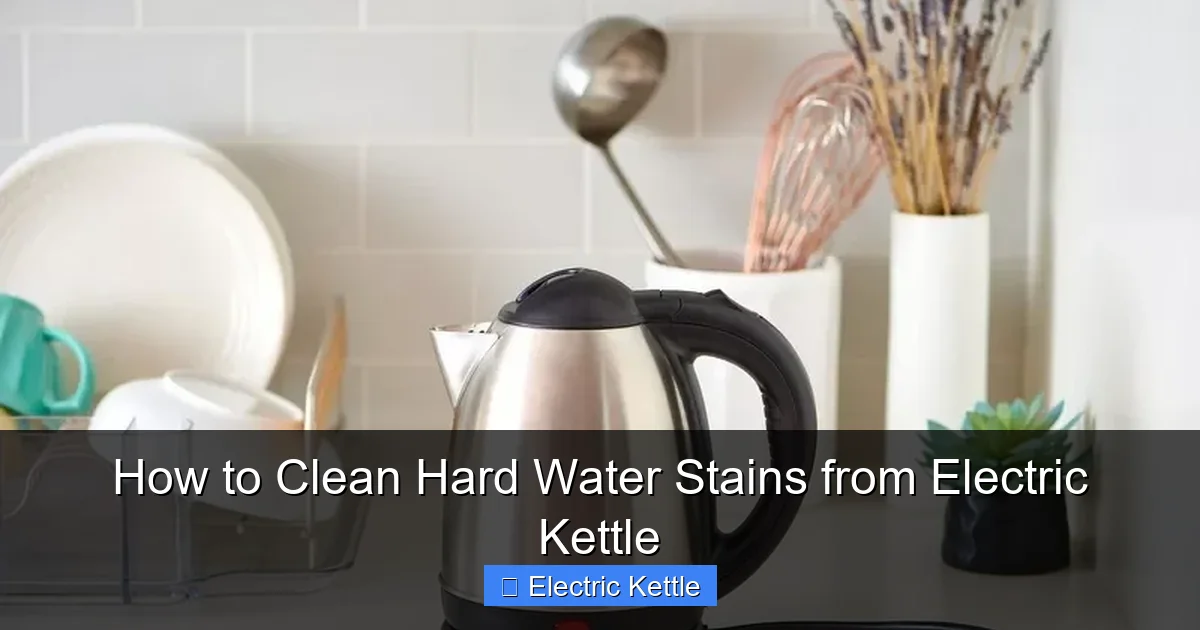
Visual guide about How to Clean Hard Water Stains from Electric Kettle
Image source: irrorwxhiqijjr5q.ldycdn.com
To understand how to clean hard water stains from electric kettle, it helps to know what’s causing them in the first place. Hard water contains high concentrations of dissolved minerals—primarily calcium and magnesium. When water is heated, these minerals precipitate out of solution and form solid deposits known as limescale.
Every time you boil water in your kettle, a small amount of mineral residue is left behind. Over weeks and months, this accumulates into a visible layer. The hotter the water and the more frequently you use the kettle, the faster the buildup occurs. In areas with very hard water, you might notice stains forming after just a few weeks of regular use.
The heating element is especially vulnerable because it’s in constant contact with water and exposed to high temperatures. Minerals tend to cling to its surface, forming a crust that acts like insulation. This forces the element to heat up more than necessary, which can lead to overheating, reduced efficiency, and even premature failure.
Other factors that contribute to hard water stains include:
- Using unfiltered tap water: Filtered or distilled water contains fewer minerals and reduces buildup.
- Leaving water sitting in the kettle: Stagnant water allows minerals to settle and adhere to surfaces.
- High mineral content in local water supply: Some regions have naturally harder water than others.
- Infrequent cleaning: The longer you wait, the harder the stains become to remove.
Understanding these causes helps you take preventive steps. For example, if you live in a hard water area, consider using a water filter or switching to bottled or distilled water for your kettle. But even with prevention, some buildup is inevitable—which is why regular cleaning is essential.
Safe and Effective Cleaning Methods
When it comes to cleaning hard water stains from electric kettle, safety and effectiveness go hand in hand. You want a method that removes limescale without damaging the appliance or leaving behind harmful residues. Fortunately, there are several proven, non-toxic solutions you can use at home.
The most popular and reliable options are white vinegar and lemon juice. Both are natural acids that break down mineral deposits through a gentle chemical reaction. Unlike commercial descaling products, they’re inexpensive, eco-friendly, and safe for food-contact surfaces. Plus, they’re already in most kitchens, so you won’t need to make a special trip to the store.
Other safe alternatives include citric acid (available in powder form at grocery or hardware stores) and baking soda. While baking soda is less effective on its own for heavy limescale, it can be combined with vinegar for a fizzing action that helps loosen stubborn spots.
Avoid using abrasive cleaners like steel wool, harsh chemicals like bleach, or strong alkaline solutions. These can scratch the interior lining, corrode metal parts, or leave behind toxic residues that contaminate your water. Even some commercial descalers contain strong acids that, if not rinsed properly, can affect taste and safety.
Always remember to unplug the kettle and let it cool completely before cleaning. Never submerge the base or electrical components in water. Only the interior reservoir and removable parts (like the lid or filter, if applicable) should be cleaned with liquid solutions.
Method 1: White Vinegar Soak
White vinegar is the gold standard for cleaning hard water stains from electric kettle. Its acetic acid content effectively dissolves calcium and magnesium deposits without damaging the appliance.
To use this method:
- Mix equal parts white vinegar and water. For a standard 1-liter kettle, use ½ cup vinegar and ½ cup water.
- Pour the solution into the kettle, making sure it covers the stained areas. If the stains are concentrated near the bottom, tilt the kettle slightly to ensure the vinegar reaches them.
- Let the solution sit for at least 1 hour. For heavy buildup, leave it overnight.
- After soaking, gently swirl the liquid around to loosen any remaining deposits.
- Pour out the vinegar solution and scrub lightly with a soft sponge or brush if needed. Avoid abrasive pads.
- Rinse the kettle thoroughly with clean water at least 3–4 times to remove all vinegar residue.
- Fill the kettle with fresh water, boil it, and pour it out. Repeat this step once or twice to eliminate any lingering taste.
Tip: If you’re sensitive to the smell of vinegar, add a few drops of lemon juice or essential oil (like lemon or orange) to the solution. The scent will dissipate after rinsing.
Method 2: Lemon Juice and Boiling
Lemon juice is another excellent natural cleaner, thanks to its citric acid content. It’s especially useful if you prefer a fresher scent over vinegar.
Here’s how to use lemon juice:
- Cut a fresh lemon in half and squeeze the juice into the kettle. For a 1-liter kettle, use the juice of one whole lemon.
- Add enough water to fill the kettle about halfway.
- Bring the mixture to a boil, then turn off the heat and let it sit for 30–60 minutes.
- After soaking, pour out the liquid and use a soft cloth or sponge to wipe away any remaining stains.
- Rinse the kettle thoroughly with clean water.
- Boil fresh water 2–3 times and discard it to remove any lemon taste.
This method works well for moderate buildup and leaves your kettle smelling fresh. For tougher stains, you can combine lemon juice with vinegar—use ¼ cup vinegar, ¼ cup lemon juice, and ½ cup water.
Method 3: Citric Acid Solution
Citric acid is a powerful descaling agent often used in commercial cleaners. It’s available in powder form and highly effective against limescale.
To use citric acid:
- Dissolve 1–2 tablespoons of citric acid powder in 1 liter of warm water.
- Pour the solution into the kettle, ensuring it covers all stained areas.
- Let it sit for 1–2 hours. For heavy buildup, you can gently heat the solution (do not boil).
- Pour out the solution and rinse the kettle thoroughly.
- Boil fresh water 2–3 times to ensure no residue remains.
Citric acid is odorless and leaves no aftertaste, making it a great choice if you’re sensitive to vinegar or lemon smells. It’s also safe for stainless steel, glass, and plastic kettles.
Method 4: Baking Soda Paste (for Light Stains)
Baking soda is mildly abrasive and alkaline, making it useful for light stains or as a follow-up to vinegar or lemon cleaning.
To make a paste:
- Mix 2–3 tablespoons of baking soda with a small amount of water to form a thick paste.
- Apply the paste to stained areas using a soft cloth or sponge.
- Gently scrub in circular motions, focusing on stubborn spots.
- Rinse thoroughly with water.
- Boil fresh water once to rinse out any remaining particles.
Note: Baking soda alone won’t dissolve heavy limescale, but it can help polish surfaces and remove surface film after an acid soak.
Step-by-Step Cleaning Guide
Now that you know the best methods, here’s a simple step-by-step guide to cleaning hard water stains from electric kettle safely and effectively.
Step 1: Unplug and Cool Down
Always disconnect the kettle from the power source and let it cool completely. Never attempt to clean a hot or recently used kettle—this can cause burns or damage internal components.
Step 2: Empty and Rinse
Pour out any remaining water and give the kettle a quick rinse to remove loose debris.
Step 3: Choose Your Cleaning Solution
Select one of the methods above based on the severity of the stains and your preference. For light buildup, lemon juice or baking soda may suffice. For heavy limescale, vinegar or citric acid is best.
Step 4: Apply and Soak
Pour your chosen solution into the kettle, ensuring it covers all stained areas. Let it sit for the recommended time—usually 1–2 hours, or overnight for tough stains.
Step 5: Scrub Gently (If Needed)
Use a soft sponge, brush, or cloth to gently remove any remaining deposits. Avoid metal scrubbers or abrasive pads, which can scratch the surface.
Step 6: Rinse Thoroughly
Rinse the kettle with clean water at least 3–4 times. Any residue from vinegar, lemon, or citric acid can affect the taste of your water.
Step 7: Boil and Discard
Fill the kettle with fresh water, boil it, and pour it out. Repeat this process 2–3 times to ensure all cleaning agents are completely removed.
Step 8: Dry and Store
Wipe the exterior with a dry cloth and let the interior air dry with the lid open. Store in a dry, well-ventilated area.
Preventing Future Hard Water Stains
Cleaning is important, but prevention is even better. With a few simple habits, you can significantly reduce the buildup of hard water stains in your electric kettle.
Use Filtered or Distilled Water
The easiest way to prevent limescale is to use water with fewer minerals. Consider installing a water filter on your tap or using bottled distilled water in your kettle. While this may seem like an extra step, it can extend the life of your appliance and improve the taste of your beverages.
Empty the Kettle After Use
Don’t leave water sitting in the kettle overnight or for long periods. Stagnant water allows minerals to settle and adhere to surfaces. After each use, pour out any remaining water and wipe the interior dry if possible.
Clean Monthly
Even with preventive measures, some buildup is inevitable. Make it a habit to clean your kettle once a month using vinegar or lemon juice. Regular maintenance prevents stains from becoming stubborn and keeps your kettle running efficiently.
Descale After Hard Water Exposure
If you’ve used unfiltered tap water or traveled to an area with very hard water, give your kettle a quick descale when you return home. This prevents mineral deposits from hardening.
Check Your Water Hardness
You can test your water hardness using a home test kit (available online or at hardware stores). If your water is very hard (above 120 ppm calcium carbonate), consider using a water softener or switching to filtered water for appliances.
Common Mistakes to Avoid
Even with the best intentions, it’s easy to make mistakes when cleaning your electric kettle. Here are some common pitfalls to avoid:
- Using abrasive tools: Steel wool, scouring pads, or harsh brushes can scratch the interior and damage the heating element.
- Submerging the base: Never immerse the electrical base in water. Only clean the interior reservoir and removable parts.
- Skipping the rinse: Failing to rinse thoroughly can leave behind vinegar or lemon taste in your water.
- Using bleach or ammonia: These chemicals are too harsh and can leave toxic residues.
- Cleaning a hot kettle: Always wait for the kettle to cool to avoid burns or warping.
- Ignoring the heating element: If your kettle has a visible heating coil, make sure cleaning solution reaches it—this is where most buildup occurs.
By avoiding these mistakes, you’ll keep your kettle in top condition and ensure safe, great-tasting water every time.
When to Replace Your Kettle
While regular cleaning can extend the life of your electric kettle, there comes a point when replacement is the best option. Here are signs it might be time for a new kettle:
- Persistent bad taste or odor: If your water still tastes off after thorough cleaning, the interior may be permanently stained or corroded.
- Cracks or damage: Cracks in the interior can harbor bacteria and affect performance.
- Heating issues: If the kettle takes much longer to boil or doesn’t heat evenly, the heating element may be compromised.
- Rust or corrosion: Visible rust, especially around the heating element, indicates serious wear.
- Old age: Most electric kettles last 3–5 years with proper care. If yours is older and showing signs of wear, it’s time to upgrade.
Investing in a high-quality kettle with a stainless steel or glass interior can reduce future buildup and make cleaning easier.
Conclusion
Cleaning hard water stains from electric kettle doesn’t have to be a chore. With simple, natural solutions like vinegar and lemon juice, you can keep your kettle spotless, efficient, and safe to use. Regular maintenance not only improves performance but also enhances the taste of your tea, coffee, and other hot beverages.
By understanding the causes of limescale, using the right cleaning methods, and adopting preventive habits, you can extend the life of your appliance and enjoy cleaner, better-tasting water every day. Remember to clean monthly, rinse thoroughly, and always prioritize safety.
Your electric kettle is a daily workhorse—treat it well, and it will serve you reliably for years to come.
Frequently Asked Questions
Can I use apple cider vinegar instead of white vinegar?
Yes, but white vinegar is preferred because it’s clearer and less likely to leave stains or odors. Apple cider vinegar can work in a pinch, but rinse thoroughly to avoid any lingering taste.
How often should I clean my electric kettle?
For regular users, clean your kettle once a month. If you have very hard water or use the kettle heavily, clean it every 2–3 weeks to prevent buildup.
Is it safe to drink water after cleaning with vinegar?
Yes, as long as you rinse the kettle thoroughly and boil fresh water 2–3 times afterward. Any vinegar taste or smell will disappear after proper rinsing.
Can I clean the exterior of the kettle the same way?
No. The exterior should be wiped with a damp cloth and mild soap. Avoid pouring liquids near the electrical base or controls.
What if my kettle has a built-in filter?
Remove the filter and clean it separately according to the manufacturer’s instructions. Most filters can be rinsed under water or soaked in vinegar.
Will cleaning void my warranty?
No, using vinegar or lemon juice to descale your kettle is generally safe and won’t void the warranty. However, avoid using harsh chemicals or abrasive tools, as these may cause damage not covered by warranty.