Keeping your electric kettle clean isn’t just about looks—it’s essential for great-tasting water and long-term performance. With regular maintenance, you can prevent limescale buildup, extend your kettle’s lifespan, and ensure every cup of tea or coffee tastes pure and delicious.
Key Takeaways
- Clean your electric kettle regularly: Aim for once a week if you use it daily, especially in hard water areas, to prevent mineral buildup.
- Use natural cleaning agents: White vinegar and lemon juice are safe, effective, and eco-friendly options for descaling and deodorizing.
- Never submerge the base: Only clean the interior and exterior surfaces—never immerse the electrical base in water.
- Rinse thoroughly after cleaning: Always rinse the kettle multiple times to remove any cleaning solution residue before use.
- Wipe the exterior gently: Use a damp cloth and mild soap to clean the outside; avoid abrasive scrubbers that can scratch the surface.
- Check the filter and spout: Remove and clean the mesh filter regularly to prevent clogs and ensure smooth pouring.
- Store properly after cleaning: Let the kettle air-dry completely with the lid open to prevent mold or odors.
📑 Table of Contents
- Why Cleaning Your Electric Kettle Matters
- Signs Your Electric Kettle Needs Cleaning
- What You’ll Need to Clean Your Electric Kettle
- Step-by-Step Guide to Cleaning Your Electric Kettle
- Alternative Cleaning Methods
- How Often Should You Clean Your Electric Kettle?
- Tips to Prevent Limescale Buildup
- Common Mistakes to Avoid
- Conclusion
Why Cleaning Your Electric Kettle Matters
You probably use your electric kettle every day—maybe even multiple times. Whether it’s for morning coffee, afternoon tea, or instant noodles, this small appliance plays a big role in your routine. But have you ever stopped to think about what’s building up inside it?
Over time, minerals from tap water—especially in areas with hard water—accumulate as limescale. This chalky, white residue doesn’t just look unappealing; it can affect how your kettle performs. Limescale buildup can slow down heating, reduce efficiency, and even shorten the lifespan of your appliance. Worse yet, it can alter the taste of your water, leaving a metallic or bitter aftertaste in your drinks.
But it’s not just about minerals. Bacteria, mold, and odors can also develop, especially if your kettle isn’t dried properly after use. A damp, warm environment is a breeding ground for microbes. And if you’ve ever noticed a strange smell when you turn on your kettle, that’s a clear sign it’s time for a deep clean.
Cleaning your electric kettle isn’t just a chore—it’s a simple act of self-care. A clean kettle means cleaner water, better-tasting beverages, and a safer, more efficient appliance. Plus, regular maintenance can save you money in the long run by preventing costly repairs or replacements.
Signs Your Electric Kettle Needs Cleaning
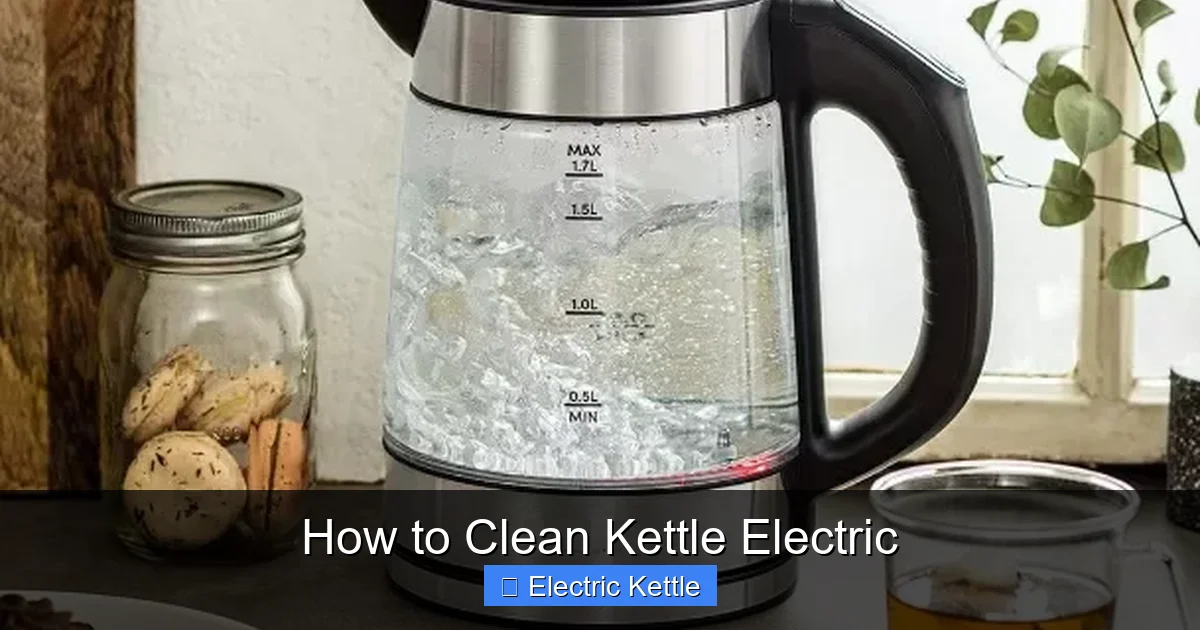
Visual guide about How to Clean Kettle Electric
Image source: irrorwxhiqijjr5q.ldycdn.com
You don’t need to wait for a major problem to clean your kettle. In fact, the sooner you spot the signs, the easier the cleaning process will be. Here are some common indicators that your electric kettle is due for a refresh.
One of the most obvious signs is visible limescale. If you see white, chalky deposits around the heating element, inside the spout, or along the walls of the kettle, it’s time to descale. These deposits are made of calcium and magnesium—minerals found in hard water—and they build up faster in areas with high mineral content.
Another red flag is a change in taste. If your tea or coffee starts tasting off—maybe a bit metallic, bitter, or just “not right”—your kettle could be the culprit. Residue from old water or cleaning agents can linger and affect flavor.
You might also notice slower heating times. As limescale coats the heating element, it acts as an insulator, making it harder for the kettle to heat water efficiently. If your kettle used to boil in under three minutes and now takes five or more, that’s a strong hint that buildup is interfering.
Unpleasant odors are another telltale sign. If your kettle smells musty, sour, or just “off” when you turn it on, bacteria or mold may be growing inside. This is especially common if the kettle isn’t dried properly after use.
Finally, check the spout and filter. If water pours slowly or sputters, the mesh filter might be clogged with mineral deposits or debris. A quick inspection can save you from frustration during your morning rush.
What You’ll Need to Clean Your Electric Kettle
The good news? You don’t need fancy tools or expensive cleaners to keep your electric kettle in top shape. Most of what you need is probably already in your kitchen. Here’s a simple list of supplies to gather before you start.
First, white vinegar is your best friend when it comes to descaling. It’s natural, affordable, and highly effective at breaking down limescale. You’ll need about one cup, depending on the size of your kettle. If you don’t have vinegar, lemon juice works too—just use the juice of one or two lemons.
Next, you’ll need water. Use equal parts water and vinegar (or lemon juice) for a standard cleaning solution. For example, mix one cup of vinegar with one cup of water. This dilution is strong enough to dissolve buildup but gentle enough not to damage your kettle.
A soft sponge or cloth is essential for wiping down the interior and exterior. Avoid abrasive scrubbers like steel wool, which can scratch stainless steel or plastic surfaces. A non-abrasive sponge or a microfiber cloth works perfectly.
Don’t forget a small brush—like an old toothbrush—for cleaning hard-to-reach areas. The spout, lid hinge, and filter can trap residue, and a brush helps dislodge it gently.
For the exterior, a damp cloth and a drop of mild dish soap will do the trick. Avoid spraying cleaners directly onto the kettle; instead, apply them to the cloth to prevent liquid from seeping into electrical components.
Finally, have a clean towel or paper towels ready for drying. After rinsing, you’ll want to wipe down the kettle thoroughly and let it air-dry with the lid open.
Step-by-Step Guide to Cleaning Your Electric Kettle
Now that you’ve gathered your supplies, it’s time to get cleaning. Follow these simple steps to restore your electric kettle to like-new condition.
Step 1: Prepare the Cleaning Solution
Start by mixing equal parts white vinegar and water. For most kettles, one cup of each is sufficient. If your kettle is particularly large or heavily scaled, you may need up to two cups of each. Pour the mixture into the kettle, making sure it covers the heating element and any visible buildup.
If you prefer a natural citrus scent, substitute vinegar with fresh lemon juice. Squeeze the juice of one or two lemons and mix it with an equal amount of water. Lemon is slightly less acidic than vinegar but still effective at breaking down limescale.
Let the solution sit for at least 30 minutes. For heavy buildup, you can leave it overnight. The longer it sits, the more time the acid has to dissolve mineral deposits.
Step 2: Boil the Solution
After soaking, plug in your kettle and bring the vinegar or lemon solution to a boil. This step helps loosen stubborn scale and ensures the cleaning agent reaches all interior surfaces.
Once it boils, turn off the kettle and let it sit for another 15–20 minutes. The heat accelerates the reaction between the acid and the minerals, making the next step much easier.
Step 3: Scrub Gently
After the solution has cooled slightly, pour it out. Use a soft sponge or cloth to wipe down the interior. For tough spots, gently scrub with a non-abrasive brush or an old toothbrush. Focus on the heating element, spout, and any areas with visible scale.
Avoid using metal utensils or harsh scrubbers, as they can scratch the surface and damage the kettle. If scale remains, repeat the soaking and boiling process.
Step 4: Rinse Thoroughly
Rinse the kettle at least three times with clean water. Fill it, swish the water around, and pour it out. Repeat until there’s no trace of vinegar or lemon smell. Any residue left behind can affect the taste of your next brew.
Step 5: Clean the Exterior and Filter
While the interior is soaking, wipe down the outside of the kettle with a damp cloth and a drop of mild soap. Pay attention to the handle, base, and lid. Dry with a clean towel.
If your kettle has a removable filter (usually located at the spout), take it out and rinse it under running water. Use a small brush to remove any trapped debris. If it’s very dirty, soak it in vinegar for 10 minutes before scrubbing.
Step 6: Dry and Store Properly
Once everything is clean, leave the kettle open to air-dry completely. This prevents moisture buildup, which can lead to mold or odors. Make sure the lid is off and the spout is clear.
Store your kettle in a dry, cool place. Avoid stacking items on top of it, as this can trap moisture or scratch the surface.
Alternative Cleaning Methods
While vinegar and lemon are the most popular options, there are other ways to clean your electric kettle—especially if you’re out of vinegar or prefer different scents.
Baking Soda Paste
For light cleaning or deodorizing, baking soda works well. Mix three parts baking soda with one part water to form a thick paste. Apply it to the interior with a sponge, focusing on stained or smelly areas. Let it sit for 15–20 minutes, then scrub gently and rinse thoroughly.
Baking soda is mild and safe, but it’s less effective on heavy limescale. Use it for maintenance between deeper cleans.
Commercial Descaling Solutions
If you prefer a ready-made solution, look for a descaling product designed for kettles. These are often available at grocery stores or online. Follow the instructions carefully—most require dilution and a specific soak time.
While effective, commercial cleaners can be more expensive and may contain chemicals. Always rinse thoroughly after use.
Apple Cider Vinegar
Some people prefer apple cider vinegar over white vinegar because of its milder scent. It works similarly but may leave a slight fruity aroma. If you don’t mind the smell, it’s a good alternative.
Boiling Water with Salt
For a quick refresh, boil a kettle full of water with a tablespoon of salt. The salt helps loosen light buildup and can remove odors. After boiling, rinse well.
This method isn’t strong enough for heavy scale but works well for weekly maintenance.
How Often Should You Clean Your Electric Kettle?
The frequency of cleaning depends on how often you use your kettle and the hardness of your water.
If you live in an area with hard water—common in many parts of the U.S., UK, and Australia—you should clean your kettle at least once a week. Hard water contains high levels of calcium and magnesium, which accelerate limescale formation.
For those with soft water, monthly cleaning may be sufficient. However, if you use your kettle multiple times a day, consider cleaning it every two weeks.
A good rule of thumb: clean your kettle whenever you notice scale, smell, or taste changes. Don’t wait for problems to develop—prevention is easier than repair.
Weekly Maintenance Tips
Even between deep cleans, a few quick habits can keep your kettle fresh:
– Rinse the kettle after each use to remove residual water.
– Wipe the exterior with a damp cloth daily.
– Leave the lid open when not in use to allow airflow.
– Empty the kettle completely after boiling to prevent mineral concentration.
These small steps reduce buildup and keep your kettle ready for action.
Tips to Prevent Limescale Buildup
Cleaning is important, but prevention is even better. Here are some smart habits to minimize limescale and keep your kettle running smoothly.
Use Filtered Water
One of the easiest ways to reduce scale is to use filtered water. A simple pitcher filter or under-sink system removes minerals before they enter your kettle. This not only extends cleaning intervals but also improves the taste of your drinks.
Empty the Kettle After Use
Don’t let water sit in the kettle overnight. Residual water evaporates, leaving behind concentrated minerals that form scale. Always empty and rinse after boiling.
Descale Regularly
Even with filtered water, some minerals will accumulate. Stick to a cleaning schedule—weekly for hard water, monthly for soft—to stay ahead of buildup.
Avoid Overfilling
Filling the kettle beyond its maximum line can cause water to splash into the electrical base during boiling. This not only poses a safety risk but can also lead to residue buildup in hard-to-reach areas.
Choose the Right Kettle
Some kettles are designed to resist scale. Look for models with concealed heating elements or anti-scale coatings. Stainless steel interiors are also easier to clean than plastic.
Common Mistakes to Avoid
Even with the best intentions, it’s easy to make mistakes when cleaning your electric kettle. Here are some common pitfalls to watch out for.
Submerging the Base
Never immerse the electrical base in water. This can damage the heating element, cause electrical faults, or even create a shock hazard. Only clean the interior and exterior surfaces.
Using Harsh Chemicals
Avoid bleach, ammonia, or abrasive cleaners. These can damage the kettle’s interior, leave toxic residues, or react with plastic components. Stick to natural, food-safe options like vinegar or baking soda.
Skipping the Rinse
Rinsing is crucial. Any leftover cleaning solution can affect the taste of your water or even be harmful if ingested. Always rinse at least three times.
Using Metal Tools
Don’t use steel wool, metal scrapers, or sharp utensils to remove scale. They can scratch the surface, creating grooves where bacteria and scale can hide.
Ignoring the Filter
The mesh filter at the spout is often overlooked, but it collects debris and scale. Clean it regularly to ensure smooth pouring and prevent clogs.
Conclusion
Cleaning your electric kettle might not be the most exciting task, but it’s one of the simplest ways to protect your health, improve your drinks, and extend the life of your appliance. With just a few minutes of effort each week, you can keep your kettle sparkling and your water tasting pure.
Remember, a clean kettle is a happy kettle—and a happy kettle makes for happier mornings. Whether you use vinegar, lemon, or a commercial solution, the key is consistency. Make cleaning part of your routine, and you’ll never have to deal with stubborn scale or strange tastes again.
So the next time you boil water, take a moment to appreciate your clean, efficient kettle. It’s doing more for you than you might think.
Frequently Asked Questions
Can I use apple cider vinegar to clean my electric kettle?
Yes, apple cider vinegar works well for cleaning electric kettles. It’s slightly less acidic than white vinegar but still effective at removing limescale. Just rinse thoroughly afterward to avoid any lingering taste.
How do I clean a kettle with a hidden heating element?
Kettles with concealed heating elements are easier to clean since there’s no exposed coil. Simply follow the same vinegar or lemon method—soak, boil, scrub gently, and rinse. The smooth interior makes scrubbing simpler.
Is it safe to drink water after cleaning with vinegar?
Yes, as long as you rinse the kettle thoroughly. Vinegar is food-safe and breaks down into harmless compounds. Rinse at least three times to ensure no taste or smell remains.
Can I clean my electric kettle with bleach?
No, never use bleach to clean an electric kettle. It can damage the interior, leave toxic residues, and react with plastic components. Stick to natural cleaners like vinegar or baking soda.
How do I remove stubborn limescale from my kettle?
For tough scale, increase the soak time to several hours or overnight. You can also repeat the boiling process. For extreme cases, use a commercial descaling solution designed for kettles.
Should I clean the outside of my electric kettle?
Yes, the exterior should be wiped down regularly with a damp cloth and mild soap. This prevents grease, fingerprints, and dust buildup. Avoid spraying cleaners directly on the kettle to protect electrical parts.