Keeping your electric kettle clean isn’t just about looks—it’s essential for great-tasting water and long-term performance. Over time, mineral deposits, stains, and odors can build up, affecting both flavor and efficiency. With the right cleaning routine, you can easily maintain your kettle and keep it working like new.
Key Takeaways
- Clean your electric kettle regularly: Aim for every 2–4 weeks, depending on water hardness and usage frequency.
- Use natural cleaners like vinegar or lemon: These are safe, effective, and eco-friendly options for removing limescale and odors.
- Never submerge the base or electrical parts: Only clean the interior and exterior surfaces—water and electricity don’t mix.
- Rinse thoroughly after cleaning: Leftover cleaning solution can affect the taste of your water or tea.
- Descale when you see white buildup: Ignoring limescale can reduce heating efficiency and shorten your kettle’s lifespan.
- Wipe the exterior with a damp cloth: Prevent dust and fingerprints from building up on the outside of your kettle.
- Store your kettle dry and uncovered: This prevents moisture buildup and mold growth when not in use.
📑 Table of Contents
- Why Cleaning Your Electric Kettle Matters
- Signs It’s Time to Clean Your Electric Kettle
- What You’ll Need to Clean Your Electric Kettle
- Step-by-Step Guide: How to Clean Your Electric Kettle
- Alternative Cleaning Methods
- How Often Should You Clean Your Electric Kettle?
- Tips for Maintaining a Clean Electric Kettle
- Troubleshooting Common Cleaning Issues
- When to Replace Your Electric Kettle
- Conclusion
Why Cleaning Your Electric Kettle Matters
You probably use your electric kettle daily—whether it’s for morning coffee, afternoon tea, or instant oatmeal. But have you ever stopped to think about what’s building up inside that sleek, shiny appliance? Over time, minerals from hard water, leftover tea stains, and even mold can accumulate, turning your kettle into a hidden source of bad taste and potential health concerns.
Cleaning your electric kettle isn’t just about aesthetics. It’s about performance, safety, and flavor. A dirty kettle can leave a metallic or bitter aftertaste in your drinks. Worse, limescale buildup can insulate the heating element, making your kettle work harder and use more energy. In extreme cases, it can even cause overheating or damage. Regular cleaning ensures your kettle heats quickly, lasts longer, and delivers pure, great-tasting water every time.
Think of it like brushing your teeth—you wouldn’t skip it just because your teeth look clean. The same goes for your kettle. Even if it looks fine on the outside, the inside might be harboring mineral deposits, bacteria, or odors. A little maintenance goes a long way in keeping your appliance efficient and your beverages delicious.
Signs It’s Time to Clean Your Electric Kettle
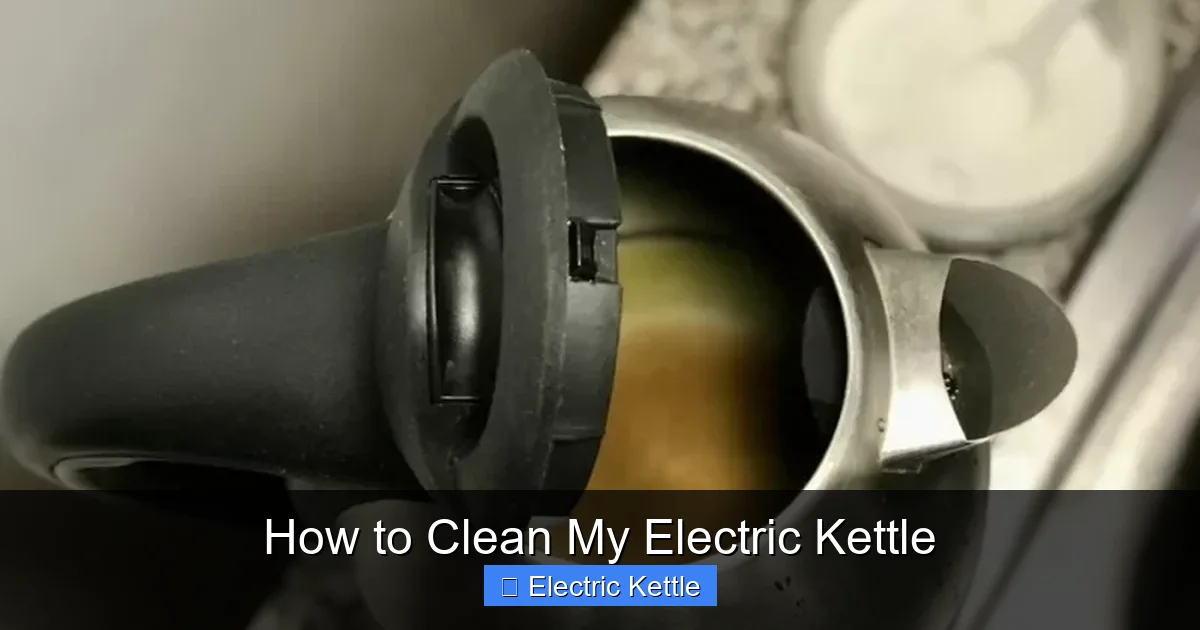
Visual guide about How to Clean My Electric Kettle
Image source: irrorwxhiqijjr5q.ldycdn.com
So how do you know when your kettle needs a deep clean? You don’t have to wait until it’s visibly grimy. There are several telltale signs that it’s time to roll up your sleeves and give your kettle some TLC.
One of the most obvious signs is limescale buildup. If you notice a white, chalky residue inside the kettle—especially around the heating element or on the walls—it’s a clear indicator that minerals from hard water are accumulating. This is especially common in areas with high calcium and magnesium content in the water supply.
Another red flag is a change in taste. If your tea or coffee suddenly tastes off—bitter, metallic, or just “stale”—your kettle might be the culprit. Residual flavors from old tea, coffee, or cleaning agents can linger if not properly rinsed.
You might also notice slower heating times. If your kettle used to boil water in under three minutes but now takes five or more, limescale could be insulating the heating element, reducing its efficiency.
Unpleasant odors are another clue. A musty or sour smell when you turn on the kettle suggests mold or bacterial growth, especially if the kettle isn’t dried properly after use.
Finally, if you see rust spots—particularly on stainless steel kettles—it’s time to act. Rust can compromise the integrity of the kettle and affect water quality.
Don’t wait for these issues to worsen. Catching them early makes cleaning easier and prevents long-term damage.
What You’ll Need to Clean Your Electric Kettle
The good news? Cleaning your electric kettle doesn’t require fancy tools or expensive products. Most of what you need is probably already in your kitchen. Here’s a simple list of supplies to gather before you begin:
– White distilled vinegar (or lemon juice as a natural alternative)
– Water
– A soft sponge or cloth (non-abrasive to avoid scratching)
– A bottle brush or small cleaning brush (optional, for hard-to-reach areas)
– Baking soda (for stubborn stains or odors)
– A clean, dry towel
Avoid using harsh chemicals like bleach or commercial drain cleaners. These can leave toxic residues and damage the interior lining of your kettle. Stick to natural, food-safe options.
If your kettle has a removable filter (common in many models), you’ll also want to clean that separately. Use a soft brush to gently scrub away any trapped particles or mineral buildup.
For the exterior, a microfiber cloth and a bit of mild dish soap work wonders. Never spray cleaner directly onto the kettle—dampen the cloth instead to prevent liquid from seeping into electrical components.
Having everything ready before you start makes the process quick and stress-free. Plus, it ensures you won’t have to pause mid-clean to hunt for supplies.
Step-by-Step Guide: How to Clean Your Electric Kettle
Now that you know why cleaning matters and what tools to use, let’s walk through the actual process. Follow these simple steps to get your electric kettle sparkling clean and ready for your next cup of tea.
Step 1: Unplug and Cool Down
Safety first! Always unplug your kettle and let it cool completely before cleaning. Never attempt to clean a hot or recently used kettle—this can cause burns or damage the appliance. Give it at least 30 minutes to cool down.
Step 2: Empty and Rinse
Pour out any remaining water. Give the interior a quick rinse with clean water to remove loose debris or residue. This helps the cleaning solution work more effectively.
Step 3: Prepare the Cleaning Solution
For light cleaning or routine maintenance, mix equal parts white vinegar and water. For example, use 1 cup of vinegar and 1 cup of water. If you prefer a natural citrus scent, substitute lemon juice for vinegar—use the juice of one lemon mixed with water.
For heavy limescale buildup, use undiluted vinegar or a stronger vinegar-to-water ratio (like 2:1). Let the solution sit longer for tougher deposits.
Step 4: Fill and Soak
Pour the cleaning solution into the kettle, filling it about halfway. Make sure the heating element is submerged. Let it sit for at least 30 minutes—or up to an hour for severe buildup. The acid in the vinegar or lemon will break down mineral deposits.
Step 5: Boil the Solution (Optional)
For faster results, you can boil the vinegar or lemon solution. Plug in the kettle and bring the mixture to a boil, then turn it off and let it sit for 15–20 minutes. The heat accelerates the descaling process.
Step 6: Scrub Gently
After soaking, use a soft sponge or brush to gently scrub the interior. Focus on areas with visible buildup, especially around the heating element. Avoid abrasive scrubbers that could scratch the surface.
If there’s stubborn residue, make a paste of baking soda and water. Apply it to the affected areas and scrub lightly. Baking soda is mildly abrasive and great for removing stains without damaging the kettle.
Step 7: Rinse Thoroughly
Empty the cleaning solution and rinse the kettle several times with clean water. Fill it up, swish the water around, and pour it out. Repeat until there’s no vinegar or lemon smell left. Residual acid can affect the taste of your water.
Step 8: Run a Water-Only Cycle
Fill the kettle with fresh water, boil it, and pour it out. This helps flush out any remaining traces of cleaning solution and ensures your next cup of tea tastes pure.
Step 9: Clean the Exterior
While the interior dries, wipe down the outside with a damp cloth. Use a bit of mild dish soap for smudges or fingerprints. Dry with a clean towel to prevent water spots.
Step 10: Clean the Filter (If Applicable)
If your kettle has a removable mesh filter, take it out and rinse it under running water. Use a small brush to remove trapped particles. Let it air dry before reinserting.
Step 11: Dry and Store
Leave the kettle open to air dry completely before storing. This prevents moisture buildup and mold growth. Never store a damp kettle with the lid on.
Alternative Cleaning Methods
While vinegar and lemon are the most popular choices, there are other effective ways to clean your electric kettle—especially if you’re sensitive to strong smells or prefer different natural cleaners.
Baking Soda Method
Baking soda is a gentle abrasive that works well for light cleaning and odor removal. Mix 1–2 tablespoons of baking soda with water to form a paste. Apply it to the interior, let it sit for 15–20 minutes, then scrub and rinse. For a deeper clean, you can boil a solution of 1 tablespoon baking soda in 1 liter of water.
Citric Acid Solution
Citric acid is a powerful descaling agent often used in commercial cleaners. It’s odorless and highly effective against limescale. Dissolve 1–2 teaspoons of food-grade citric acid in warm water, pour it into the kettle, and let it sit for 30 minutes. Rinse thoroughly afterward.
Commercial Descaling Products
If you prefer ready-made solutions, there are many eco-friendly descaling products designed specifically for kettles and coffee makers. Look for ones labeled “food-safe” and “non-toxic.” Follow the instructions on the label carefully.
Enzyme-Based Cleaners
For those concerned about chemical residues, enzyme-based cleaners break down organic matter without harsh ingredients. These are great for removing tea stains and odors but may be less effective on heavy limescale.
Steam Cleaning (For Advanced Users)
Some high-end kettles have a steam-cleaning function. If yours does, follow the manufacturer’s instructions to activate it. This uses steam to loosen buildup, which you can then wipe away.
Each method has its pros and cons. Vinegar is cheap and effective but has a strong smell. Lemon is fresher-smelling but may require more scrubbing. Baking soda is gentle but slower. Choose the one that best fits your needs and preferences.
How Often Should You Clean Your Electric Kettle?
There’s no one-size-fits-all answer, but a good rule of thumb is to clean your kettle every 2–4 weeks. However, frequency depends on several factors.
If you live in an area with hard water—water high in minerals like calcium and magnesium—you may need to clean it more often, perhaps every 1–2 weeks. Hard water accelerates limescale buildup, so regular descaling is essential.
Heavy users—those who boil water multiple times a day—should also clean more frequently. The more you use your kettle, the faster residue accumulates.
On the other hand, if you use your kettle only occasionally and have soft water, you might get away with cleaning it once a month or even less.
Pay attention to the signs we discussed earlier: taste changes, slower heating, or visible buildup. These are your best indicators that it’s time for a clean.
Creating a simple cleaning schedule can help. For example, clean your kettle on the first Sunday of every month. Or pair it with another routine task, like changing your coffee filters.
Regular maintenance prevents major problems down the line. It’s much easier to remove light buildup than to tackle a thick layer of limescale.
Tips for Maintaining a Clean Electric Kettle
Cleaning your kettle doesn’t have to be a chore. With a few smart habits, you can keep it in top condition with minimal effort.
Use Filtered Water
One of the easiest ways to reduce buildup is to use filtered or distilled water. This removes minerals that cause limescale, extending the time between cleanings. It also improves the taste of your beverages.
Empty After Each Use
Don’t let water sit in the kettle for long periods. Empty it after each use to prevent mineral deposits and bacterial growth. This is especially important if you leave water in overnight.
Wipe the Exterior Daily
A quick wipe with a damp cloth keeps the outside looking shiny and prevents dust buildup. It takes just a few seconds but makes a big difference in appearance.
Don’t Overfill
Filling your kettle beyond the maximum line can cause water to splash into the electrical base during boiling. This can damage the appliance and create safety hazards. Always stay within the recommended fill level.
Store with the Lid Open
When not in use, leave the lid slightly open to allow airflow. This prevents moisture from getting trapped inside, which can lead to mold or mildew.
Check the Filter Regularly
If your kettle has a filter, inspect it weekly. Rinse it under running water to remove trapped particles. A clogged filter can reduce water flow and affect performance.
Avoid Harsh Cleaners
Stick to natural, food-safe cleaning agents. Harsh chemicals can damage the interior lining and leave harmful residues.
Descale Proactively
Don’t wait for limescale to become a problem. If you know you have hard water, descale your kettle every few weeks as a preventive measure.
These small habits add up to a cleaner, longer-lasting kettle. Think of them as part of your daily kitchen routine—like washing dishes or wiping counters.
Troubleshooting Common Cleaning Issues
Even with the best care, you might run into a few hiccups. Here’s how to handle common problems.
Stubborn Limescale That Won’t Come Off
If vinegar or lemon isn’t working, try a longer soak—up to 2 hours. You can also use undiluted vinegar or a citric acid solution. For extremely tough buildup, repeat the process the next day.
Persistent Odors
If your kettle still smells after cleaning, try boiling a solution of water and baking soda. Let it sit, then rinse thoroughly. You can also add a few drops of food-grade essential oil (like lemon or peppermint) to the rinse water for a fresh scent.
Rust Spots
Small rust spots can sometimes be removed with a paste of baking soda and water. Gently scrub the area, then rinse. If rust is widespread, it may be time to replace the kettle—rust can compromise safety.
Water Tastes Metallic After Cleaning
This usually means there’s still cleaning solution residue. Rinse the kettle multiple times and run a water-only boil cycle. If the taste persists, try boiling a solution of water and a pinch of salt to neutralize any remaining acid.
Kettle Still Heats Slowly
If cleaning doesn’t improve heating time, the heating element may be damaged. Check the manufacturer’s warranty or consider replacing the kettle.
Filter Won’t Come Clean
Soak the filter in vinegar for 30 minutes, then scrub with a soft brush. If it’s still clogged, replace it—most manufacturers sell replacement filters.
Don’t panic if you encounter these issues. Most are fixable with a little patience and the right approach.
When to Replace Your Electric Kettle
No appliance lasts forever. Even with perfect care, your electric kettle will eventually wear out. Here are signs it’s time to upgrade:
– Frequent overheating or automatic shut-off
– Visible cracks or damage to the interior
– Persistent rust that can’t be removed
– The heating element no longer works efficiently
– The kettle leaks water
– It’s more than 5–7 years old
Replacing your kettle isn’t just about convenience—it’s about safety. A damaged kettle can pose electrical or fire hazards.
When shopping for a new one, look for models with easy-clean features like removable filters, wide openings, and non-stick interiors. Stainless steel and glass kettles are generally easier to clean than plastic ones.
Investing in a quality kettle and maintaining it properly can save you money and hassle in the long run.
Conclusion
Cleaning your electric kettle might not be the most exciting task on your to-do list, but it’s one of the most important. A clean kettle means better-tasting drinks, faster heating, and a longer lifespan for your appliance. With simple, natural methods like vinegar, lemon, or baking soda, you can keep it in top shape without harsh chemicals or expensive products.
Remember: regular maintenance is key. Clean your kettle every few weeks, especially if you have hard water or use it often. Pay attention to signs like limescale, odors, or slow heating—they’re your kettle’s way of asking for help.
By following the steps and tips in this guide, you’ll enjoy pure, great-tasting water for every cup of tea, coffee, or instant meal. Plus, you’ll save energy, reduce waste, and keep your kitchen running smoothly.
So the next time you boil water, take a moment to appreciate your clean, efficient kettle—and maybe give it a little wipe-down while you’re at it. Your future self (and your taste buds) will thank you.
Frequently Asked Questions
Can I use apple cider vinegar to clean my electric kettle?
Yes, you can use apple cider vinegar, but white distilled vinegar is preferred because it’s clearer and less likely to leave a strong odor. If you use apple cider vinegar, rinse the kettle thoroughly to remove any residual taste.
Is it safe to boil vinegar in my electric kettle?
Yes, it’s safe to boil vinegar in your kettle as long as you rinse it well afterward. The heat helps break down limescale faster, but make sure to run a water-only boil cycle to eliminate any vinegar smell or taste.
How do I clean the outside of my electric kettle without damaging it?
Use a soft, damp cloth with a small amount of mild dish soap. Avoid abrasive sponges or harsh cleaners. Wipe gently and dry immediately with a clean towel to prevent water spots or damage to the finish.
Can I clean my electric kettle with bleach?
No, never use bleach to clean your electric kettle. It can leave toxic residues and damage the interior lining. Stick to food-safe, natural cleaners like vinegar, lemon, or baking soda.
My kettle has a plastic interior—can I still use vinegar?
Yes, vinegar is safe for most plastic interiors, but use a diluted solution (1:1 vinegar to water) and avoid prolonged soaking. Rinse thoroughly to prevent any plastic from absorbing the vinegar smell.
How do I prevent limescale buildup in the first place?
Use filtered or distilled water, empty the kettle after each use, and descale regularly. These habits reduce mineral deposits and keep your kettle cleaner for longer.