Keeping your OXO electric tea kettle clean ensures better-tasting tea, longer appliance life, and safer brewing. This guide walks you through easy, step-by-step methods using household items like vinegar and baking soda to remove limescale, mineral buildup, and odors—without damaging your kettle.
If you’re like most tea lovers, your OXO electric tea kettle is a daily essential—warming up your morning green tea, brewing a cozy chamomile in the evening, or quickly heating water for instant coffee. It’s fast, reliable, and designed with user-friendly features like a gooseneck spout for precision pouring and a sleek, modern look that fits any kitchen. But even the best appliances need a little TLC to keep performing at their peak. Over time, mineral deposits from hard water can build up inside your kettle, leaving behind a chalky residue known as limescale. This not only affects the taste of your beverages but can also slow down heating times and reduce the lifespan of your kettle.
The good news? Cleaning your OXO electric tea kettle is simple, safe, and doesn’t require special tools or expensive cleaners. With a few household ingredients and a little time, you can restore your kettle to like-new condition. Whether you’ve noticed a white film inside the chamber, your tea tastes a bit “off,” or it’s just been a few weeks since your last clean, this guide will walk you through everything you need to know. From understanding why cleaning matters to step-by-step methods and maintenance tips, we’ve got you covered. Let’s dive in and keep your kettle sparkling clean—one brew at a time.
Key Takeaways
- Regular cleaning prevents mineral buildup: Hard water leaves limescale that affects taste and heating efficiency—clean your kettle every 2–4 weeks.
- Vinegar is your best friend: A 50/50 mix of white vinegar and water effectively dissolves limescale without harsh chemicals.
- Never submerge the base: Only the kettle’s interior and removable parts should get wet—protect the electrical components.
- Use a soft brush for stubborn stains: A non-abrasive sponge or bottle brush helps scrub hard-to-reach areas without scratching.
- Rinse thoroughly after cleaning: Residual vinegar can affect taste, so always rinse multiple times and run a water-only cycle.
- Maintain the exterior with a damp cloth: Wipe the outside regularly with a mild soap solution to keep it looking new.
- Store properly to avoid odors: Leave the lid open when not in use to allow airflow and prevent musty smells.
📑 Table of Contents
Why Cleaning Your OXO Electric Tea Kettle Matters
You might think, “It’s just water—how dirty can it get?” But even if your kettle looks clean on the outside, the inside tells a different story. Every time you heat water, especially if you live in an area with hard water, minerals like calcium and magnesium are left behind. These minerals accumulate over time, forming a hard, white crust called limescale. This buildup doesn’t just look unappealing—it can actually interfere with your kettle’s performance.
For starters, limescale acts as an insulator, making it harder for the heating element to transfer heat efficiently. This means your kettle takes longer to boil water, uses more energy, and may even overheat in extreme cases. Over time, this can shorten the lifespan of your appliance. But perhaps more noticeable is the impact on taste. Mineral buildup can give your tea, coffee, or hot water a metallic or chalky flavor—definitely not the refreshing sip you were hoping for.
Beyond taste and performance, a dirty kettle can also harbor bacteria or mold, especially if moisture is trapped inside when stored. The warm, damp environment is a perfect breeding ground for microbes, which can affect both flavor and health. Regular cleaning eliminates these risks and ensures that every cup you brew is as pure and delicious as possible.
Think of cleaning your OXO electric tea kettle like changing the oil in your car—it’s a small maintenance task that pays big dividends in longevity and performance. And the best part? It only takes about 15–20 minutes every few weeks. By making cleaning a habit, you’ll protect your investment, enjoy better-tasting beverages, and extend the life of your kettle for years to come.
What You’ll Need to Clean Your OXO Electric Tea Kettle
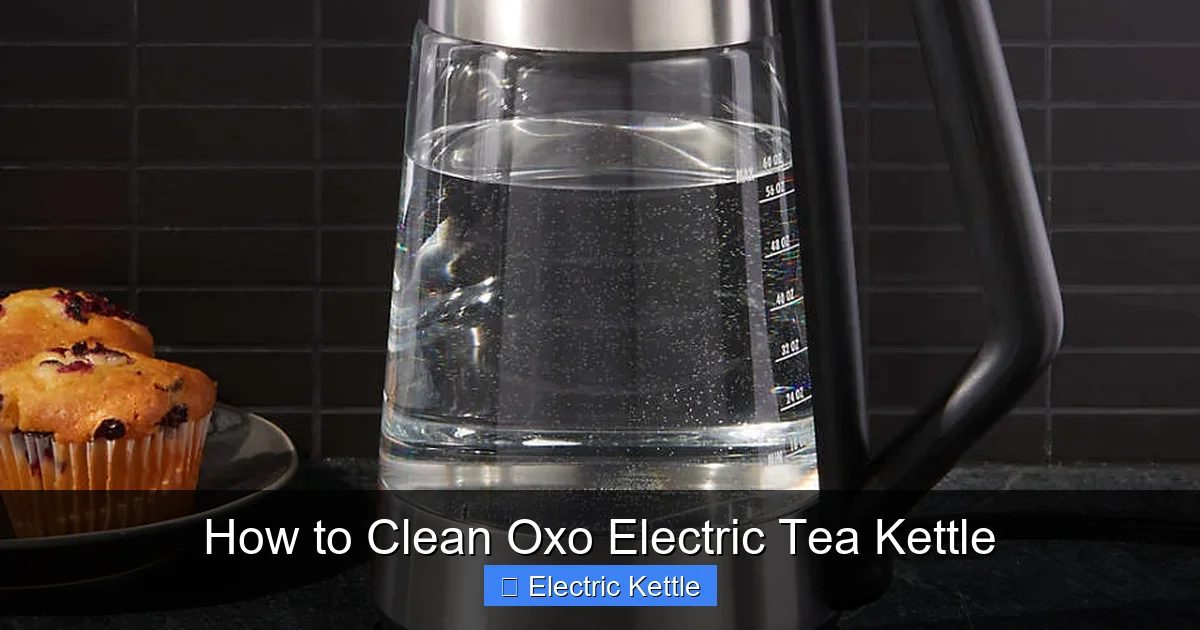
Visual guide about How to Clean Oxo Electric Tea Kettle
Image source: cb.scene7.com
Before you start scrubbing, it’s important to gather the right tools and ingredients. The good news is, you probably already have most of what you need in your kitchen. Cleaning your OXO electric tea kettle doesn’t require harsh chemicals or specialty products—just a few simple, natural items that are safe for both your appliance and your health.
First and foremost, you’ll need **white distilled vinegar**. This is the star of the show when it comes to removing limescale. Vinegar is acidic, which allows it to break down mineral deposits without damaging the stainless steel interior of your kettle. A 50/50 mix of vinegar and water is usually strong enough for regular cleaning, but if you have heavy buildup, you can use straight vinegar.
Next, grab a **soft sponge or non-abrasive scrub pad**. Avoid steel wool or harsh scouring pads, as these can scratch the interior surface and create tiny grooves where bacteria and minerals can hide. A silicone bottle brush can also be helpful for reaching into narrow spouts or corners.
You’ll also want **clean water** for rinsing—preferably filtered if your tap water is particularly hard. And don’t forget a **soft cloth or microfiber towel** for wiping down the exterior. For the outside, a mild dish soap mixed with water works perfectly.
If you prefer a chemical-free alternative to vinegar, **baking soda** is another excellent option. Make a paste with a few tablespoons of baking soda and a little water, then use it to gently scrub away stains. Lemon juice is also effective—its natural acidity helps dissolve limescale and leaves a fresh scent.
Finally, have a **measuring cup** and **timer** handy to make the process smoother. And always ensure your kettle is **unplugged and completely cool** before you begin. Safety first!
With these supplies ready, you’re all set to give your OXO electric tea kettle a thorough, safe, and effective cleaning.
Step-by-Step Guide to Cleaning the Interior
Now that you’ve got your supplies, it’s time to get cleaning. The interior of your OXO electric tea kettle is where most of the action happens—and where most of the buildup occurs. Follow these simple steps to remove limescale, odors, and residue, leaving your kettle fresh and ready for your next brew.
Step 1: Empty and Rinse the Kettle
Start by making sure your kettle is completely empty. Pour out any leftover water, and give the interior a quick rinse with clean water. This removes loose debris and prepares the surface for deeper cleaning. If there’s visible limescale, don’t worry—we’ll tackle that next.
Step 2: Mix Your Cleaning Solution
For regular maintenance, mix equal parts white vinegar and water. Fill the kettle about halfway with this solution. If you’re dealing with heavy buildup, you can use undiluted vinegar, but be prepared for a stronger smell—it’s normal and will fade after rinsing.
Step 3: Let It Soak
Once the solution is in, plug in your kettle and bring the liquid to a boil. Once it reaches a boil, turn it off and let the mixture sit for 15–30 minutes. The heat helps the vinegar penetrate and dissolve the mineral deposits more effectively. For extra stubborn scale, you can let it soak overnight—just make sure the kettle is unplugged and cooled first.
Step 4: Scrub Gently
After soaking, use a soft sponge or brush to gently scrub the interior. Focus on areas with visible buildup, especially around the heating element and the bottom of the kettle. The limescale should start to flake off easily. If needed, pour out the vinegar solution and repeat the process with a fresh batch.
Step 5: Rinse Thoroughly
This step is crucial. Rinse the kettle several times with clean water to remove all traces of vinegar. Any leftover residue can affect the taste of your next brew. To be extra sure, fill the kettle with fresh water, boil it, and pour it out. Repeat this “rinse cycle” 2–3 times.
Step 6: Dry and Air Out
Once rinsed, wipe the interior with a clean, dry cloth. Then, leave the lid open and let the kettle air dry completely before storing. This prevents moisture buildup and keeps odors at bay.
By following these steps every 2–4 weeks, you’ll keep your OXO electric tea kettle in top condition and enjoy cleaner, better-tasting water every time.
Cleaning the Exterior and Removable Parts
While the interior gets most of the attention, don’t forget about the outside of your kettle and any detachable components. The exterior can collect fingerprints, water spots, and grease from daily use, while removable parts like the lid, filter, and gooseneck spout can trap residue and bacteria. A little attention here goes a long way in maintaining both appearance and hygiene.
Wiping Down the Exterior
Start by unplugging the kettle and letting it cool completely. Then, mix a few drops of mild dish soap with warm water. Dip a soft cloth or microfiber towel into the solution, wring it out so it’s damp but not dripping, and wipe down the entire exterior—including the handle, base, and spout. Avoid getting water near the electrical base or control panel. For stainless steel models, wipe in the direction of the grain to prevent streaks.
For stubborn stains or water spots, a paste of baking soda and water can be gently applied with a soft cloth. Let it sit for a few minutes, then wipe clean. Avoid abrasive cleaners or scrubbers, as they can scratch the finish. Once clean, buff the surface with a dry microfiber cloth to restore shine.
Cleaning the Lid and Filter
Many OXO electric tea kettles come with a removable lid and built-in filter, especially those with gooseneck designs. These parts should be cleaned regularly to prevent clogs and buildup. Remove the lid and filter according to the manufacturer’s instructions—usually, they twist or snap off easily.
Rinse them under warm water to remove loose debris. For deeper cleaning, soak them in a bowl of vinegar-water solution for 15–20 minutes. Use a small brush (like an old toothbrush) to scrub around the edges and mesh areas where tea leaves or minerals can accumulate. Rinse thoroughly and let air dry before reassembling.
Maintaining the Gooseneck Spout
The narrow spout on OXO kettles is great for precision pouring, but it can also trap residue. To clean it, use a bottle brush or pipe cleaner dipped in vinegar solution. Gently work it into the spout to remove any buildup. You can also fill the kettle with vinegar solution, let it sit, and then pour it out slowly to flush the spout.
By giving these parts a little extra care, you’ll keep your kettle looking sleek and functioning smoothly.
Natural Cleaning Alternatives to Vinegar
While vinegar is highly effective, some people prefer to avoid its strong smell or want a more natural approach. The good news is, there are several safe and eco-friendly alternatives that work just as well for cleaning your OXO electric tea kettle.
Baking Soda for Gentle Scrubbing
Baking soda is a mild abrasive that’s perfect for removing light stains and odors without scratching. Make a paste by mixing 2–3 tablespoons of baking soda with a small amount of water. Use a soft sponge to apply the paste to the interior of the kettle, focusing on areas with buildup. Let it sit for 10–15 minutes, then scrub gently and rinse thoroughly. For extra cleaning power, you can combine baking soda with vinegar—just be prepared for a fizzy reaction as they neutralize each other.
Lemon Juice for Freshness and Shine
Fresh lemon juice is another natural acid that dissolves limescale and leaves a pleasant citrus scent. Cut a lemon in half and squeeze the juice into the kettle, then add water to fill it about halfway. Boil the mixture, let it sit for 20–30 minutes, and then scrub and rinse as usual. The citric acid in lemon works similarly to vinegar but with a lighter aroma.
Commercial Eco-Friendly Cleaners
If you prefer a ready-made solution, look for plant-based or biodegradable kettle cleaners. Brands like Ecover or Method offer gentle, non-toxic formulas designed for kitchen appliances. Always check the label to ensure it’s safe for stainless steel and food-contact surfaces.
These natural alternatives are great for regular maintenance and are especially useful if you’re sensitive to vinegar’s smell. Just remember to rinse thoroughly after use to avoid any lingering flavors.
Tips for Preventing Future Buildup
Cleaning your OXO electric tea kettle doesn’t have to be a chore if you take a few preventive steps. A little effort now can save you time and hassle down the road. Here are some practical tips to keep limescale and odors at bay.
Use Filtered Water
One of the easiest ways to reduce mineral buildup is to use filtered or distilled water instead of tap water. This significantly cuts down on calcium and magnesium, the main culprits behind limescale. If you don’t have a water filter, consider investing in a pitcher-style filter or switching to bottled distilled water for your kettle.
Empty After Each Use
Don’t let water sit in your kettle for long periods. After brewing, pour out any leftover water and leave the lid open to air dry. Standing water encourages mineral deposits and can lead to odors.
Clean Regularly
Make cleaning a habit—every 2–4 weeks, depending on usage and water hardness. Even if you don’t see buildup, a quick vinegar rinse can prevent problems before they start.
Descale After Hard Water Exposure
If you’ve used your kettle with very hard water or noticed a sudden increase in scale, don’t wait—clean it right away. The sooner you address buildup, the easier it is to remove.
Store Properly
When not in use, store your kettle with the lid off to allow airflow. This prevents moisture from getting trapped and reduces the risk of mold or mildew.
By following these simple habits, you’ll keep your OXO electric tea kettle in peak condition with minimal effort.
Conclusion
Your OXO electric tea kettle is more than just a kitchen gadget—it’s a daily companion that helps you start your morning, unwind in the evening, and enjoy the simple pleasure of a perfectly brewed cup. Keeping it clean isn’t just about aesthetics; it’s about performance, taste, and longevity. With regular maintenance using simple, natural ingredients like vinegar, baking soda, or lemon juice, you can easily remove limescale, eliminate odors, and ensure every sip tastes as fresh as the first.
Remember, cleaning doesn’t have to be complicated or time-consuming. A quick 15-minute session every few weeks is all it takes to keep your kettle in top shape. By following the steps in this guide—from soaking and scrubbing to rinsing and drying—you’ll protect your investment and enjoy better-tasting tea for years to come. So grab that vinegar, give your kettle some love, and keep brewing with confidence.
A clean kettle is a happy kettle—and a happy kettle makes for a happier you.
Frequently Asked Questions
How often should I clean my OXO electric tea kettle?
For most users, cleaning every 2–4 weeks is sufficient. If you use hard water or brew frequently, consider cleaning weekly to prevent heavy limescale buildup.
Can I use bleach to clean my kettle?
No, never use bleach or harsh chemicals. They can damage the interior and leave toxic residues. Stick to vinegar, baking soda, or lemon juice for safe, effective cleaning.
Is it safe to boil vinegar in my electric kettle?
Yes, boiling a 50/50 vinegar-water solution is safe and recommended for removing limescale. Just be sure to rinse thoroughly afterward to eliminate any vinegar taste.
What if my kettle still smells after cleaning?
Run a cycle with fresh water and a slice of lemon or a teaspoon of baking soda. Let it cool, rinse well, and air dry with the lid open to eliminate lingering odors.
Can I put my OXO kettle in the dishwasher?
No, the kettle should never be submerged or placed in the dishwasher. Only removable parts like the lid and filter can be hand-washed with mild soap.
Why is there a white film in my kettle?
This is limescale, caused by mineral deposits in hard water. It’s harmless but affects taste and performance. Regular cleaning with vinegar will remove it easily.