Keeping your Peach Street electric kettle clean ensures better-tasting water, faster boiling times, and a longer appliance life. With regular maintenance using natural ingredients like vinegar or lemon, you can easily remove limescale and mineral buildup without harsh chemicals.
Key Takeaways
- Clean your Peach Street electric kettle monthly to prevent limescale buildup, especially if you live in a hard water area.
- Use white vinegar or lemon juice for natural, effective descaling—avoid abrasive cleaners that can damage the interior.
- Never submerge the base in water—only clean the removable parts and wipe the exterior with a damp cloth.
- Rinse thoroughly after descaling to eliminate any residual taste or odor from cleaning agents.
- Regular cleaning improves performance by maintaining heating efficiency and reducing boil time.
- Store your kettle dry and uncovered to prevent mold or mildew growth inside the spout or lid.
- Check the manufacturer’s instructions for model-specific care tips to avoid voiding the warranty.
📑 Table of Contents
- Why Cleaning Your Peach Street Electric Kettle Matters
- Understanding Limescale and Mineral Buildup
- What You’ll Need to Clean Your Peach Street Electric Kettle
- Step-by-Step Guide to Cleaning Your Peach Street Electric Kettle
- Alternative Cleaning Methods
- Maintaining Your Peach Street Electric Kettle
- Troubleshooting Common Cleaning Issues
- Conclusion
Why Cleaning Your Peach Street Electric Kettle Matters
Your Peach Street electric kettle is one of those kitchen heroes you probably use daily—morning coffee, afternoon tea, instant soups, or even quick oatmeal. It heats water fast, saves time, and makes life easier. But like any appliance that sees frequent use, it needs regular care. Over time, minerals from tap water—especially in areas with hard water—build up inside the kettle. This white, chalky residue is called limescale, and it’s not just unsightly. It can affect how your kettle performs, how your drinks taste, and even how long your appliance lasts.
Imagine pouring yourself a cup of tea only to notice a faint metallic or bitter aftertaste. Or worse, your kettle takes longer to boil than it used to. These are common signs that your Peach Street electric kettle needs a deep clean. Limescale buildup acts as an insulator, reducing the efficiency of the heating element. This means more energy is needed to heat the same amount of water, which can increase your electricity bill and strain the kettle’s internal components. In severe cases, excessive scaling can lead to overheating or even permanent damage.
But here’s the good news: cleaning your Peach Street electric kettle is simple, affordable, and doesn’t require special tools or chemicals. With just a few household ingredients and a little time each month, you can keep your kettle running like new. Whether you’ve owned your kettle for a few months or a few years, this guide will walk you through everything you need to know—from quick wipe-downs to deep descaling—so you can enjoy clean, great-tasting water every time you boil.
Understanding Limescale and Mineral Buildup
Before diving into cleaning methods, it helps to understand what’s actually happening inside your kettle. Limescale is primarily made of calcium carbonate, a compound that forms when hard water is heated. Hard water contains high levels of dissolved minerals like calcium and magnesium. When you boil water in your Peach Street electric kettle, these minerals don’t evaporate—they settle on the interior surfaces, especially around the heating element and the bottom of the kettle.
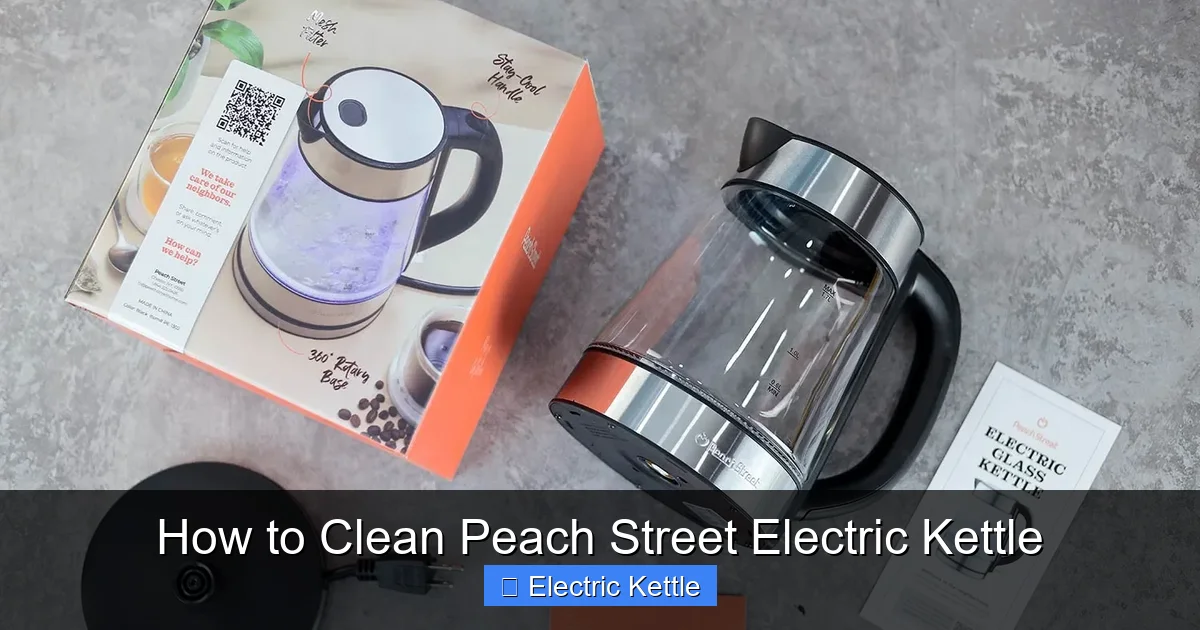
Visual guide about How to Clean Peach Street Electric Kettle
Image source: cdn.shouldit.com
Over time, this buildup thickens and hardens, creating a crusty layer that’s tough to remove. You might first notice it as white spots or a cloudy film inside the kettle. If left unchecked, it can spread across the heating coil, spout, and even the lid. Not only does this affect the appearance of your kettle, but it also impacts functionality. The heating element has to work harder to transfer heat through the scale, which slows down boiling and increases energy consumption.
Another issue is taste. As limescale accumulates, it can impart a slightly metallic or chalky flavor to your water, which carries over into your tea, coffee, or other hot beverages. Some people also report a faint “plastic” or “chemical” smell after boiling, which can be caused by trapped minerals reacting with heat. In rare cases, bacteria or mold can grow in damp, scaled areas—especially if the kettle isn’t dried properly after use.
The good news? Limescale is completely preventable and removable with regular maintenance. The key is consistency. If you clean your Peach Street electric kettle every 2–4 weeks—depending on your water hardness—you’ll prevent major buildup and keep it performing at its best. Think of it like brushing your teeth: a little effort now saves you from bigger problems later.
How to Tell If Your Kettle Needs Cleaning
You don’t need to wait for a thick layer of scale to appear before cleaning. Here are some telltale signs that your Peach Street electric kettle is due for a refresh:
- Visible white or gray deposits inside the kettle, especially near the base or spout.
- Longer boiling times than usual—your kettle takes noticeably longer to heat water.
- Unusual tastes or odors in your tea, coffee, or boiled water.
- Gurgling or popping sounds during heating, which can indicate trapped steam behind scale buildup.
- Rusty or discolored water after boiling, which may signal corrosion or mineral leaching.
If you notice any of these signs, it’s time to clean your kettle. Even if you don’t see visible scale, it’s still a good idea to descale every month as a preventive measure—especially if you live in an area with hard water.
What You’ll Need to Clean Your Peach Street Electric Kettle
The beauty of cleaning your Peach Street electric kettle is that you probably already have everything you need at home. No need for expensive descaling solutions or specialty tools. Here’s a simple list of supplies:
- White distilled vinegar – This is the most effective and affordable descaling agent. Its mild acidity breaks down limescale without damaging the kettle.
- Lemon juice – A natural alternative to vinegar, especially if you prefer a fresher scent. Freshly squeezed works best.
- Water – For diluting cleaning solutions and rinsing.
- Soft sponge or cloth – Avoid abrasive scrubbers that can scratch the interior.
- Toothbrush (optional) – Useful for scrubbing hard-to-reach areas like the spout or lid hinges.
- Mild dish soap – For cleaning the exterior and removable parts.
- Dry towel – For wiping down surfaces after cleaning.
Avoid using steel wool, harsh chemical cleaners, or bleach, as these can damage the stainless steel or plastic components of your kettle. Also, never use a vacuum or compressed air to clean the interior—this can push debris into the electrical components and cause damage.
Optional Tools for Deep Cleaning
If you’re dealing with heavy limescale or want a more thorough clean, consider these optional tools:
- Kettle descaling tablets – Commercially available and formulated specifically for electric kettles. Follow package instructions carefully.
- Baking soda – Can be used as a gentle abrasive for scrubbing the exterior or stubborn spots.
- Soft-bristled bottle brush – Helps reach into narrow spouts or curved interiors.
- Microfiber cloth – Great for polishing the exterior without leaving streaks.
Remember, the goal is to clean effectively without risking damage. Stick to gentle, non-abrasive methods, and always unplug the kettle before cleaning.
Step-by-Step Guide to Cleaning Your Peach Street Electric Kettle
Now that you know why cleaning matters and what tools to use, let’s walk through the actual process. Whether you’re doing a quick refresh or a deep descaling, these steps will keep your Peach Street electric kettle in top condition.
Step 1: Unplug and Cool Down
Before you start, make sure your kettle is completely cool and unplugged from the power source. Never clean a hot or recently used kettle—this can cause burns or damage the heating element. Give it at least 30 minutes to cool down after use.
Step 2: Empty and Rinse
Pour out any remaining water from the kettle. Give it a quick rinse with clean water to remove loose debris or floating particles. This helps the cleaning solution work more effectively.
Step 3: Prepare the Cleaning Solution
For most cleaning jobs, a 1:1 mixture of white vinegar and water works perfectly. Fill the kettle about halfway with this solution. If you’re using lemon juice, use the juice of one whole lemon mixed with water to the same level. For heavy limescale, you can use undiluted vinegar, but be sure to rinse thoroughly afterward.
Step 4: Boil the Solution
Plug in your kettle and bring the vinegar or lemon solution to a boil. Let it boil for 5–10 minutes. This allows the acid to break down the mineral deposits. You may notice bubbles forming around the scale—this is a good sign that the cleaning process is working.
Step 5: Let It Soak
After boiling, unplug the kettle and let the solution sit for at least 30 minutes—or up to an hour for tough buildup. The longer it soaks, the more effective it will be at dissolving limescale.
Step 6: Scrub Gently
Once the solution has soaked, use a soft sponge or cloth to wipe the interior. For stubborn spots, use a toothbrush to gently scrub around the heating element, spout, and lid. Be careful not to scratch the surface. If scale remains, repeat the boiling and soaking process.
Step 7: Rinse Thoroughly
Pour out the cleaning solution and rinse the kettle several times with fresh water. Fill it up, swish the water around, and pour it out. Repeat 3–4 times to ensure no vinegar or lemon taste remains. Any residual acid can affect the flavor of your next brew.
Step 8: Boil Fresh Water
Fill the kettle with clean water and boil it once more. This helps flush out any remaining traces of the cleaning solution. Pour out this water and your kettle is ready to use.
Step 9: Clean the Exterior
While the interior is soaking, wipe down the outside of the kettle with a damp cloth and a drop of mild dish soap. Pay attention to the handle, base, and control panel. Avoid getting water into the electrical components. Dry with a clean towel.
Step 10: Dry and Store
Leave the kettle open to air dry completely before storing. This prevents moisture buildup, which can lead to mold or mildew. Store it in a dry, cool place, preferably with the lid off.
Alternative Cleaning Methods
While vinegar and lemon are the most popular choices, there are other ways to clean your Peach Street electric kettle depending on your preferences or available ingredients.
Using Baking Soda
Baking soda is a mild abrasive that can help scrub away light scale and odors. Mix 1–2 tablespoons of baking soda with water to form a paste. Apply it to the interior with a soft sponge, focusing on stained areas. Let it sit for 15–20 minutes, then scrub gently and rinse thoroughly. For extra cleaning power, you can combine baking soda with vinegar—just be prepared for a fizzy reaction!
Commercial Descaling Solutions
If you prefer a ready-made solution, look for electric kettle descalers at your local supermarket or online. These are often citric acid-based and come in liquid or tablet form. Follow the instructions on the package carefully—most require you to dissolve the product in water, boil it, soak, and rinse. These are especially useful for heavy limescale or if you want a scent-free option.
Lime and Orange Peels
For a natural, aromatic clean, try boiling citrus peels. Add lemon, lime, or orange peels to water and boil for 10–15 minutes. The citric acid helps break down scale, and your kitchen will smell fresh. After boiling, let it soak, scrub if needed, and rinse well.
Prevention Tips
The best cleaning method is prevention. Here are a few habits to keep limescale at bay:
- Use filtered water – This reduces mineral content and slows scale formation.
- Empty the kettle after each use – Don’t let water sit overnight, as this encourages mineral deposits.
- Wipe the interior weekly – A quick rinse and wipe can remove early buildup before it hardens.
- Descale monthly – Even if you don’t see scale, regular maintenance keeps your kettle efficient.
Maintaining Your Peach Street Electric Kettle
Cleaning your kettle isn’t a one-and-done task—it’s part of an ongoing maintenance routine that ensures longevity and performance. Here’s how to keep your Peach Street electric kettle in peak condition year-round.
Weekly Quick Clean
Once a week, give your kettle a quick rinse with warm water and a drop of dish soap. Wipe the interior with a soft cloth to remove any residue. This prevents buildup and keeps odors at bay.
Monthly Deep Clean
Set a reminder on your phone or calendar to descale your kettle every 4–6 weeks. This is especially important if you use your kettle daily or live in a hard water area. A monthly deep clean takes less than an hour and pays off in better performance and taste.
Check the Filter
Some Peach Street kettles come with a removable mesh filter in the spout to catch sediment. If yours has one, remove it regularly and rinse it under running water. Soak it in vinegar if it’s clogged, then scrub gently with a toothbrush.
Inspect for Damage
While cleaning, take a moment to check for cracks, loose parts, or frayed cords. If you notice any damage, stop using the kettle and contact Peach Street customer support. Using a damaged appliance can be a safety hazard.
Store Properly
After cleaning, always store your kettle dry and with the lid open. This allows air to circulate and prevents moisture from trapping inside, which can lead to mold or unpleasant odors.
Troubleshooting Common Cleaning Issues
Even with regular care, you might run into a few hiccups. Here’s how to handle common problems:
Vinegar or Lemon Taste Lingers
If your water still tastes like vinegar or lemon after cleaning, you likely didn’t rinse thoroughly enough. Fill the kettle with fresh water, boil it, and pour it out. Repeat 2–3 times until the taste is gone.
Scale Won’t Come Off
For stubborn limescale, try a longer soak—up to 2 hours—or use undiluted vinegar. You can also gently scrub with a non-abrasive pad. Avoid forcing it, as this can scratch the surface.
Kettle Smells Musty
A musty smell usually means mold or mildew has grown inside. Clean the kettle with vinegar, paying extra attention to the spout and lid. Let it air dry completely with the lid off. To prevent recurrence, always empty and dry the kettle after use.
Water Tastes Metallic
This could be due to scale or a reaction with the heating element. Descale thoroughly and rinse well. If the taste persists, check if your water source has changed or if the kettle has a manufacturing defect.
Conclusion
Cleaning your Peach Street electric kettle doesn’t have to be a chore. With simple, natural methods and a little consistency, you can keep your kettle sparkling, efficient, and safe to use. Regular maintenance not only improves the taste of your beverages but also extends the life of your appliance, saving you money in the long run.
Remember, the key is prevention. A monthly deep clean with vinegar or lemon, combined with weekly wipe-downs and proper storage, will keep limescale at bay and your kettle performing like new. Whether you’re brewing your morning coffee or heating water for instant noodles, a clean kettle ensures every cup tastes its best.
So grab that bottle of vinegar, unplug your kettle, and give it the care it deserves. Your taste buds—and your Peach Street electric kettle—will thank you.
Frequently Asked Questions
How often should I clean my Peach Street electric kettle?
For most users, cleaning your Peach Street electric kettle once a month is sufficient. If you live in a hard water area or use your kettle daily, consider cleaning it every 2–3 weeks to prevent limescale buildup.
Can I use bleach to clean my electric kettle?
No, never use bleach or harsh chemical cleaners in your Peach Street electric kettle. These can damage the interior surfaces, leave toxic residues, and affect the taste of your water. Stick to natural cleaners like vinegar or lemon juice.
Is it safe to boil vinegar in my kettle?
Yes, boiling a diluted vinegar solution (1:1 with water) is safe and effective for descaling. Just be sure to rinse the kettle thoroughly afterward to remove any vinegar taste.
Can I clean the base of my Peach Street kettle?
No, never submerge the base or electrical components in water. Only wipe the exterior with a damp cloth and dry immediately. The base should remain dry at all times.
What if my kettle still smells after cleaning?
If odors persist, try soaking the kettle in a solution of baking soda and water, or boil a mixture of water and citrus peels. Ensure the kettle is completely dry and stored with the lid open to prevent mold.
Does cleaning void the warranty?
No, regular cleaning does not void the warranty. In fact, proper maintenance is encouraged. Just avoid using abrasive tools or unauthorized cleaning agents, and follow the manufacturer’s guidelines.