Rust inside your electric kettle isn’t just unsightly—it can affect taste and safety. This guide walks you through proven, non-toxic methods to remove rust using vinegar, lemon, or baking soda, plus tips to prevent it from returning.
Key Takeaways
- Act quickly: The sooner you treat rust, the easier it is to remove and the less damage it causes.
- Use natural cleaners: White vinegar, lemon juice, and baking soda are safe, effective, and eco-friendly options.
- Never use steel wool or harsh abrasives: They can scratch the interior and damage the heating element.
- Rinse thoroughly after cleaning: Residual acid or cleaner can affect water taste and safety.
- Prevent future rust: Dry the kettle completely after each use and avoid leaving water sitting inside.
- Check your water source: Hard water or high mineral content can accelerate rust formation.
- Know when to replace: If rust persists or the heating element is compromised, it’s time for a new kettle.
📑 Table of Contents
- Why Rust Appears in Electric Kettles
- Is Rust in Your Kettle Dangerous?
- Tools and Materials You’ll Need
- Step-by-Step Guide to Cleaning Rust with Vinegar
- Using Lemon Juice for a Fresh-Smelling Clean
- Baking Soda Paste for Stubborn Rust Spots
- Preventing Rust from Returning
- When to Replace Your Electric Kettle
- Conclusion
Why Rust Appears in Electric Kettles
Rust inside an electric kettle might seem alarming, but it’s more common than you think—especially if you live in an area with hard water or if your kettle isn’t dried properly after use. Rust forms when iron or steel components inside the kettle are exposed to oxygen and moisture over time. Most electric kettles have stainless steel interiors, but even stainless steel can rust if the protective oxide layer is compromised.
The heating element, spout, or base of the kettle may contain metal parts that are more susceptible to corrosion. When water sits in the kettle for long periods—especially overnight or over several days—it creates the perfect environment for rust to develop. Additionally, mineral deposits from hard water can build up and trap moisture, accelerating the rusting process. Even small scratches from cleaning or manufacturing imperfections can expose bare metal, inviting rust to take hold.
Understanding why rust forms is the first step in both removing it and preventing it from coming back. It’s not just about aesthetics—rust can flake off into your water, affecting taste and potentially introducing unwanted particles into your drinks. While small amounts of rust aren’t typically dangerous, they can indicate deeper issues with the kettle’s integrity. That’s why it’s important to address rust early and maintain your kettle properly to keep it functioning safely and efficiently.
Is Rust in Your Kettle Dangerous?
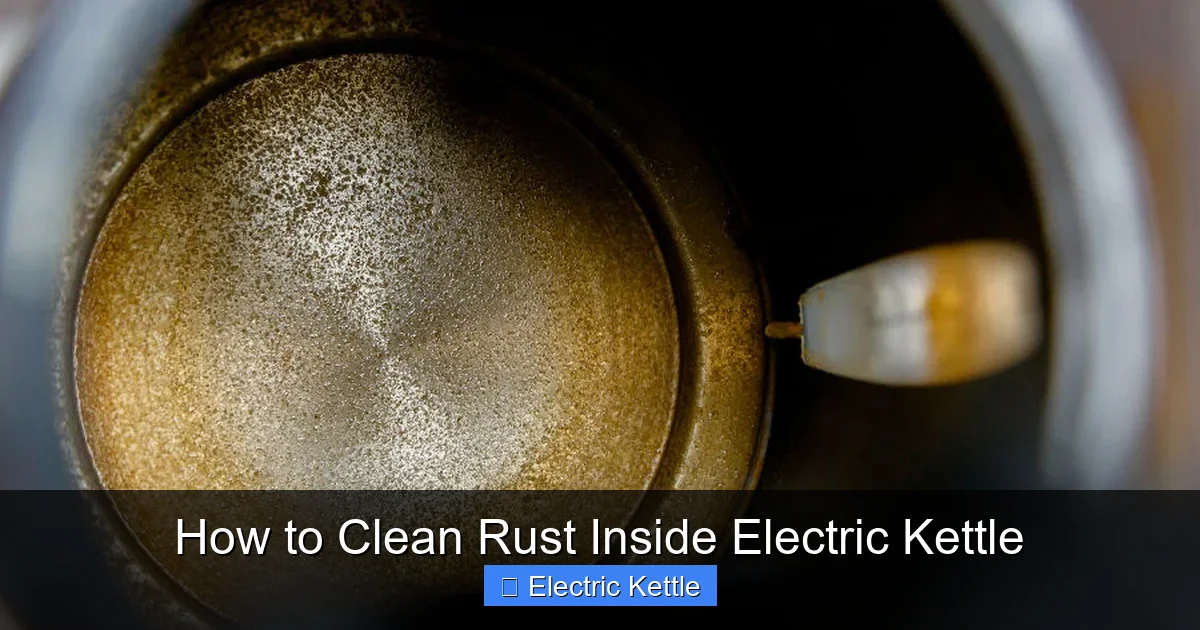
Visual guide about How to Clean Rust Inside Electric Kettle
Image source: azrust.com
Many people wonder whether drinking water from a rusty kettle is safe. The short answer is: small amounts of rust are generally not harmful, but they’re certainly not ideal. Rust is primarily iron oxide, and your body actually needs iron to function properly. However, the iron in rust isn’t in a form that your body can easily absorb, and ingesting large flakes or particles can cause digestive discomfort.
More concerning than the rust itself is what it might indicate. Rust often forms in areas where the protective coating of the kettle has worn away, which could mean the metal is deteriorating. If the heating element or internal components are rusting, it may affect the kettle’s performance or even pose a safety risk. Additionally, rust can harbor bacteria if moisture is trapped, especially in crevices or under mineral buildup.
Another issue is taste. Rusty water often has a metallic flavor that can ruin your morning coffee or tea. Even if the health risk is low, the sensory experience is unpleasant. For these reasons, it’s best to clean rust as soon as you notice it and take steps to prevent it from returning. If the rust is widespread or the kettle is old and showing other signs of wear, replacing it might be the safest option.
Tools and Materials You’ll Need
Before you start cleaning, gather the right tools and materials. The good news is that most of what you need is probably already in your kitchen. You won’t need expensive chemicals or specialized equipment—just a few household items and a bit of elbow grease.
Start with white distilled vinegar. It’s acidic, which makes it excellent at breaking down rust and mineral deposits. Lemon juice is another great natural option, thanks to its citric acid content. Both are safe, non-toxic, and won’t leave harmful residues. Baking soda is useful for scrubbing and neutralizing odors, while a soft sponge or brush (like an old toothbrush) helps you reach tight spots without scratching the surface.
You’ll also need clean water for rinsing and a soft cloth for drying. Avoid using steel wool, scouring pads, or abrasive cleaners—they can scratch the interior and create more places for rust to form. If your kettle has a removable filter or mesh screen, take it out and clean it separately. Having everything ready before you begin will make the process smoother and more effective.
Step-by-Step Guide to Cleaning Rust with Vinegar
One of the most effective and widely recommended methods for cleaning rust inside an electric kettle is using white vinegar. This natural cleaner is powerful enough to dissolve rust and limescale but gentle enough not to damage most kettle interiors. Here’s how to do it safely and effectively.
Step 1: Mix the Vinegar Solution
Start by filling your kettle about halfway with equal parts white vinegar and water. For example, if your kettle holds 1.5 liters, use 375 ml of vinegar and 375 ml of water. This dilution is strong enough to tackle rust but won’t be overly harsh on the kettle’s components. If the rust is light, you can use a weaker solution (one part vinegar to two parts water), but for heavier buildup, a 1:1 ratio works best.
Step 2: Let It Soak
Once the solution is in the kettle, turn it on and bring it to a boil. The heat helps accelerate the chemical reaction between the vinegar and the rust. Once it reaches a boil, turn off the kettle and let the solution sit for at least 30 minutes—or up to an hour for stubborn rust. During this time, the vinegar will break down the iron oxide and loosen mineral deposits.
Step 3: Scrub Gently
After soaking, pour out the vinegar solution. You’ll likely see rust particles and discoloration in the liquid. Use a soft sponge or an old toothbrush to gently scrub the interior, focusing on areas with visible rust. Be careful around the heating element and any plastic parts. Avoid using anything abrasive—scratching the surface can make future rusting more likely.
Step 4: Rinse Thoroughly
Rinse the kettle several times with clean water to remove all traces of vinegar and rust residue. Fill it up, swish the water around, and pour it out. Repeat this process at least three times. Any leftover vinegar can affect the taste of your water, so thorough rinsing is essential.
Step 5: Boil Fresh Water
To ensure all vinegar is gone and to freshen the kettle, fill it with clean water and boil it once. Let it cool, then pour out the water. This step helps neutralize any lingering odor and confirms that the kettle is ready for use.
Using Lemon Juice for a Fresh-Smelling Clean
If you prefer a more fragrant cleaning method or don’t have vinegar on hand, lemon juice is an excellent alternative. Like vinegar, lemon juice contains natural acids that dissolve rust and mineral buildup, but it leaves behind a pleasant citrus scent. This method is especially great if you’re sensitive to the smell of vinegar.
Step 1: Prepare the Lemon Solution
Cut a fresh lemon in half and squeeze the juice directly into the kettle. You’ll need about half a cup of lemon juice, depending on the size of your kettle. Add enough water to fill the kettle about two-thirds full. For extra cleaning power, you can also drop in the lemon halves—the pulp and rind help scrub the interior as they move around.
Step 2: Boil and Soak
Turn on the kettle and bring the lemon-water mixture to a boil. Once it reaches boiling point, turn it off and let it sit for 30 to 60 minutes. The citric acid in the lemon will work on the rust, breaking it down and making it easier to remove.
Step 3: Scrub and Rinse
After soaking, pour out the liquid and use a soft sponge or brush to gently scrub the rusty areas. You should notice that the rust has softened and may come off with minimal effort. Rinse the kettle thoroughly with clean water, repeating the process until no lemon smell or taste remains.
Step 4: Final Boil
Fill the kettle with fresh water and boil it once to ensure all lemon residue is gone. This step also helps eliminate any sour taste and leaves your kettle smelling fresh and clean.
Baking Soda Paste for Stubborn Rust Spots
For localized rust spots or areas that are hard to reach, a baking soda paste can be incredibly effective. Baking soda is mildly abrasive, which helps scrub away rust without damaging the surface, and it’s also a natural deodorizer. This method works best when combined with vinegar or lemon juice for a powerful one-two punch.
Step 1: Make the Paste
In a small bowl, mix baking soda with a few drops of water to form a thick paste. The consistency should be similar to toothpaste—not too runny, but spreadable. If you’re using vinegar, you can add a teaspoon of it to the paste for extra fizz and cleaning power.
Step 2: Apply to Rusty Areas
Using a soft cloth or your fingers, apply the paste directly to the rusty spots inside the kettle. Let it sit for 15 to 20 minutes. The baking soda will begin to break down the rust, and the mild abrasion will help lift it away.
Step 3: Scrub Gently
After the paste has had time to work, use a soft sponge or toothbrush to gently scrub the area. Focus on circular motions to avoid scratching. For tough spots, you can reapply the paste and let it sit longer.
Step 4: Rinse and Dry
Rinse the kettle thoroughly with water, making sure all baking soda residue is removed. Dry the interior with a soft cloth, paying special attention to the bottom and around the heating element. Leaving moisture behind can lead to more rust, so ensure the kettle is completely dry before storing.
Preventing Rust from Returning
Cleaning rust is only half the battle—preventing it from coming back is just as important. With a few simple habits, you can keep your electric kettle rust-free for years. The key is to minimize moisture and avoid conditions that encourage corrosion.
Always Dry Your Kettle After Use
One of the most effective ways to prevent rust is to dry your kettle thoroughly after each use. After boiling water, pour out any remaining liquid and wipe the interior with a clean, dry cloth. Leave the lid open for a few minutes to allow air to circulate and evaporate any residual moisture. This simple step can make a huge difference.
Avoid Leaving Water Sitting Overnight
Never let water sit in your kettle for extended periods, especially overnight or over several days. Stagnant water promotes rust and mineral buildup. If you’re not using the kettle regularly, empty it completely and store it dry.
Use a Water Filter
If you have hard water, consider using a water filter. Hard water contains high levels of minerals like calcium and magnesium, which can contribute to rust and limescale. Filtered water reduces mineral buildup and helps protect your kettle’s interior.
Clean Regularly
Even if you don’t see rust, clean your kettle every few weeks with vinegar or lemon juice to prevent buildup. Regular maintenance keeps the interior smooth and less prone to corrosion. A quick monthly clean can save you from major rust problems down the line.
Inspect for Damage
Periodically check your kettle for scratches, dents, or wear. Damaged areas are more likely to rust because the protective layer is compromised. If you notice any issues, consider replacing the kettle to avoid future problems.
When to Replace Your Electric Kettle
Despite your best efforts, there comes a time when cleaning isn’t enough. If rust keeps returning, covers large areas, or appears near the heating element, it may be time to replace your kettle. Persistent rust can indicate deeper structural issues that cleaning can’t fix.
Other signs that it’s time for a new kettle include:
– The heating element is visibly corroded or flaking
– Water tastes consistently metallic, even after cleaning
– The kettle takes much longer to boil than it used to
– There are cracks, leaks, or electrical issues
Investing in a high-quality stainless steel kettle with a rust-resistant interior can save you time and hassle in the long run. Look for models with removable filters, easy-to-clean designs, and warranties that cover corrosion.
Conclusion
Rust inside your electric kettle doesn’t have to be a permanent problem. With the right approach, you can safely and effectively remove it using common household items like vinegar, lemon juice, and baking soda. The key is to act quickly, clean thoroughly, and adopt habits that prevent rust from forming in the first place.
By drying your kettle after each use, avoiding stagnant water, and cleaning it regularly, you can extend its lifespan and ensure your water stays clean and great-tasting. And if rust keeps coming back despite your efforts, don’t hesitate to replace your kettle—your health and peace of mind are worth it.
Taking care of your electric kettle is a small but meaningful step toward a healthier, more enjoyable daily routine. Whether you’re brewing tea, making coffee, or just boiling water for cooking, a clean, rust-free kettle makes all the difference.
Frequently Asked Questions
Can I use apple cider vinegar instead of white vinegar?
Yes, apple cider vinegar can work, but white distilled vinegar is preferred because it’s clearer and less likely to leave residue or odor. Apple cider vinegar may stain or leave a stronger smell, so rinse thoroughly if you use it.
How often should I clean my electric kettle?
For most users, cleaning the kettle once a month is sufficient. If you use it daily or have hard water, consider cleaning it every two weeks to prevent buildup and rust.
Is it safe to boil vinegar in my kettle?
Yes, boiling vinegar is safe and effective for cleaning. Just make sure to rinse the kettle thoroughly afterward and boil fresh water once to remove any lingering taste or smell.
Can rust damage the heating element?
Yes, if rust spreads to the heating element, it can reduce efficiency or cause malfunctions. If you notice rust near the element, clean it immediately or consider replacing the kettle.
What if my kettle has a plastic interior?
Most electric kettles have stainless steel interiors, but if yours is plastic, avoid vinegar and lemon juice, as they can degrade plastic over time. Use baking soda paste instead and rinse well.
Will cleaning remove all the rust?
In most cases, yes—especially if the rust is surface-level. However, deep pitting or structural damage may require replacement. Regular cleaning helps prevent severe rust from forming.